

Stygian Owl
Asio stygius
The Stygian Owl is a dark, dramatically plumaged owl of Latin America and the Caribbean, named for its blackish-brown feathers and prominent, closely-set ear tufts.
- Feather type
- Dark, mottled flight and body feathers with long, closely-set ear tufts
- Colours
- Blackish-brown with pale mottling and streaking
- Bird size
- Medium-large, roughly 33-38 cm
Found a feather like this?
Identify any feather from a photo, free.
Overview
The Stygian Owl ranges widely but patchily from Mexico and the Caribbean south through Central America into much of South America, favoring forest edge, pine woodland, and montane forest habitats. It is one of the darkest of the eared owls, with a dramatic near-black plumage that gives it its name.
It is a scarce and locally distributed species across much of its range, more often detected by its deep hooting call than seen in flight or at roost.
Its feathers stand out for their unusually dark, blackish-brown ground color combined with long ear tufts held close together, distinguishing it from paler eared owls sharing parts of its range.
Identifying the Feather
Shape and Size
Flight feathers are fairly large for an Asio owl, roughly 20-24 cm on primaries, with soft fringed edges. Ear-tuft feathers are long and set close together near the center of the crown.
Color and Pattern
- Blackish-brown ground color, notably darker than most other eared owls
- Fine pale buff mottling and streaking break up the dark background
- Underparts slightly paler but still heavily marked with dark streaking
Shaft and Vane
Shafts dark brown to blackish; vanes dense and moderately soft.
Distinguishing from Similar Species
The unusually dark, blackish ground color separates Stygian Owl feathers from the paler Striped Owl and Long-eared Owl relatives sharing parts of its range, where present.
Plumage & Molt
Adults are blackish-brown overall with fine pale buff mottling and streaking, a dark facial disc, long ear tufts set close together, and yellow eyes.
Sexes look similar, with females slightly larger. Juveniles are paler and downier, developing the dark adult plumage with age. Adults undergo a single annual molt.
Habitat & Range
This species has a broad but patchy distribution from Mexico and parts of the Caribbean south through Central America into South America, including Andean forest edge, pine-oak woodland, and montane forest.
Most populations are resident, though some local or altitudinal movements may occur seasonally in certain regions.
Behavior & Field Notes
The Stygian Owl is nocturnal, roosting by day in dense forest foliage. It feeds primarily on small birds and mammals, often hunting at forest edges and clearings.
It nests in old stick nests of other birds within trees. Its call is a deep, resonant hoot. A blackish-brown, finely mottled feather with long, closely-set ear-tuft plumes found in Latin American forest edge or pine woodland habitat is consistent with this species.
Frequently asked questions
What makes Stygian Owl feathers distinctive?
Their unusually dark, blackish-brown ground color sets them apart from most other eared owls in the region, which tend to be paler and more buff-toned.
How are the ear tufts positioned on this species?
They are long and held close together near the center of the crown, differing from the more widely spaced tufts of some related owls.
Where is this species found?
Patchily from Mexico and parts of the Caribbean through Central America into South America, in forest edge, pine, and montane habitats.
Is the Stygian Owl commonly encountered?
No, it is generally scarce and local across much of its range, more often heard than seen.
Stygian Owl guides
In-depth guides for identifying and understanding Stygian Owl.

Other feathers you may enjoy

Tawny Owl
Wing (flight) and body (contour) feathers
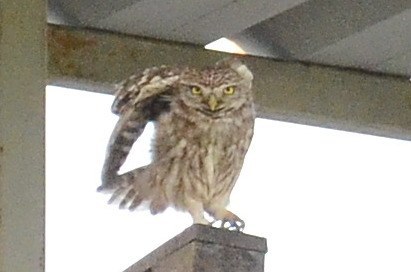
Little Owl
Wing and body feathers

Balsas Screech-Owl
Small ear-tuft feathers; soft, finely vermiculated body feathers

Blakiston's Fish Owl
Massive flight feathers with looser structure; shaggy body plumage; prominent ear-tuft feathers

Barn Owl
Wing and facial-disc feathers
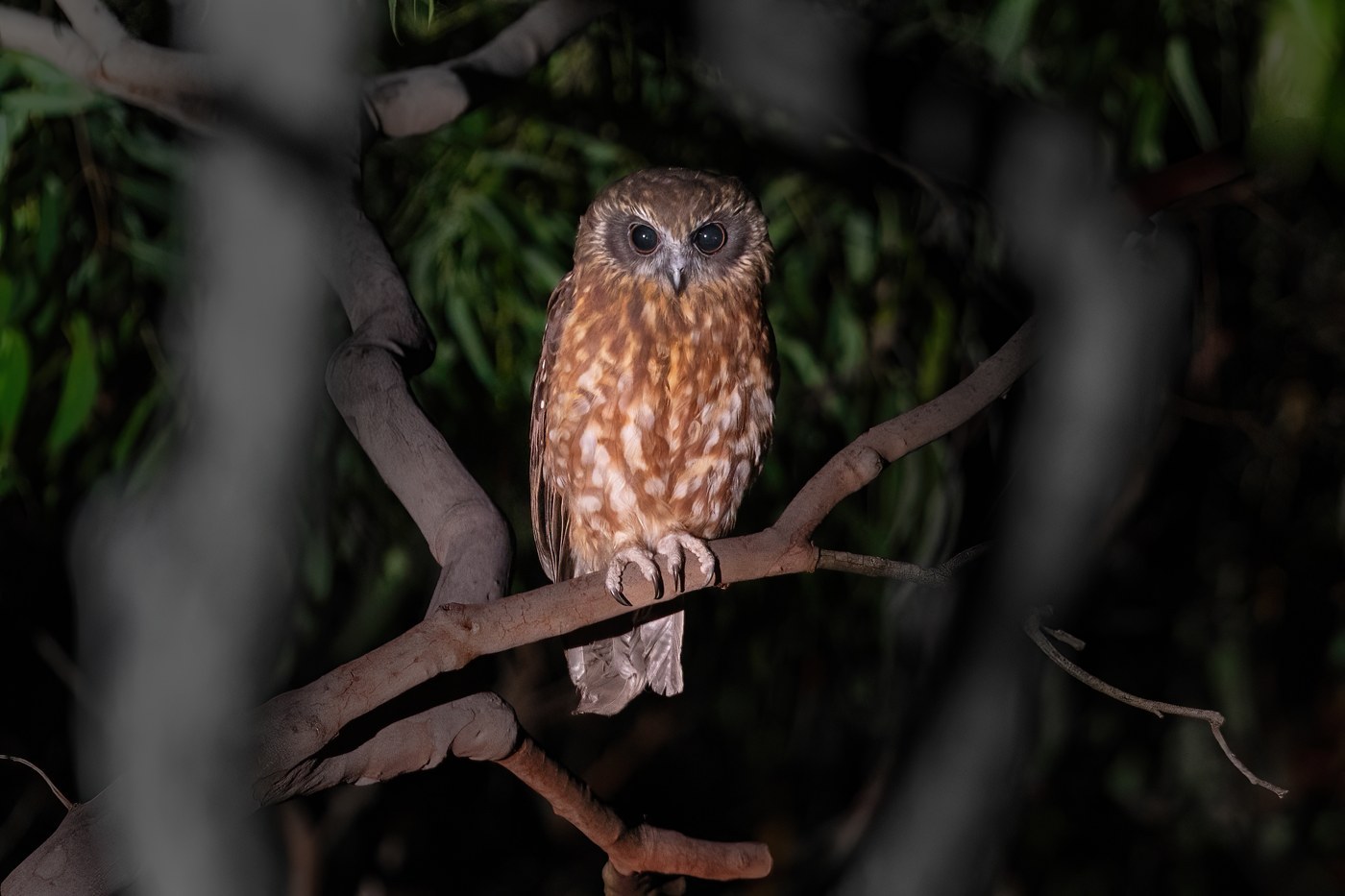
Southern Boobook
Rounded flight feathers; banded tail; spotted body plumage

Sooty Owl
Broad soft-edged flight feathers; heart-shaped facial disc feathers; finely speckled body plumage

Short-eared Owl
Broad soft-fringed flight feathers; streaked body feathers; tiny, rarely visible ear tufts
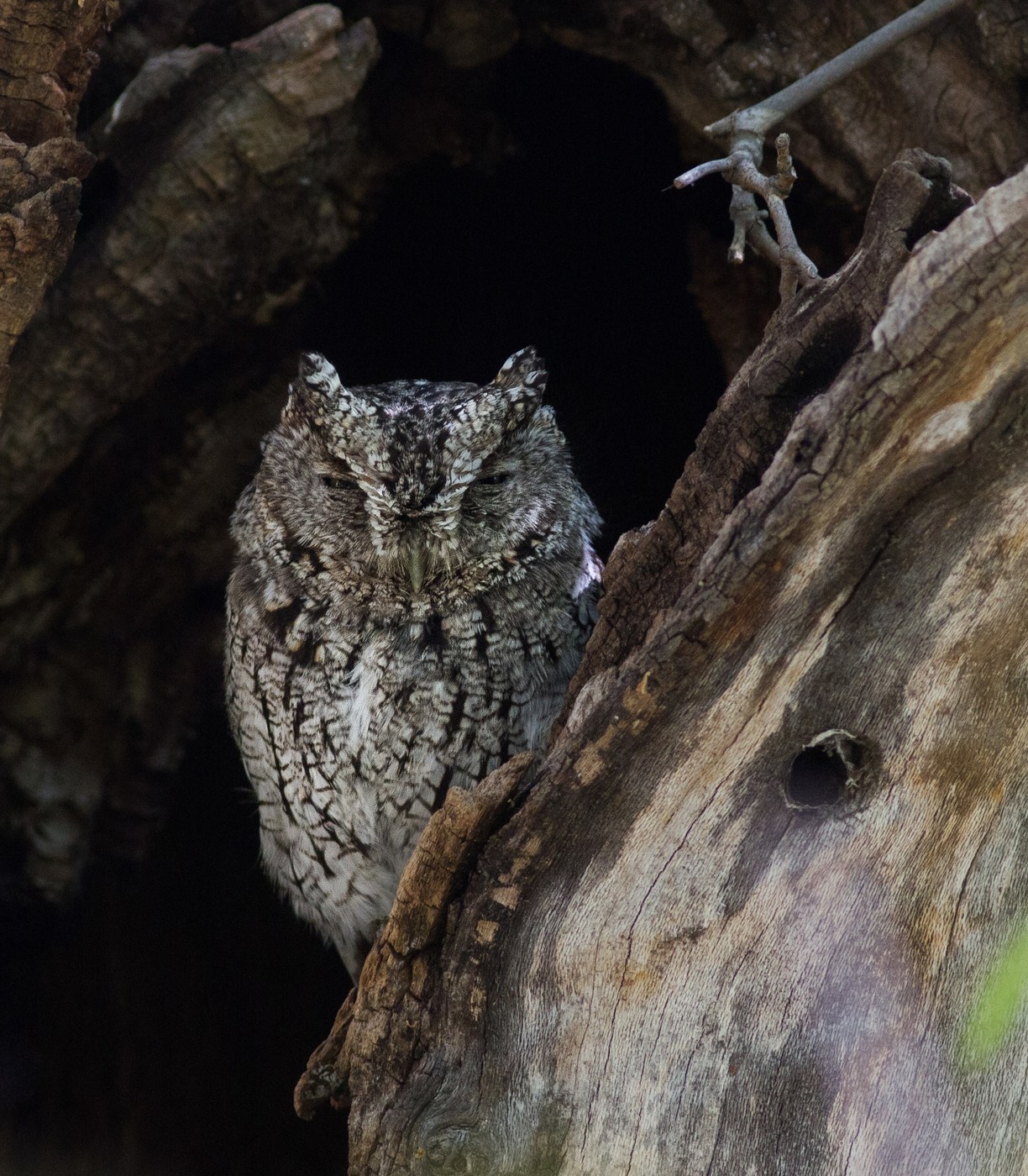
Whiskered Screech-Owl
Small soft-fringed flight feathers; finely mottled body feathers; short ear tufts
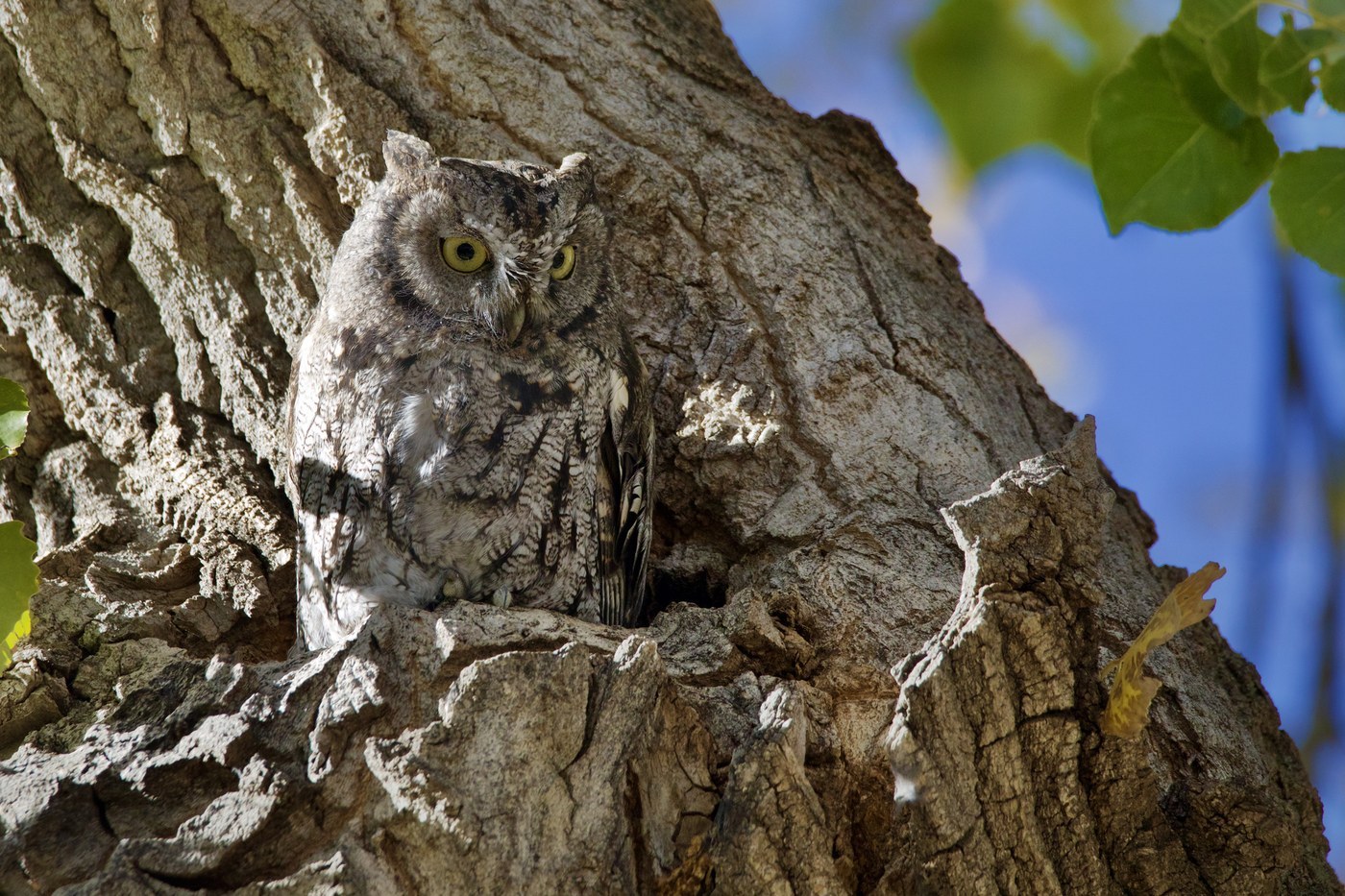
Western Screech-Owl
Small soft-fringed flight feathers; cryptic mottled/streaked body feathers; short ear tufts

White-faced Scops Owl
Small to medium flight feathers with a distinctive whitish facial disc and long ear-tuft plumes

Verreaux's Eagle-Owl
Very large flight and tail feathers; dense soft body plumage; broad ear-tuft feathers