

Spotted Eagle-Owl
Bubo africanus
A common, adaptable eagle-owl of African savanna and rocky country, mottled grayish-brown with bold dark spotting, often seen roosting near human settlements.
- Feather type
- Broad flight feathers; mottled body plumage; moderate ear-tuft feathers
- Colours
- Grayish-brown with bold dark spotting and fine barring; yellow eyes on the living bird
- Bird size
- Medium-large, ~45 cm
Found a feather like this?
Identify any feather from a photo, free.
Overview
The Spotted Eagle-Owl is one of the most widespread and familiar owls of sub-Saharan Africa, found in habitats ranging from open savanna and rocky koppies to semi-desert and even urban parks and gardens. Its mottled grayish-brown plumage and bold yellow eyes make it a distinctive, if often overlooked, resident.
It is a medium-large eagle-owl, smaller than Verreaux's Eagle-Owl but similarly built with prominent ear tufts and a heavily marked body. Because it tolerates a wide range of habitats, including areas close to people, its feathers are among the more frequently encountered eagle-owl feathers across its range.
It roosts by day in trees, rock crevices, or thick cover, becoming active at dusk to hunt insects, small mammals, and other prey across open ground.
Identifying the Feather
Size and shape
Moderately large feathers reflecting a bird about 45 cm long, with broad, rounded wings and well-developed ear-tuft feathers.
Color and pattern
- Ground color is grayish-brown, marked with bold dark spots and blotches on the upperparts and coarse barring on the flight feathers.
- Underparts are paler grayish-buff with fine dark barring and scattered spotting, giving an overall mottled, camouflaged look.
- The facial disc feathers are grayish with a dark rim.
- Shafts are pale brown.
Distinguishing from similar species
Compared to Verreaux's Eagle-Owl, Spotted Eagle-Owl feathers are smaller and show much bolder, darker spotting and blotching rather than fine pale vermiculation. Compared to the Indian Eagle-Owl (allopatric, but relevant for comparison), Spotted Eagle-Owl tends to show cooler gray-brown tones rather than warm tawny-buff.
Plumage & Molt
Adults are grayish-brown above with bold dark spotting and blotching, and paler below with fine barring, giving a strongly mottled overall appearance that provides effective camouflage against rock and bark. Ear tufts are moderate in length. Sexes look similar, with females larger. Juveniles are downier and less crisply marked. Molt occurs on an annual cycle following breeding, with flight feathers replaced gradually.
Habitat & Range
This species occupies a very broad range of open habitats across sub-Saharan Africa, including savanna, rocky outcrops, semi-desert scrub, farmland, and increasingly urban parks and gardens. It is largely resident, defending a fixed territory year-round.
Behavior & Field Notes
Spotted Eagle-Owls hunt primarily at night, taking insects, small mammals, birds, and reptiles from perches or in low flight over open ground. They roost by day in trees, on rock ledges, or in dense cover, often in pairs. The call is a deep, resonant hooting, frequently given as a duet between paired birds. Nests are simple scrapes on the ground, cliff ledges, or old nests of other birds. When identifying a feather, look for grayish-brown color with bold dark spotting and blotching rather than fine vermiculation, and a medium-large overall size.
Frequently asked questions
How common is the Spotted Eagle-Owl in Africa?
It is one of the most widespread eagle-owls in sub-Saharan Africa, tolerating savanna, rocky country, semi-desert, and even urban parks and gardens.
How do I tell this species' feathers from Verreaux's Eagle-Owl?
Spotted Eagle-Owl feathers are smaller and show bold dark spotting and blotching, while Verreaux's Eagle-Owl feathers are larger, paler, and finely vermiculated rather than boldly spotted.
Where does the Spotted Eagle-Owl nest?
It typically nests in a simple scrape on the ground, on a cliff ledge, or in the old nest of another bird, rather than building an elaborate structure.
Can this owl be found near people?
Yes, it is quite adaptable and is regularly found roosting and hunting in urban parks and gardens in addition to natural savanna and rocky habitats.
Spotted Eagle-Owl guides
In-depth guides for identifying and understanding Spotted Eagle-Owl.

Other feathers you may enjoy

Tawny Owl
Wing (flight) and body (contour) feathers
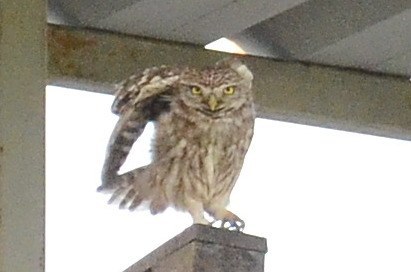
Little Owl
Wing and body feathers

Balsas Screech-Owl
Small ear-tuft feathers; soft, finely vermiculated body feathers

Blakiston's Fish Owl
Massive flight feathers with looser structure; shaggy body plumage; prominent ear-tuft feathers

Barn Owl
Wing and facial-disc feathers
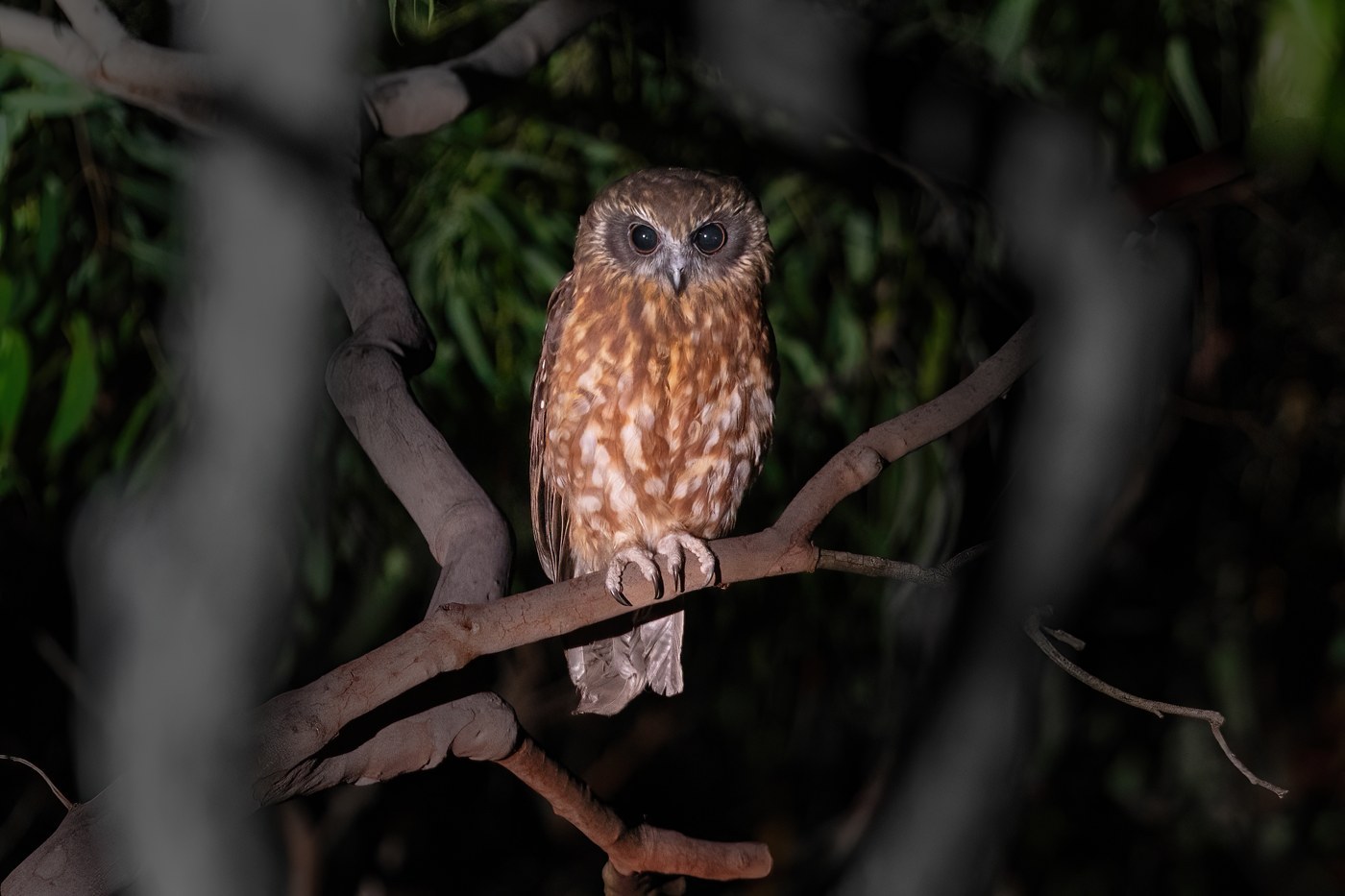
Southern Boobook
Rounded flight feathers; banded tail; spotted body plumage

Sooty Owl
Broad soft-edged flight feathers; heart-shaped facial disc feathers; finely speckled body plumage

Short-eared Owl
Broad soft-fringed flight feathers; streaked body feathers; tiny, rarely visible ear tufts

Stygian Owl
Dark, mottled flight and body feathers with long, closely-set ear tufts
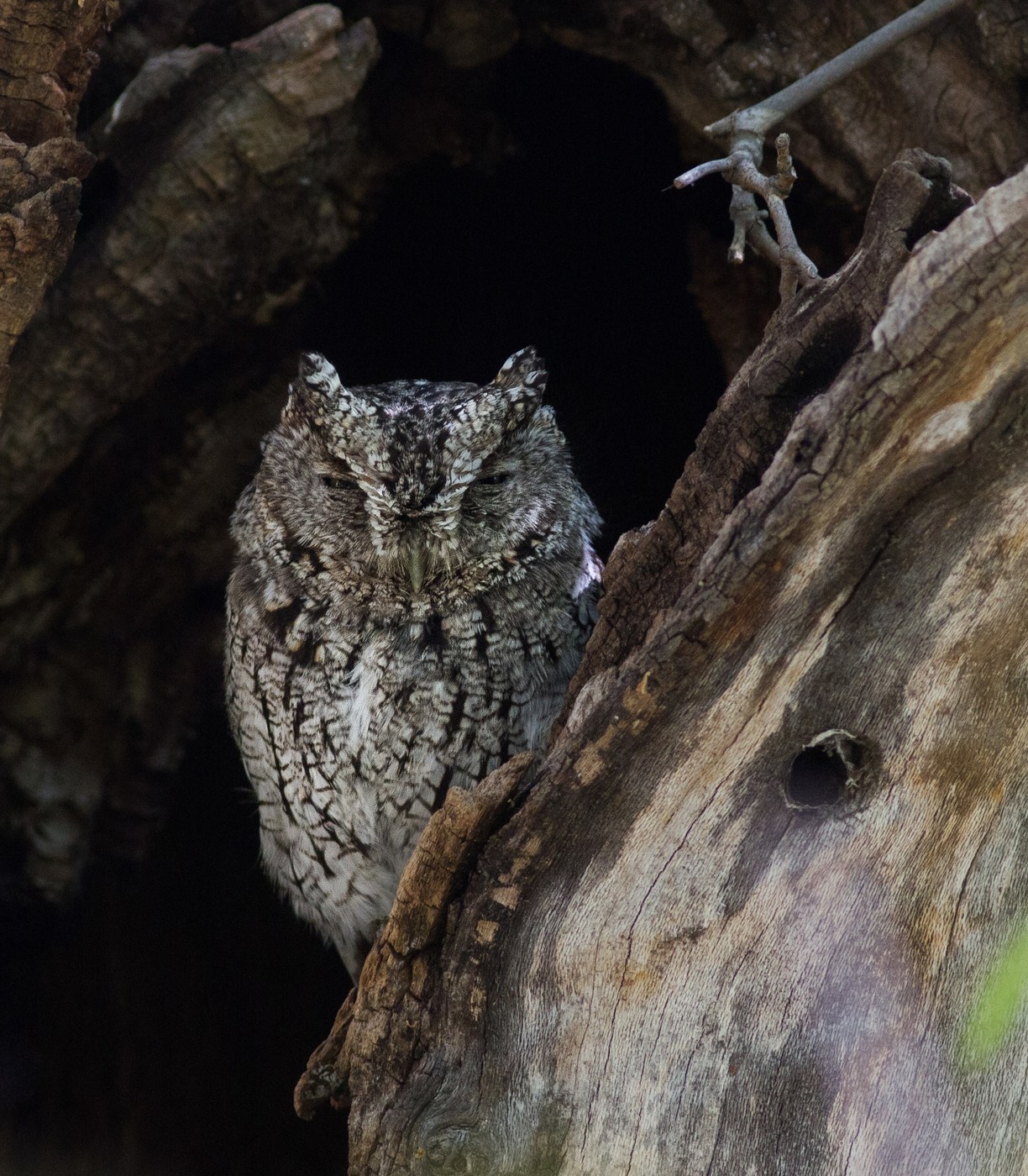
Whiskered Screech-Owl
Small soft-fringed flight feathers; finely mottled body feathers; short ear tufts
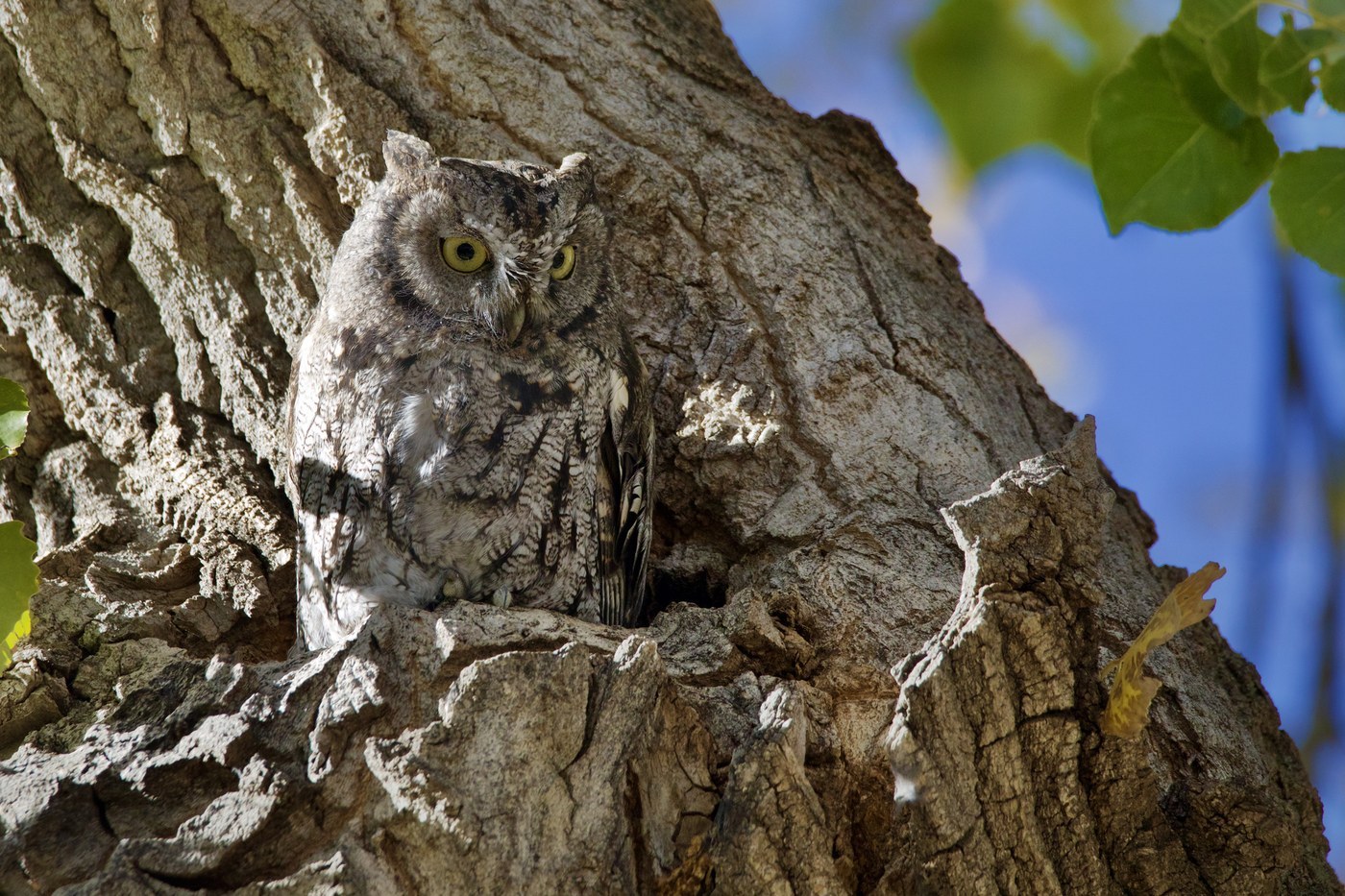
Western Screech-Owl
Small soft-fringed flight feathers; cryptic mottled/streaked body feathers; short ear tufts

White-faced Scops Owl
Small to medium flight feathers with a distinctive whitish facial disc and long ear-tuft plumes