

Blakiston's Fish Owl
Bubo blakistoni
One of the largest owls on Earth, a massive, shaggy fish-hunting owl of remote river forests in the Russian Far East and Japan, with correspondingly huge, loosely structured feathers.
- Feather type
- Massive flight feathers with looser structure; shaggy body plumage; prominent ear-tuft feathers
- Colours
- Dark brown with heavy streaking on a buffy-brown ground
- Bird size
- Very large, ~60-72 cm, among the largest owls in the world
Found a feather like this?
Identify any feather from a photo, free.
Overview
Blakiston's Fish Owl is among the largest owl species in the world, a massive, shaggy-plumaged predator restricted to old-growth riparian forest along rivers in the Russian Far East, northeastern China, and the Japanese island of Hokkaido. Its enormous size and specialized fish-hunting lifestyle make it one of the most distinctive owls anywhere.
Unlike most owls, which rely on silent flight to ambush prey, fish owls wade or stand at the water's edge and snatch fish and other aquatic prey directly from rivers and streams, reducing the evolutionary pressure for the finely fringed, sound-dampening feather edges seen in typical owls. Its plumage is correspondingly heavier and less specialized for silence.
The species has declined due to habitat loss and depends on large old trees for nesting cavities and undisturbed rivers that remain unfrozen through winter for fishing, making both the bird and its feathers a rare find.
Identifying the Feather
Size and shape
Among the largest owl feathers in the world, from a bird 60-72 cm long with a wingspan that can approach 2 meters. Flight feathers are notably broad and heavy, with a looser, less finely fringed edge than typical silent-flying owls, reflecting reduced need for silent flight given its fishing habits.
Color and pattern
- Ground color is dark buffy-brown, heavily marked with coarse dark brown streaking throughout, without the fine barring typical of many other large owls.
- Ear-tuft feathers are long and prominent, often appearing shaggy or unkempt.
- The legs and feet are relatively bare or sparsely feathered compared to typical owls, an adaptation for grasping wet, slippery prey.
- Shafts are dark brown.
Distinguishing from similar species
Compared to the Eurasian Eagle-Owl, which shares part of its range, Blakiston's Fish Owl feathers are considerably larger, show coarser streaking rather than fine vermiculation, and the flight feather edges are noticeably less soft and fringed, since silent flight is less critical for a fish-catching owl.
Plumage & Molt
Adults are dark buffy-brown overall with heavy dark streaking, lacking the fine vermiculation seen in many other large owls. Long, shaggy ear tufts give the head a distinctive silhouette. Sexes are similar in plumage, with females larger. Juveniles are paler and downier. Molt follows breeding on an extended annual cycle typical of very large owls.
Habitat & Range
This species is restricted to old-growth riparian forest along large rivers that remain at least partially unfrozen through winter, in the Russian Far East (particularly Primorye and Sakhalin), northeastern China, and Hokkaido, Japan. It is largely resident, remaining on territory year-round where suitable habitat persists. The species has declined due to habitat loss and river modification.
Behavior & Field Notes
Blakiston's Fish Owl hunts fish, amphibians, and other aquatic prey by wading at the water's edge or standing on rocks and snatching prey with its large feet, rather than relying on aerial ambush. It nests in large cavities in old trees near rivers, requiring old-growth forest that is increasingly scarce across its range. Its call is a deep, resonant duet of low hoots between paired birds. When identifying a feather, look for exceptionally large size, coarse dark streaking rather than fine barring, and a looser, less silently structured flight feather edge.
Frequently asked questions
Is Blakiston's Fish Owl really one of the largest owls in the world?
Yes, by some measures of size and weight it is considered the largest or among the largest owl species in the world, with a wingspan that can approach 2 meters.
Why are this owl's flight feathers less finely fringed than other owls?
Because it catches fish from the water's edge rather than relying on aerial ambush, it has less evolutionary need for the silent-flight feather structure typical of most owls.
Where in the world does Blakiston's Fish Owl live?
It is restricted to old-growth riparian forest along rivers in the Russian Far East, northeastern China, and Hokkaido, Japan.
Blakiston's Fish Owl guides
In-depth guides for identifying and understanding Blakiston's Fish Owl.

Other feathers you may enjoy

Tawny Owl
Wing (flight) and body (contour) feathers
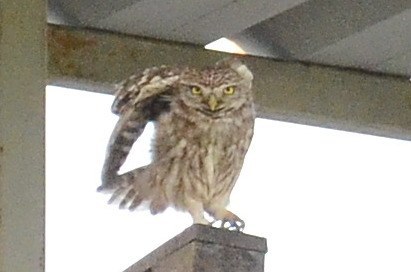
Little Owl
Wing and body feathers

Balsas Screech-Owl
Small ear-tuft feathers; soft, finely vermiculated body feathers

Barn Owl
Wing and facial-disc feathers
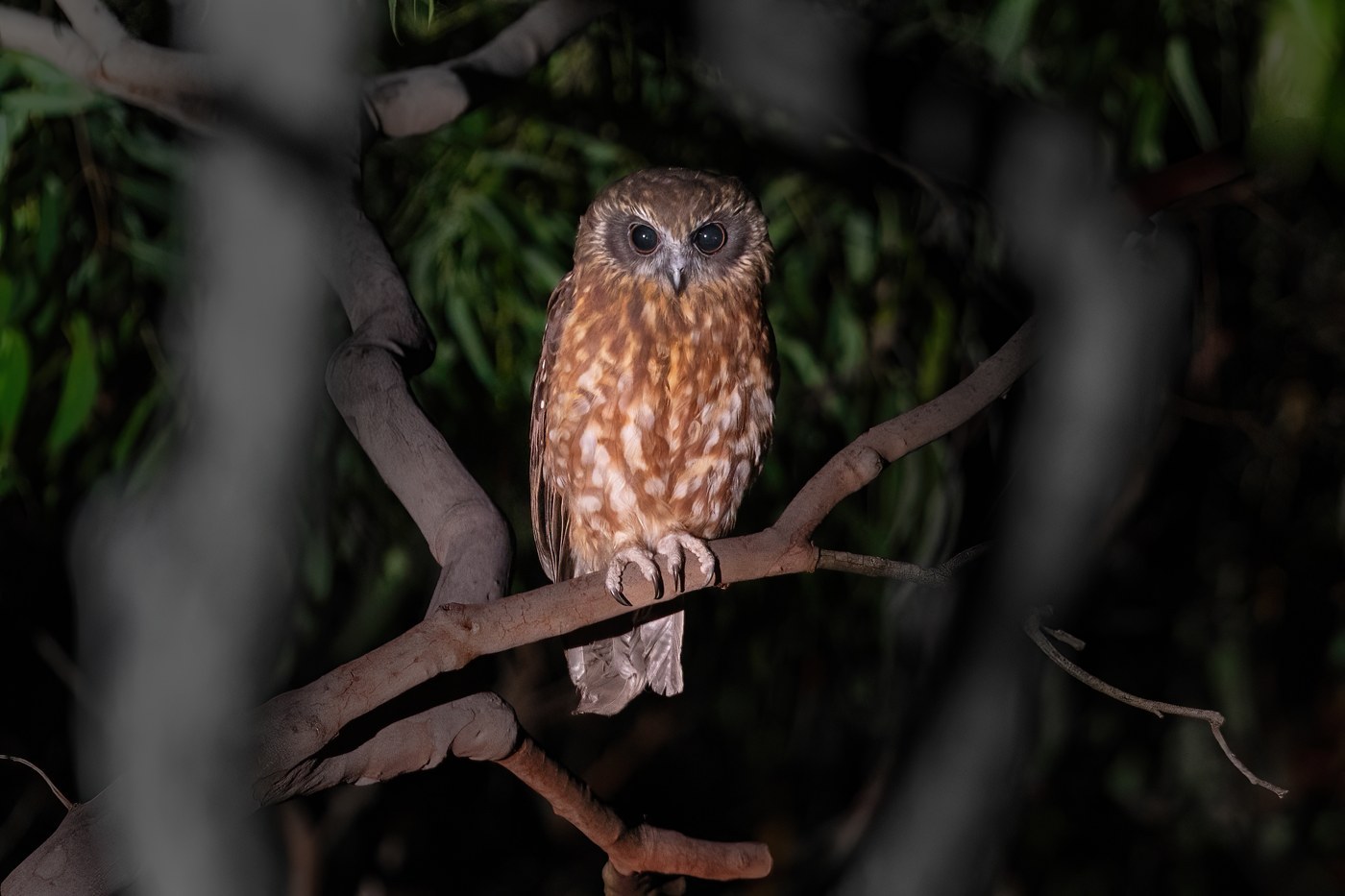
Southern Boobook
Rounded flight feathers; banded tail; spotted body plumage

Sooty Owl
Broad soft-edged flight feathers; heart-shaped facial disc feathers; finely speckled body plumage

Short-eared Owl
Broad soft-fringed flight feathers; streaked body feathers; tiny, rarely visible ear tufts

Stygian Owl
Dark, mottled flight and body feathers with long, closely-set ear tufts
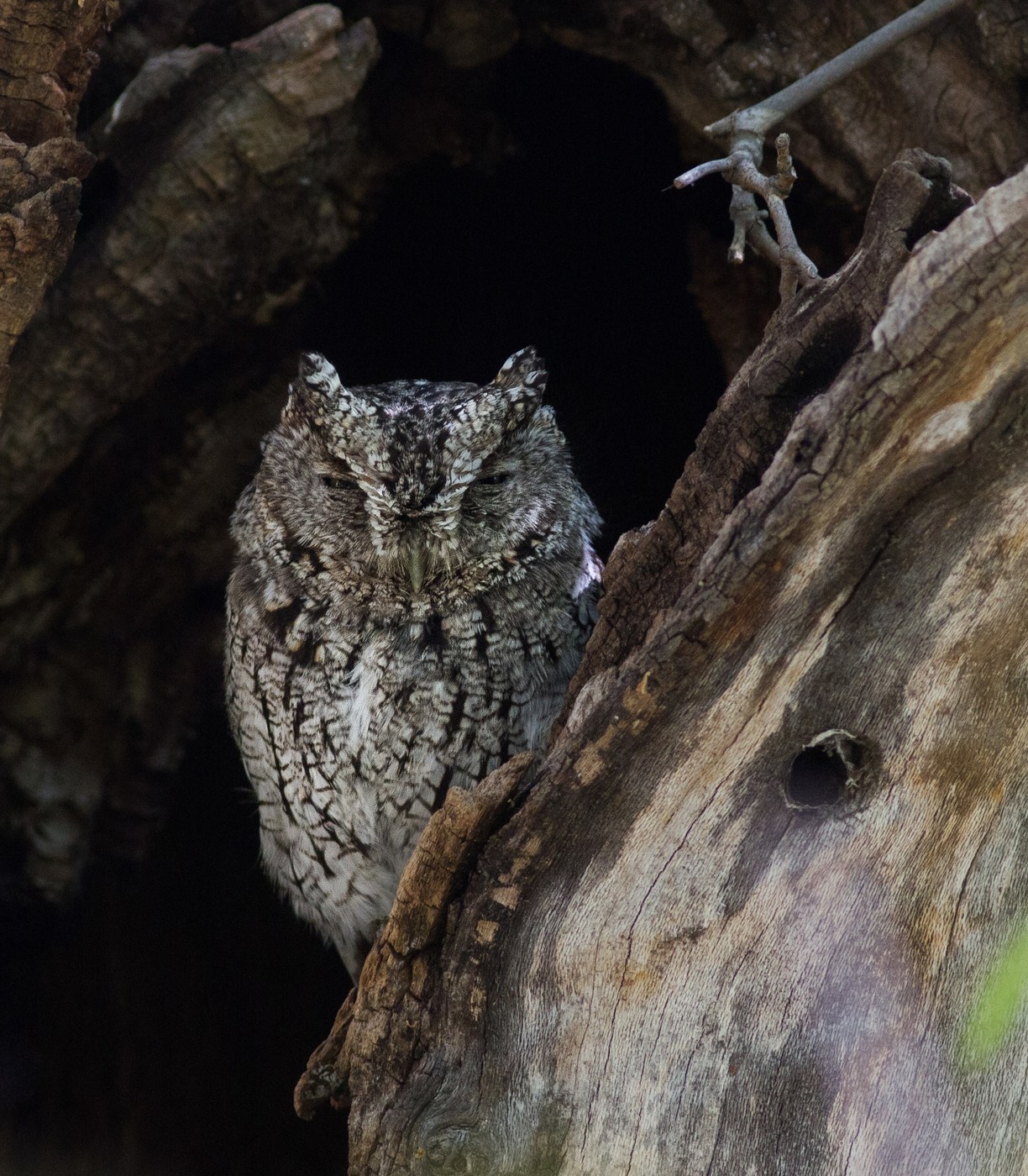
Whiskered Screech-Owl
Small soft-fringed flight feathers; finely mottled body feathers; short ear tufts
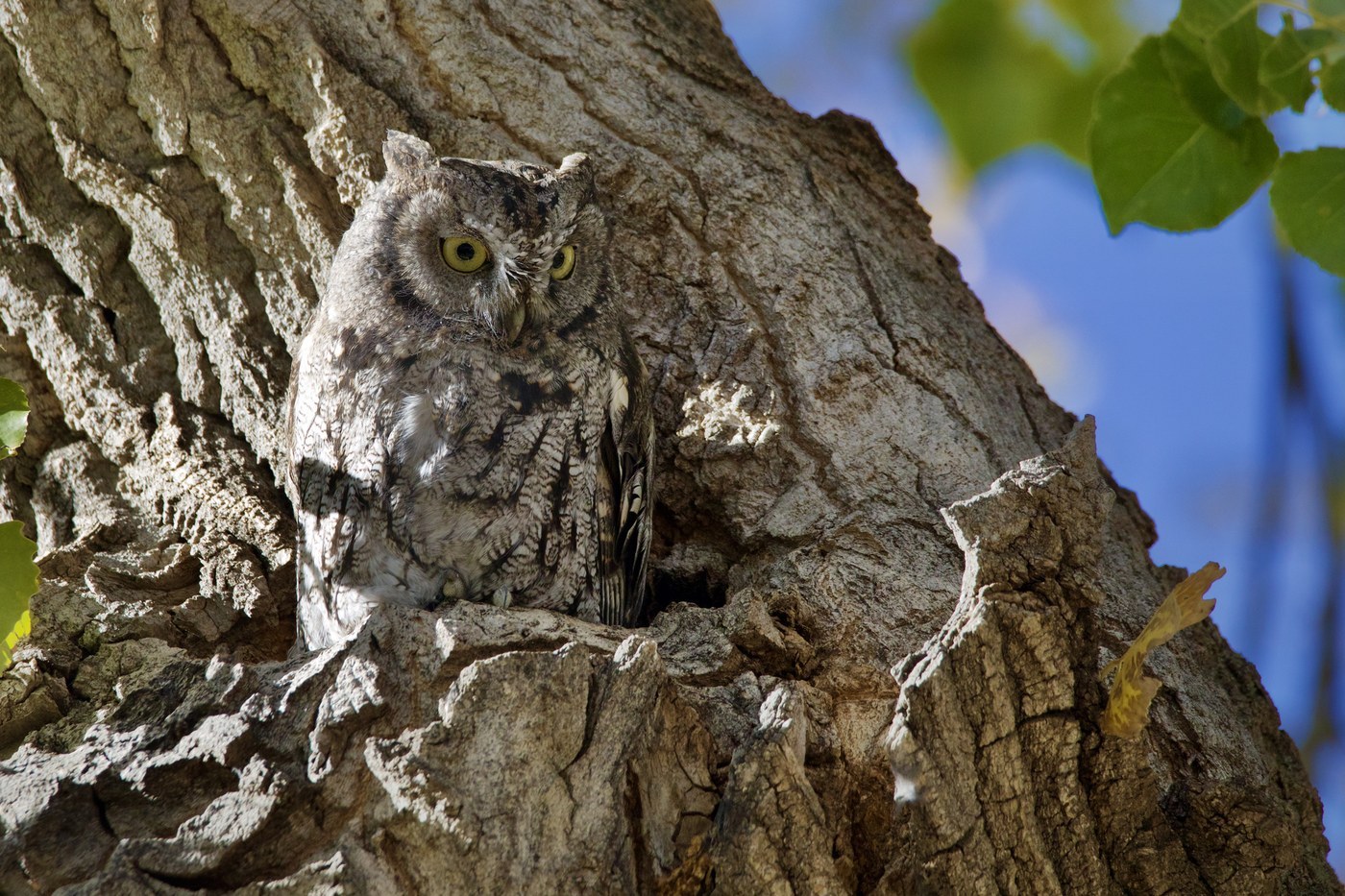
Western Screech-Owl
Small soft-fringed flight feathers; cryptic mottled/streaked body feathers; short ear tufts

White-faced Scops Owl
Small to medium flight feathers with a distinctive whitish facial disc and long ear-tuft plumes

Verreaux's Eagle-Owl
Very large flight and tail feathers; dense soft body plumage; broad ear-tuft feathers