
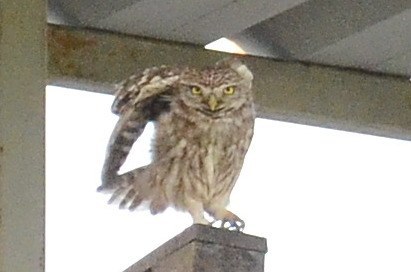
Little Owl
Athene noctua
A small, flat-headed owl whose boldly white-spotted brown feathers and habit of perching in daylight set it apart from Europe's other owls.
- Feather type
- Wing and body feathers
- Colours
- Brown ground color with bold white spotting and streaking
- Bird size
- Small owl, ~21-23 cm
Found a feather like this?
Identify any feather from a photo, free.
Overview
The Little Owl is a compact, often diurnal owl native to much of Europe, North Africa, and temperate Asia, and introduced successfully to Britain in the 19th century. Its small size and habit of perching openly on fence posts or barn roofs by day make it one of the more visible owl species.
Identifying the Feather
Little Owl feathers are noticeably small compared with other European owls, with a brown ground color heavily marked with bold white spots on the crown, back, and wing coverts, and white streaking on the underparts - much bolder and more contrasting spotting than the finer speckling of a Barn Owl or bark-like mottling of a Tawny Owl. The wings are short and rounded, and the flight feathers retain the soft fringed edge typical of owls, though the species flies with a more direct, undulating flight than its woodland relatives.
Plumage & Molt
Sexes are alike in plumage. Juveniles are duller with less distinct spotting that sharpens as feathers are replaced in the first molt. Adults undergo a single complete molt after breeding.
Habitat & Range
Little Owls favor open, lightly wooded farmland, orchards, and hedgerows with mature trees or old buildings offering cavities for nesting and roosting. The species is largely resident across its range in Europe, North Africa, and temperate Asia, showing little migratory movement.
Behavior & Field Notes
Unusually for an owl, the Little Owl is frequently active by day as well as at night, often seen perched upright on posts, walls, or low branches, bobbing its head when alert. It feeds on insects, earthworms, and small vertebrates, nests in cavities in trees, walls, or buildings, and gives a range of yelping and mewing calls.
Frequently asked questions
How do Little Owl feathers differ from Tawny Owl feathers?
Little Owl feathers show much bolder, cleaner white spots on a brown background, while Tawny Owl feathers show finer, bark-like mottling and streaking.
Why is the Little Owl often seen in daylight?
It is more diurnal than most owls, regularly perching and hunting in daylight hours, which is unrelated to feather structure but affects how often it is observed.
Are Little Owl feathers found in North America?
No, the species is native to Europe, North Africa, and temperate Asia and does not occur naturally in North America.
What habitat should I search for Little Owl feathers?
Open farmland with old trees, orchards, or stone structures offering cavities are the most likely places.
Little Owl guides
In-depth guides for identifying and understanding Little Owl.
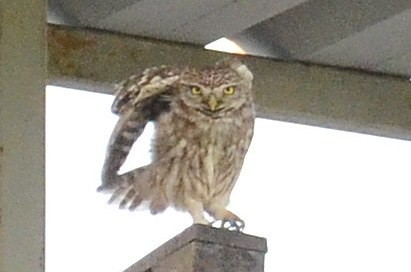
Little Owl identified by the community
Real feathers identified with Feather Identifier.

Other feathers you may enjoy

Tawny Owl
Wing (flight) and body (contour) feathers

Balsas Screech-Owl
Small ear-tuft feathers; soft, finely vermiculated body feathers

Blakiston's Fish Owl
Massive flight feathers with looser structure; shaggy body plumage; prominent ear-tuft feathers

Barn Owl
Wing and facial-disc feathers
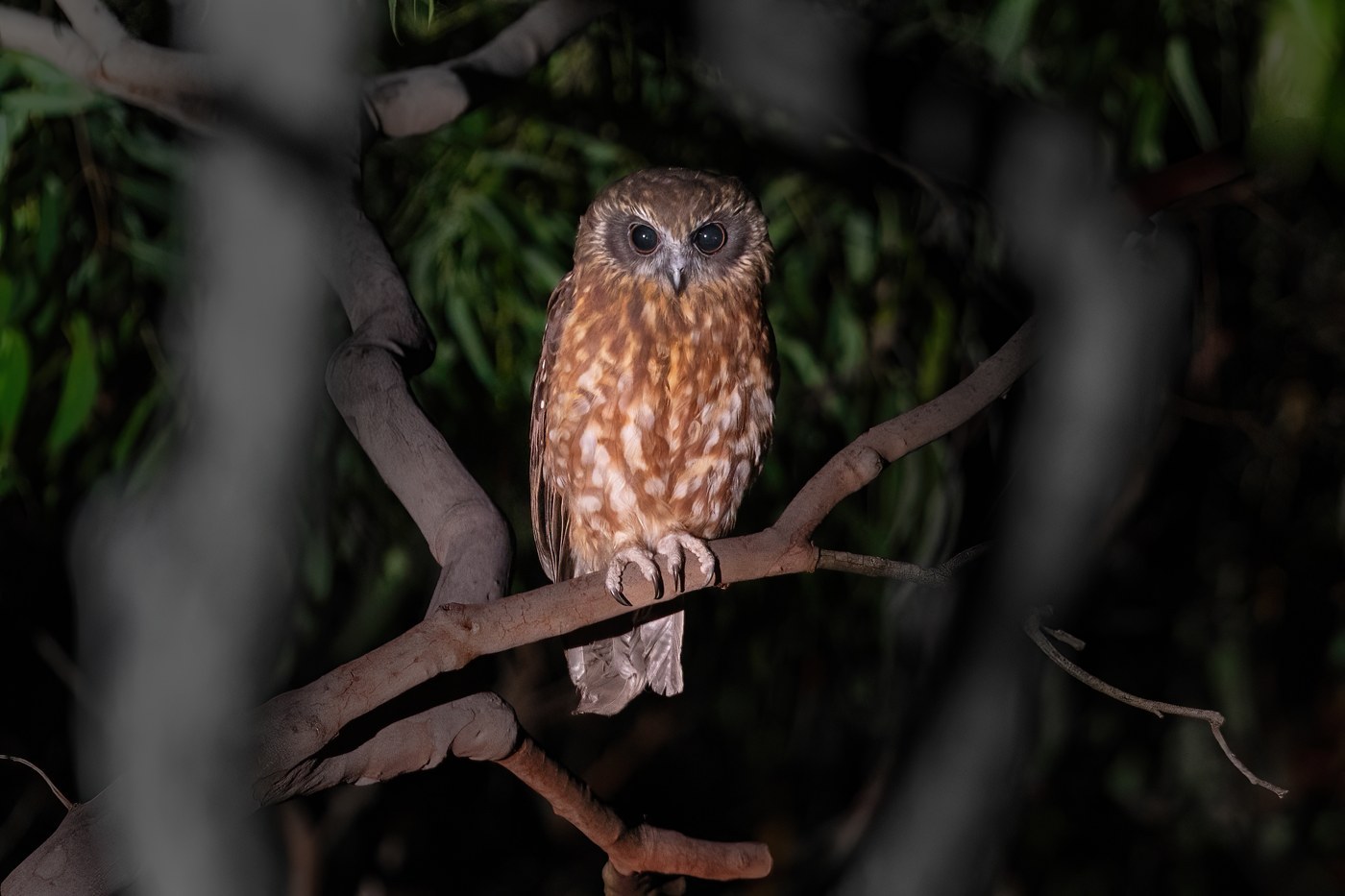
Southern Boobook
Rounded flight feathers; banded tail; spotted body plumage

Sooty Owl
Broad soft-edged flight feathers; heart-shaped facial disc feathers; finely speckled body plumage

Short-eared Owl
Broad soft-fringed flight feathers; streaked body feathers; tiny, rarely visible ear tufts

Stygian Owl
Dark, mottled flight and body feathers with long, closely-set ear tufts
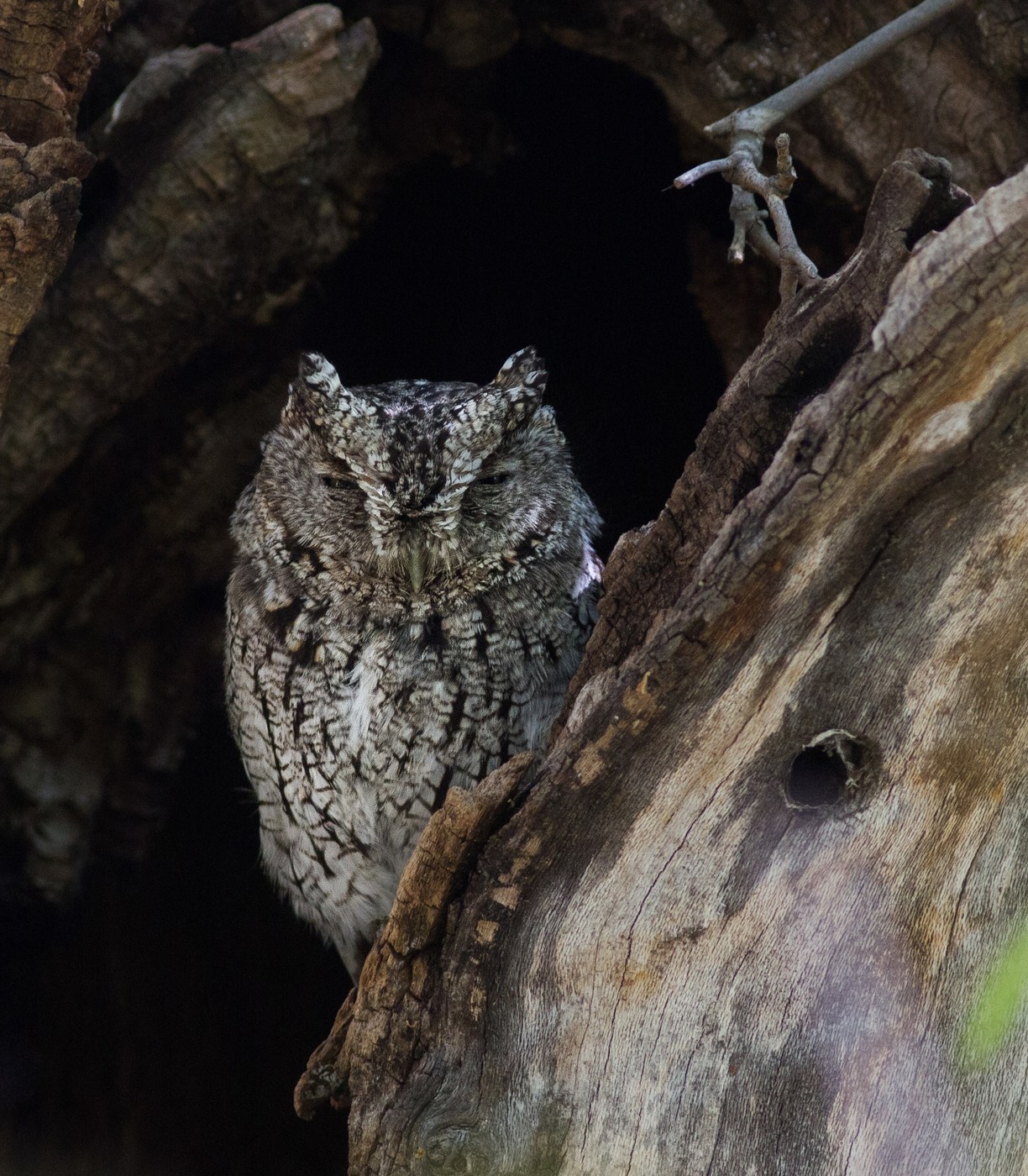
Whiskered Screech-Owl
Small soft-fringed flight feathers; finely mottled body feathers; short ear tufts
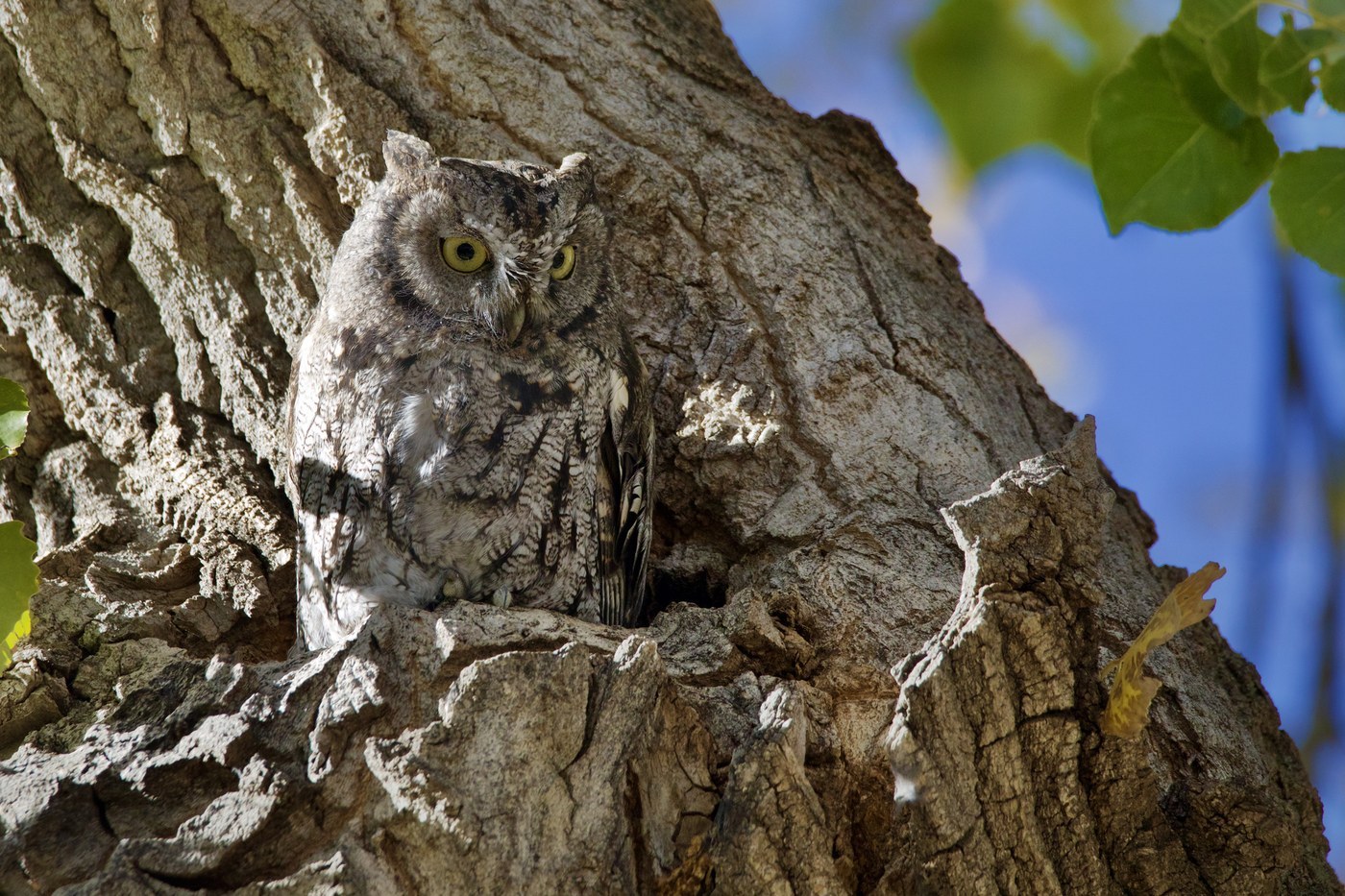
Western Screech-Owl
Small soft-fringed flight feathers; cryptic mottled/streaked body feathers; short ear tufts

White-faced Scops Owl
Small to medium flight feathers with a distinctive whitish facial disc and long ear-tuft plumes

Verreaux's Eagle-Owl
Very large flight and tail feathers; dense soft body plumage; broad ear-tuft feathers