

Sooty Owl
Tyto tenebricosa
A dark, striking barn-owl relative of Australian and New Guinean rainforest, its sooty gray-black feathers finely speckled with silvery white, unlike any other owl in its range.
- Feather type
- Broad soft-edged flight feathers; heart-shaped facial disc feathers; finely speckled body plumage
- Colours
- Sooty gray-black with fine silvery-white speckling
- Bird size
- Large, ~35-45 cm
Found a feather like this?
Identify any feather from a photo, free.
Overview
The Sooty Owl is a distinctive dark member of the barn owl family found in rainforest and wet eucalypt forest along the eastern Australian coast and in parts of New Guinea. Its deep sooty gray-black plumage, finely speckled with silvery white, sets it apart from all other owls sharing its range.
Like other Tyto owls it possesses a heart-shaped facial disc, though it is proportionally large and pale against the dark body plumage, giving the bird a striking appearance. It favors dense, wet forest with tall trees for nesting hollows and is considered a good indicator of high-quality, undisturbed forest habitat.
Its call is unusual among owls, often described as resembling a falling bomb, a distinctive descending whistled scream that carries well through dense forest.
Identifying the Feather
Size and shape
Large feathers from a bird 35-45 cm long, with the broad, soft-edged flight feathers typical of silent-flying barn owls, and a heart-shaped facial disc.
Color and pattern
- Ground color is deep sooty gray to blackish, notably darker than any other owl in its range.
- Feathers are finely marked with small silvery-white speckles, giving a frosted appearance.
- The facial disc is pale gray-white, contrasting strongly with the dark body.
- Shafts are dark gray.
Distinguishing from similar species
Compared to the Australian Masked Owl, Sooty Owl feathers are considerably darker and grayer, with fine silvery speckling rather than the browner tones and coarser white spotting of the masked owl. The overall sooty, frosted look is distinctive and not easily confused with any other Australian owl.
Plumage & Molt
Adults are deep sooty gray to blackish overall, finely speckled with silvery white, with a pale gray-white heart-shaped facial disc. Females tend to be darker and larger than males. Juveniles are paler and downier, gradually darkening with age. Molt follows breeding on an annual cycle typical of barn owls.
Habitat & Range
This species is restricted to rainforest and wet eucalypt forest along the eastern Australian coast from Queensland to Victoria, with a separate population in New Guinea. It is resident and closely tied to tall, structurally complex forest with abundant nesting hollows.
Behavior & Field Notes
Sooty Owls hunt small to medium mammals, particularly arboreal species such as gliders and possums, located using acute hearing in the darkness of dense forest. They nest in large tree hollows and depend on mature forest structure. The call is a distinctive descending whistled scream, often likened to a falling bomb, quite unlike the hoots of many other owls. When identifying a feather, look for the deep sooty gray-black ground color with fine silvery-white speckling, distinct from the browner tones of other barn owl relatives in the same region.
Frequently asked questions
What makes the Sooty Owl's plumage so distinctive?
Its deep sooty gray-black feathers, finely speckled with silvery white, are darker than any other owl sharing its rainforest range, making feather color a strong identification clue.
What does the Sooty Owl's call sound like?
It gives a distinctive descending whistled scream, often described as resembling a falling bomb, quite different from the typical hoots of many owls.
Where does the Sooty Owl live?
It is found in rainforest and wet eucalypt forest along the eastern Australian coast and in parts of New Guinea, favoring mature forest with large trees.
How does a Sooty Owl feather differ from an Australian Masked Owl feather?
Sooty Owl feathers are notably darker and grayer with fine silvery speckling, while Australian Masked Owl feathers tend to be browner with coarser white spotting.
Sooty Owl guides
In-depth guides for identifying and understanding Sooty Owl.

Other feathers you may enjoy

Tawny Owl
Wing (flight) and body (contour) feathers
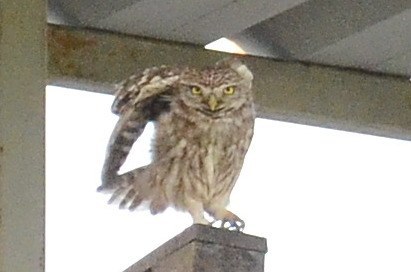
Little Owl
Wing and body feathers

Balsas Screech-Owl
Small ear-tuft feathers; soft, finely vermiculated body feathers

Blakiston's Fish Owl
Massive flight feathers with looser structure; shaggy body plumage; prominent ear-tuft feathers

Barn Owl
Wing and facial-disc feathers
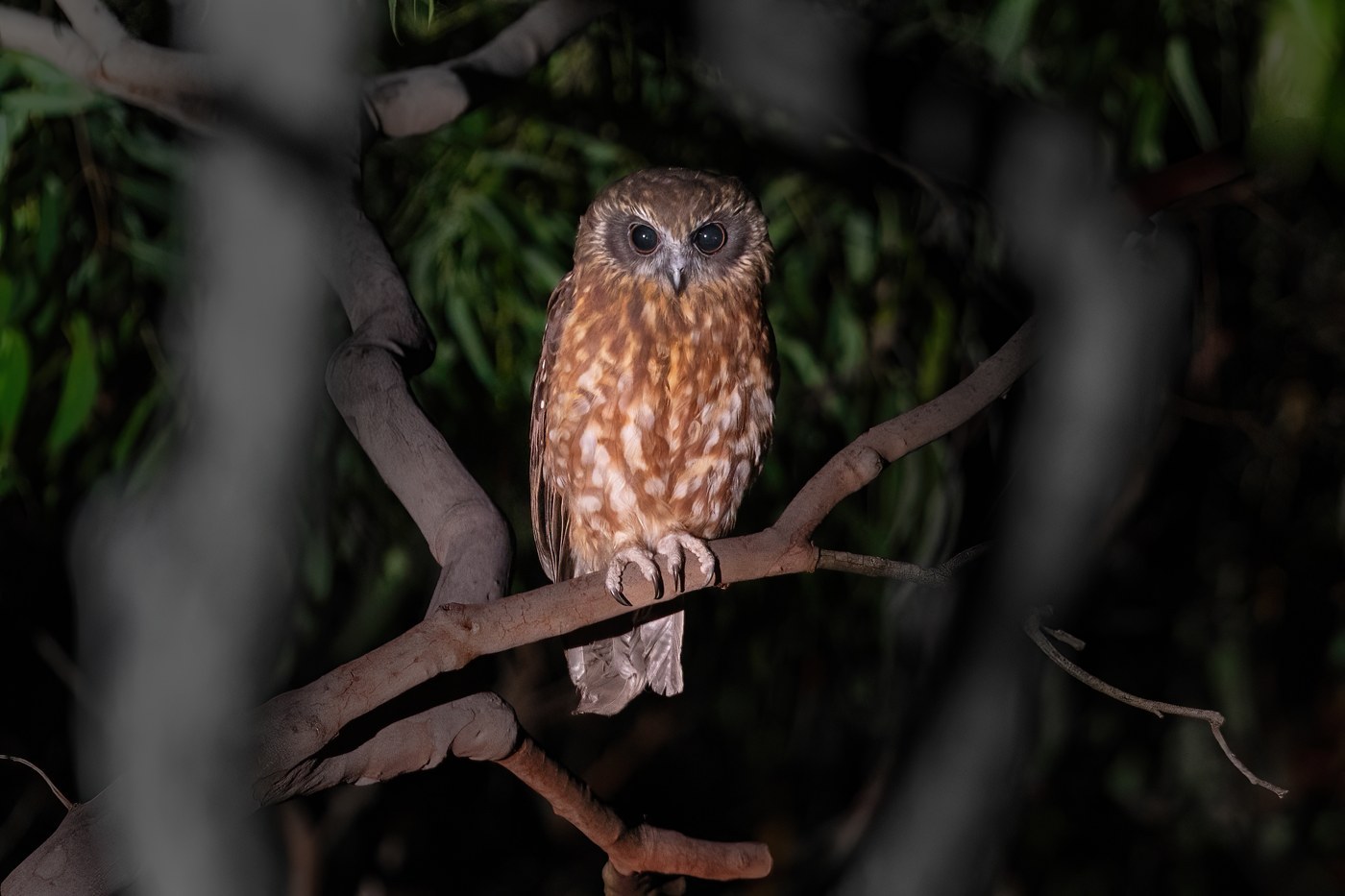
Southern Boobook
Rounded flight feathers; banded tail; spotted body plumage

Short-eared Owl
Broad soft-fringed flight feathers; streaked body feathers; tiny, rarely visible ear tufts

Stygian Owl
Dark, mottled flight and body feathers with long, closely-set ear tufts
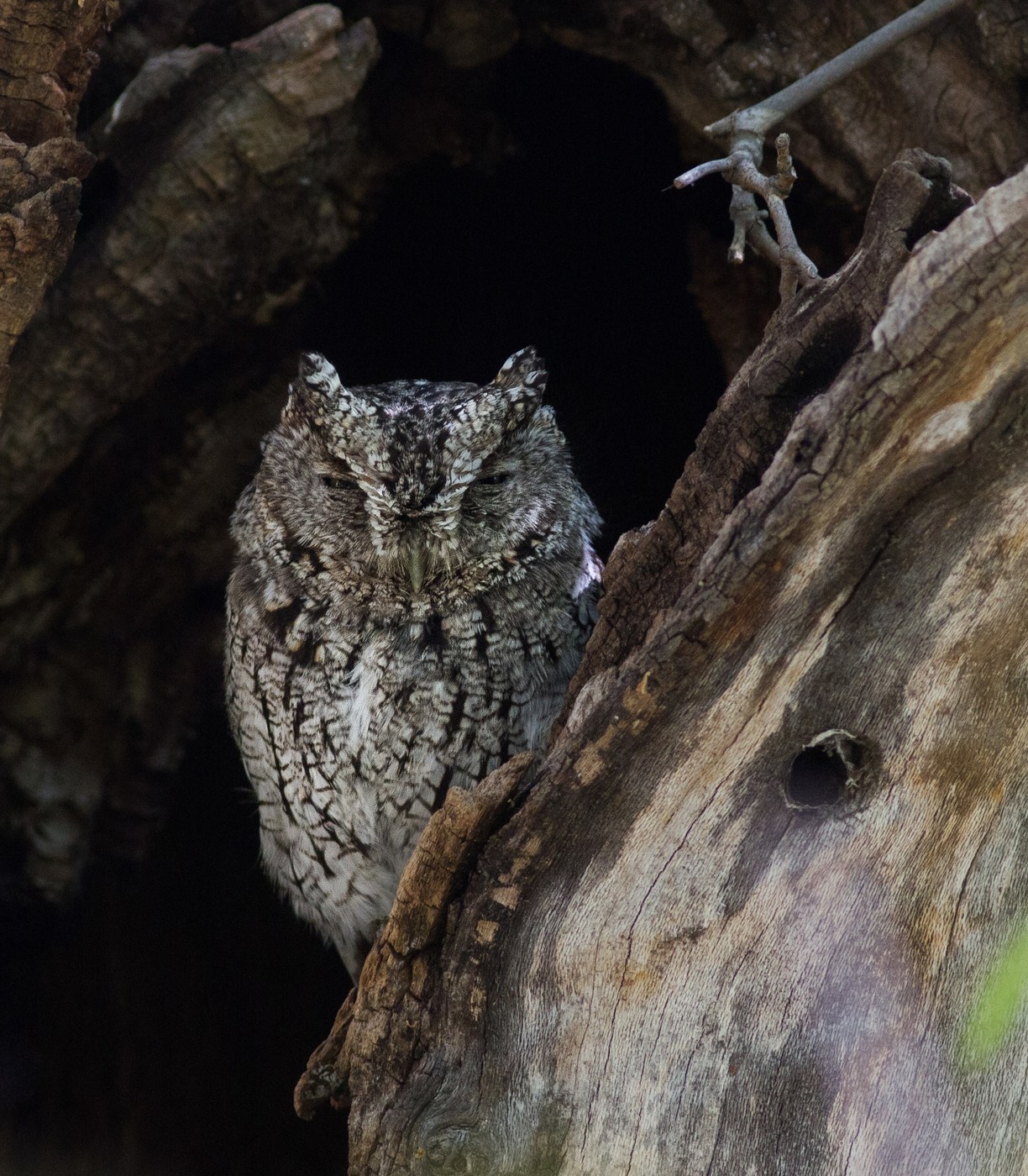
Whiskered Screech-Owl
Small soft-fringed flight feathers; finely mottled body feathers; short ear tufts
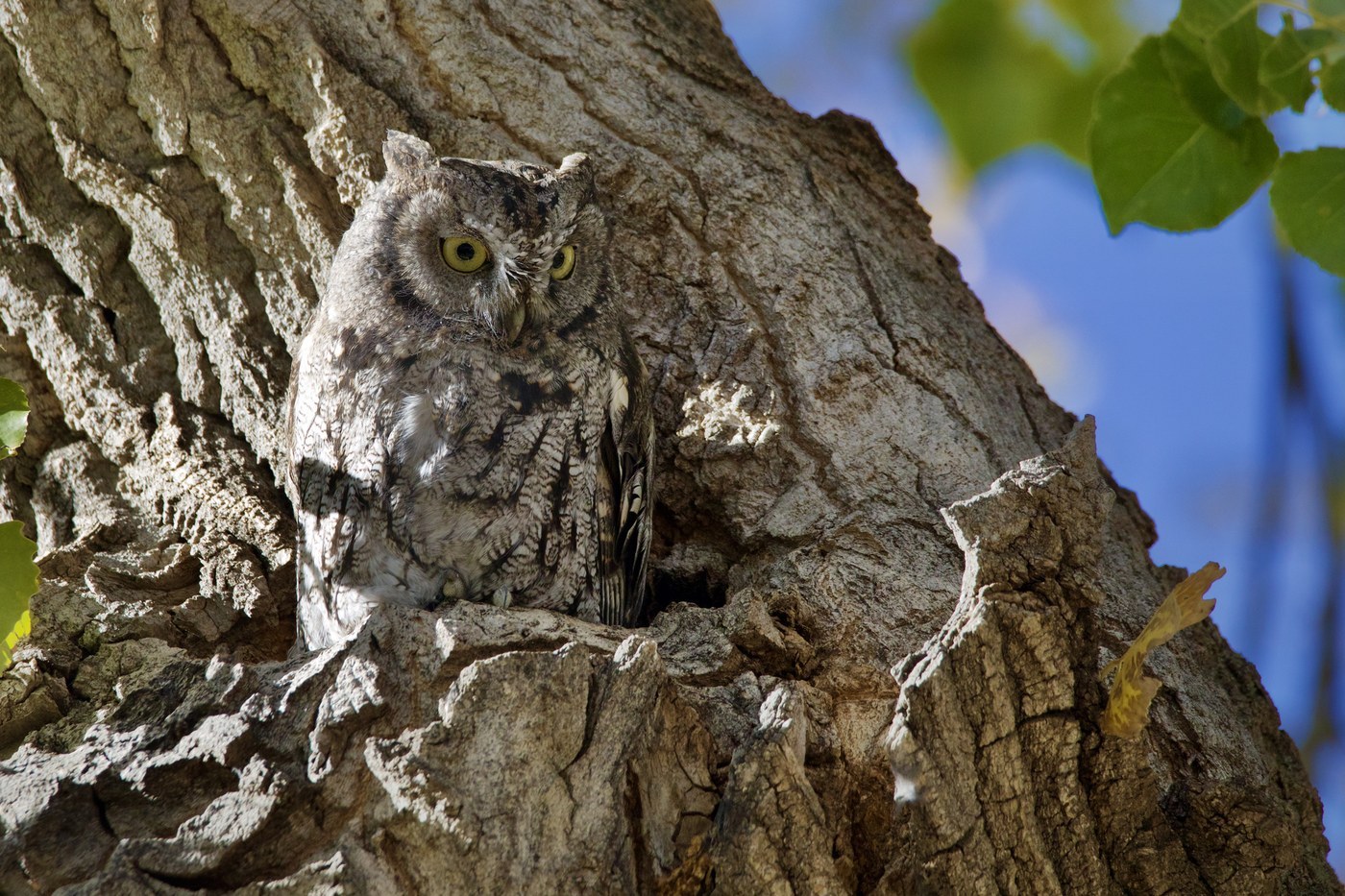
Western Screech-Owl
Small soft-fringed flight feathers; cryptic mottled/streaked body feathers; short ear tufts

White-faced Scops Owl
Small to medium flight feathers with a distinctive whitish facial disc and long ear-tuft plumes

Verreaux's Eagle-Owl
Very large flight and tail feathers; dense soft body plumage; broad ear-tuft feathers