

Rufous-legged Owl
Strix rufipes
The Rufous-legged Owl is a temperate-forest owl of Chile and Argentina named for the warm rufous feathering that covers its legs down to the toes.
- Feather type
- Barred flight and tail feathers; densely feathered legs and feet
- Colours
- Grey-brown upperparts with fine barring; warm rufous tones on the legs and lower underparts
- Bird size
- Medium-large, roughly 33-38 cm
Found a feather like this?
Identify any feather from a photo, free.
Overview
The Rufous-legged Owl inhabits the cool, humid Nothofagus (southern beech) and mixed evergreen forests of southern Chile and Argentina, including Patagonian woodlands. It is a mid-sized, tuftless owl closely related to the wood owls of the Northern Hemisphere.
Its common name comes from the rich rufous feathering that extends down its legs, a useful field mark that also shows up in shed feathers from the leg and lower body region.
Because it shares dense southern forest habitat with few other owl species, its combination of grey-brown barred body feathers and warm rufous leg feathering makes it fairly distinctive within its range.
Identifying the Feather
Shape and Size
Flight feathers are moderately broad with soft, fringed edges for quiet flight, typically 16-20 cm on primaries. Tail feathers show clear dark and pale barring.
Color and Pattern
- Back and wing feathers are grey-brown with narrow dark barring
- Underparts show buffy-white ground color with brown barring and streaking
- Leg feathers are notably warm rufous to orange-brown, densely covering the legs and feet
Shaft and Vane
Shafts are pale brown on body feathers, darker on flight feathers. Leg feathers are soft, dense, and downy, providing insulation in cold southern forests.
Distinguishing from Similar Species
The rufous leg feathering is the most reliable distinguishing trait, since few other owls in temperate South American forest show this warm coloration extending to the feet. Body feathers alone resemble other barred, grey-brown Strix owls.
Plumage & Molt
Adults are grey-brown above with fine dark barring, and paler buff-white below with brown streaks and bars. The most notable feature is the rufous feathering covering the legs and toes, contrasting with the cooler grey-brown tones of the body. The facial disc is pale grey-brown with a darker rim, and the eyes are dark.
Sexes look similar, with females somewhat larger. Juveniles are downier with less defined barring and paler leg coloration that intensifies with age. Adults molt once annually, typically after the breeding season.
Habitat & Range
This species is restricted to temperate forests of southern South America, particularly Nothofagus (southern beech) woodlands and mixed evergreen forest in Chile and adjacent Argentina, including parts of Patagonia and Tierra del Fuego.
It is a non-migratory resident, remaining in its forest habitat year-round, though it may shift to slightly lower elevations in the harshest winter conditions.
Behavior & Field Notes
The Rufous-legged Owl is nocturnal, roosting in dense forest foliage or tree cavities during the day. It hunts small mammals, birds, and large insects within and along the edges of southern beech forest.
It nests in tree hollows or old nests of other birds. Its call is a low series of hoots, often given at dusk. A grey-brown barred feather with warm rufous down found in Patagonian or Chilean temperate forest is a good clue to this species' presence.
Frequently asked questions
What is the easiest way to identify a Rufous-legged Owl feather?
Look for the combination of grey-brown barred body feathers with warm rufous-toned leg or lower-body down, which is unusual among owls in its range.
Where does this species live?
It is found only in temperate Nothofagus and mixed evergreen forests of southern Chile and Argentina.
Does it have ear tufts?
No, it has a rounded head typical of the genus Strix.
Is this owl migratory?
No, it is a year-round resident of its southern forest habitat.
Rufous-legged Owl guides
In-depth guides for identifying and understanding Rufous-legged Owl.

Other feathers you may enjoy

Tawny Owl
Wing (flight) and body (contour) feathers
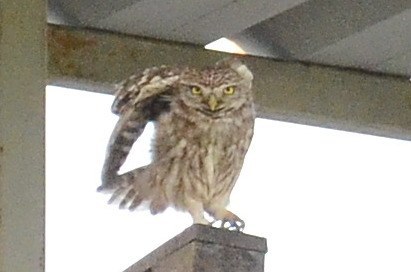
Little Owl
Wing and body feathers

Balsas Screech-Owl
Small ear-tuft feathers; soft, finely vermiculated body feathers

Blakiston's Fish Owl
Massive flight feathers with looser structure; shaggy body plumage; prominent ear-tuft feathers

Barn Owl
Wing and facial-disc feathers
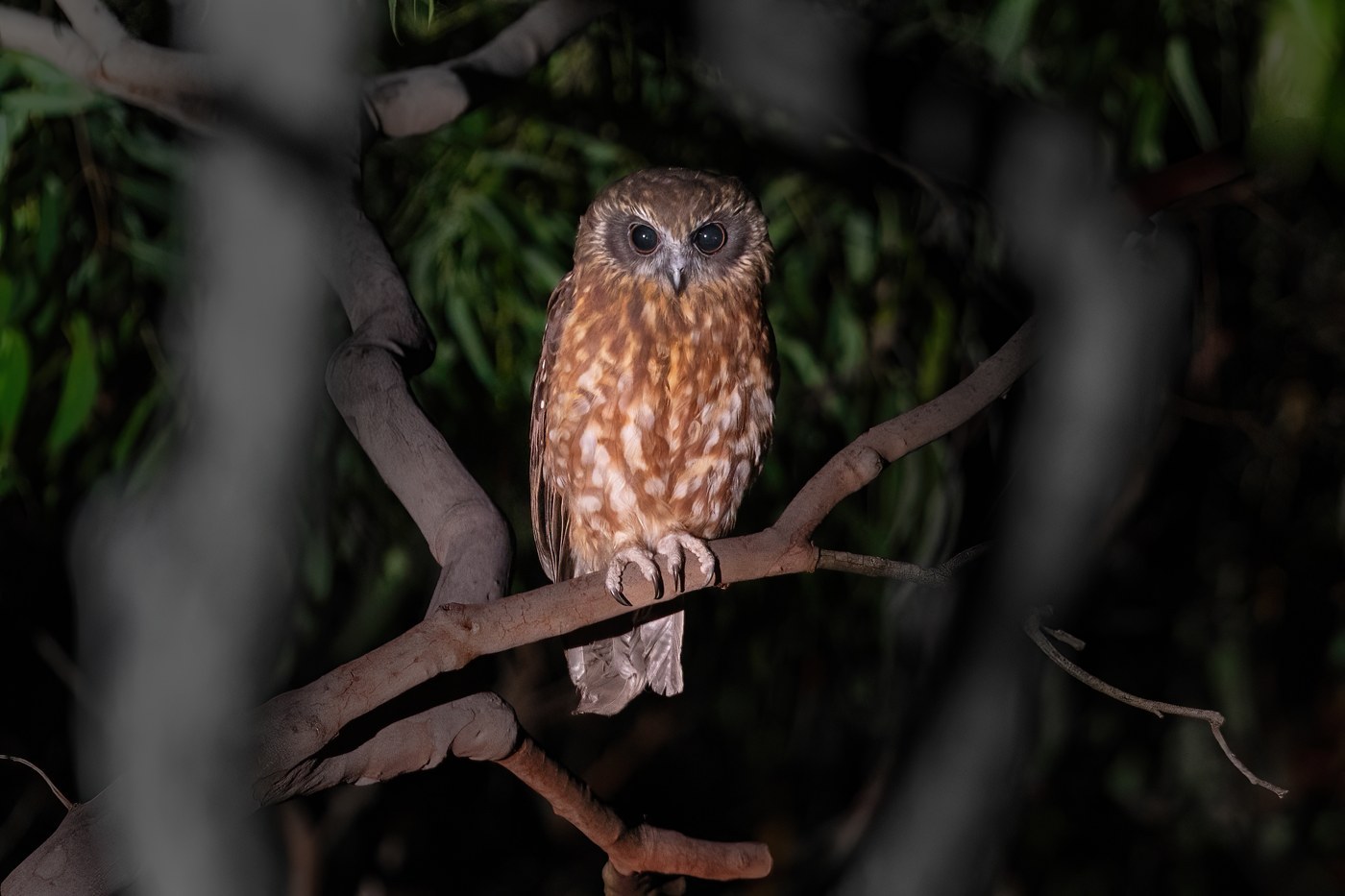
Southern Boobook
Rounded flight feathers; banded tail; spotted body plumage

Sooty Owl
Broad soft-edged flight feathers; heart-shaped facial disc feathers; finely speckled body plumage

Short-eared Owl
Broad soft-fringed flight feathers; streaked body feathers; tiny, rarely visible ear tufts

Stygian Owl
Dark, mottled flight and body feathers with long, closely-set ear tufts
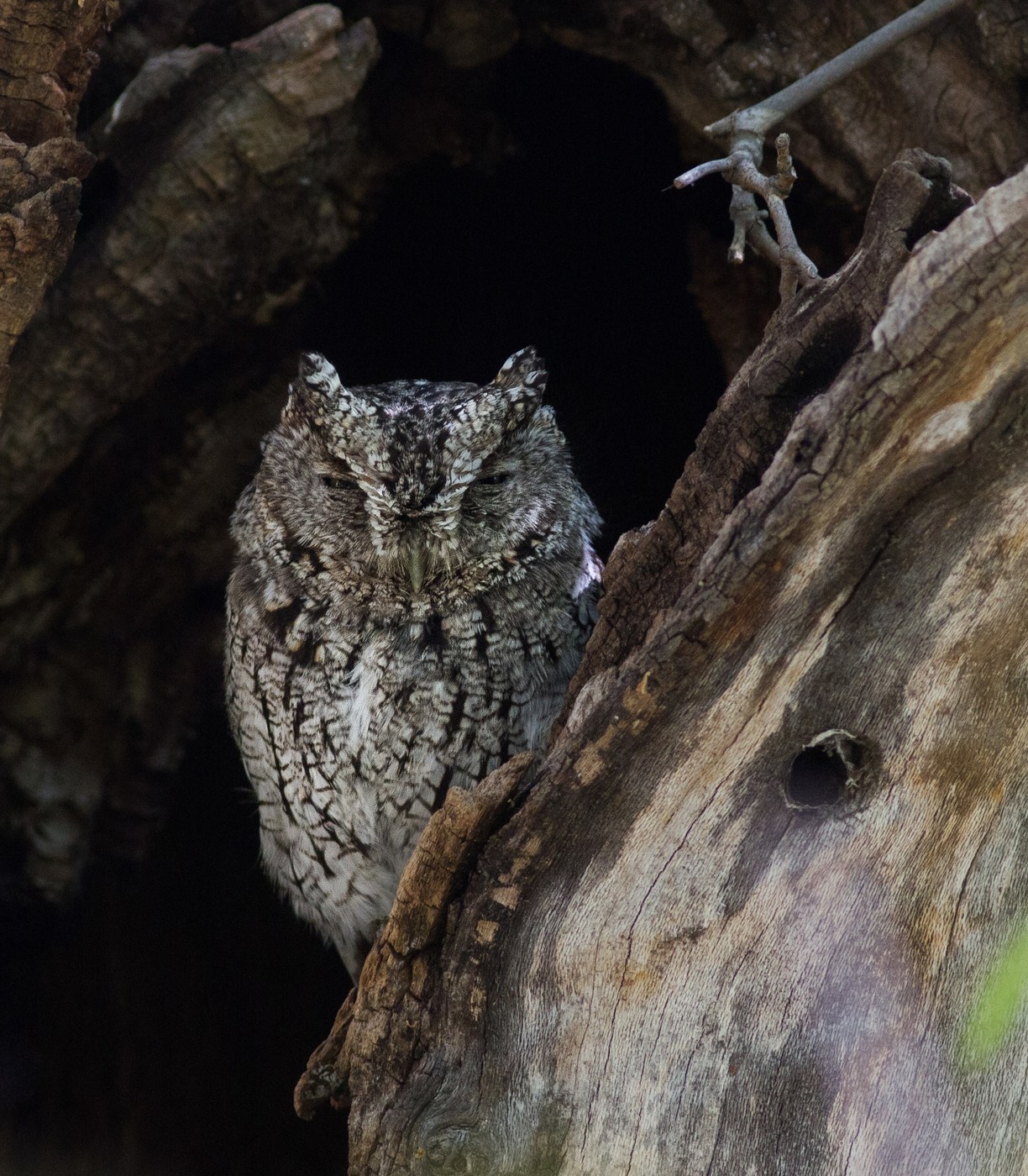
Whiskered Screech-Owl
Small soft-fringed flight feathers; finely mottled body feathers; short ear tufts
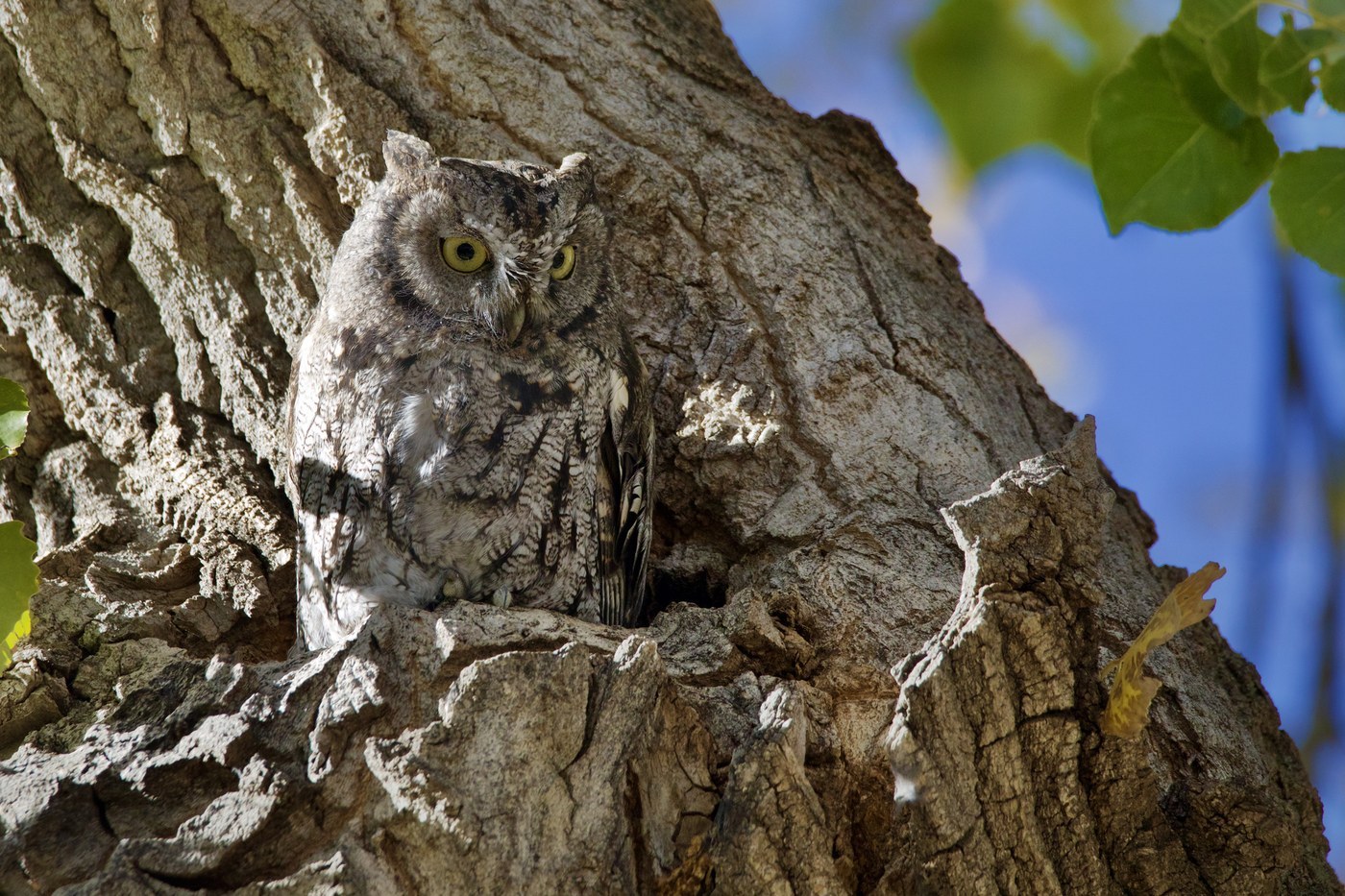
Western Screech-Owl
Small soft-fringed flight feathers; cryptic mottled/streaked body feathers; short ear tufts

White-faced Scops Owl
Small to medium flight feathers with a distinctive whitish facial disc and long ear-tuft plumes