
Philippine Eagle
Pithecophaga jefferyi
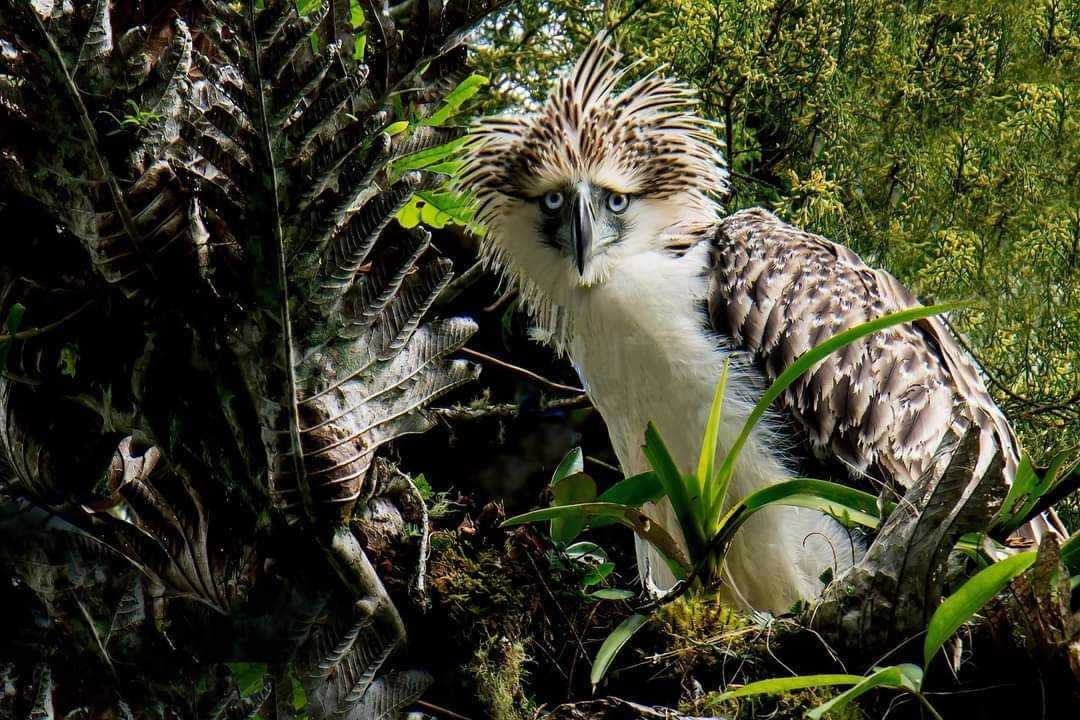
The Philippine Eagle is a huge forest eagle with brown upperparts, creamy-white underparts, and a shaggy crest of long brown-and-cream feathers that it raises when alert.
- Feather type
- Broad rounded wings; long broad tail; long lance-shaped nape feathers forming a shaggy crest
- Colours
- Dark brown upperparts with pale feather edges; creamy-white underparts; brown-and-cream shaggy crest feathers
- Bird size
- One of the largest eagles in the world, ~86-102 cm, with a wingspan around 2 m
Found a feather like this?
Identify any feather from a photo, free.
Overview
Philippine Eagle
The Philippine Eagle, sometimes called the Monkey-eating Eagle, is one of the largest and rarest eagles in the world, found only in old-growth forest on a handful of islands in the Philippines. Its imposing size and shaggy, lion-like crest of long nape feathers make it one of the most visually distinctive raptors globally.
As a forest-dependent apex predator with a very restricted range, encountering its feathers is unusual, and the species is a flagship for tropical forest conservation across its island range.
Identifying the Feather
Identifying Philippine Eagle Feathers
- Primaries/secondaries: broad and rounded, dark brown above, paler and finely barred on the underside, built for maneuvering within forest rather than fast soaring.
- Tail feathers: long, broad, brown with narrower darker banding.
- Body feathers: underparts feathers are creamy-white to buff, contrasting with dark brown upperpart feathers edged in a paler tone.
- Crest/nape feathers: elongated, narrow, brown-and-cream feathers forming a distinctive shaggy crest that the bird raises when excited.
- Given the species' restricted range, any large brown-and-cream feather with this shaggy crest structure found within its island forests is a strong candidate, as no other regional raptor shares this specific crest feather shape.
Plumage & Molt
Plumage
Adults have a pale, cream-colored face and crown feathers grading into a shaggy crest of brown-tipped nape feathers, dark brown upperparts with pale feather margins, and creamy-white underparts. Juveniles resemble adults fairly closely but with slightly buffier tones that sharpen with age. Sexes look alike, females notably larger. As a very large eagle, molt is slow and gradual across multiple years.
Habitat & Range
Habitat & Range
Endemic to the Philippines, found only in remaining tracts of old-growth and mature secondary rainforest, mostly on steep terrain on the islands of Luzon, Samar, Leyte, and Mindanao. Entirely resident, restricted by its dependence on large areas of intact forest.
Behavior & Field Notes
Behavior & Field Notes
The Philippine Eagle hunts within the forest canopy and understory, taking a range of forest mammals and other vertebrates using powerful flight and grip. Pairs build large stick nests high in emergent forest trees and have very long breeding cycles, raising only a single chick every other year. Calls include loud, high-pitched whistles. Because of its extreme rarity and habitat specificity, any feather resembling this species should be considered within the context of the Philippines' remaining old-growth forest strongholds.
Frequently asked questions
Why is the Philippine Eagle's crest distinctive?
It is formed of long, narrow, brown-and-cream nape feathers that the bird raises into a shaggy, mane-like crest, a feature not shared by other raptors within its range.
Where is this species found?
It is endemic to the Philippines, restricted to remaining old-growth and mature rainforest on the islands of Luzon, Samar, Leyte, and Mindanao.
How big are this eagle's feathers compared to other raptors?
As one of the largest eagles in the world, its flight and tail feathers are correspondingly very large, though broader and more rounded than those of open-country soaring eagles.
Is the Philippine Eagle migratory?
No, it is entirely resident, remaining within its forested home range throughout the year due to its strong dependence on large tracts of intact forest.
Philippine Eagle guides
In-depth guides for identifying and understanding Philippine Eagle.
Other feathers you may enjoy

Australian Hobby
Long, narrow pointed flight feathers; slender tail feathers

California Condor
Massive flight feathers; long broad primaries; large tail feathers

Brown Falcon
Broad, rounded flight feathers; variable-toned contour feathers
Secretarybird
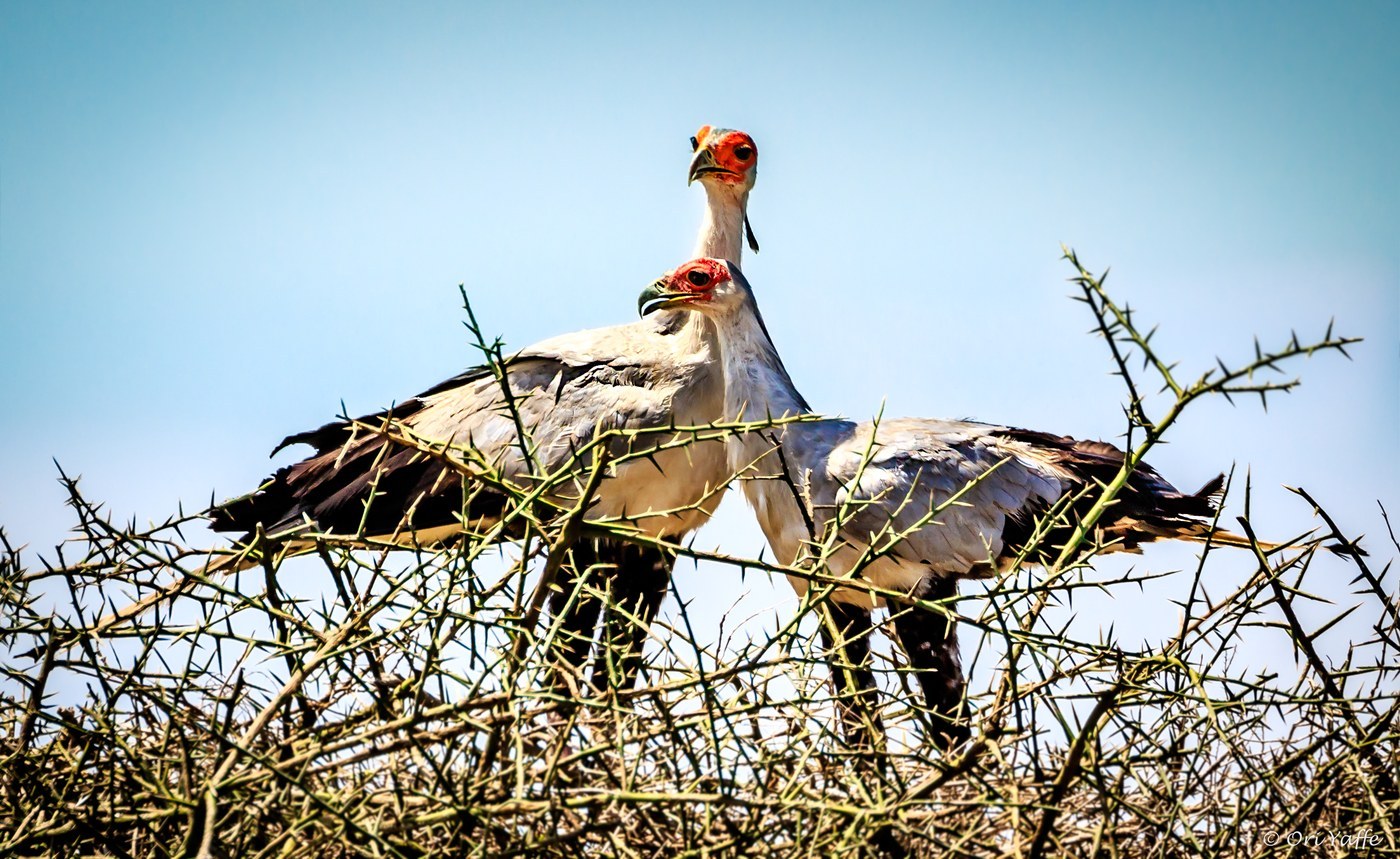
Long crest feathers; broad flight feathers; elongated central tail feathers

Orange-breasted Falcon
Broad-based pointed flight feathers; bold breast and belly feathers
African Fish Eagle
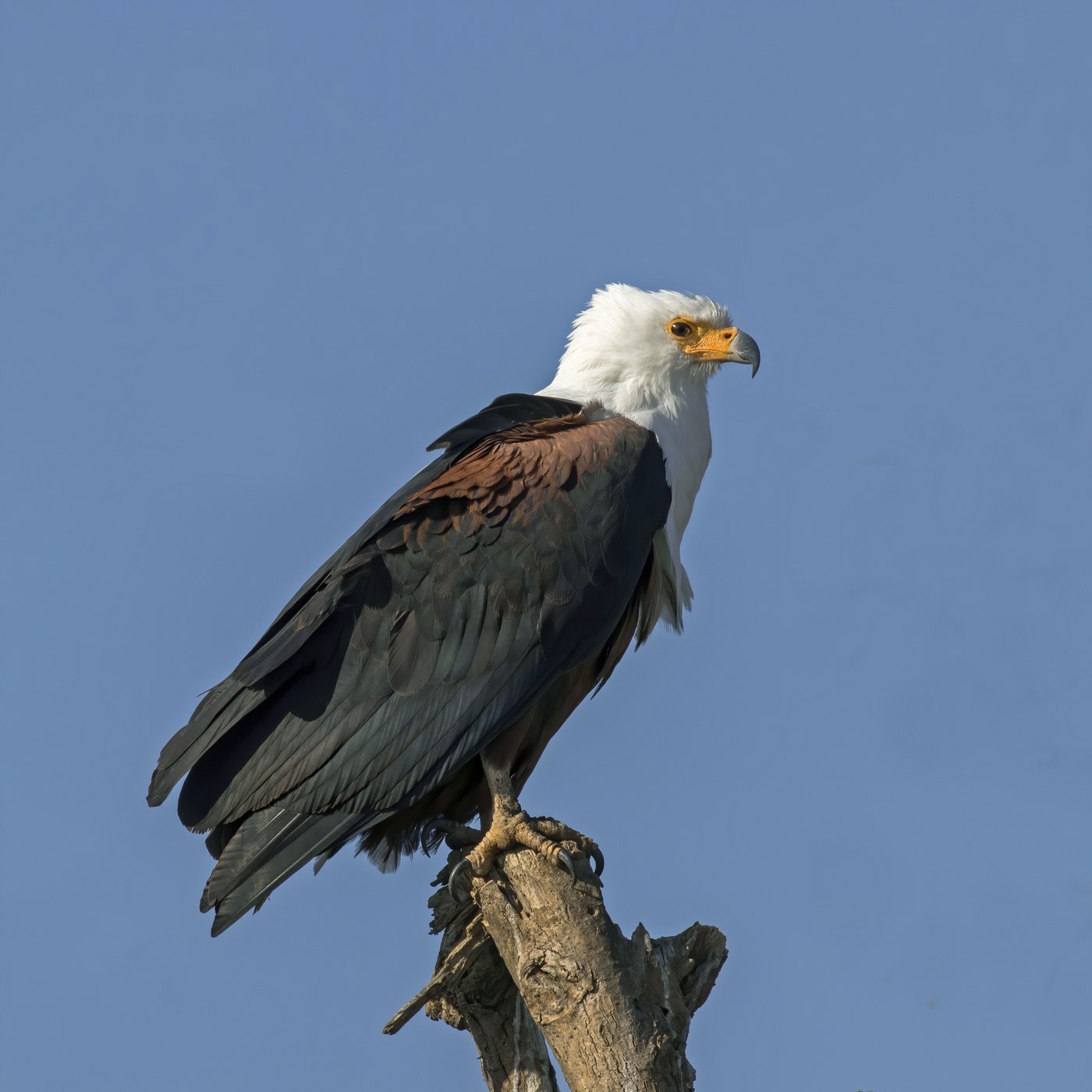
Flight, tail, and body feathers

Amur Falcon
Slender pointed flight feathers; soft slate or orange-buff contour feathers
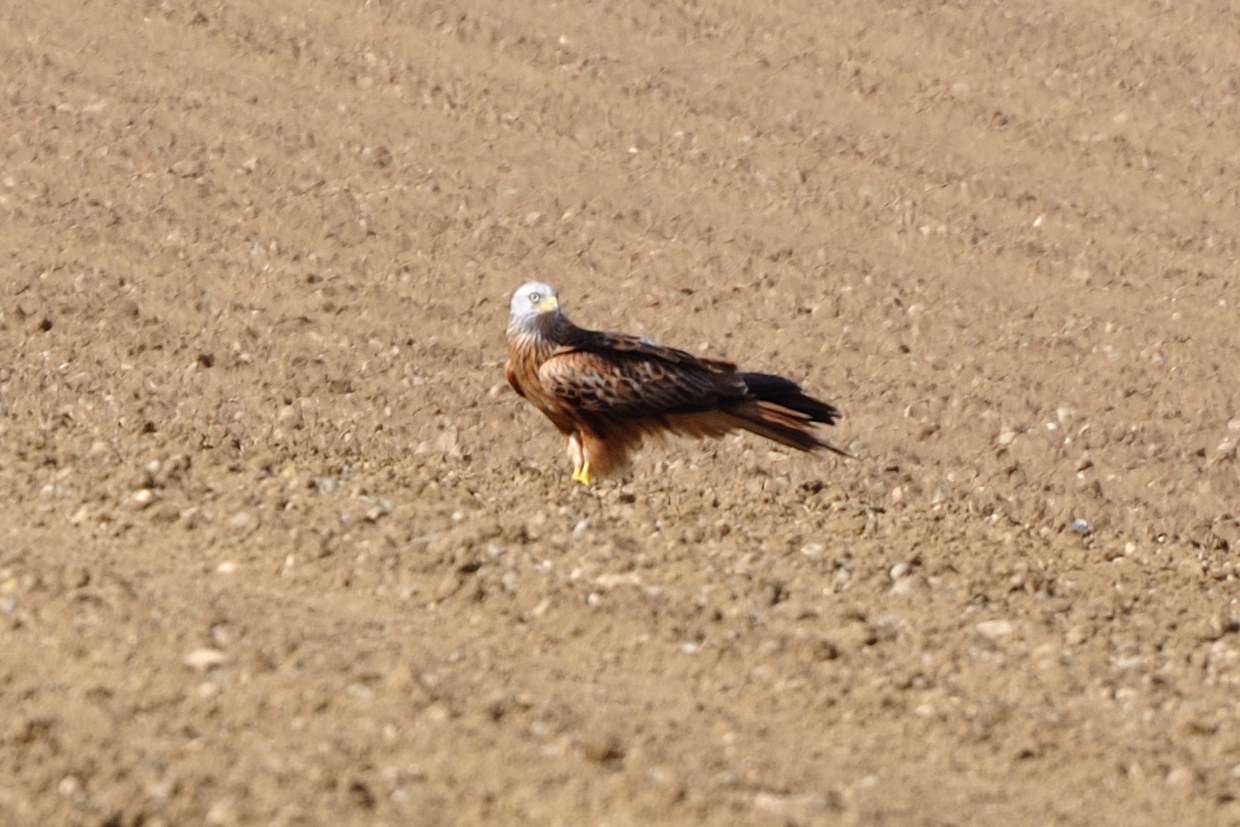
Red Kite
Flight (wing) and tail feathers
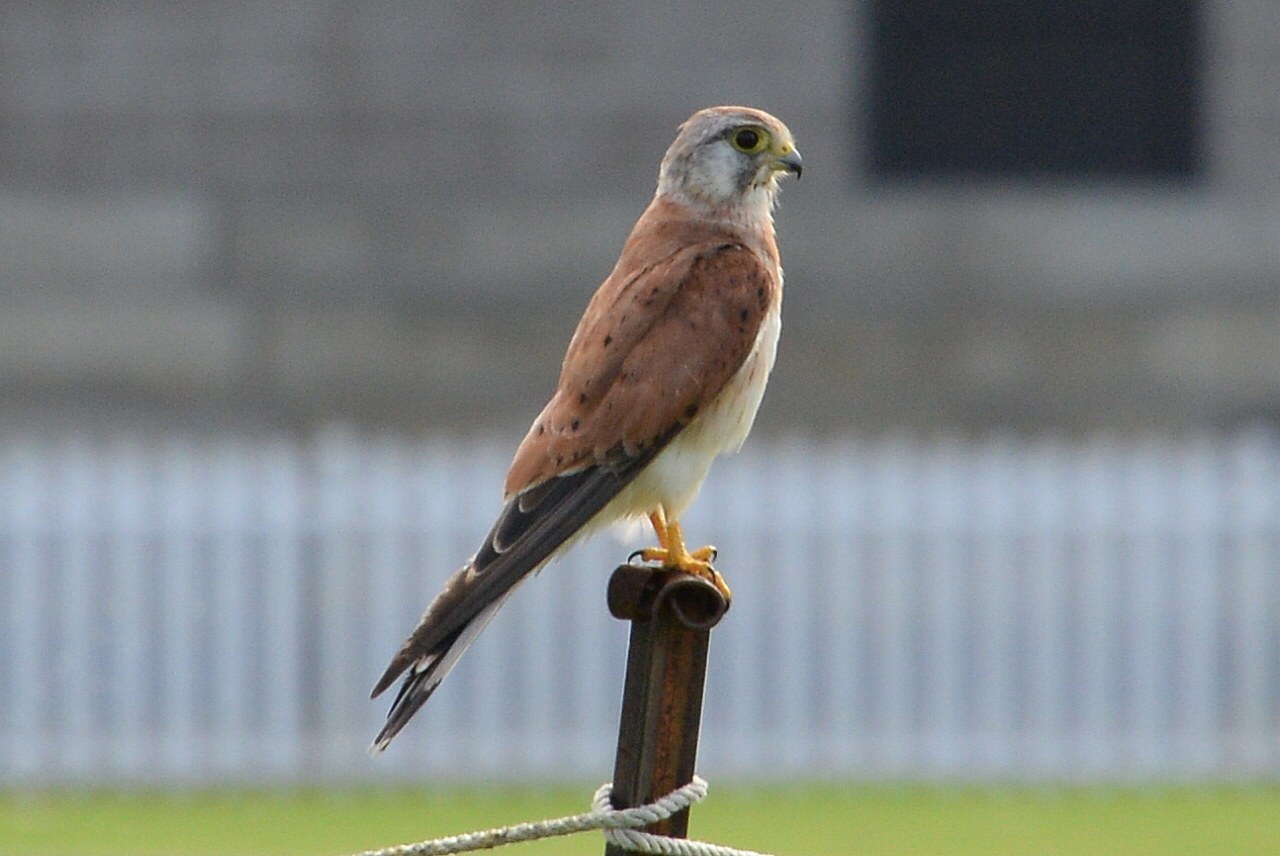
Nankeen Kestrel
Slim pointed flight feathers; lightly marked contour feathers

Andean Condor
Massive flight feathers; broad primaries and secondaries; sturdy tail feathers

Plumbeous Forest Falcon
Short rounded flight feathers; finely barred tail feathers

Sooty Falcon
Long pointed flight feathers; slim tail feathers