

Mottled Owl
Strix virgata
A medium-sized, ear-tuftless wood owl of Neotropical forest, its feathers finely mottled in dark and pale brown, with whitish eyebrows and buffy, streaked underparts.
- Feather type
- Broad rounded flight feathers; mottled body plumage; no ear tufts
- Colours
- Mottled dark and pale brown with whitish eyebrows and buffy, streaked underparts
- Bird size
- Medium, ~30-36 cm
Found a feather like this?
Identify any feather from a photo, free.
Overview
The Mottled Owl is a widespread and adaptable wood owl found from Mexico through Central America and much of South America, occupying tropical forest, forest edges, and even plantations and gardens with sufficient tree cover. Unlike eagle-owls, it lacks ear tufts, giving it a rounded head profile typical of true wood owls in the genus Strix.
Its mottled dark-and-pale brown plumage provides effective camouflage while roosting in dense foliage by day, and its dark eyes and whitish eyebrow markings give it an alert, expressive facial appearance. It is one of the more frequently encountered forest owls across its range due to its tolerance of disturbed and edge habitats.
Its feathers are moderately sized and softly patterned, useful for distinguishing this species from the bolder-patterned Black-and-white Owl found in overlapping parts of its range.
Identifying the Feather
Size and shape
Medium feathers from a bird 30-36 cm long, with broad, rounded flight feathers and no ear-tuft feathers, typical of Strix wood owls.
Color and pattern
- Ground color is a fine mottled mix of dark and pale brown, without bold, contrasting patches.
- Whitish eyebrow markings are present around the face.
- Underparts are buffy, marked with dark streaking and fine barring.
- Shafts are pale brown.
Distinguishing from similar species
Compared to the Black-and-white Owl, which can share habitat, Mottled Owl feathers show a soft, blended brown mottling rather than crisp black-and-white barring, and are overall duller and less strongly patterned.
Plumage & Molt
Adults show fine mottled dark and pale brown upperparts with whitish eyebrow markings, and buffy underparts marked with dark streaking and barring. Sexes look alike. Juveniles are paler and downier with less defined mottling. Molt follows breeding on an annual cycle.
Habitat & Range
This species is found from Mexico through Central America and much of South America, occupying tropical forest, forest edges, secondary growth, and plantations with adequate tree cover. It is generally resident, tolerating a range of forest disturbance levels.
Behavior & Field Notes
Mottled Owls hunt insects, small mammals, and other small vertebrates at night from perches within or at the edge of forest. They roost by day in dense foliage, relying on camouflage rather than concealment in cavities. The call is a series of low hoots, often given in a stuttering or accelerating pattern. Nests are placed in tree cavities or old nests of other birds. When identifying a feather, look for fine mottled dark-and-pale brown patterning, whitish eyebrow markings, and buffy, streaked underparts, without any ear-tuft feathers.
Frequently asked questions
Does the Mottled Owl have ear tufts?
No, like other members of the genus Strix, it lacks ear tufts and has a rounded head profile.
How can I tell a Mottled Owl feather from a Black-and-white Owl feather?
Mottled Owl feathers show soft, blended dark-and-pale brown mottling, while Black-and-white Owl feathers show crisp, high-contrast black-and-white barring.
What habitats does the Mottled Owl use?
It is found in tropical forest, forest edges, secondary growth, and even plantations and gardens with sufficient tree cover from Mexico through much of South America.
What does the Mottled Owl's call sound like?
It gives a series of low hoots, often delivered in a stuttering or accelerating pattern, distinct from single deep hoots.
Mottled Owl guides
In-depth guides for identifying and understanding Mottled Owl.

Other feathers you may enjoy

Tawny Owl
Wing (flight) and body (contour) feathers
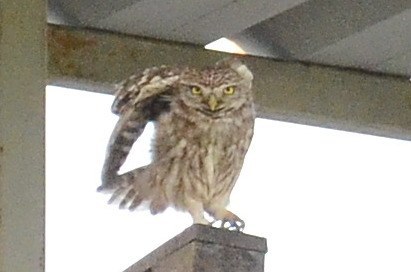
Little Owl
Wing and body feathers

Balsas Screech-Owl
Small ear-tuft feathers; soft, finely vermiculated body feathers

Blakiston's Fish Owl
Massive flight feathers with looser structure; shaggy body plumage; prominent ear-tuft feathers

Barn Owl
Wing and facial-disc feathers
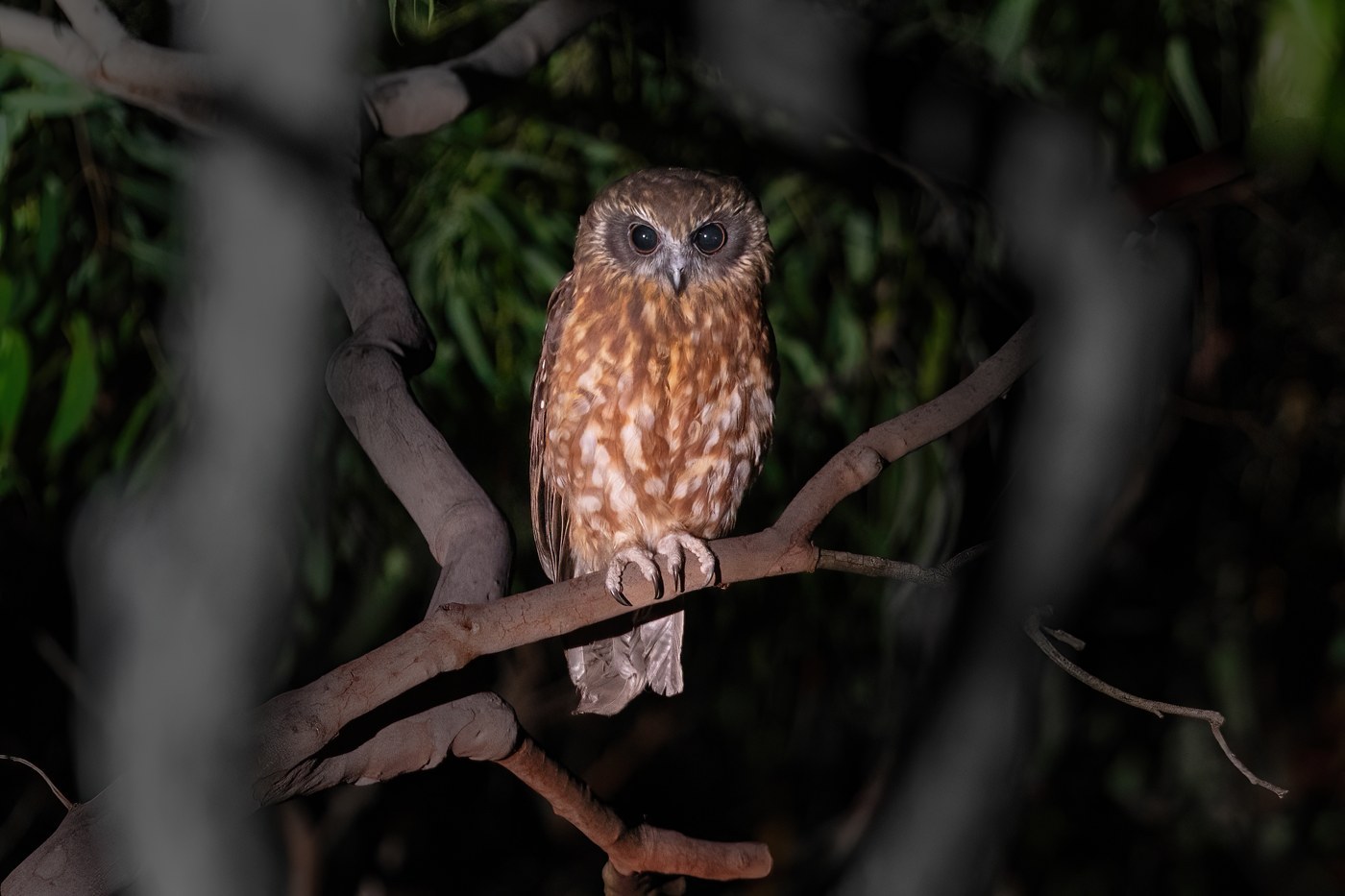
Southern Boobook
Rounded flight feathers; banded tail; spotted body plumage

Sooty Owl
Broad soft-edged flight feathers; heart-shaped facial disc feathers; finely speckled body plumage

Short-eared Owl
Broad soft-fringed flight feathers; streaked body feathers; tiny, rarely visible ear tufts

Stygian Owl
Dark, mottled flight and body feathers with long, closely-set ear tufts
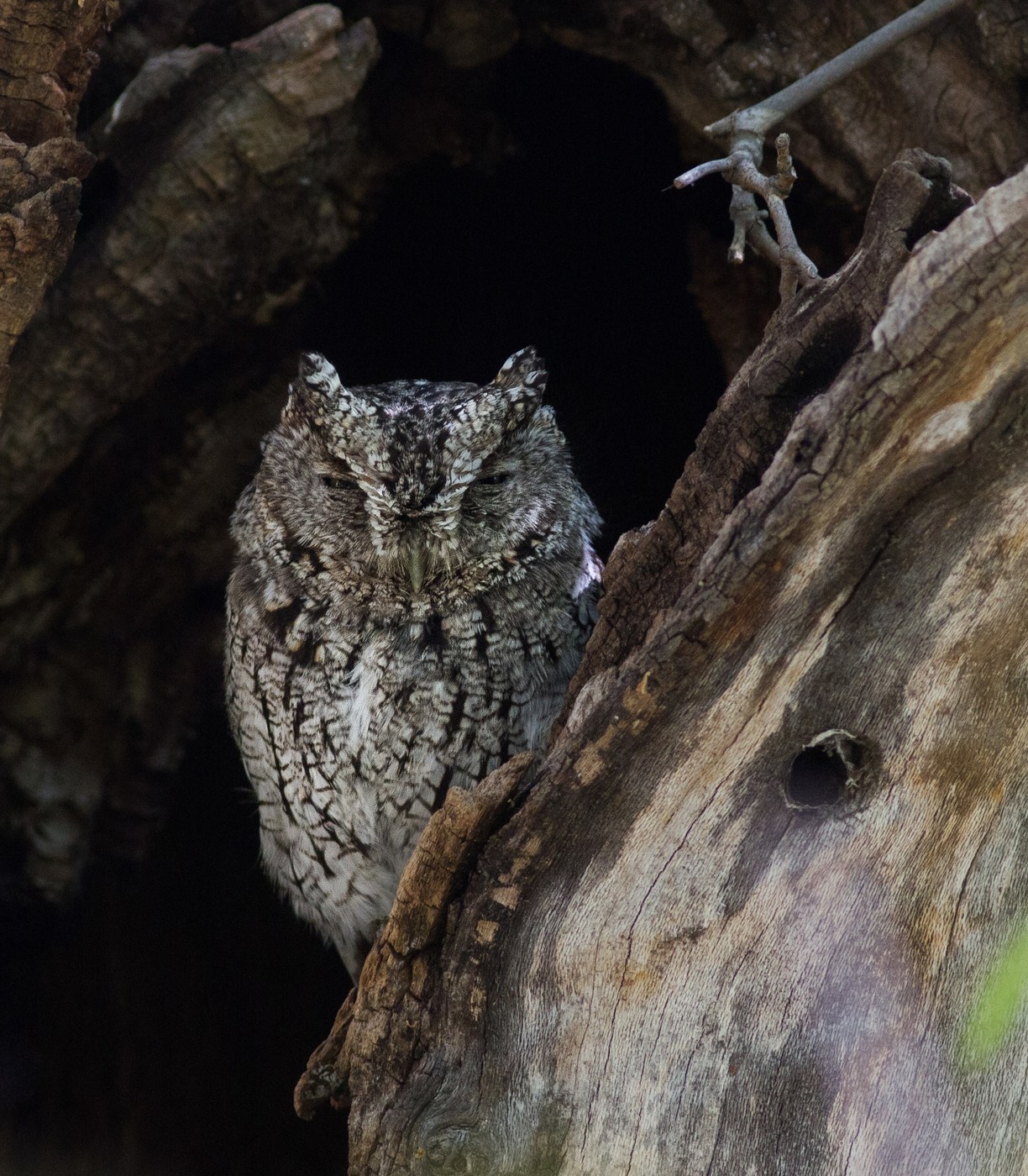
Whiskered Screech-Owl
Small soft-fringed flight feathers; finely mottled body feathers; short ear tufts
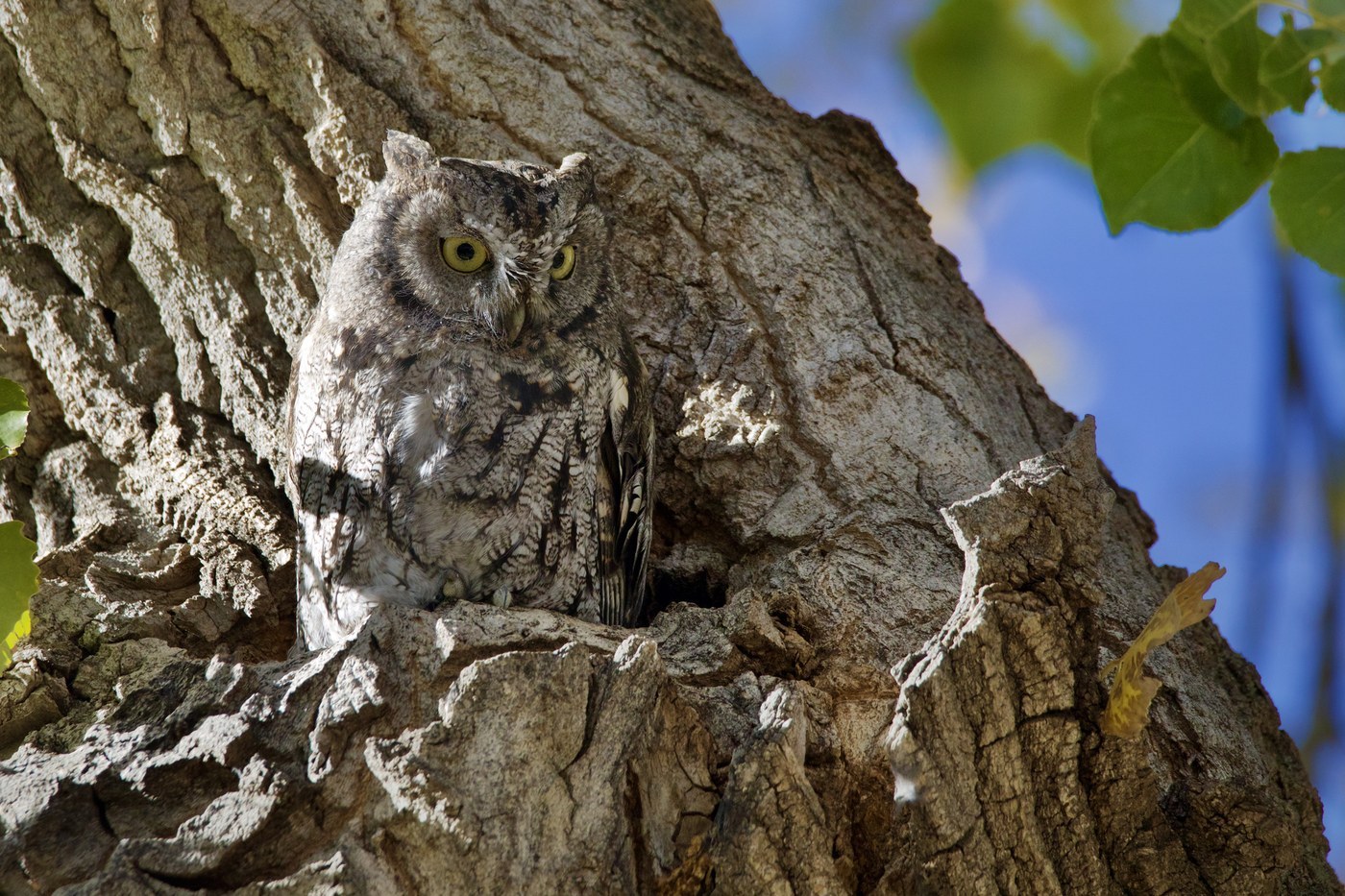
Western Screech-Owl
Small soft-fringed flight feathers; cryptic mottled/streaked body feathers; short ear tufts

White-faced Scops Owl
Small to medium flight feathers with a distinctive whitish facial disc and long ear-tuft plumes