
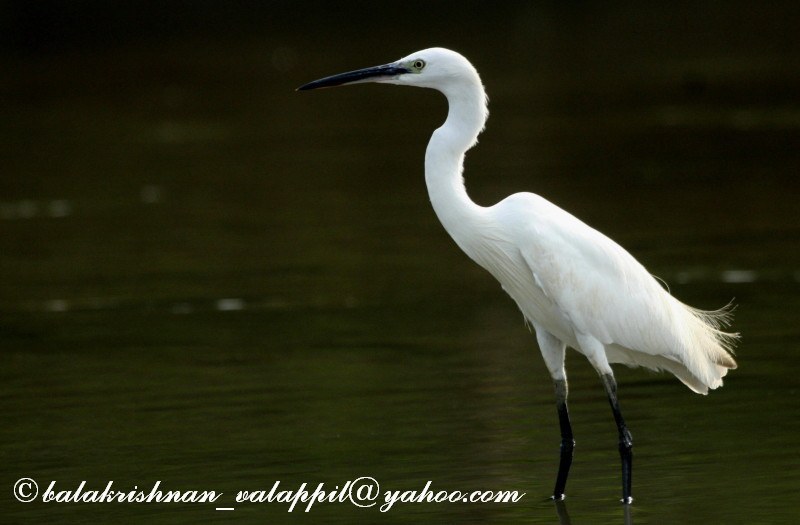
Little Egret
Egretta garzetta
A dainty white heron of Europe, Africa, Asia, and Australia, best known for its black legs and bright yellow feet.
- Feather type
- Small, fine white contour feathers with delicate nape plumes
- Colours
- White throughout
- Bird size
- Small-medium, ~55-65 cm tall
Found a feather like this?
Identify any feather from a photo, free.
Overview
Overview
The Little Egret is a small, active white heron found across much of the Old World and Australia. It is often seen wading briskly through shallow water, sometimes running or stirring the bottom with its feet to flush prey, a more energetic foraging style than the slower, statuesque approach of larger herons.
- Small, slender white egret with black legs and contrasting yellow feet
- Slim black bill and two long, thin nape plumes in breeding season
- Common across wetlands in Europe, Africa, Asia, and Australia
Identifying the Feather
Feather Identification
Little Egret feathers are entirely white, smaller and finer than those of the Great Egret, reflecting its more modest body size. In breeding condition, adults grow two very long, thin, wire-like plumes from the nape and a spray of loose, filamentous plumes on the back, distinct from the shorter, more numerous plumes of the Cattle Egret. The flight feathers are white with a moderately fine shaft.
- Small to medium feather size compared to Great Egret and Snowy Egret
- Pure white color throughout, with no dark or buff tones
- Distinctive paired, elongated nape plumes are a strong seasonal clue
- Compare with Snowy Egret (a similar-looking New World species) by range, as the two rarely overlap
Plumage & Molt
Plumage
Adults are entirely white, with a slender black bill, black legs, and yellow feet that contrast sharply when visible. During the breeding season, two long, narrow plumes trail from the nape, and loose, recurved plumes develop on the back and lower foreneck; the lores may flush a pinkish or bluish tone. Outside the breeding season, the plumes are shed and the bare parts appear duller. Juveniles resemble non-breeding adults but often show greenish-yellow rather than bright yellow feet. Molt of flight feathers occurs gradually after breeding.
Habitat & Range
Habitat & Range
The Little Egret is widespread across Europe, Africa, Asia, and Australia, and has also expanded into parts of the Americas in recent decades. It occupies a wide variety of wetlands, including coastal lagoons, estuaries, rice paddies, marshes, and lake margins. Northern populations are migratory, wintering in warmer regions, while many tropical and temperate populations are resident year-round.
Behavior & Field Notes
Behavior & Field Notes
This egret forages actively, often running, shuffling its feet in the mud, or flicking its wings to disturb prey, in contrast to the more sedentary hunting style of larger herons. Its diet includes small fish, aquatic invertebrates, amphibians, and insects. Little Egrets typically nest colonially in trees or reedbeds, often alongside other herons and egrets. The call is a harsh, guttural croak, mainly heard at breeding colonies. Its energetic, almost dancing foraging technique is a useful behavioral clue distinguishing it from slower-moving herons sharing the same habitat.
Frequently asked questions
How can I tell a Little Egret feather from a Great Egret feather?
Little Egret feathers are noticeably smaller and finer, reflecting the bird's much smaller body size.
What is distinctive about the Little Egret's breeding plumes?
It grows two very long, thin, wire-like plumes from the nape along with loose plumes on the back during the breeding season.
Where does the Little Egret live?
It is widespread across Europe, Africa, Asia, and Australia, with a growing presence in the Americas.
How does the Little Egret hunt differently from other herons?
It often forages actively, running or shuffling its feet to stir up prey, rather than standing motionless like many larger herons.
Little Egret guides
In-depth guides for identifying and understanding Little Egret.
Other feathers you may enjoy

Yellow-billed Spoonbill
White contour and flight feathers with fine breeding plumes on the back and breast
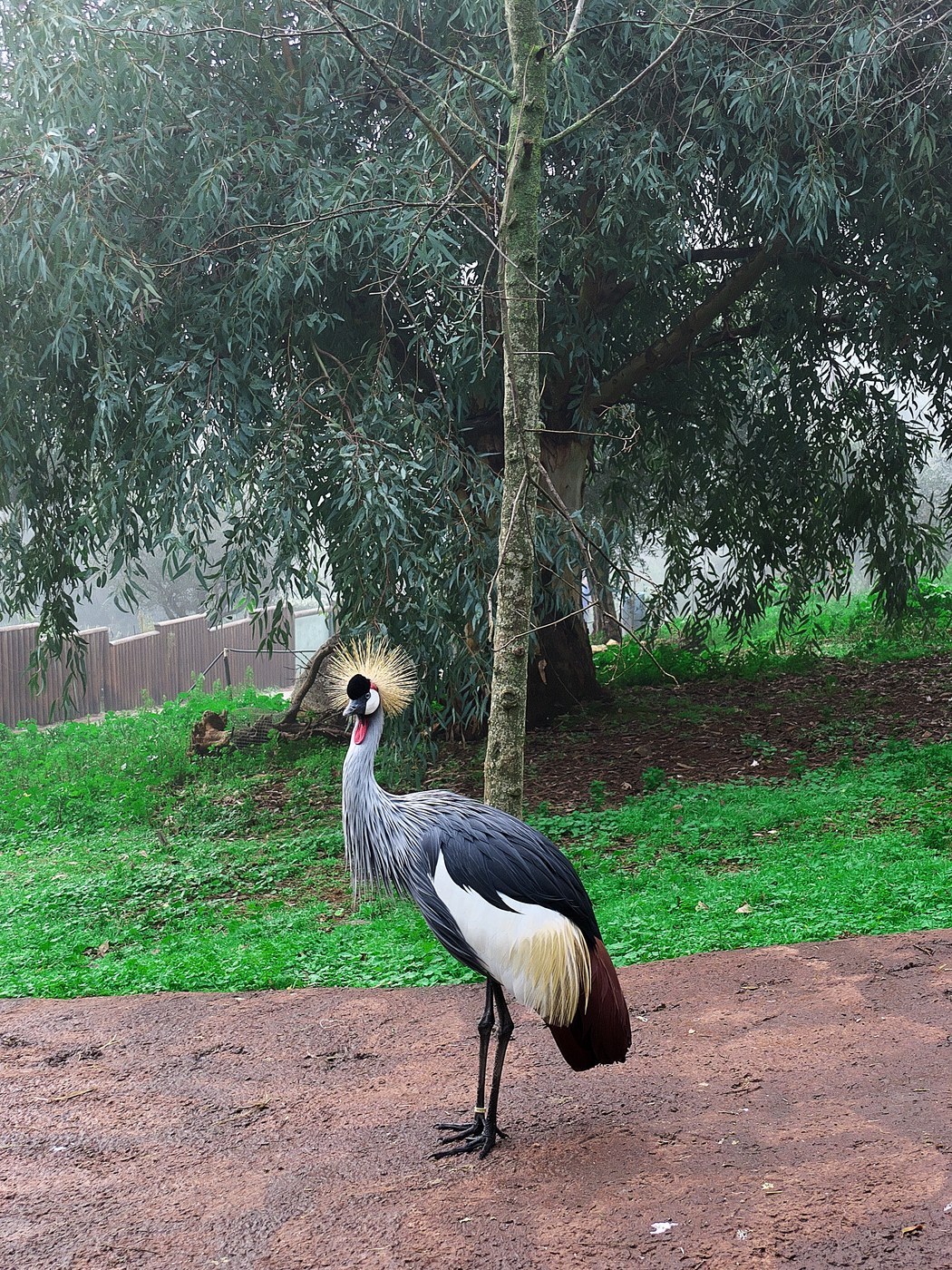
Grey Crowned Crane
Grey body feathers with white wing coverts, chestnut flight feathers, and stiff golden crown bristles
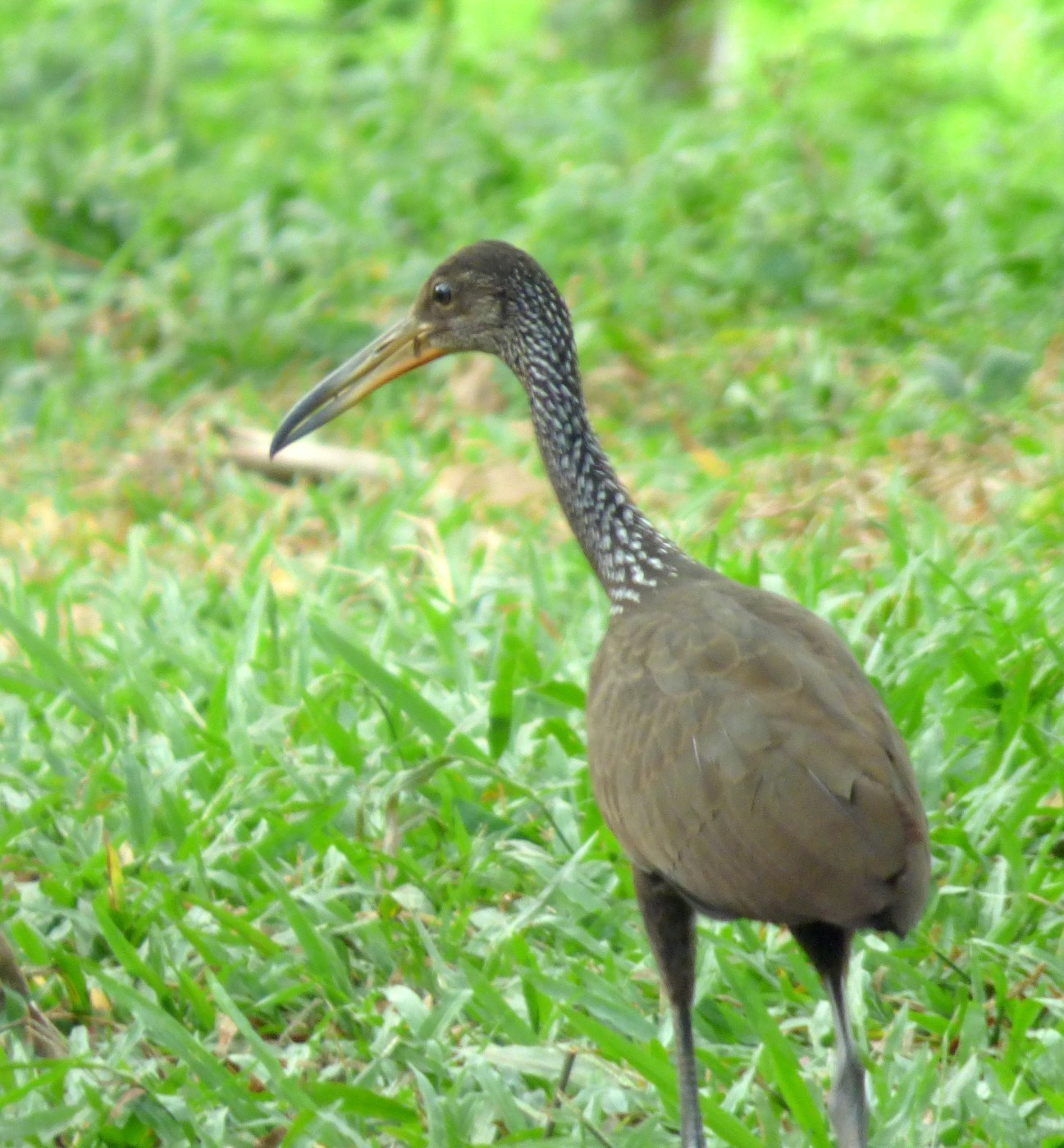
Limpkin
Brown contour feathers with white teardrop-shaped spots and streaks

Black-faced Spoonbill
White contour and flight feathers with fine breeding crest and breast plumes
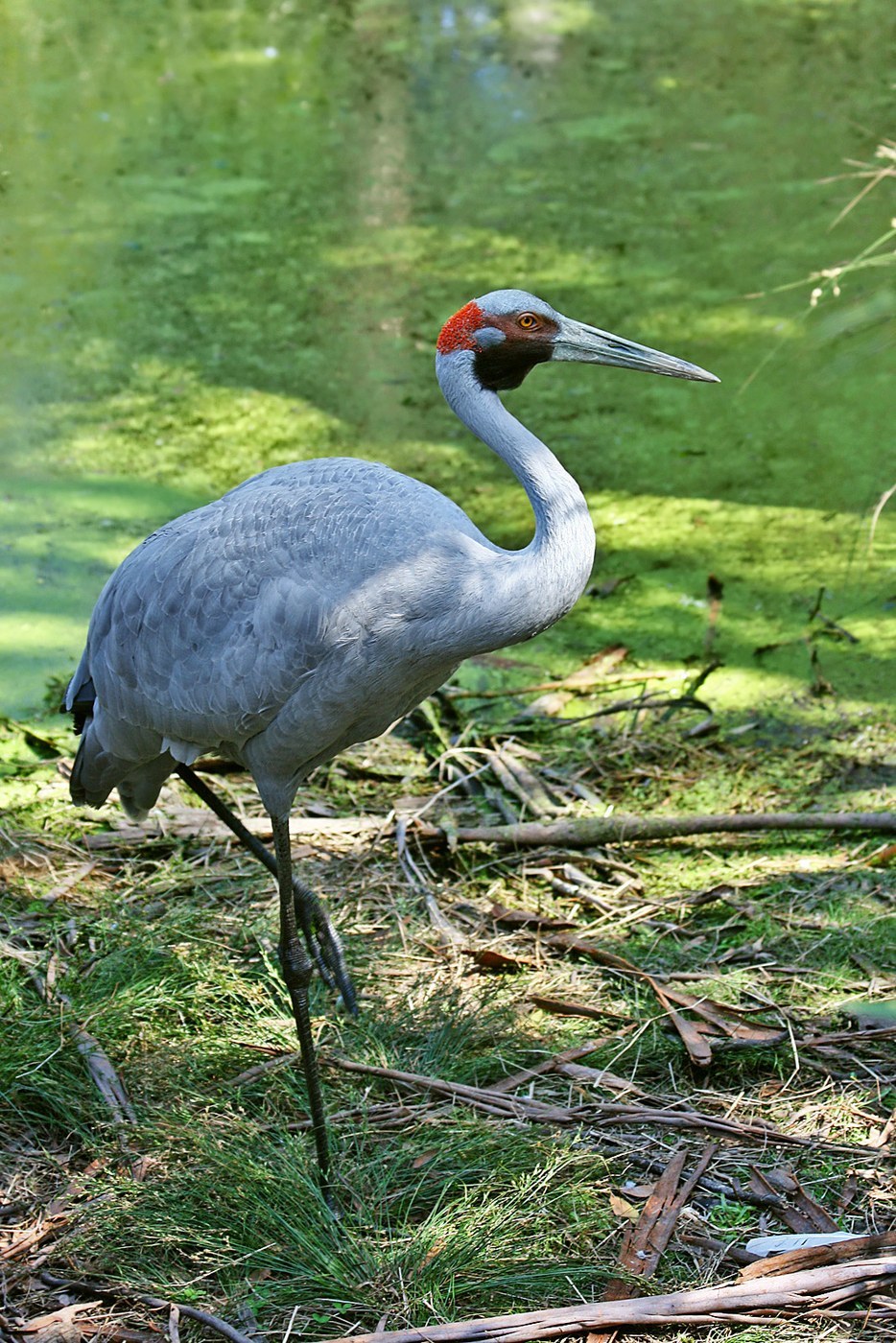
Brolga
Grey contour feathers with drooping bustle plumes
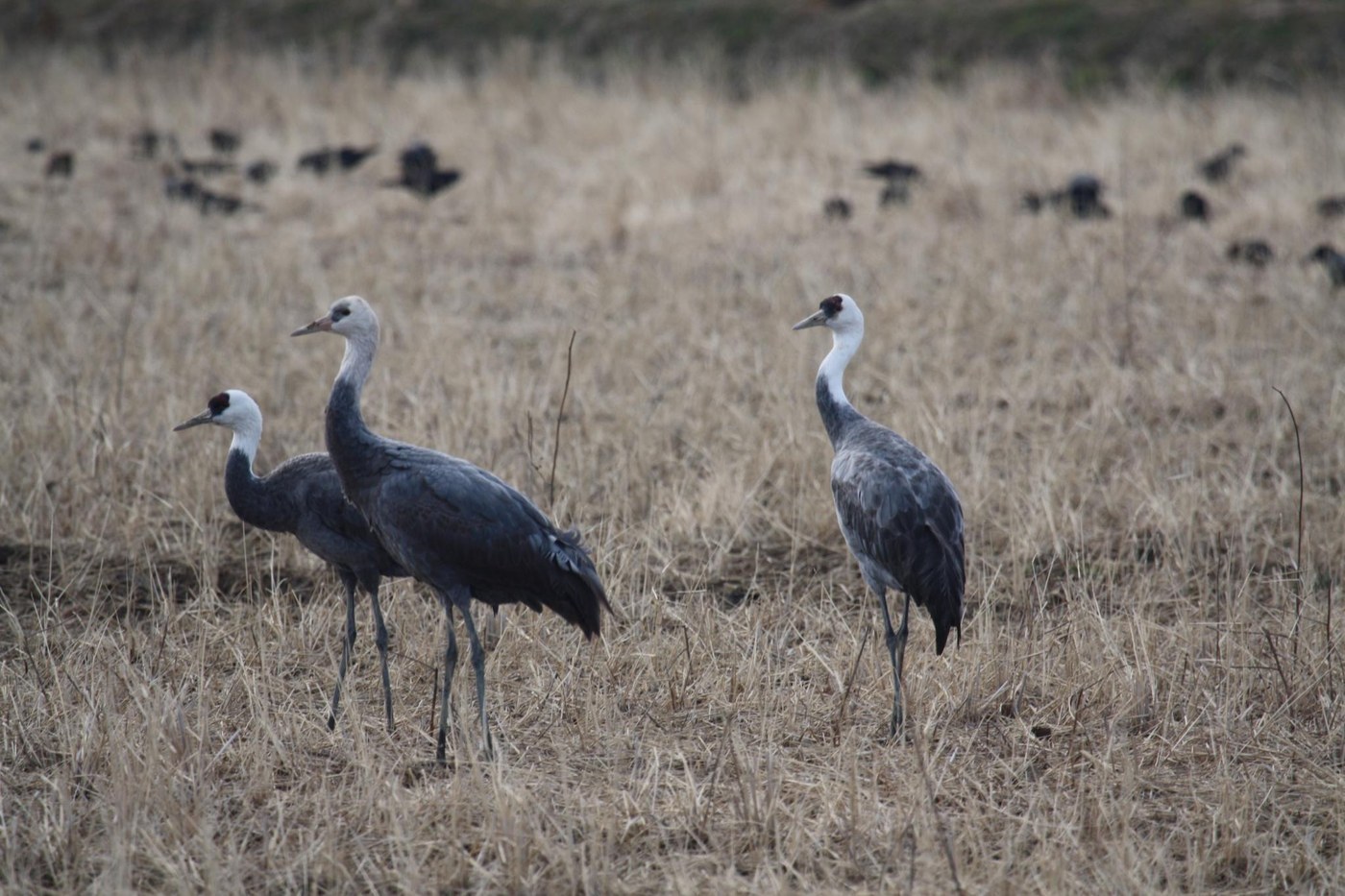
Hooded Crane
Dark slate-grey body feathers with a white head/upper neck 'hood' and black bustle plumes
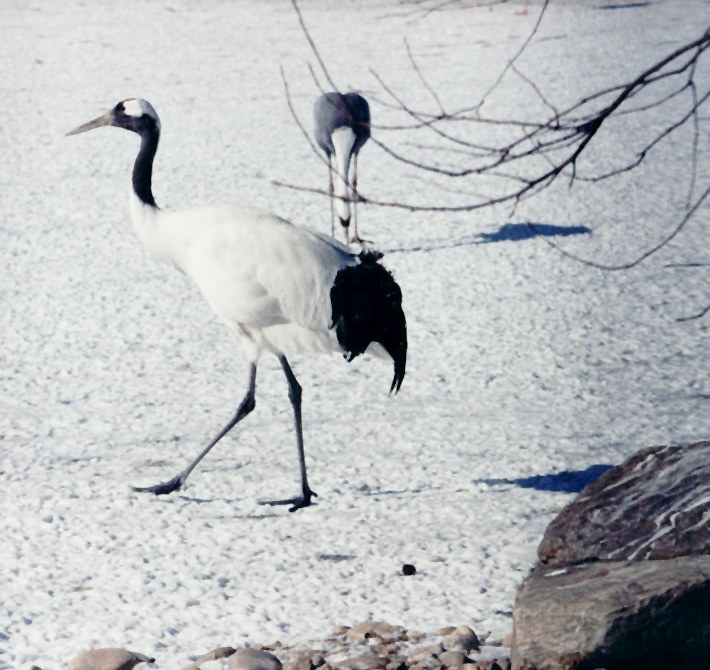
Red-crowned Crane
White contour feathers with black secondary/tertial bustle feathers and a bare red crown

Common Crane
Grey contour feathers with black head/neck feathers and drooping bustle plumes
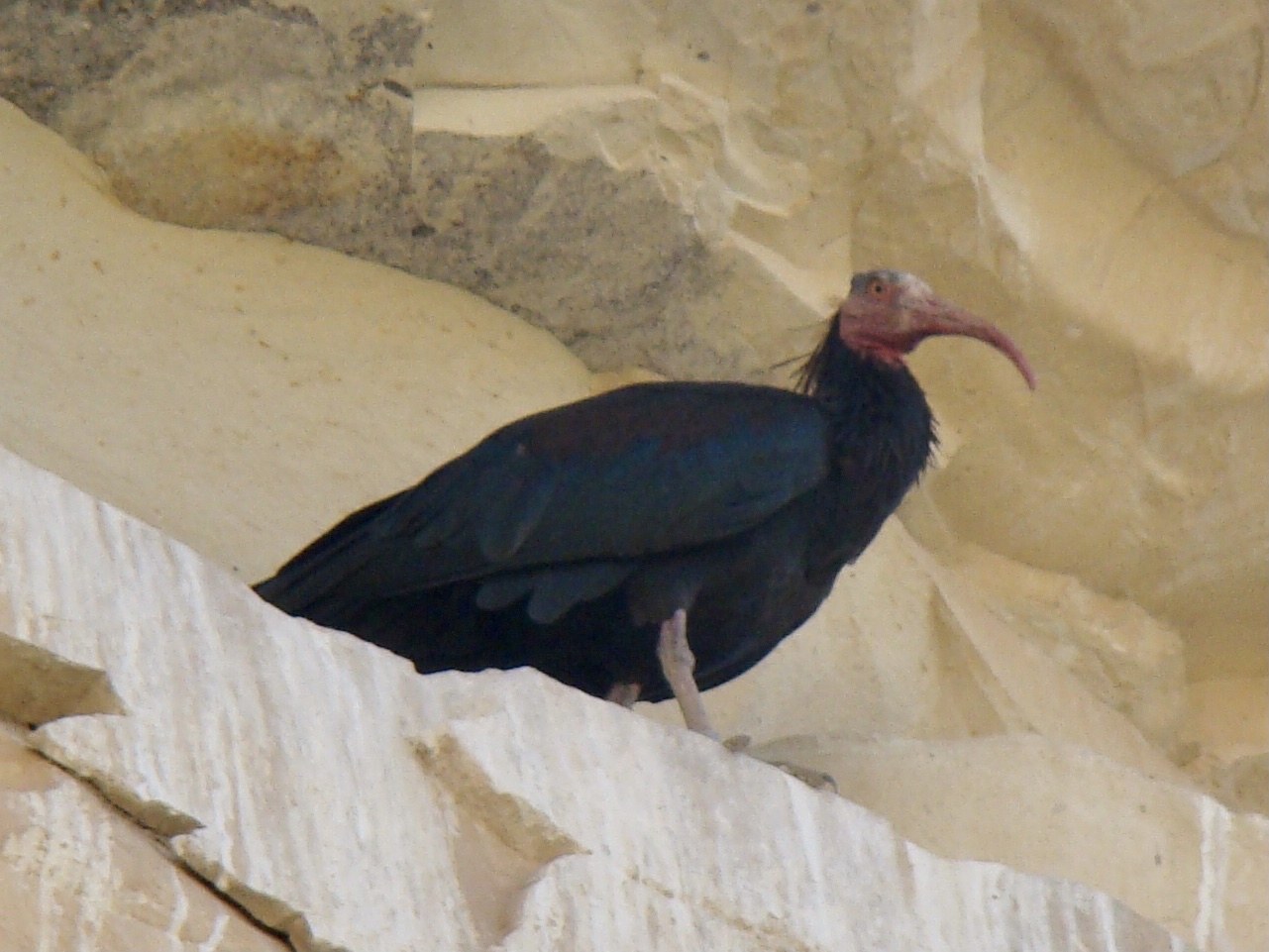
Northern Bald Ibis
Glossy black contour feathers with elongated nape plumes
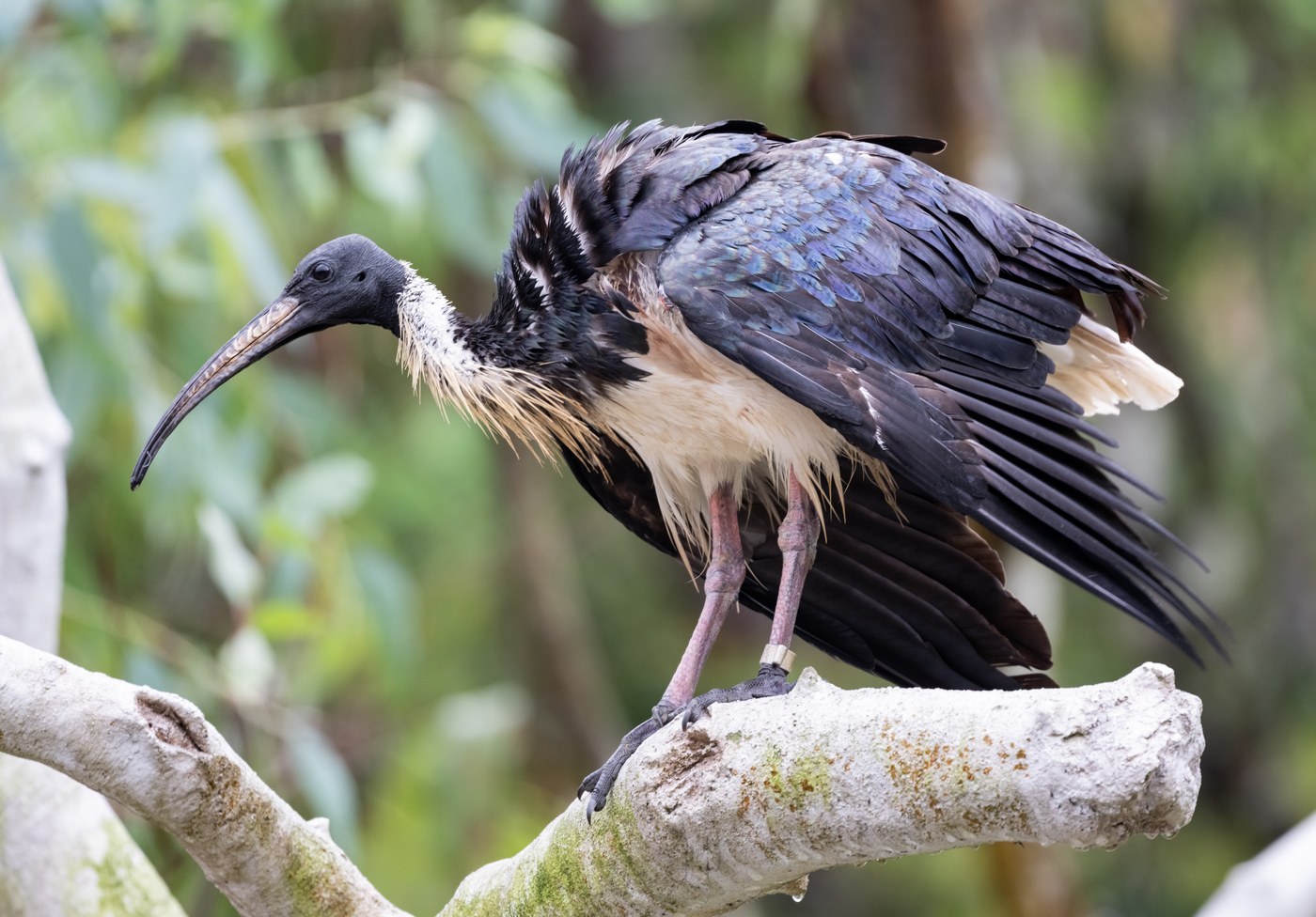
Straw-necked Ibis
Glossy contour feathers with unique straw-like neck plumes
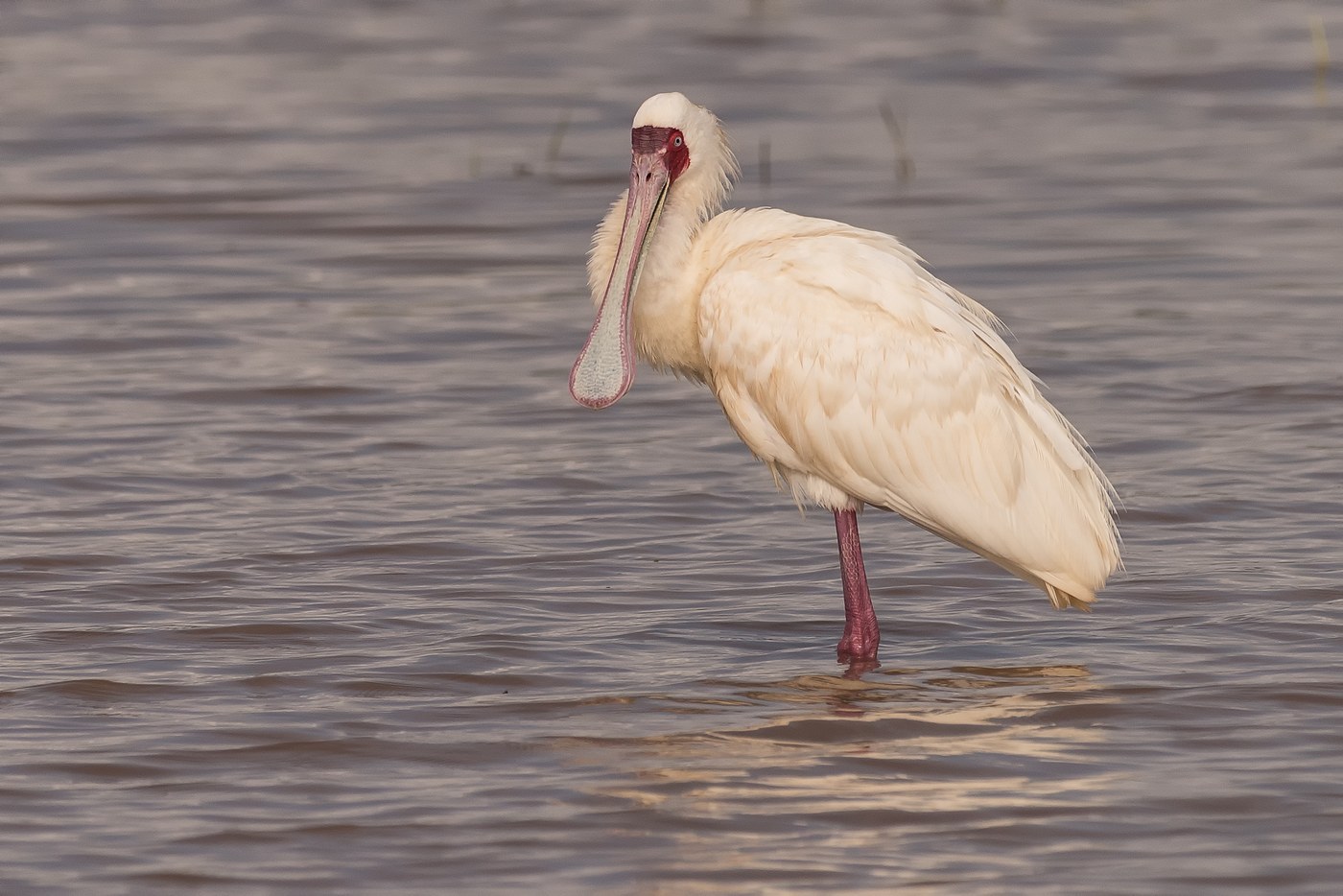
African Spoonbill
White contour and flight feathers, unmarked by black tips

Roseate Spoonbill
Pink and white contour and flight feathers with a carmine shoulder patch