

Little Bittern
Ixobrychus minutus
The Old World counterpart to the Least Bittern, a tiny, secretive marsh heron with a black cap and back in males and warmer brown tones in females.
- Feather type
- Small, soft contour feathers with pale wing patches
- Colours
- Buff, black cap and back (male); browner tones (female)
- Bird size
- Very small, ~33-38 cm tall
Found a feather like this?
Identify any feather from a photo, free.
Overview
Overview
The Little Bittern is a very small heron widespread across Europe, Africa, and parts of Asia, filling an ecological role similar to the Least Bittern of the Americas. Its diminutive size and secretive habits within dense reedbeds make it one of the more elusive herons across its extensive range.
- Very small heron, among the smallest in its range
- Males show a black cap and back contrasting with buff underparts; females are browner
- Found in dense reedbeds and marshes across Europe, Africa, and Asia
Identifying the Feather
Feather Identification
Little Bittern feathers are small and lightweight, reflecting the bird's tiny body size, similar in scale to Least Bittern feathers but occurring in a different geographic range. Male back and crown feathers are glossy black, contrasting with buffy neck and underpart feathers and a pale buff to whitish wing patch. Female equivalents are duller brown rather than black, with more streaking on the underparts.
- Small feather size matches the species' status as one of the smallest Old World herons
- Glossy black crown/back feathers in males versus browner tones in females offers a possible sex clue
- Pale buff to whitish wing patch contrasts with darker flight feathers
- Compare with Least Bittern: extremely similar in general pattern, but the two occupy non-overlapping regions (Old World versus New World)
Plumage & Molt
Plumage
Adult males have a glossy black crown and back, buffy neck and underparts, and a pale buff wing patch, while females are duller, with a brown rather than black back and crown and more streaking below. Juveniles resemble females but show heavier streaking overall. Molt is gradual, and the species maintains its contrasting pattern through most of the year without a dramatically different breeding plumage.
Habitat & Range
Habitat & Range
The Little Bittern breeds across much of Europe, parts of western and central Asia, and Africa, with northern populations migrating to sub-Saharan Africa for the winter while many African populations are resident year-round. It is strongly tied to dense reedbeds and other tall marsh vegetation bordering freshwater wetlands, rarely occurring in open habitats.
Behavior & Field Notes
Behavior & Field Notes
This small heron is secretive and agile, moving through dense reed stems in search of small fish, amphibians, and aquatic invertebrates, often remaining hidden from view for long periods. When threatened, it may freeze with its bill raised, using its patterned plumage to blend into the reeds, similar to the behavior of larger bitterns. Its call is a low, repetitive croaking or barking note, often given at dusk or during the night in the breeding season. Its small size and preference for dense reed cover make direct sightings uncommon, with many observations relying on its distinctive call.
Frequently asked questions
How can I recognize a Little Bittern feather?
Small size combined with a glossy black crown/back in males (or browner tones in females) and a pale buff wing patch are the key clues.
How is the Little Bittern different from the Least Bittern?
The two are very similar in size and general pattern, but the Little Bittern occurs across Europe, Africa, and Asia, while the Least Bittern is restricted to the Americas.
What is the Little Bittern's typical habitat?
Dense reedbeds and other tall marsh vegetation bordering freshwater wetlands.
When is the Little Bittern most often detected?
Often by its low, repetitive call given at dusk or night during the breeding season, rather than by direct sighting.
Little Bittern guides
In-depth guides for identifying and understanding Little Bittern.

Other feathers you may enjoy

Yellow-billed Spoonbill
White contour and flight feathers with fine breeding plumes on the back and breast
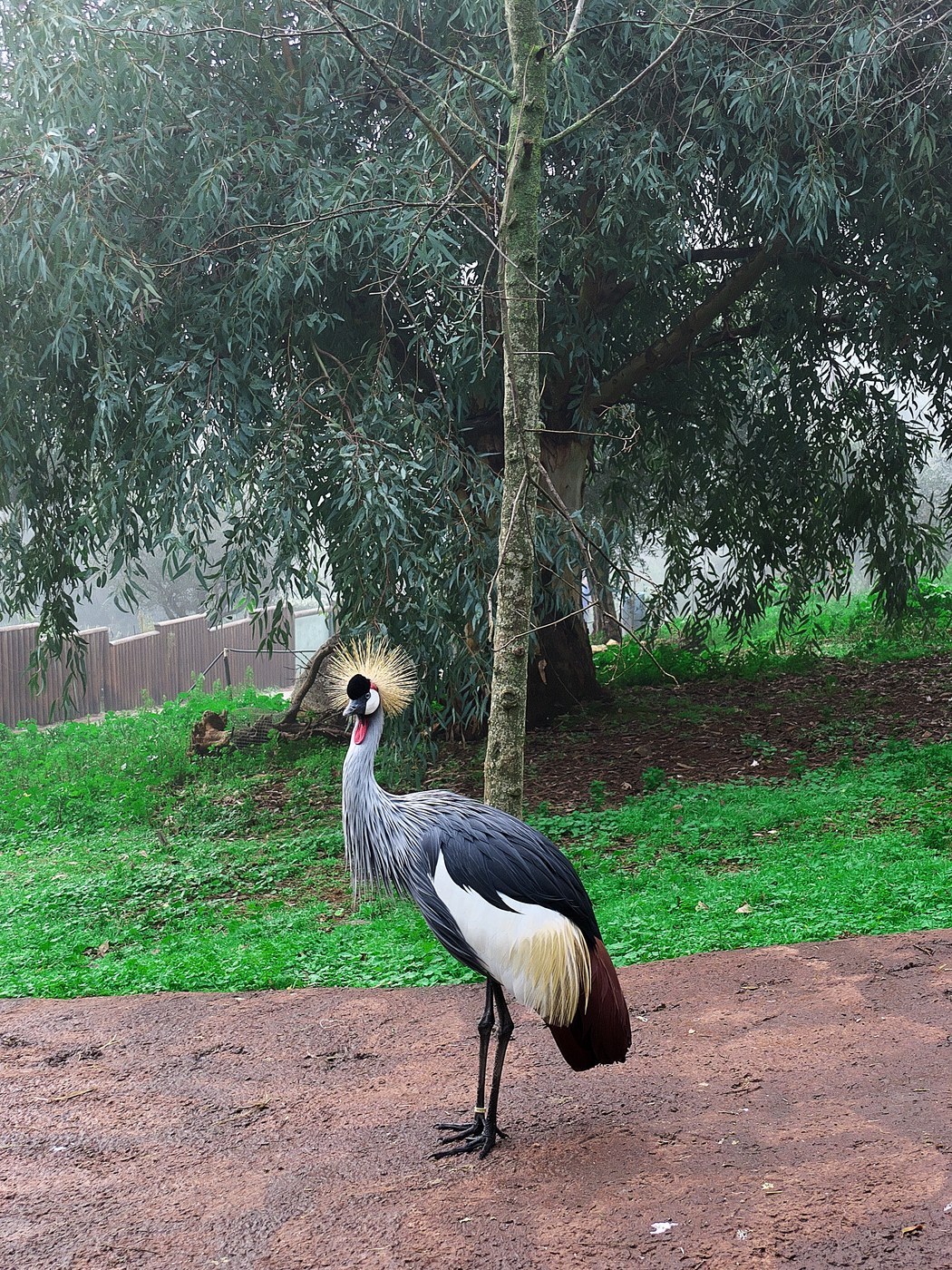
Grey Crowned Crane
Grey body feathers with white wing coverts, chestnut flight feathers, and stiff golden crown bristles
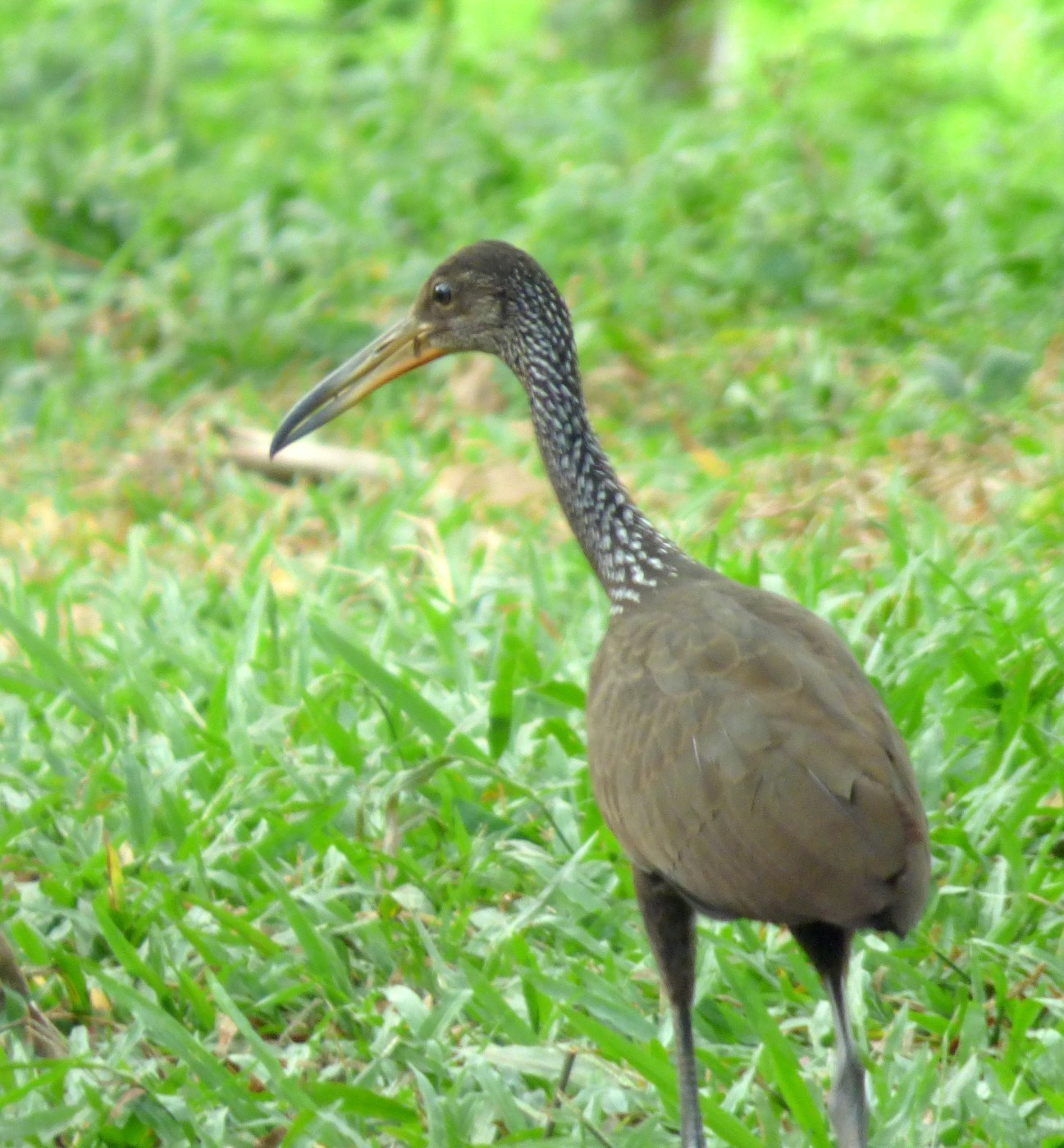
Limpkin
Brown contour feathers with white teardrop-shaped spots and streaks
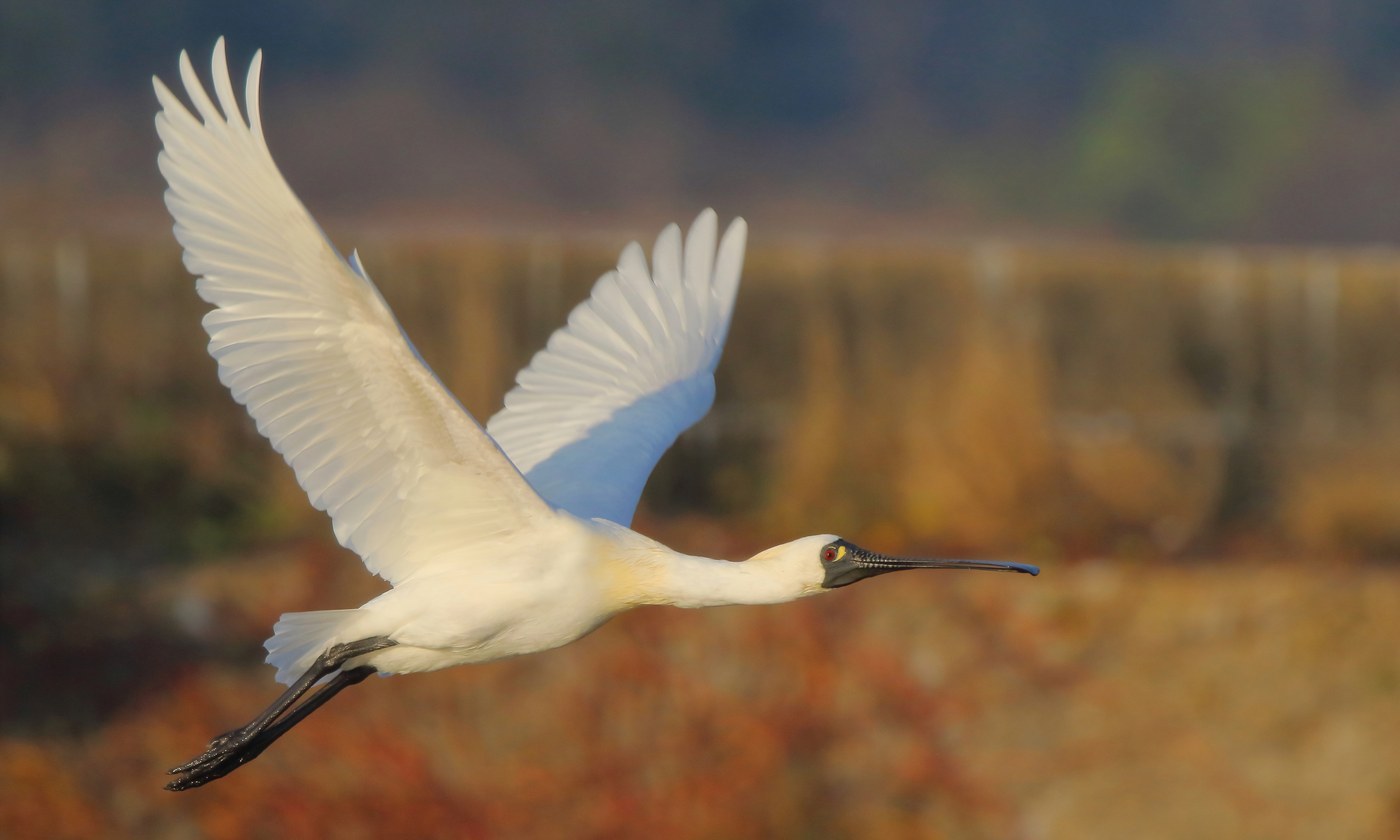
Black-faced Spoonbill
White contour and flight feathers with fine breeding crest and breast plumes
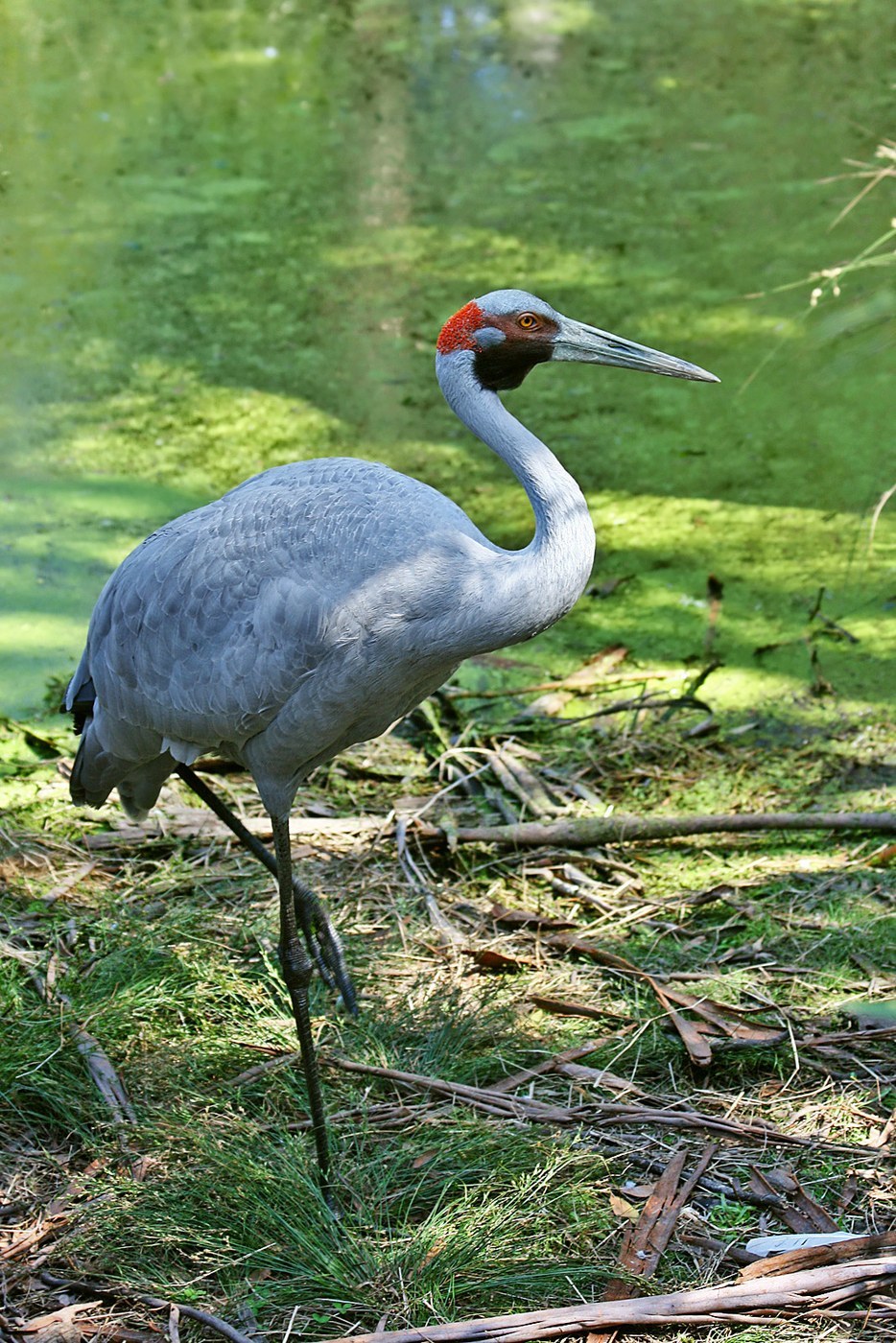
Brolga
Grey contour feathers with drooping bustle plumes
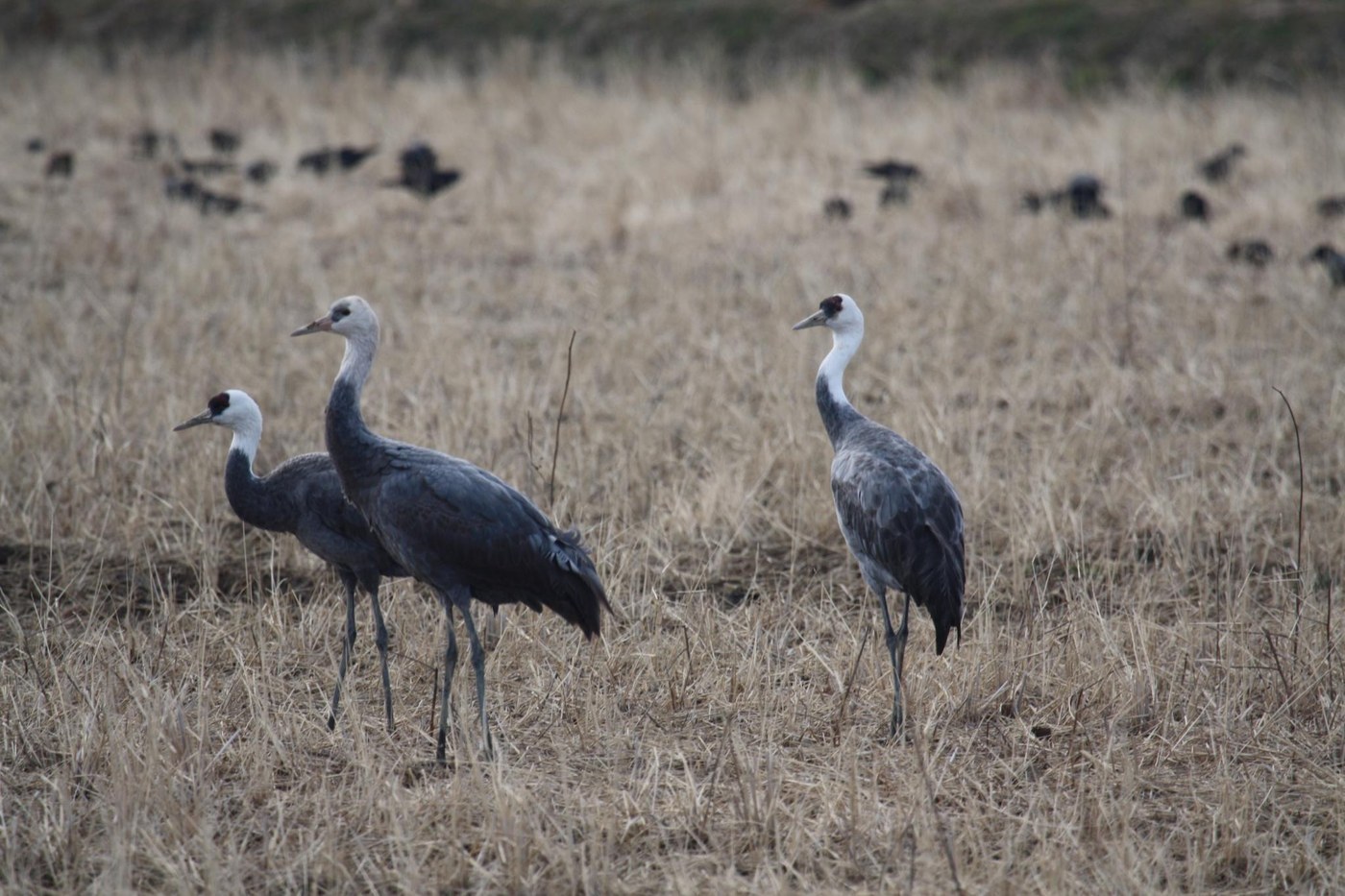
Hooded Crane
Dark slate-grey body feathers with a white head/upper neck 'hood' and black bustle plumes
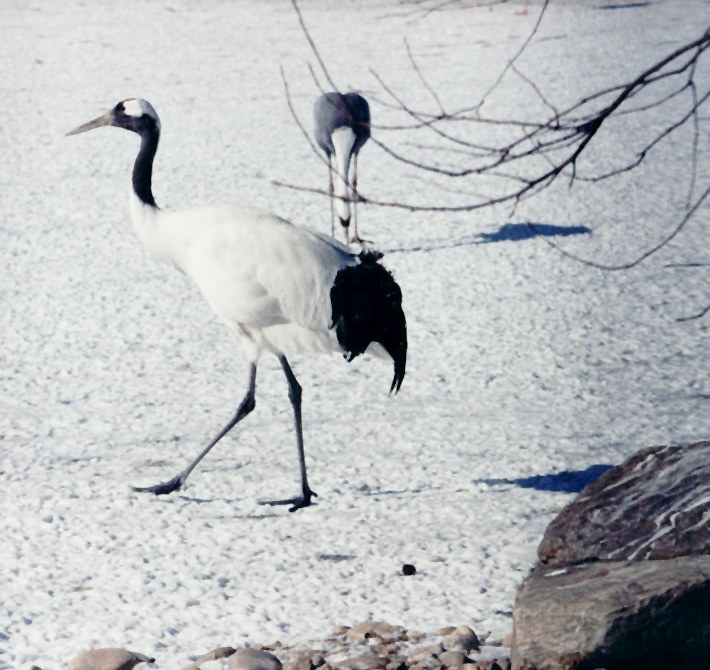
Red-crowned Crane
White contour feathers with black secondary/tertial bustle feathers and a bare red crown

Common Crane
Grey contour feathers with black head/neck feathers and drooping bustle plumes
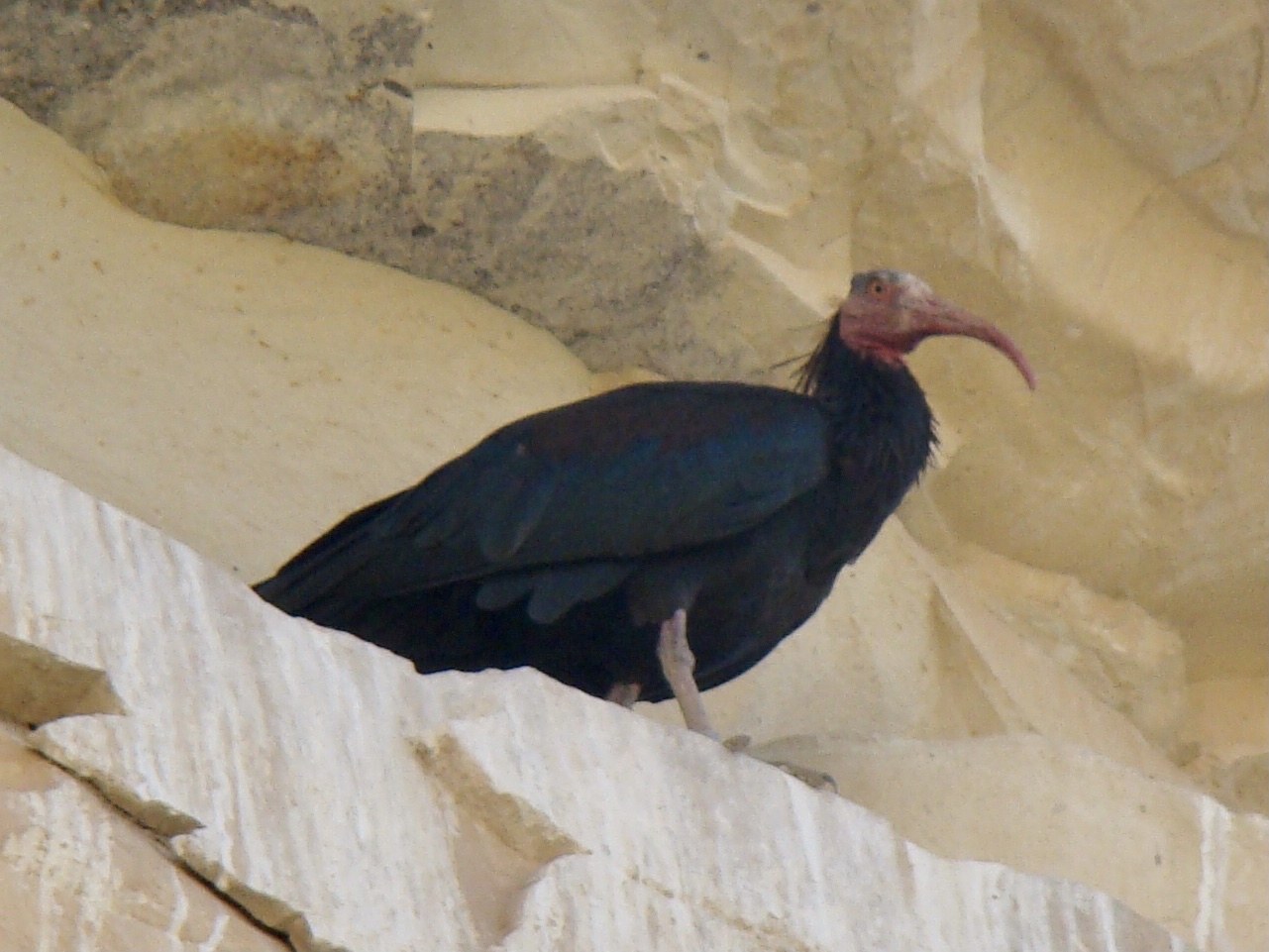
Northern Bald Ibis
Glossy black contour feathers with elongated nape plumes
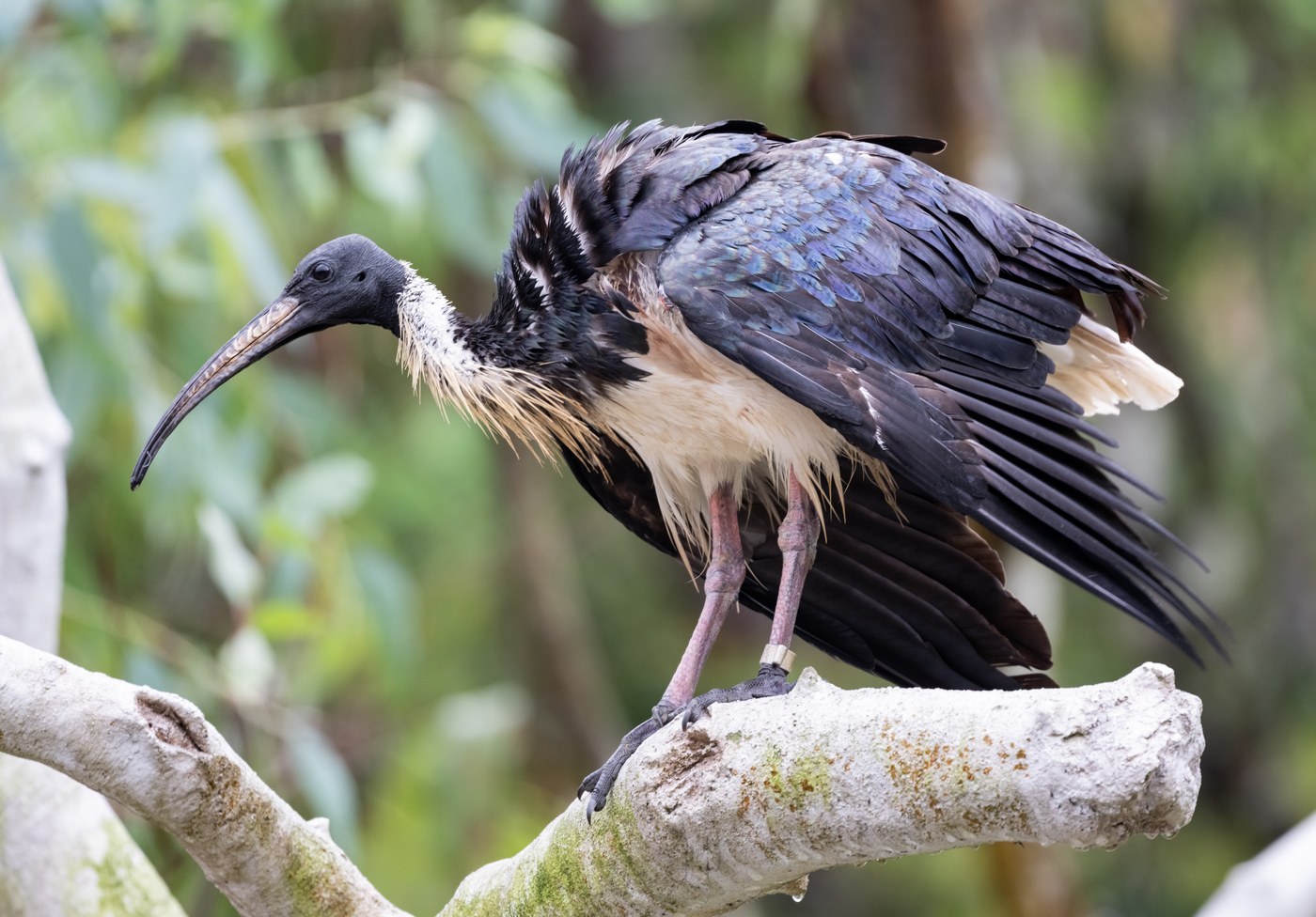
Straw-necked Ibis
Glossy contour feathers with unique straw-like neck plumes
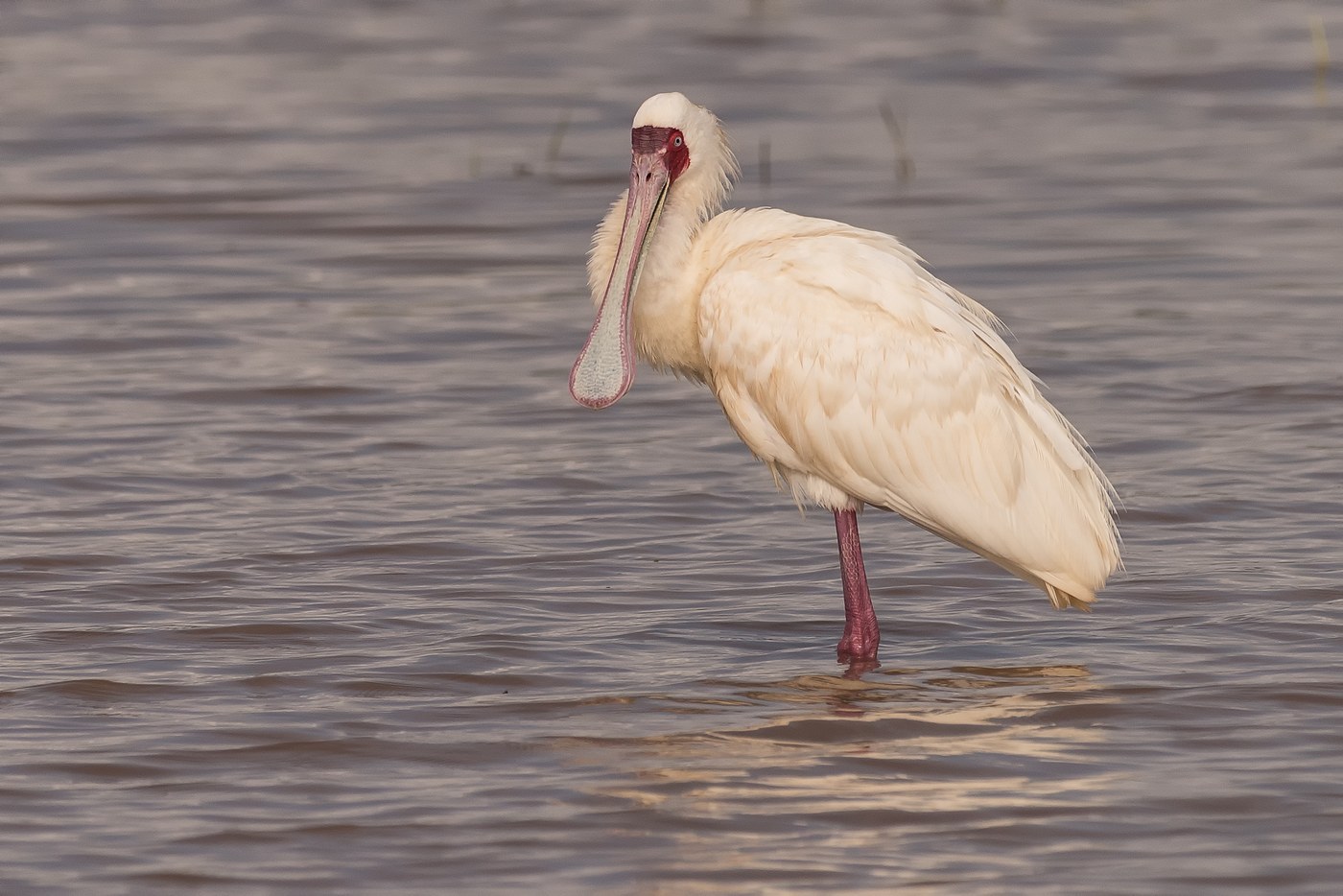
African Spoonbill
White contour and flight feathers, unmarked by black tips

Roseate Spoonbill
Pink and white contour and flight feathers with a carmine shoulder patch