

Lesser Adjutant
Leptoptilos javanicus
A large Asian wetland stork, smaller and less bald than its Greater Adjutant relative, with dark glossy upperparts, white underparts, and a more prominent role as a wetland wader than as a scavenger.
- Feather type
- Body contour feathers and broad flight feathers
- Colours
- Dark greenish-black upperparts with white underparts
- Bird size
- Large stork, ~87-110 cm
Found a feather like this?
Identify any feather from a photo, free.
Overview
Overview
The Lesser Adjutant is a large stork of South and Southeast Asian wetlands, related to the Greater Adjutant and Marabou Stork but smaller, with sparse rather than fully bald head feathering and a less developed throat pouch. It behaves more like a typical wading stork, foraging in wetlands and floodplains, though it will also scavenge opportunistically.
- Large stork with a sparsely feathered, not fully bald, head
- Dark, glossy greenish-black upperparts contrasting with white underparts
- Heavy, pale bill
- Smaller and less pouched than the related Greater Adjutant and Marabou Stork
Identifying the Feather
Feather Identification
Lesser Adjutant feathers show a dark, glossy upperside and clean white underside, generally smaller than those of its larger relatives given its more modest body size.
- Upperpart feathers: dark greenish-black with a glossy sheen
- Underpart feathers: white, extending across the breast and belly
- Flight feathers: dark and broad, though somewhat smaller than Greater Adjutant or Marabou Stork
- Vs. Greater Adjutant: feathers are noticeably smaller, matching the more modest body size
- Vs. Painted Stork: lacks any pink tinge and shows a much darker, glossier upperside
- Shaft color: dark in upperpart feathers, pale in white underpart feathers
Plumage & Molt
Plumage Details
Adults show dark, glossy greenish-black upperparts and white underparts, with a head and upper neck covered in sparse, downy feathering rather than being fully bald, and a pale, heavy bill. Juveniles are duller, with more extensive head feathering and a browner tone to the upperparts. Molt is gradual and not sharply seasonal, similar to other large storks in tropical Asia.
Habitat & Range
Habitat & Range
Lesser Adjutants inhabit wetlands, floodplains, mangroves, and forested swamps across South and Southeast Asia, from India through Indochina to Indonesia. The species is largely resident, with local movements linked to water levels and food availability, and it has declined due to widespread wetland habitat loss across much of its range.
Behavior & Field Notes
Behavior & Field Notes
Lesser Adjutants forage by wading through shallow wetlands and floodplains, hunting fish, amphibians, reptiles, and other prey, and will also scavenge at carcasses when the opportunity arises, though less habitually than the Greater Adjutant or Marabou Stork. It typically nests solitarily or in small loose groups in tall trees near wetlands. Vocalizations are limited, with bill-clattering serving as the primary communication at the nest. The combination of a large size, sparsely feathered rather than fully bald head, and preference for wetland foraging over open scavenging helps separate it from its bald-headed relatives.
Frequently asked questions
How is the Lesser Adjutant different from the Greater Adjutant?
It is notably smaller, has a sparsely feathered rather than fully bald head, and behaves more like a typical wetland wading stork than a habitual scavenger.
What color are Lesser Adjutant feathers?
Dark, glossy greenish-black on the upperparts and clean white on the underparts, without any pink tinge.
Where would a Lesser Adjutant feather most likely be found?
Near wetlands, floodplains, and mangroves across South and Southeast Asia, from India through Indochina to parts of Indonesia.
Lesser Adjutant guides
In-depth guides for identifying and understanding Lesser Adjutant.

Other feathers you may enjoy

Yellow-billed Spoonbill
White contour and flight feathers with fine breeding plumes on the back and breast
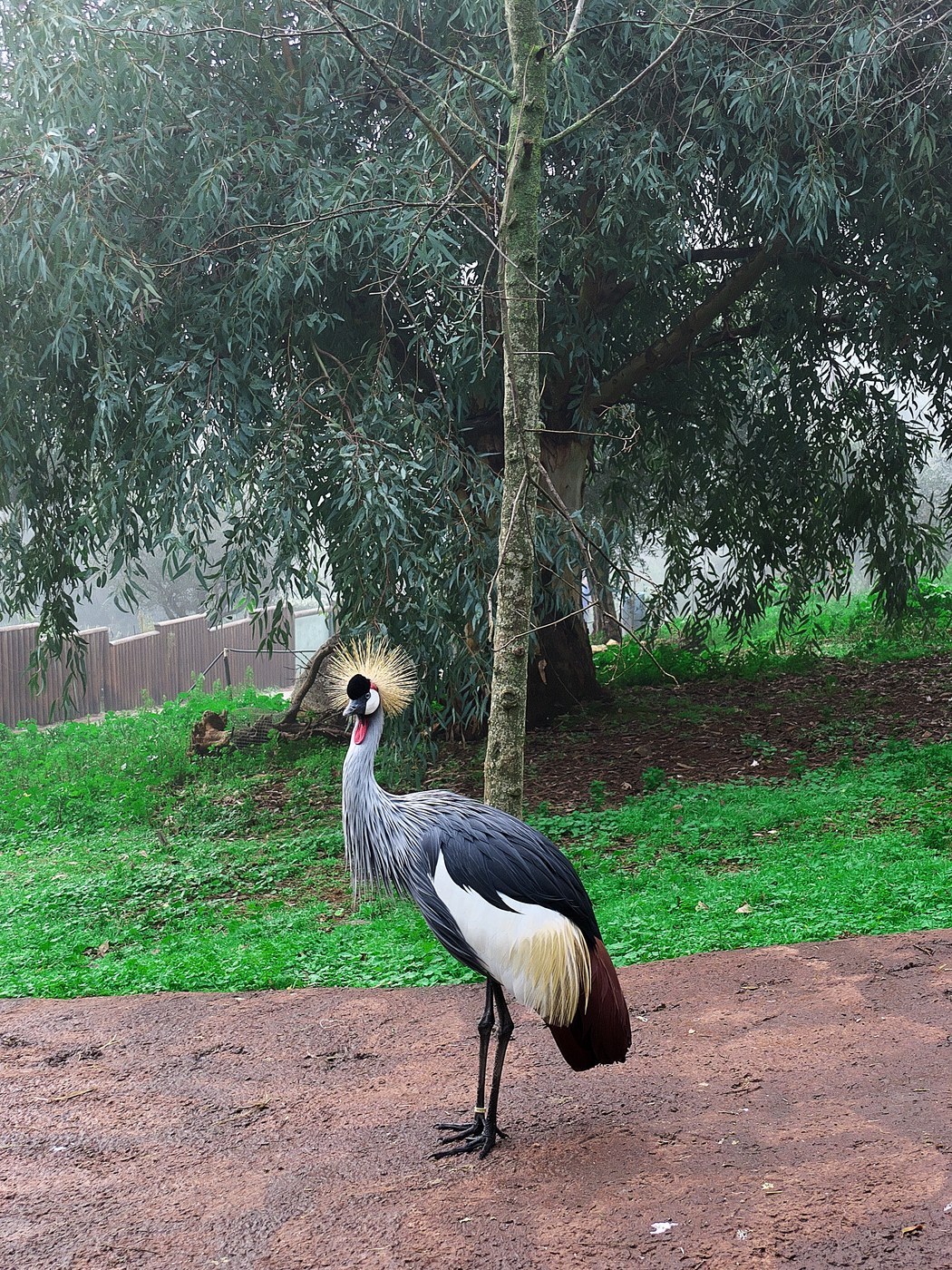
Grey Crowned Crane
Grey body feathers with white wing coverts, chestnut flight feathers, and stiff golden crown bristles
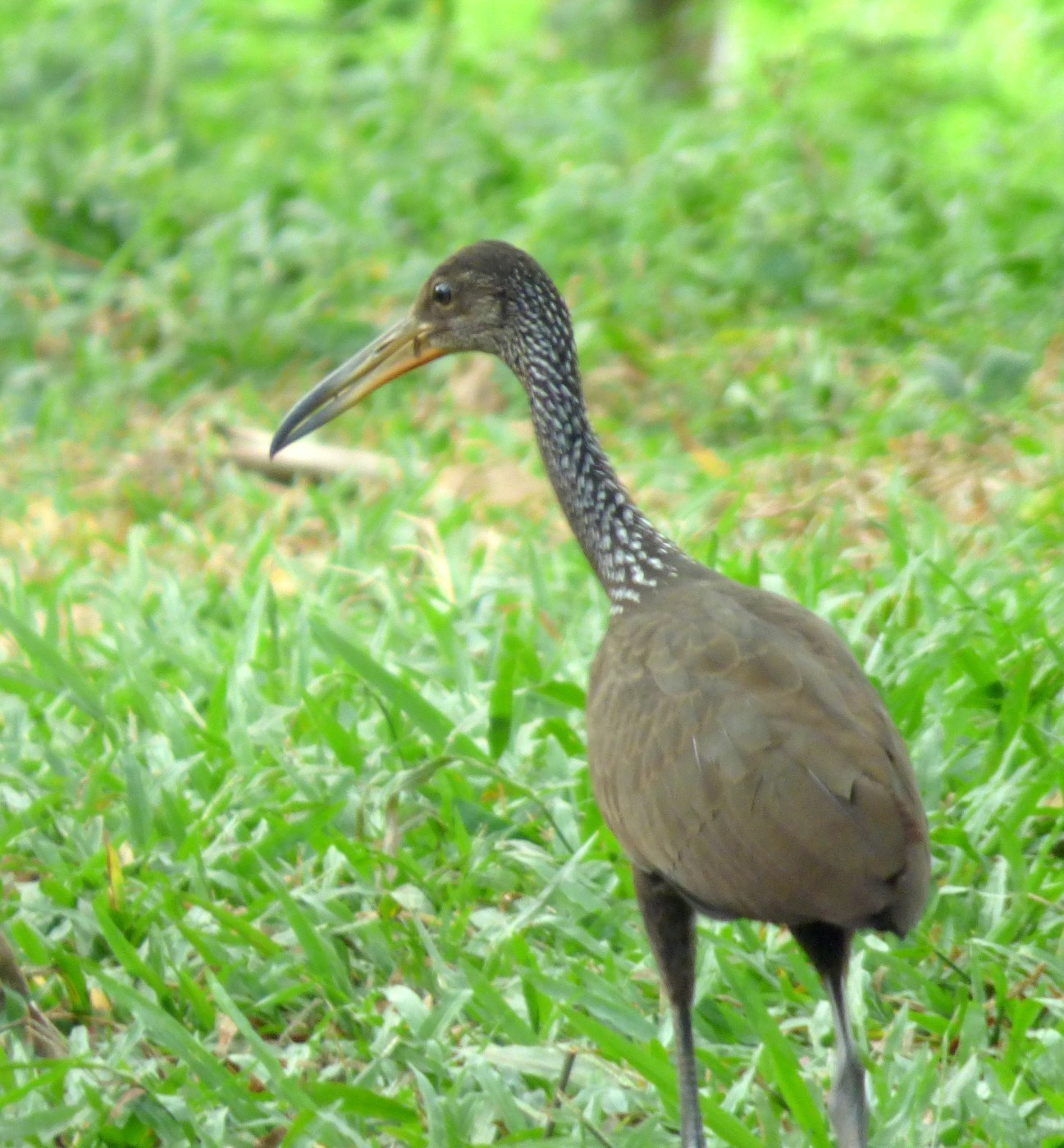
Limpkin
Brown contour feathers with white teardrop-shaped spots and streaks
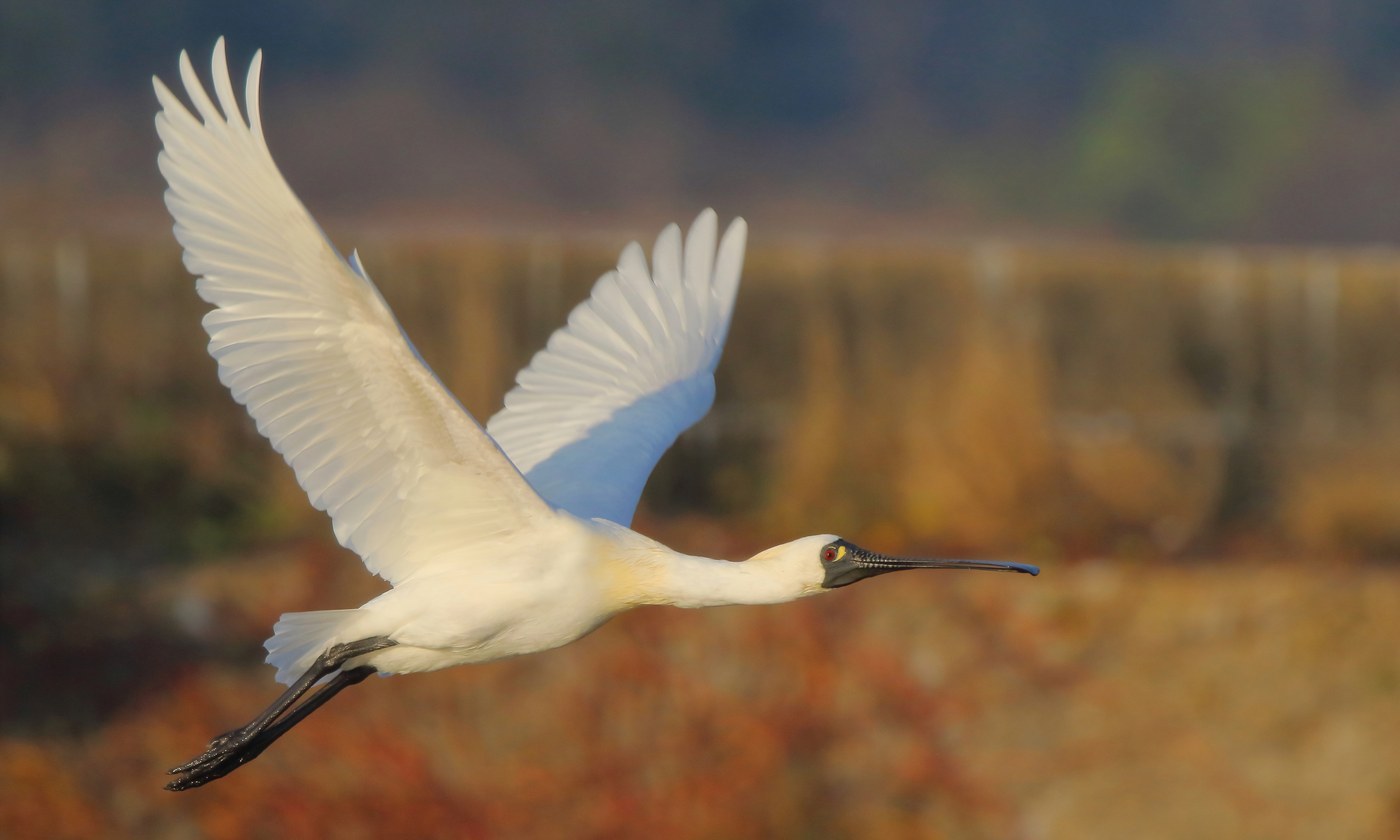
Black-faced Spoonbill
White contour and flight feathers with fine breeding crest and breast plumes
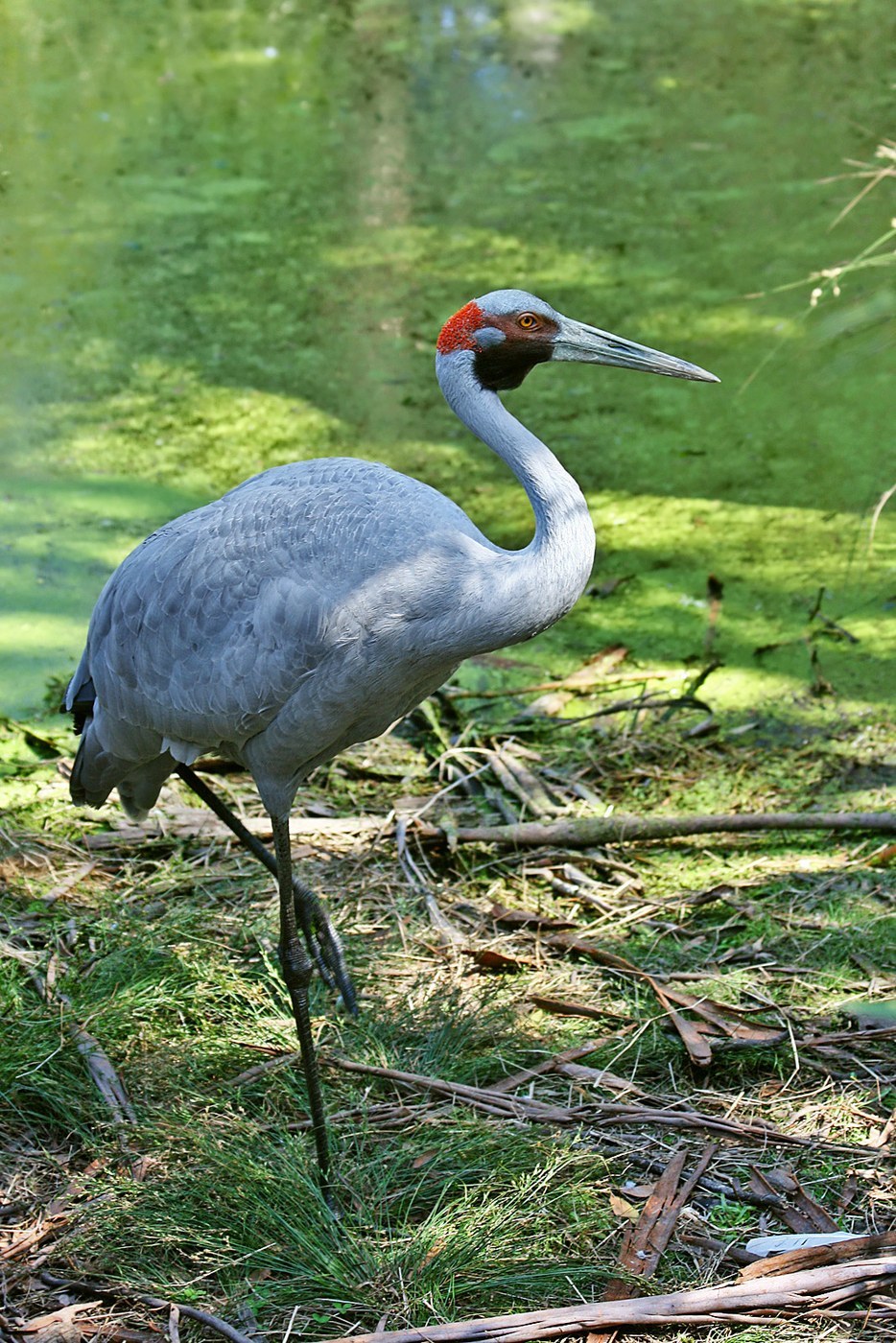
Brolga
Grey contour feathers with drooping bustle plumes
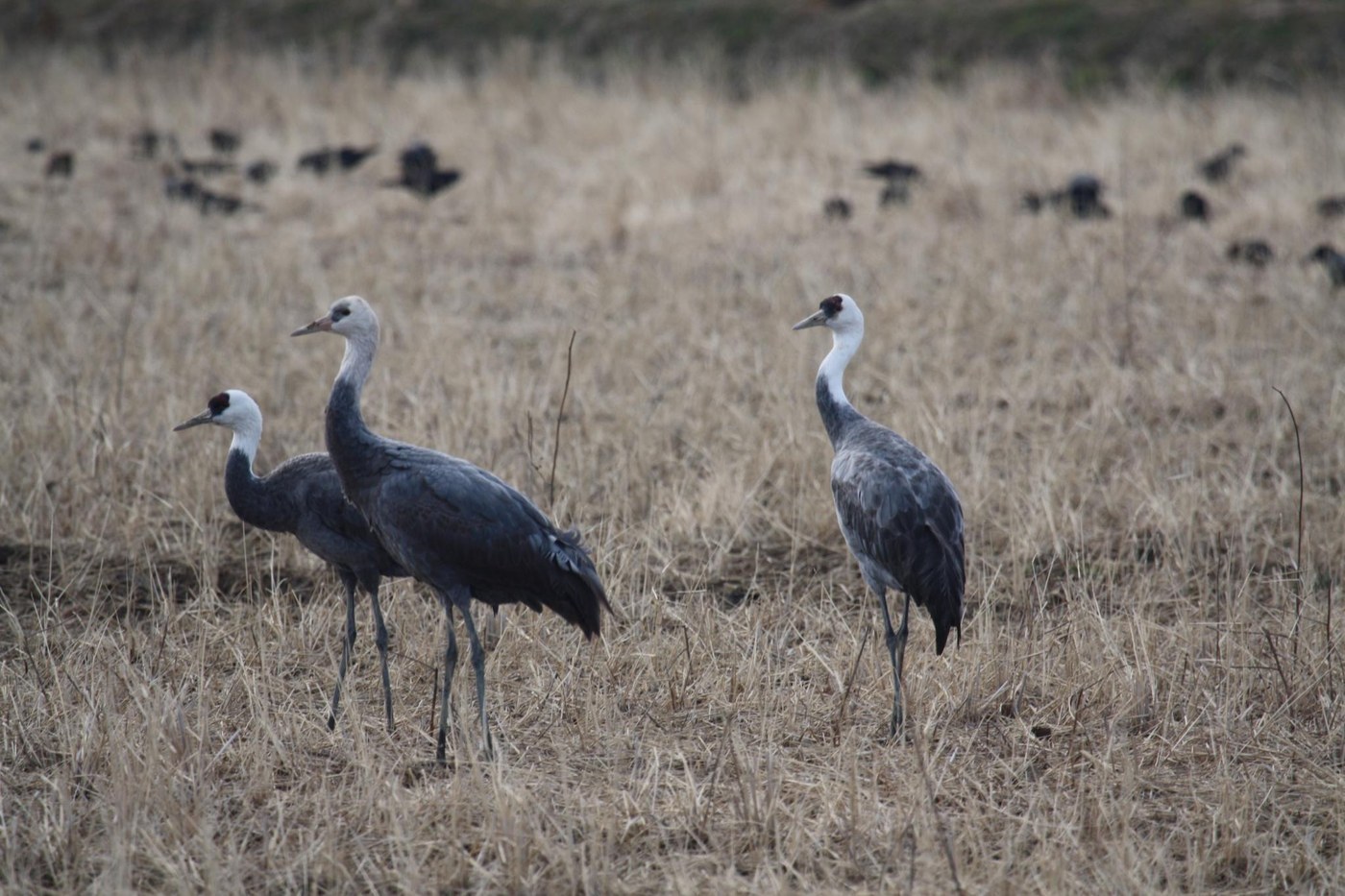
Hooded Crane
Dark slate-grey body feathers with a white head/upper neck 'hood' and black bustle plumes
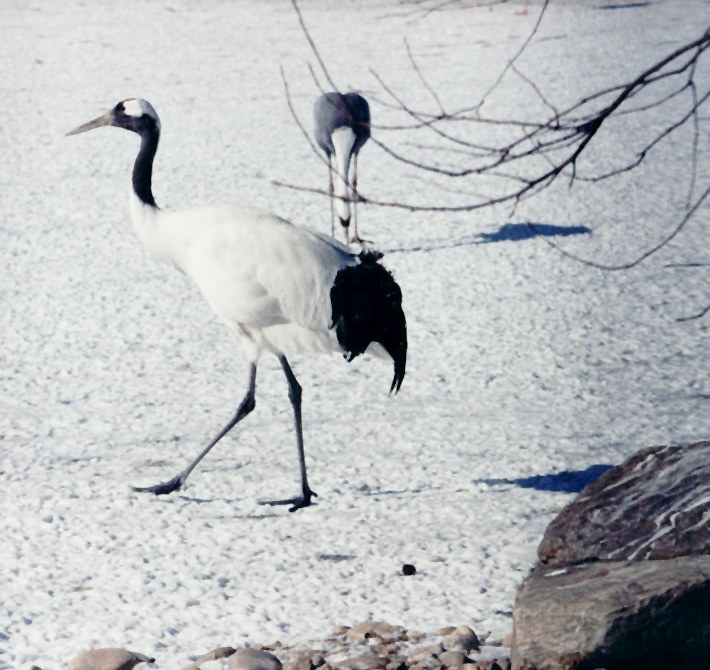
Red-crowned Crane
White contour feathers with black secondary/tertial bustle feathers and a bare red crown

Common Crane
Grey contour feathers with black head/neck feathers and drooping bustle plumes
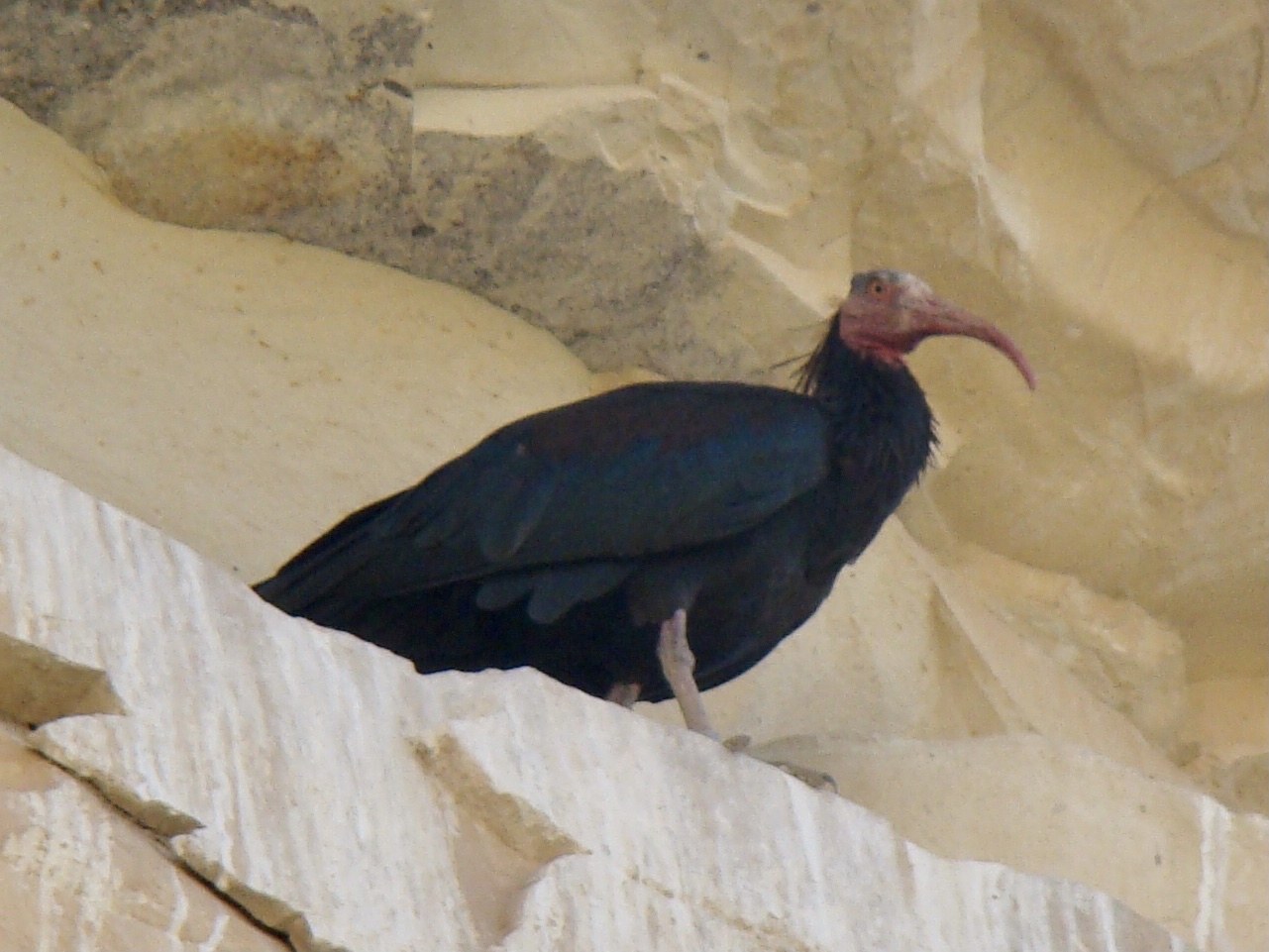
Northern Bald Ibis
Glossy black contour feathers with elongated nape plumes
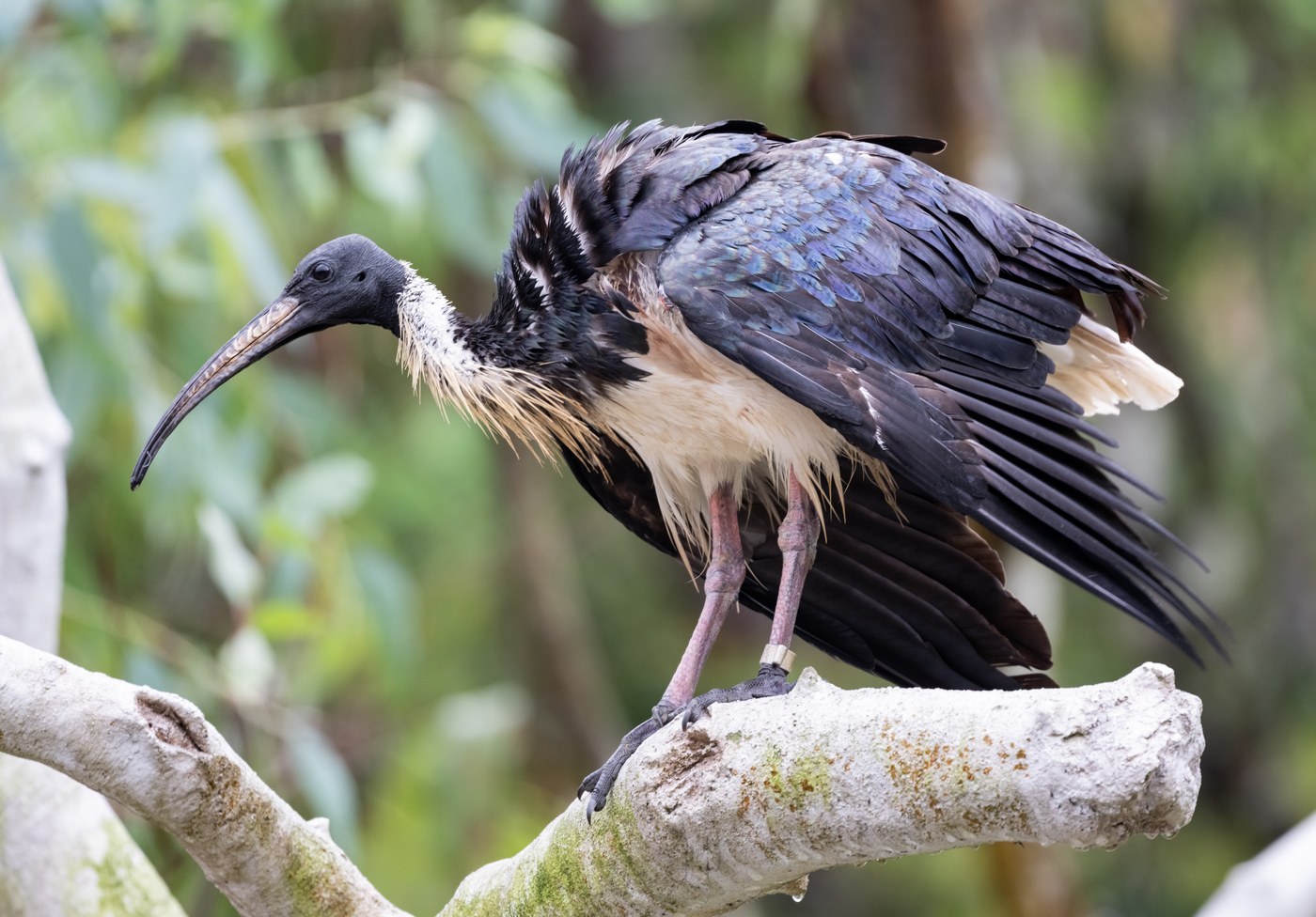
Straw-necked Ibis
Glossy contour feathers with unique straw-like neck plumes
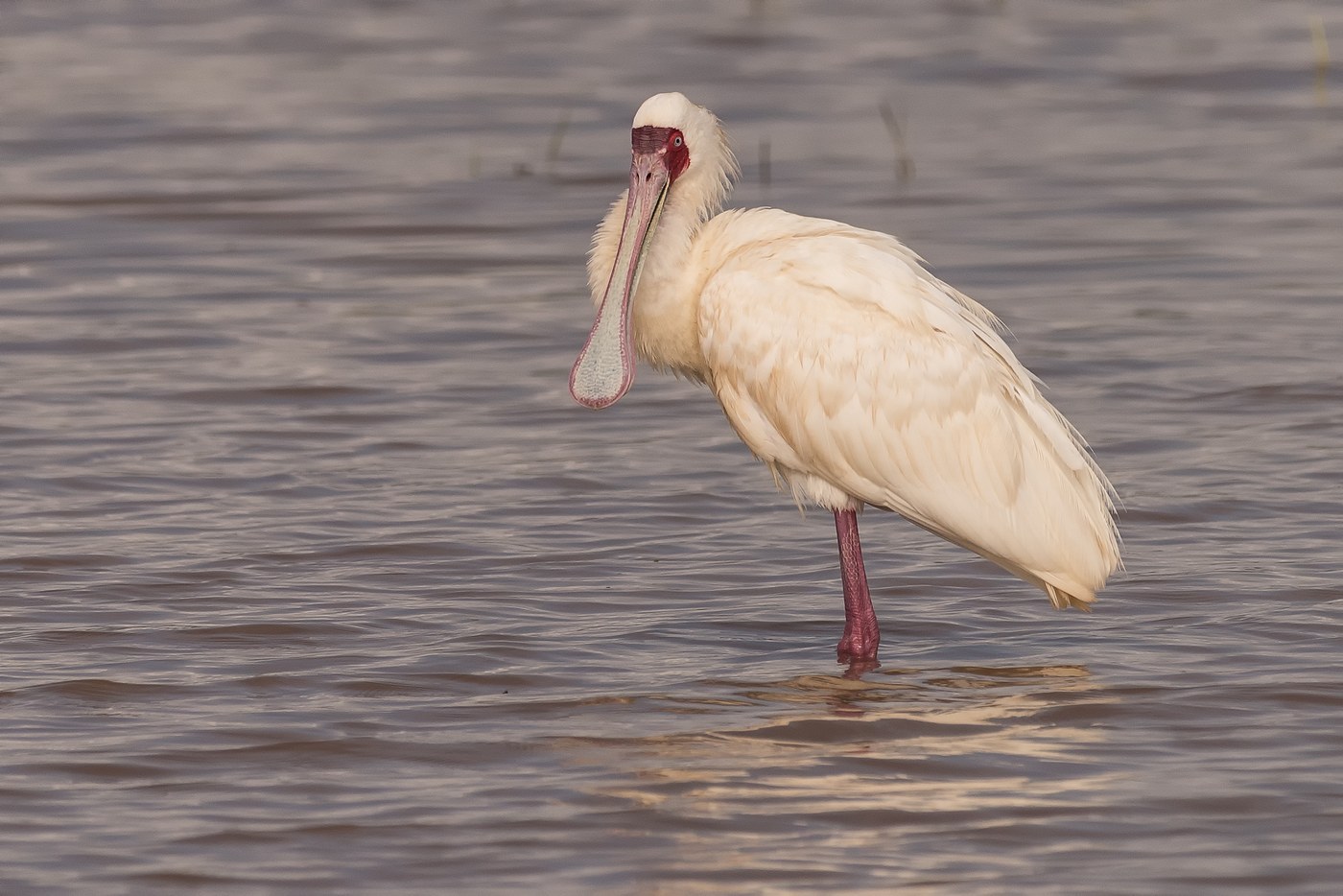
African Spoonbill
White contour and flight feathers, unmarked by black tips

Roseate Spoonbill
Pink and white contour and flight feathers with a carmine shoulder patch