

Indian Pond Heron
Ardeola grayii
A small, drably streaked heron of South Asia that seems to vanish among vegetation at rest, then reveals bright white wings the instant it flies.
- Feather type
- Streaky brown-buff contour feathers with pure white wings
- Colours
- Buff-brown body, white wings and belly
- Bird size
- Small, ~42-45 cm tall
Found a feather like this?
Identify any feather from a photo, free.
Overview
Overview
The Indian Pond Heron is a small, common heron of South Asia, closely resembling other pond herons in its dramatic contrast between an unassuming, streaky resting plumage and brilliant white wings in flight. It is a familiar sight around paddy fields, ponds, and ditches throughout its range.
- Small heron with a dull, streaky brown-buff body at rest
- Wings and belly flash pure white in flight, contrasting sharply with the body
- Extremely common around ponds, ditches, and rice paddies across South Asia
Identifying the Feather
Feather Identification
Indian Pond Heron body feathers are buff to brown with fine dark streaking, closely resembling those of the Squacco Heron and Chinese Pond Heron. Wing covert and flight feathers are pure white, creating the same white-wing/buff-body contrast typical of pond herons. Range is the most reliable way to separate this species' feathers from its close relatives, since the plumage patterns are extremely similar.
- Buff-brown streaked body feathers with pure white wing feathers matches the pond heron pattern
- Virtually identical in feather appearance to Squacco Heron and Chinese Pond Heron; geographic range (South Asia) is the best distinguishing clue
- Small feather size consistent with a compact body
- Breeding birds show longer, paler plumes on the head and back
Plumage & Molt
Plumage
Breeding adults have a maroon-chestnut back, a whitish streaked head and neck, elongated pale plumes on the crown and back, and white wings visible in flight. Non-breeding adults are duller, mostly buff-brown with fine streaking, and lack the long plumes. Juveniles resemble non-breeding adults, heavily streaked with brown above and paler below, retaining the diagnostic white wings. Molt occurs seasonally, with breeding plumes and coloration developing before the nesting season and fading afterward.
Habitat & Range
Habitat & Range
The Indian Pond Heron is widespread across the Indian subcontinent and neighboring parts of South Asia, extending into parts of the Middle East. It is closely tied to shallow freshwater habitats, including rice paddies, ponds, ditches, and marsh edges, often in close proximity to human settlements and agriculture. Most populations are resident, with some local movements tied to water availability.
Behavior & Field Notes
Behavior & Field Notes
This heron forages patiently, standing still or walking slowly at the edge of shallow water before striking at small fish, amphibians, and aquatic invertebrates. Its drab, streaky plumage allows it to remain inconspicuous until flushed, at which point the sudden appearance of white wings is a distinctive and often surprising field mark. It nests colonially, often alongside other herons and egrets, building stick nests in trees near water. Its call is a harsh croak, mainly given at nesting colonies or when disturbed. Its tolerance of human-modified landscapes, especially rice paddies, makes it one of the most frequently encountered herons across its range.
Frequently asked questions
How can I identify an Indian Pond Heron feather?
Look for buff-brown, streaked body feathers paired with pure white wing feathers, keeping in mind this pattern is shared by other pond herons in different regions.
Why does the Indian Pond Heron look so different at rest and in flight?
Its body plumage is dull and streaky for camouflage, but its wings are pure white and only become visible once it takes flight.
Where is the Indian Pond Heron commonly found?
Throughout South Asia, especially around rice paddies, ponds, and marsh edges, often near human settlements.
How is the Indian Pond Heron different from the Chinese Pond Heron?
The two are extremely similar in plumage pattern, and range is generally the most reliable way to tell them apart in the field.
Indian Pond Heron guides
In-depth guides for identifying and understanding Indian Pond Heron.

Other feathers you may enjoy

Yellow-billed Spoonbill
White contour and flight feathers with fine breeding plumes on the back and breast
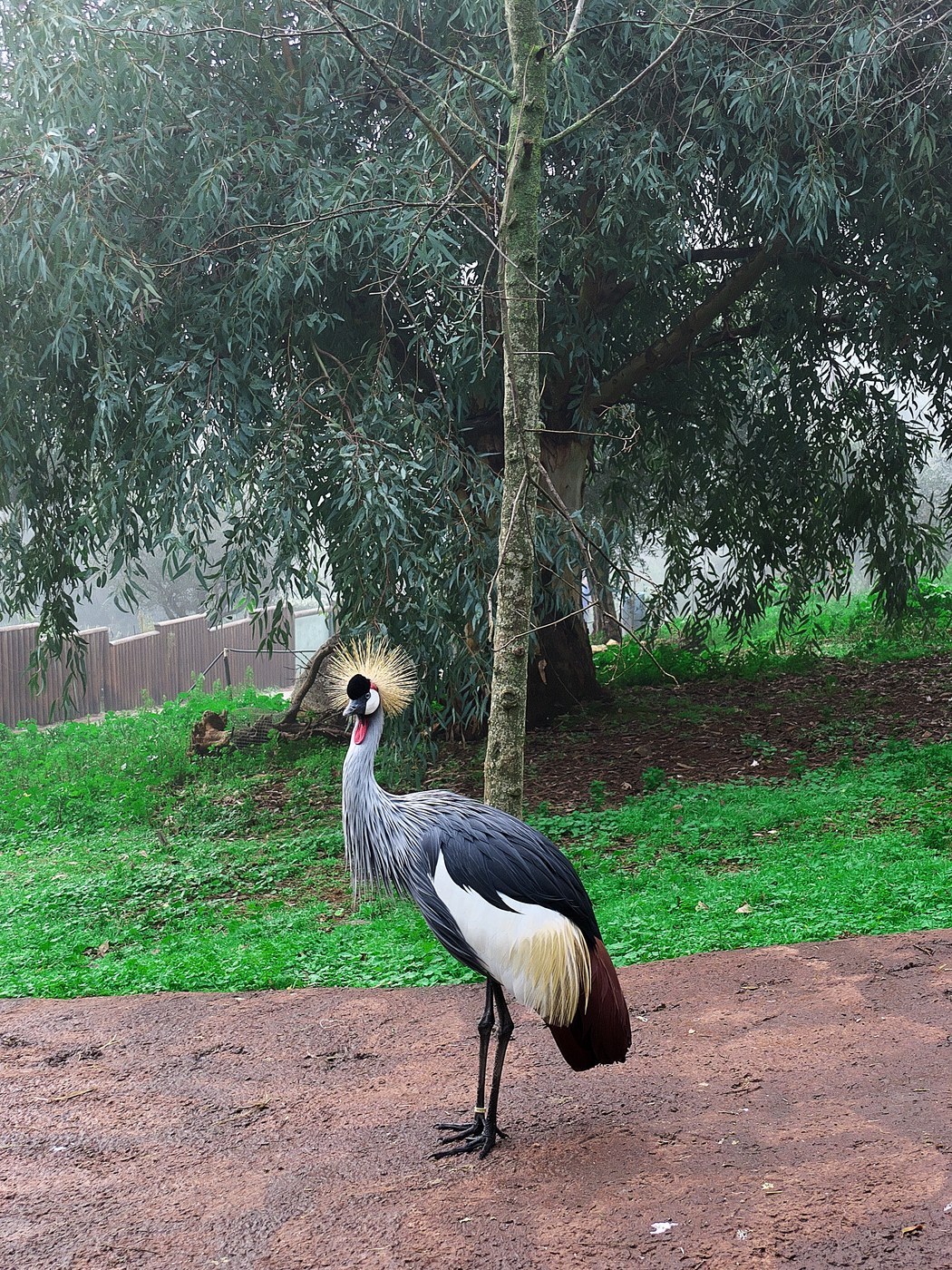
Grey Crowned Crane
Grey body feathers with white wing coverts, chestnut flight feathers, and stiff golden crown bristles
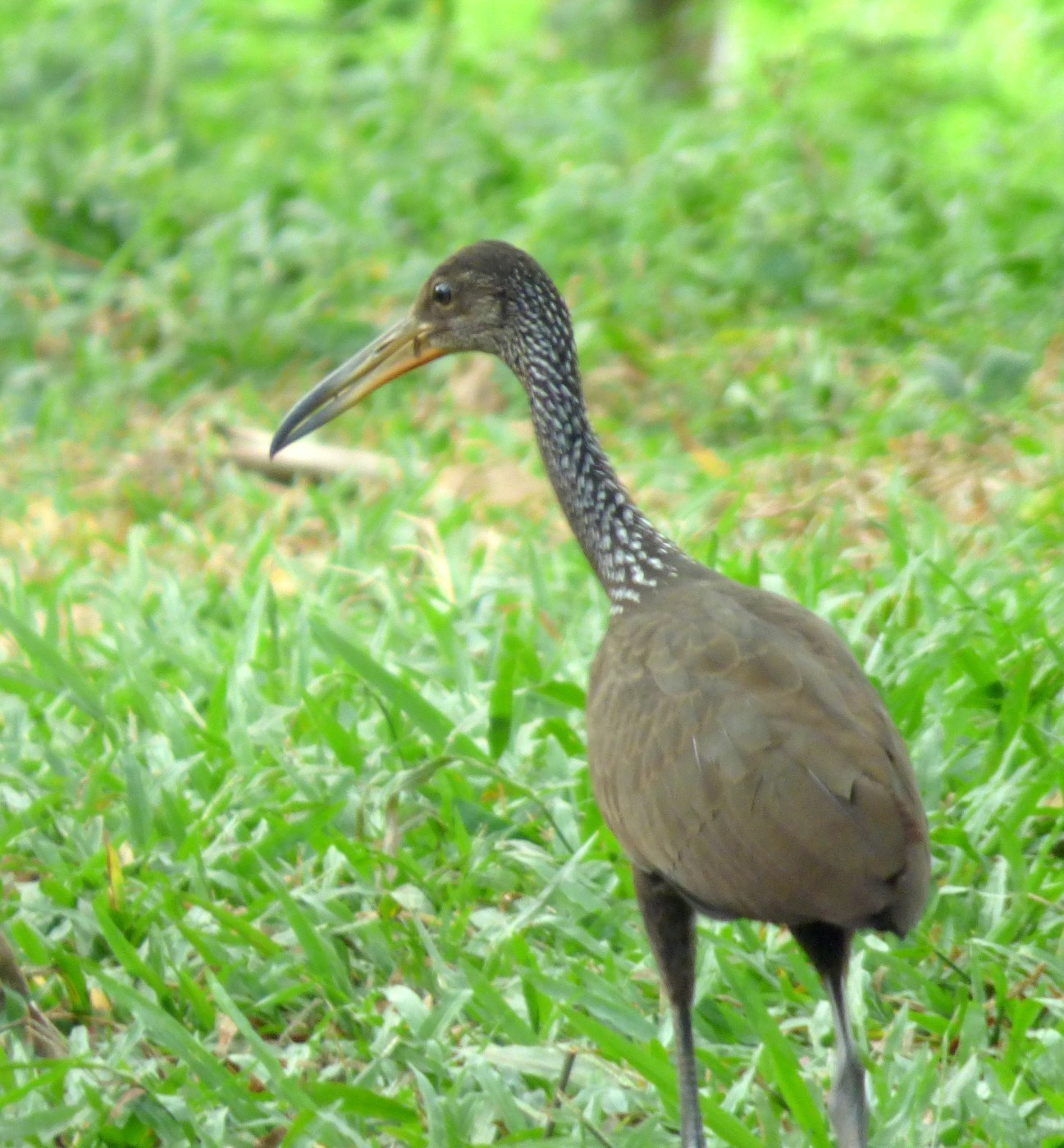
Limpkin
Brown contour feathers with white teardrop-shaped spots and streaks
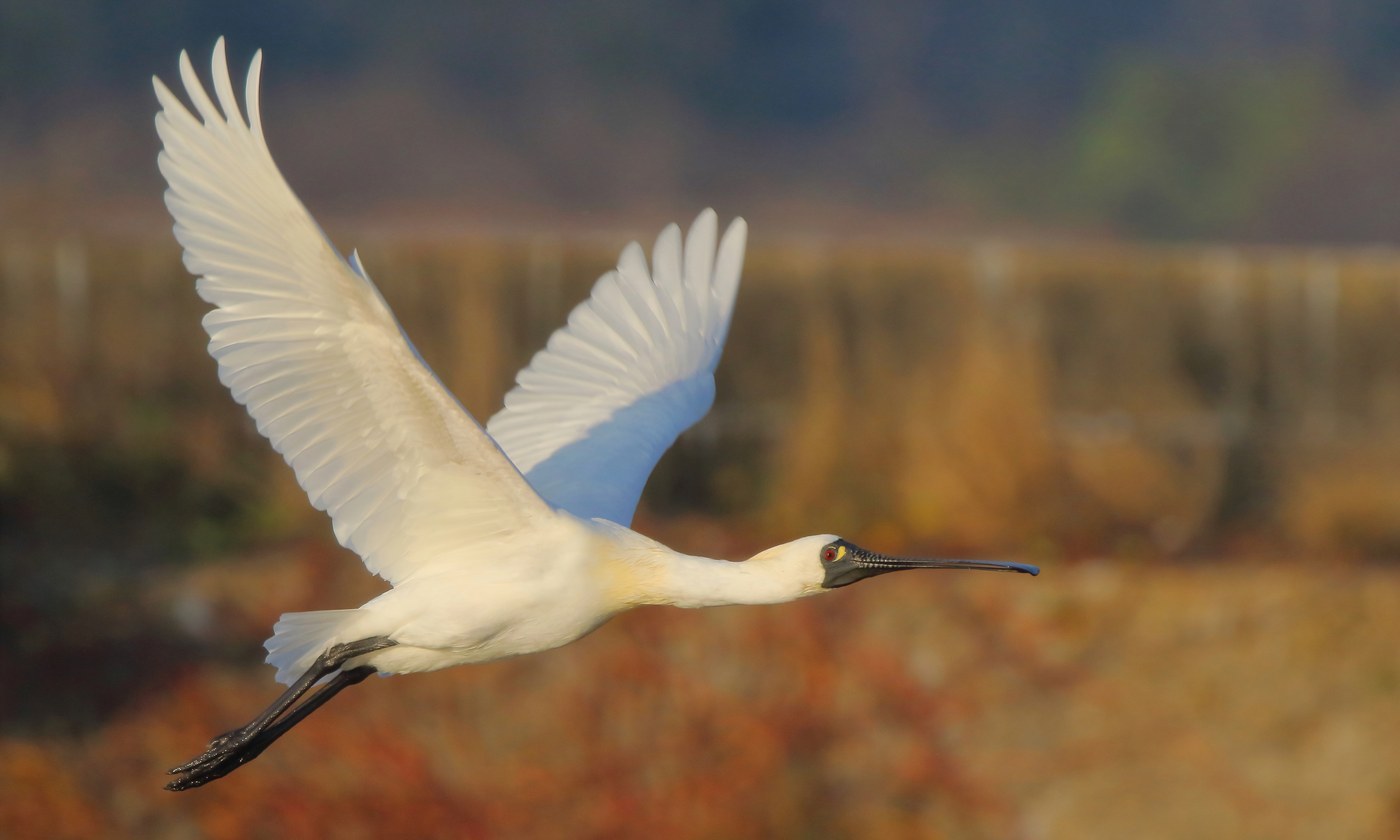
Black-faced Spoonbill
White contour and flight feathers with fine breeding crest and breast plumes
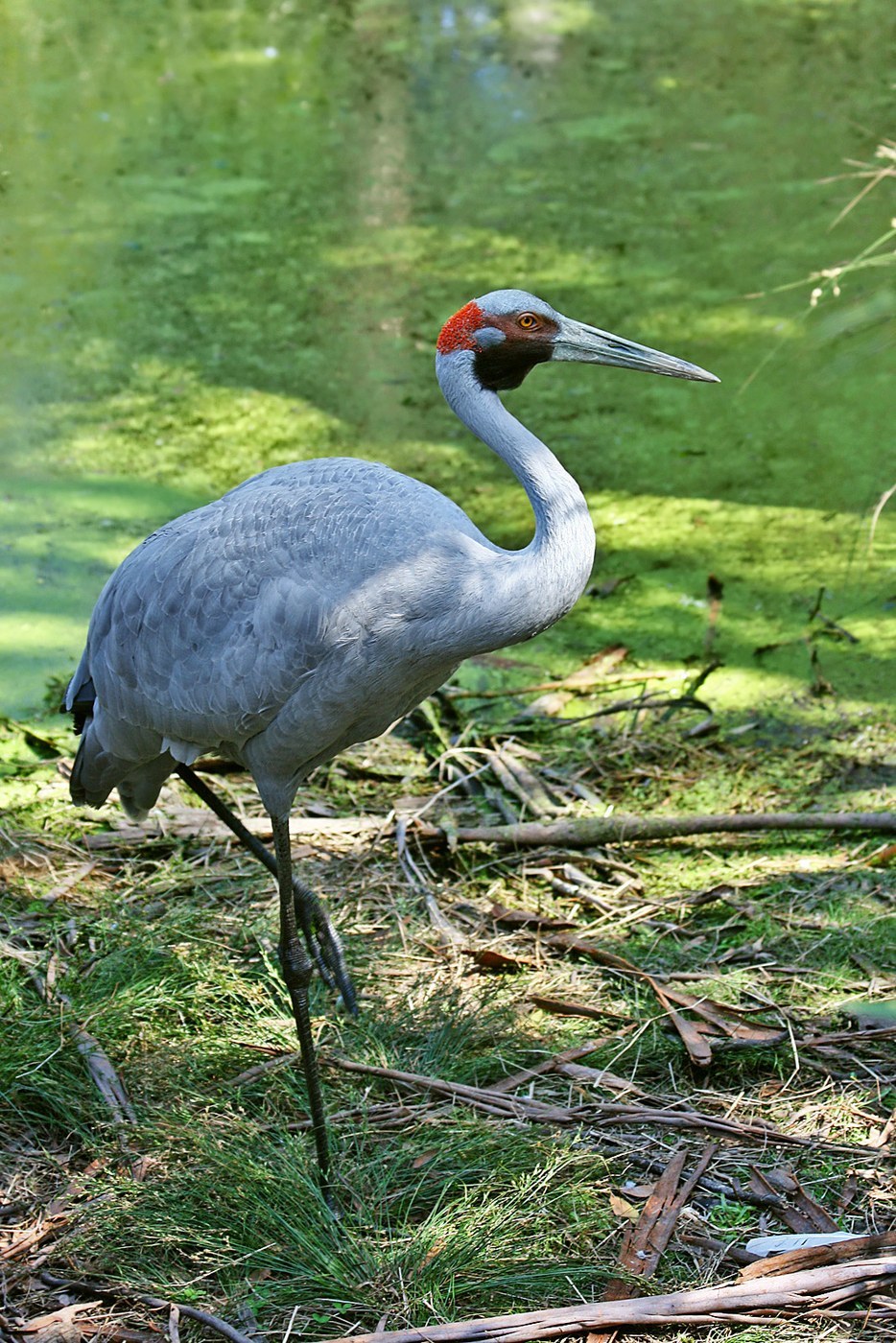
Brolga
Grey contour feathers with drooping bustle plumes
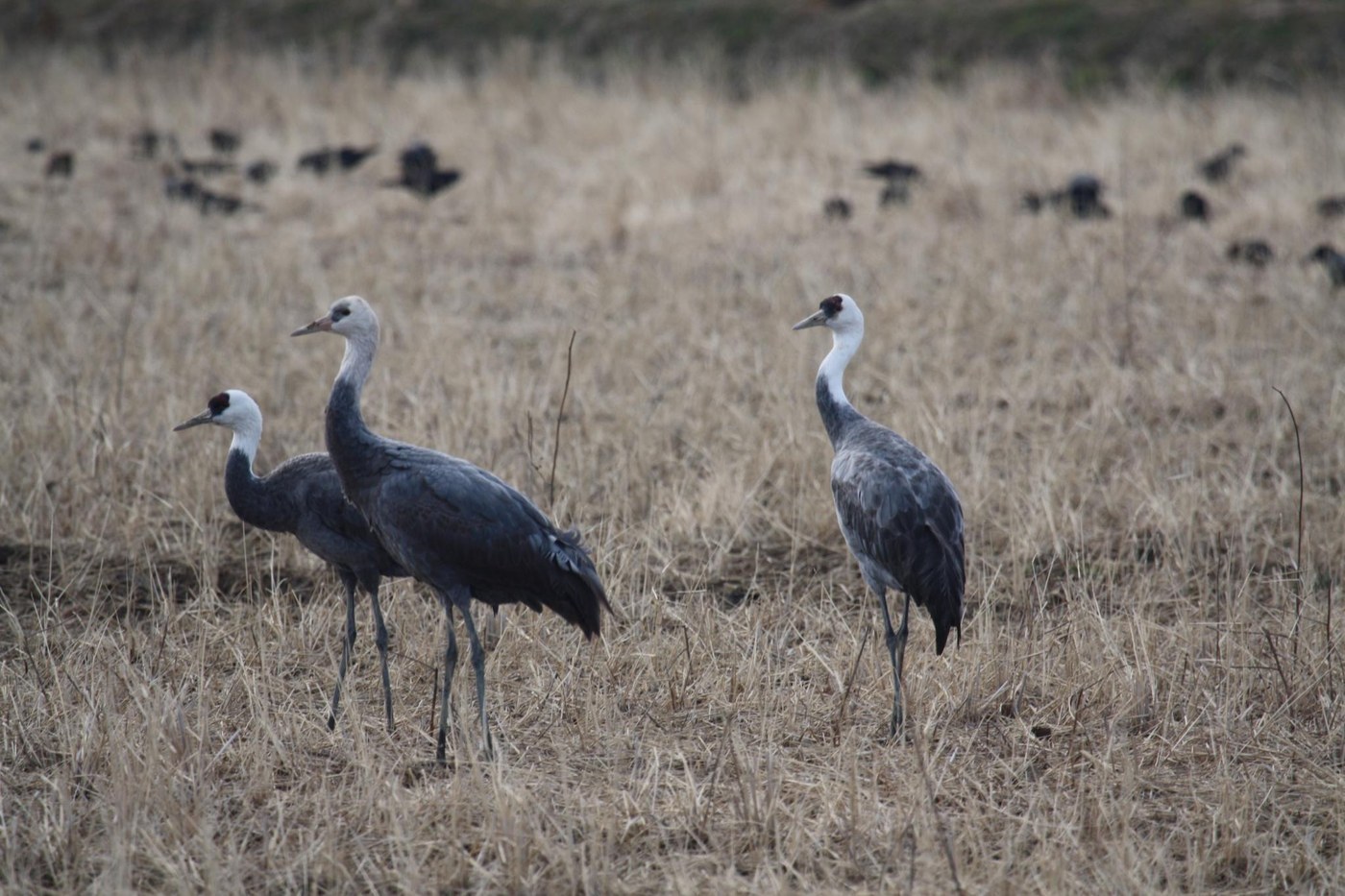
Hooded Crane
Dark slate-grey body feathers with a white head/upper neck 'hood' and black bustle plumes
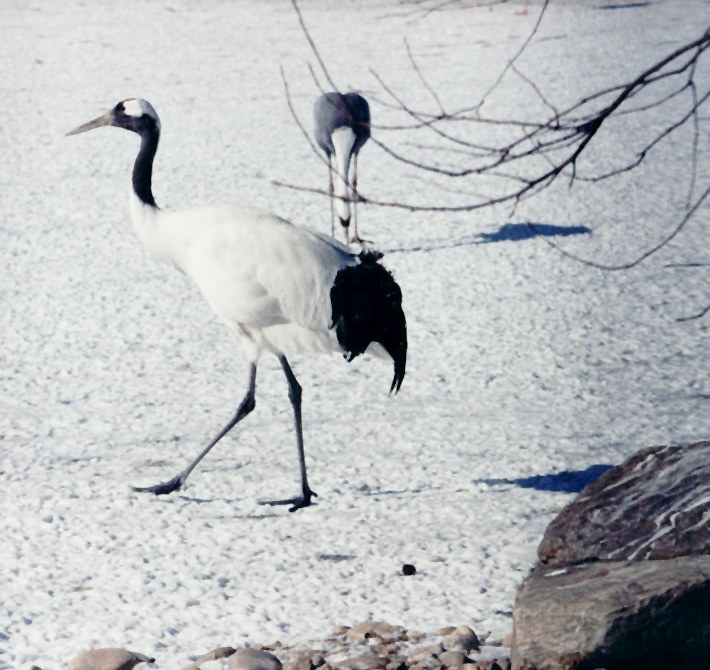
Red-crowned Crane
White contour feathers with black secondary/tertial bustle feathers and a bare red crown

Common Crane
Grey contour feathers with black head/neck feathers and drooping bustle plumes
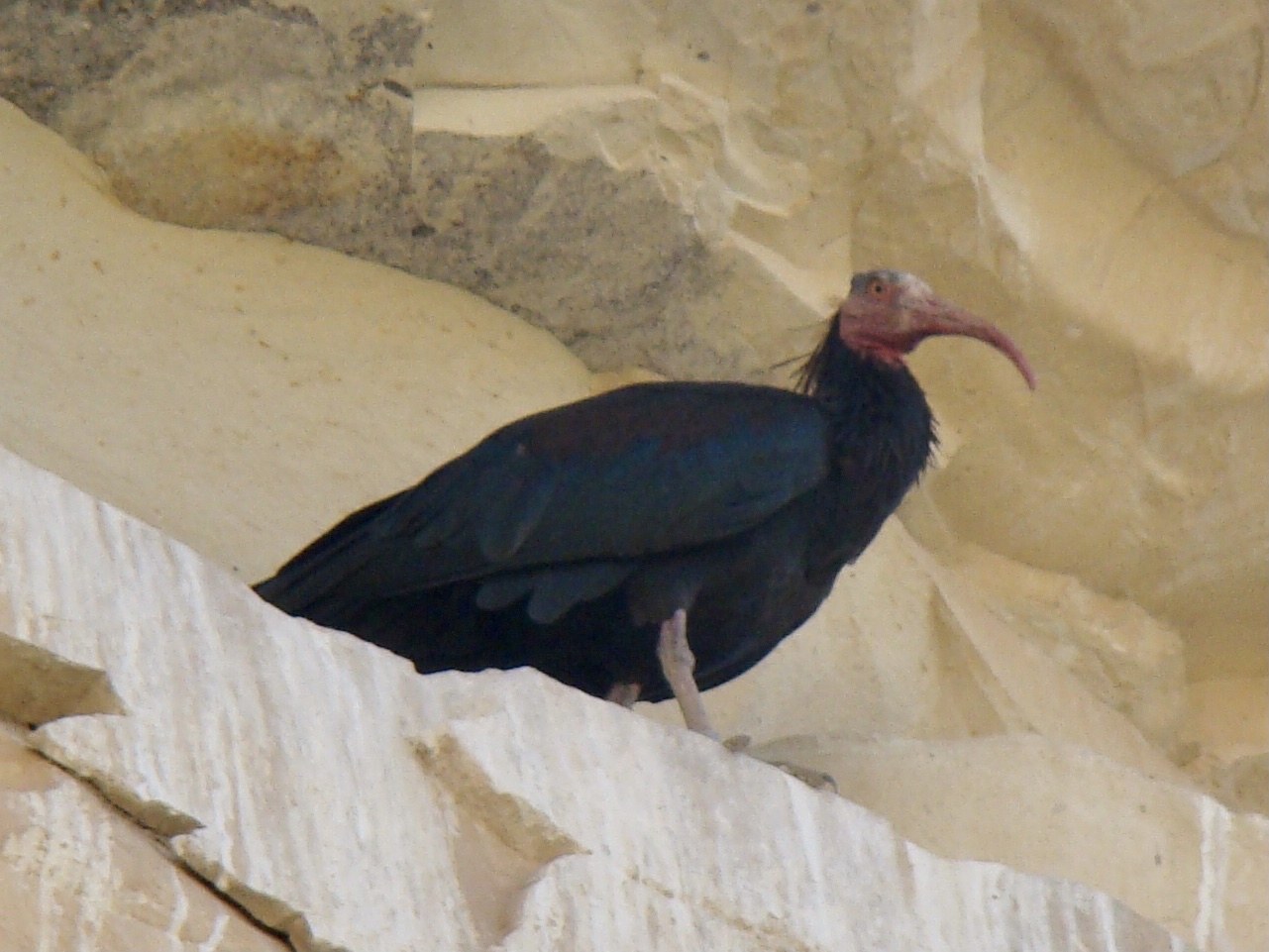
Northern Bald Ibis
Glossy black contour feathers with elongated nape plumes
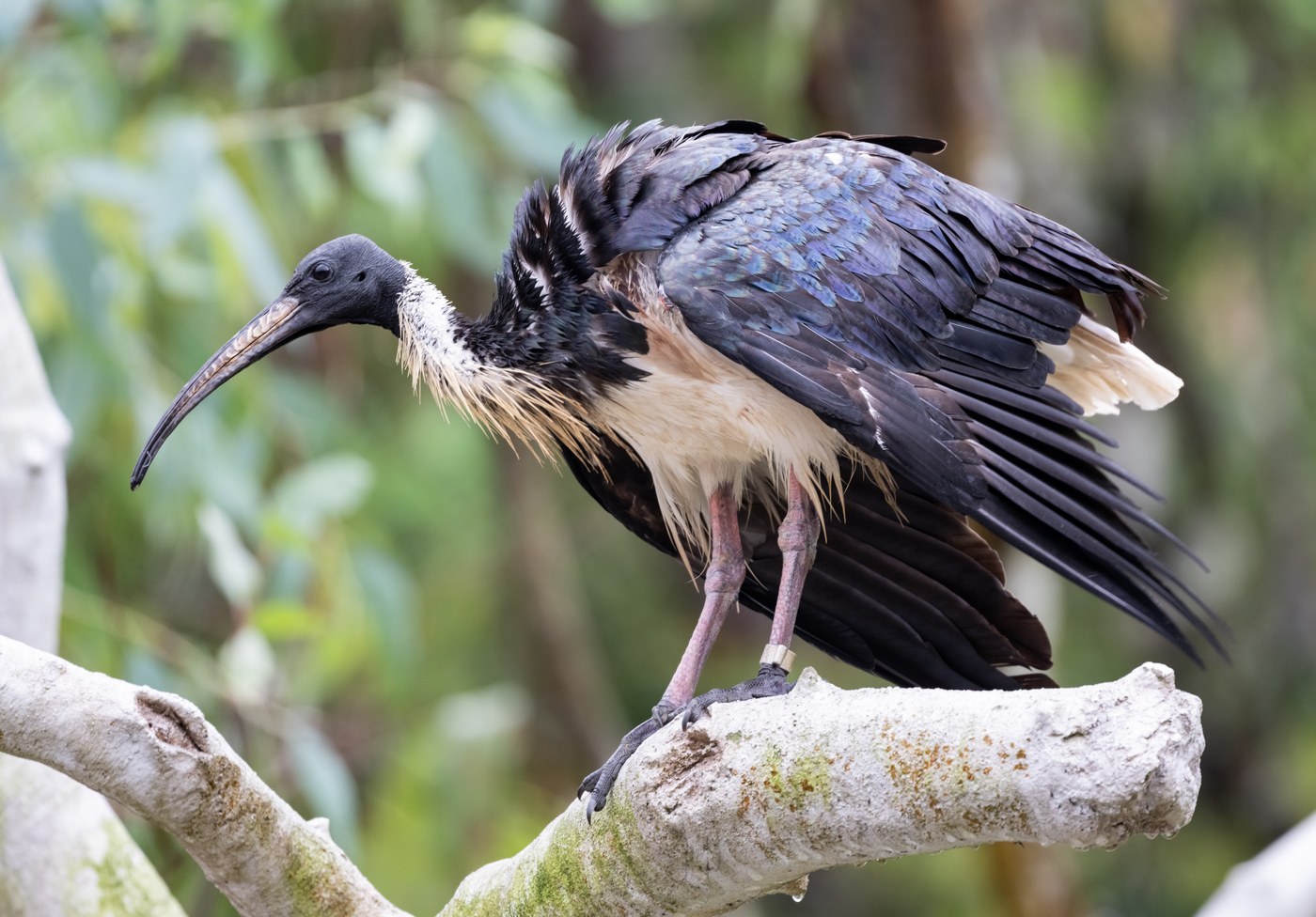
Straw-necked Ibis
Glossy contour feathers with unique straw-like neck plumes
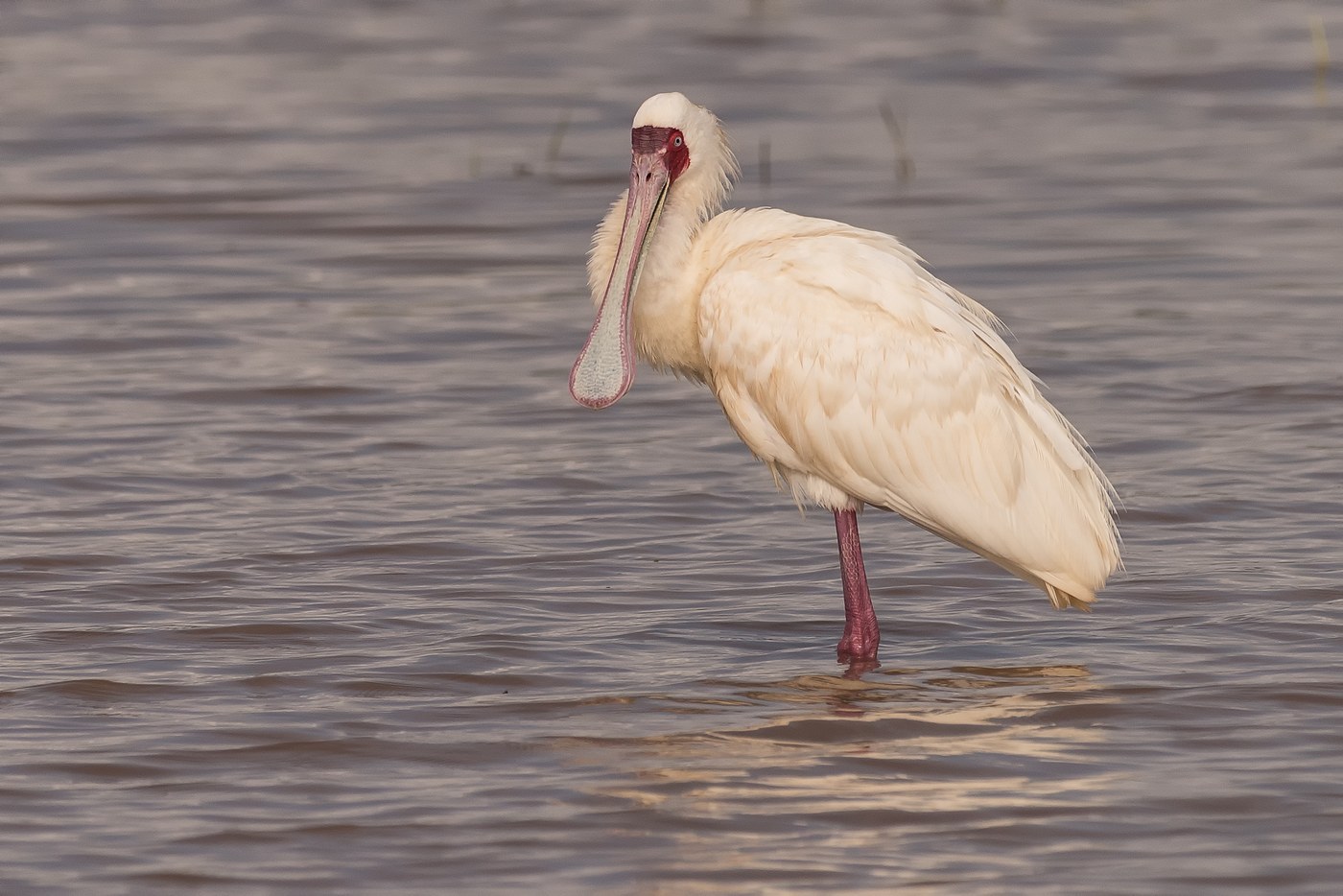
African Spoonbill
White contour and flight feathers, unmarked by black tips

Roseate Spoonbill
Pink and white contour and flight feathers with a carmine shoulder patch