

Hume's Owl
Strix butleri
Hume's Owl is a pale, desert-adapted tawny owl of the Middle East whose sandy, finely barred feathers blend seamlessly with rock and canyon walls.
- Feather type
- Softly barred flight and tail feathers; dense, downy-edged contour feathers typical of Strix owls
- Colours
- Pale sandy-buff to greyish-brown with fine dark barring and vermiculations
- Bird size
- Crow-sized, roughly 30-32 cm
Found a feather like this?
Identify any feather from a photo, free.
Overview
Hume's Owl is a medium-sized, round-headed owl found in the arid rocky deserts and canyon country of the Arabian Peninsula, the Levant, and parts of Iran and Pakistan. It was long considered a subspecies of the Tawny Owl before being recognized as a distinct species tied to desert and semi-desert habitats.
Unlike the darker, forest-dwelling Tawny Owl, this species has evolved a much paler, sand-toned plumage that matches the rock walls and gravel plains where it roosts by day. It is rarely seen but its distinctive pale feathers, when found near cliff crevices or wadi cliffs, are a strong regional clue.
Because it lives in low densities across remote terrain, feather finds are uncommon, but the combination of pale ground color and fine barring on a medium-sized flight feather helps separate it from other desert raptors and owls sharing its range.
Identifying the Feather
Shape and Size
Flight feathers are moderately broad with the soft, comb-like leading edge typical of owls, muffling wingbeats for silent flight. Primaries run roughly 18-22 cm; tail feathers are shorter and squared off.
Color and Pattern
- Ground color is pale sandy-buff to light greyish-brown, notably paler than most other tawny owl relatives
- Fine, even dark barring crosses the feather rather than bold blotches
- Underlying vermiculations give a mottled, stone-like texture that matches desert rock
Shaft and Vane
Shafts are pale buff to whitish. Body/contour feathers are soft, loosely webbed, and downy at the base for insulation and noise reduction.
Distinguishing from Similar Species
Compared to the darker brown Tawny Owl of temperate woodlands, Hume's Owl feathers are consistently paler and sandier. Compared to desert-dwelling Eagle-Owls sharing its range, its feathers are smaller and lack the heavy dark blotching of larger Bubo species.
Plumage & Molt
Adults show an overall pale sandy-grey to buffy-brown plumage with fine dusky barring across the back, wings, and tail, and a paler, lightly streaked underside. The facial disc is pale with a subtle darker rim, and the eyes are dark, giving a soft-eyed expression typical of Strix owls.
Sexes look alike, with females averaging slightly larger. Juveniles show a fluffier, more uniformly pale down before acquiring adult barring after their first molt. Adults undergo a gradual annual molt, generally outside the breeding season, replacing flight feathers over an extended period rather than all at once.
Habitat & Range
Hume's Owl occupies rocky deserts, canyons, wadi systems, and arid hillsides across the Arabian Peninsula, parts of the Sinai and Levant, and extending into Iran, Pakistan, and adjacent regions. It favors areas with cliff faces, crevices, and scattered vegetation near water sources.
The species is generally resident and non-migratory, staying within its arid home range year-round, though individuals may shift locally in response to prey availability and temperature extremes.
Behavior & Field Notes
This owl is strictly nocturnal, roosting by day in shaded rock crevices or cliff ledges where its pale plumage provides camouflage. It hunts small mammals, birds, reptiles, and large insects in and around desert vegetation and oases.
Nesting occurs in rock crevices, cliff ledges, or small caves rather than tree cavities, reflecting its treeless desert environment. Its call is a low, resonant hooting, quieter and less far-carrying than some larger owls. For feather finders, a pale sandy feather with fine even barring found near a canyon wall or wadi cliff in its desert range is a good indicator of this species.
Frequently asked questions
How can I tell a Hume's Owl feather from a Tawny Owl feather?
Hume's Owl feathers are noticeably paler and sandier overall, matching desert rock rather than the darker rufous-brown tones typical of woodland Tawny Owls.
Where would I likely find a Hume's Owl feather?
Look near rocky desert cliffs, canyon walls, and wadi crevices across the Arabian Peninsula and nearby arid regions, where the species roosts by day.
Does this owl have ear tufts?
No, like other Strix owls it has a rounded head without ear tufts.
Are the feathers soft like other owls?
Yes, its flight feathers have the same comb-like, sound-dampening edges and downy softness found across owl species, aiding silent flight.
Hume's Owl guides
In-depth guides for identifying and understanding Hume's Owl.

Other feathers you may enjoy

Tawny Owl
Wing (flight) and body (contour) feathers
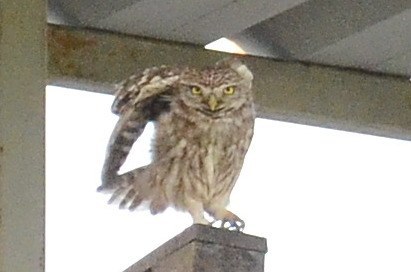
Little Owl
Wing and body feathers

Balsas Screech-Owl
Small ear-tuft feathers; soft, finely vermiculated body feathers

Blakiston's Fish Owl
Massive flight feathers with looser structure; shaggy body plumage; prominent ear-tuft feathers

Barn Owl
Wing and facial-disc feathers
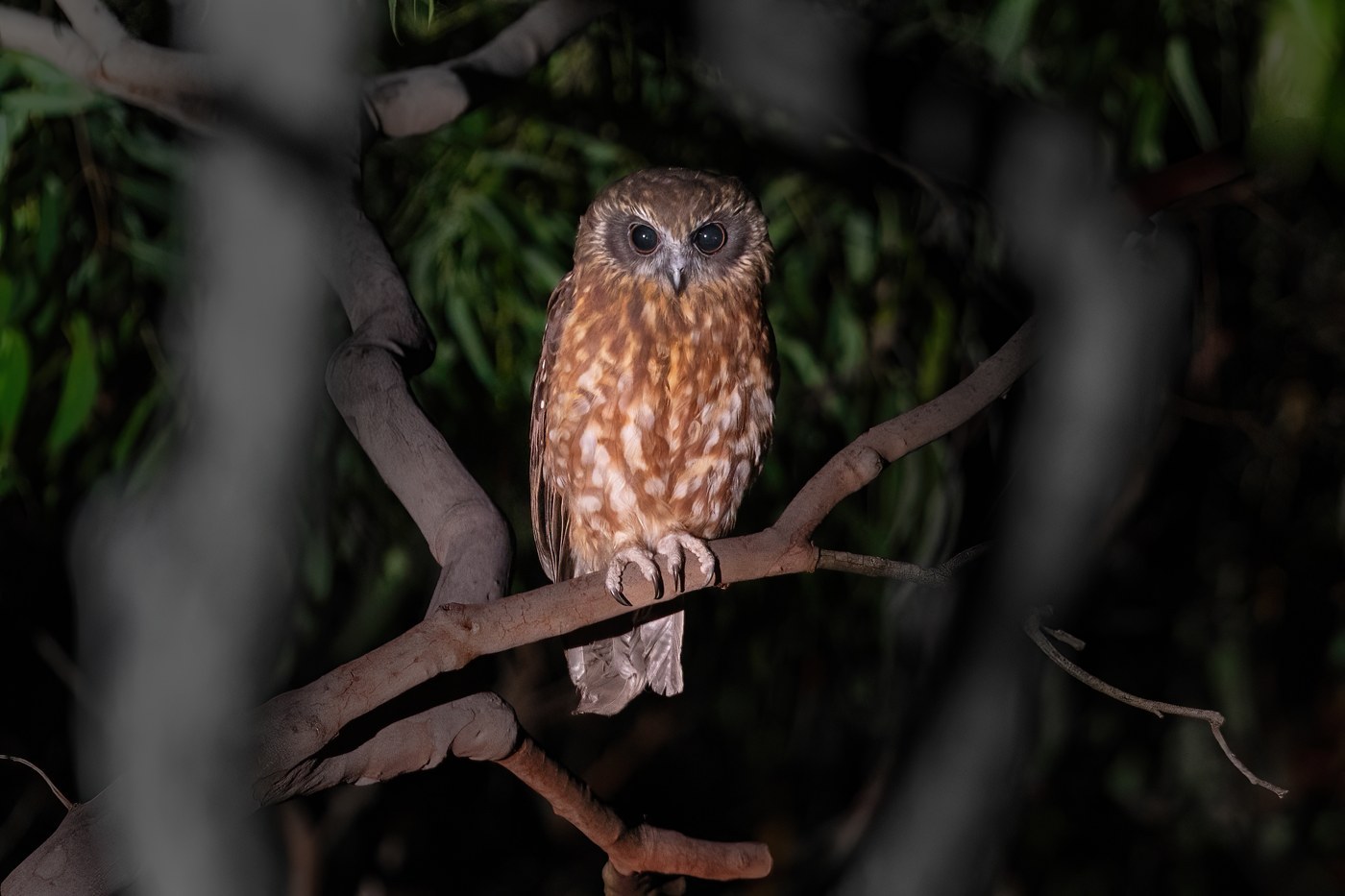
Southern Boobook
Rounded flight feathers; banded tail; spotted body plumage

Sooty Owl
Broad soft-edged flight feathers; heart-shaped facial disc feathers; finely speckled body plumage

Short-eared Owl
Broad soft-fringed flight feathers; streaked body feathers; tiny, rarely visible ear tufts

Stygian Owl
Dark, mottled flight and body feathers with long, closely-set ear tufts
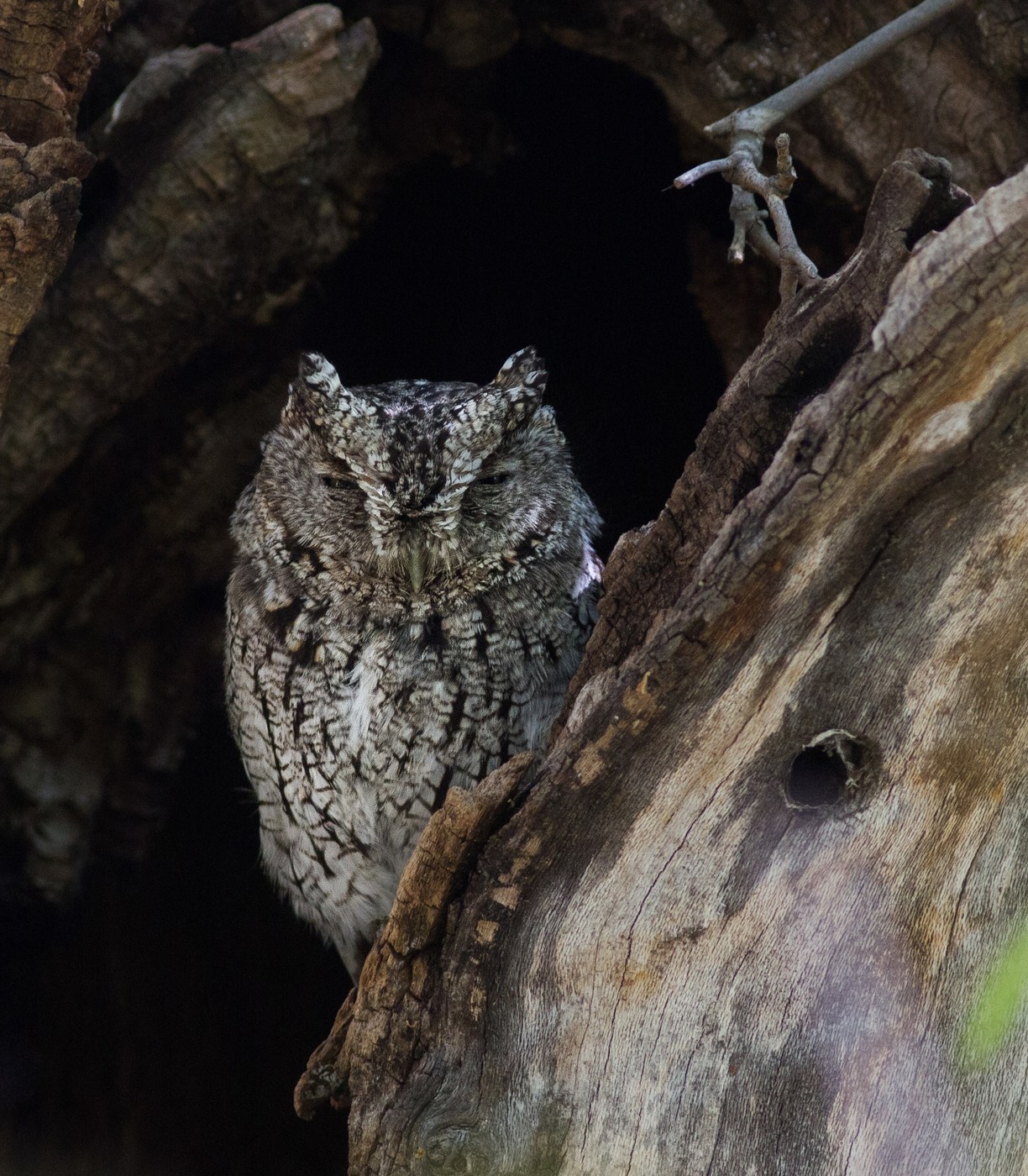
Whiskered Screech-Owl
Small soft-fringed flight feathers; finely mottled body feathers; short ear tufts
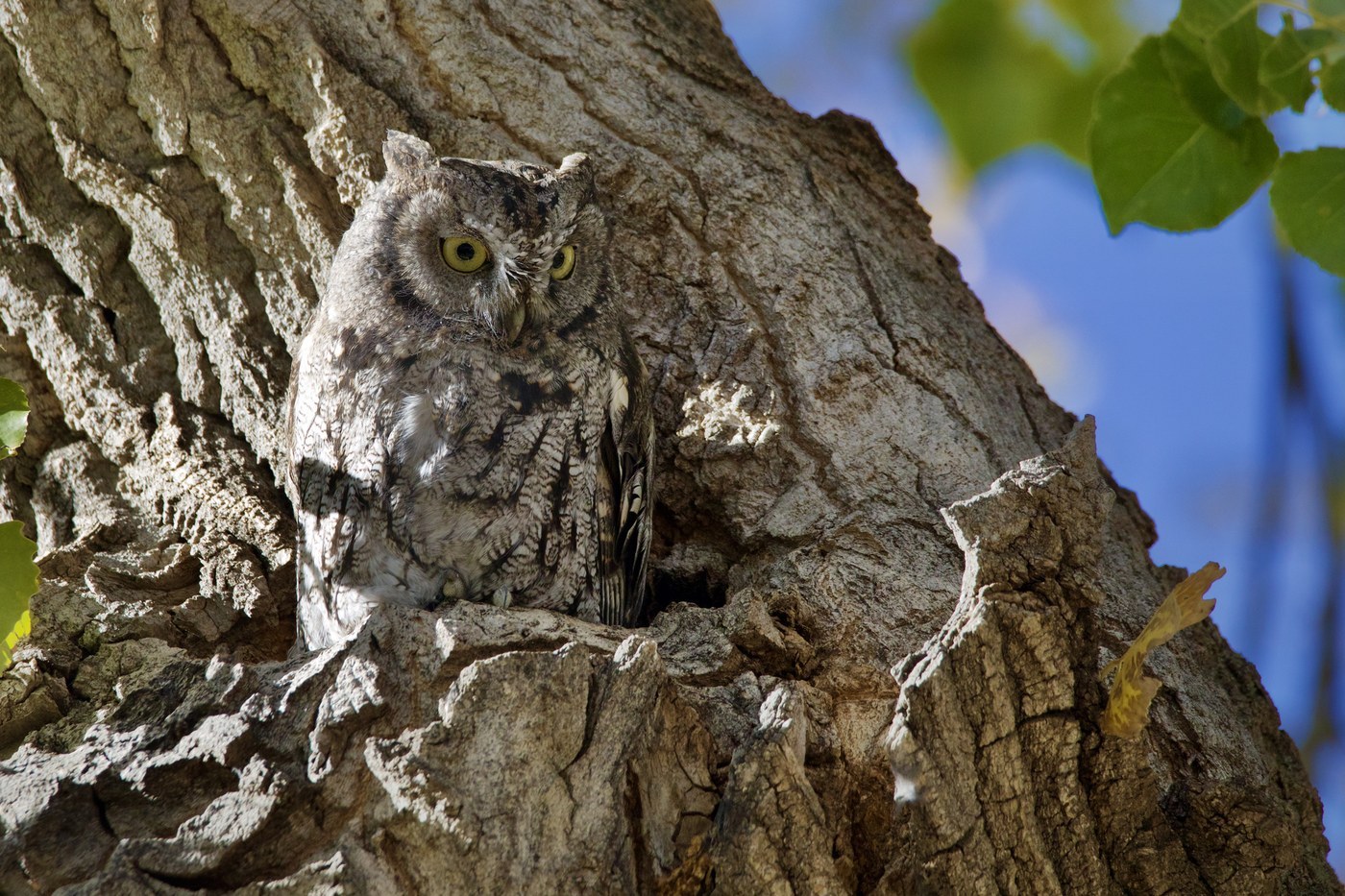
Western Screech-Owl
Small soft-fringed flight feathers; cryptic mottled/streaked body feathers; short ear tufts

White-faced Scops Owl
Small to medium flight feathers with a distinctive whitish facial disc and long ear-tuft plumes