

Grey Crowned Night Heron
Gorsachius melanolophus
A secretive, forest-dwelling night heron of South and Southeast Asia, cloaked in warm chestnut-rufous plumage with a blackish crown and short nape crest.
- Feather type
- Broad, soft-webbed body and wing feathers; short blackish crest plumes on the crown
- Colours
- Rich chestnut-rufous body feathers with a blackish crown and finely vermiculated wing coverts
- Bird size
- Medium heron, ~48-51 cm
Found a feather like this?
Identify any feather from a photo, free.
Overview
The Grey Crowned Night Heron is a stocky, thick-necked heron that favors shaded forest streams, swamp forest, and mangrove edges across South and Southeast Asia rather than the open marshes used by many of its relatives. Its common name refers to the dark, almost blackish crown that tops an otherwise warm rufous-chestnut body, a combination that sets it apart from the grey-and-black Black-crowned Night Heron familiar in much of the world.
Because it is largely nocturnal and roosts quietly in dense cover by day, it is rarely observed and its feathers are an uncommon find. When one does turn up near shaded tropical streams or mangrove creeks, the rich rufous body plumage combined with fine dark vermiculations on the wing coverts is a strong clue to this species.
It is a solitary, retiring bird, more often detected by a sudden low flush from streamside vegetation than by prolonged observation, and its plumage is built for blending into dappled forest light rather than for open-water visibility.
Identifying the Feather
Shape and Size
Body and covert feathers are broad, soft, and loosely webbed, giving a slightly downy texture typical of night herons. Flight feathers are moderately broad and rounded at the tip, built for maneuvering through dense understory rather than long-distance flight.
Color and Pattern
- Body feathers are a warm chestnut to rufous-brown, richer and warmer than the grey tones of most other night herons.
- Wing covert feathers show fine dark vermiculations and freckling rather than bold barring.
- Crown and short nape crest feathers are blackish, contrasting sharply with the pale-streaked white throat and foreneck feathers.
- Flight feathers are duskier brown with narrow pale edging.
Shaft and Vane
Shafts are pale brown to horn-colored on body feathers, darker on the blackish crown feathers. Barbs are soft and only loosely interlocked, consistent with a bird that relies on stillness and camouflage rather than sustained flight.
Distinguishing from Similar Species
Compared to the widespread Black-crowned Night Heron, this species' body feathers are noticeably warmer and more rufous rather than grey, and its crown feathers lack the long white nuptial plumes found in that species. The fine vermiculated pattern on the wing coverts, rather than clean grey panels, is a good confirming feature.
Plumage & Molt
Adults show a warm chestnut-rufous back and underparts, a blackish crown with a short, dark nape crest, and a whitish throat streaked with dark markings down the foreneck. Wing coverts are finely vermiculated with dark freckling rather than sharply barred. Sexes look similar, with males sometimes appearing slightly richer in tone. Juveniles are heavily streaked and spotted buff-and-brown overall, lacking the solid rufous tones of adults, and take more than a year to acquire full adult plumage. Molt is not tightly seasonal across its tropical range, with feather replacement occurring gradually outside peak breeding activity.
Habitat & Range
This species occurs from India and Sri Lanka across South and Southeast Asia to the Philippines and Indonesia, inhabiting dense forest streams, swamp forest, mangroves, and wet woodland edges. It generally favors shaded, still, or slow-moving water bordered by thick vegetation rather than open wetlands. Populations in tropical parts of the range are largely resident, while some northern and higher-elevation populations shift seasonally to lower or milder areas.
Behavior & Field Notes
Grey Crowned Night Herons are primarily nocturnal and crepuscular, spending daylight hours roosting motionless in dense streamside or mangrove foliage. They forage by standing still or moving slowly at the water's edge, taking small aquatic prey such as fish, amphibians, and invertebrates from shallow water and wet leaf litter. The species is solitary and territorial outside the breeding season. Its voice is a low, muffled croaking or barking note, usually given after dark. Nests are simple stick platforms built low in trees or dense shrubs near water. For feather finders, a chestnut-toned body feather with fine dark vermiculation found near a shaded tropical stream or mangrove creek is a good indicator of this species.
Frequently asked questions
How does this heron's feather differ from a Black-crowned Night Heron's?
Its body feathers are warm chestnut-rufous rather than grey, and it lacks the long white nuptial head plumes typical of the Black-crowned Night Heron.
Why are this species' feathers rarely found?
It is nocturnal and secretive, roosting quietly in dense forest or mangrove cover by day, so molted feathers are seldom encountered.
What habitat should I check for this species' feathers?
Look along shaded forest streams, swamp forest, and mangrove creeks across South and Southeast Asia, where the species roosts and forages.
Do juveniles look like adults?
No, juveniles are heavily streaked and spotted buff-and-brown and take over a year to develop the solid chestnut adult plumage.
Grey Crowned Night Heron guides
In-depth guides for identifying and understanding Grey Crowned Night Heron.

Other feathers you may enjoy

Yellow-billed Spoonbill
White contour and flight feathers with fine breeding plumes on the back and breast
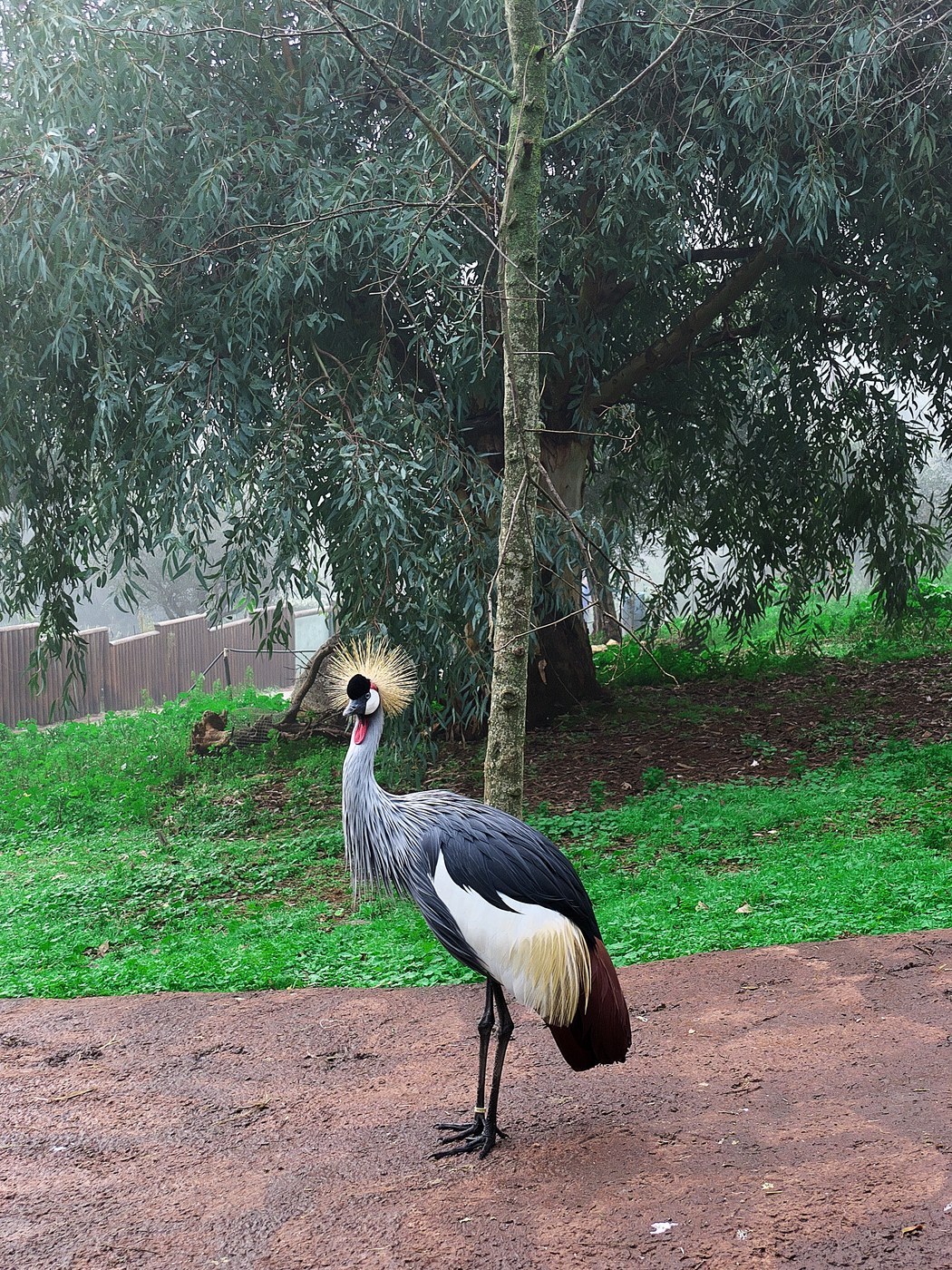
Grey Crowned Crane
Grey body feathers with white wing coverts, chestnut flight feathers, and stiff golden crown bristles
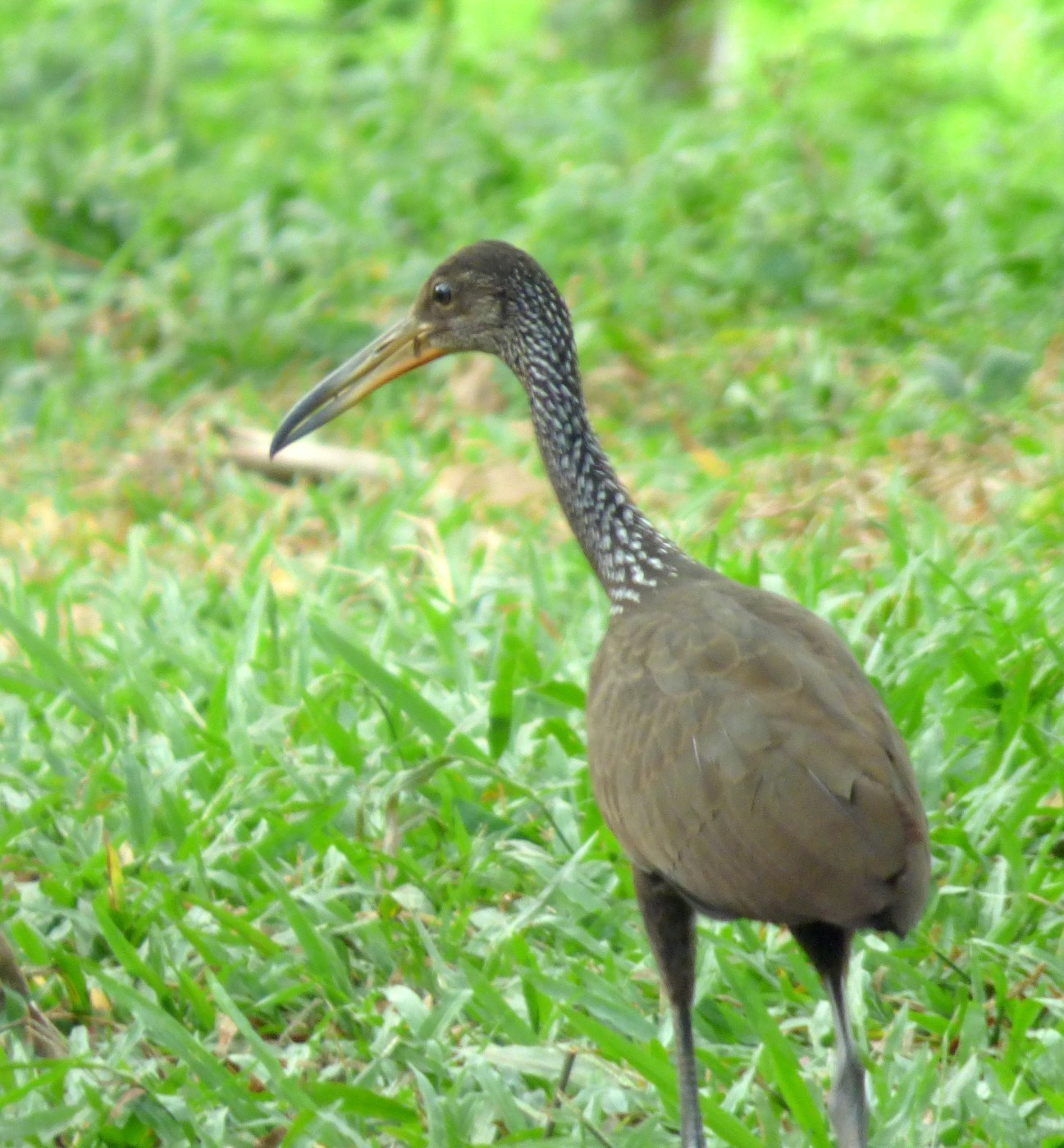
Limpkin
Brown contour feathers with white teardrop-shaped spots and streaks
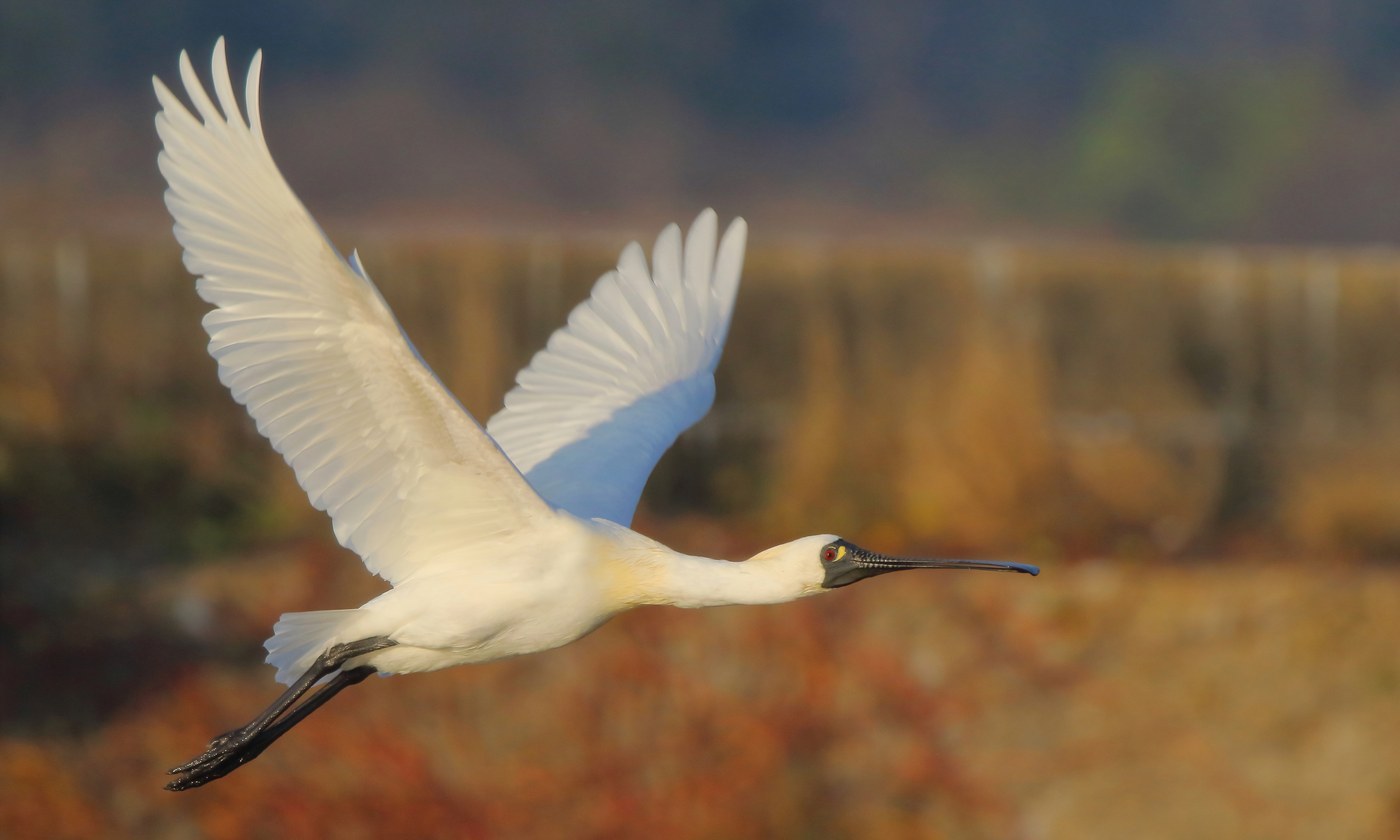
Black-faced Spoonbill
White contour and flight feathers with fine breeding crest and breast plumes
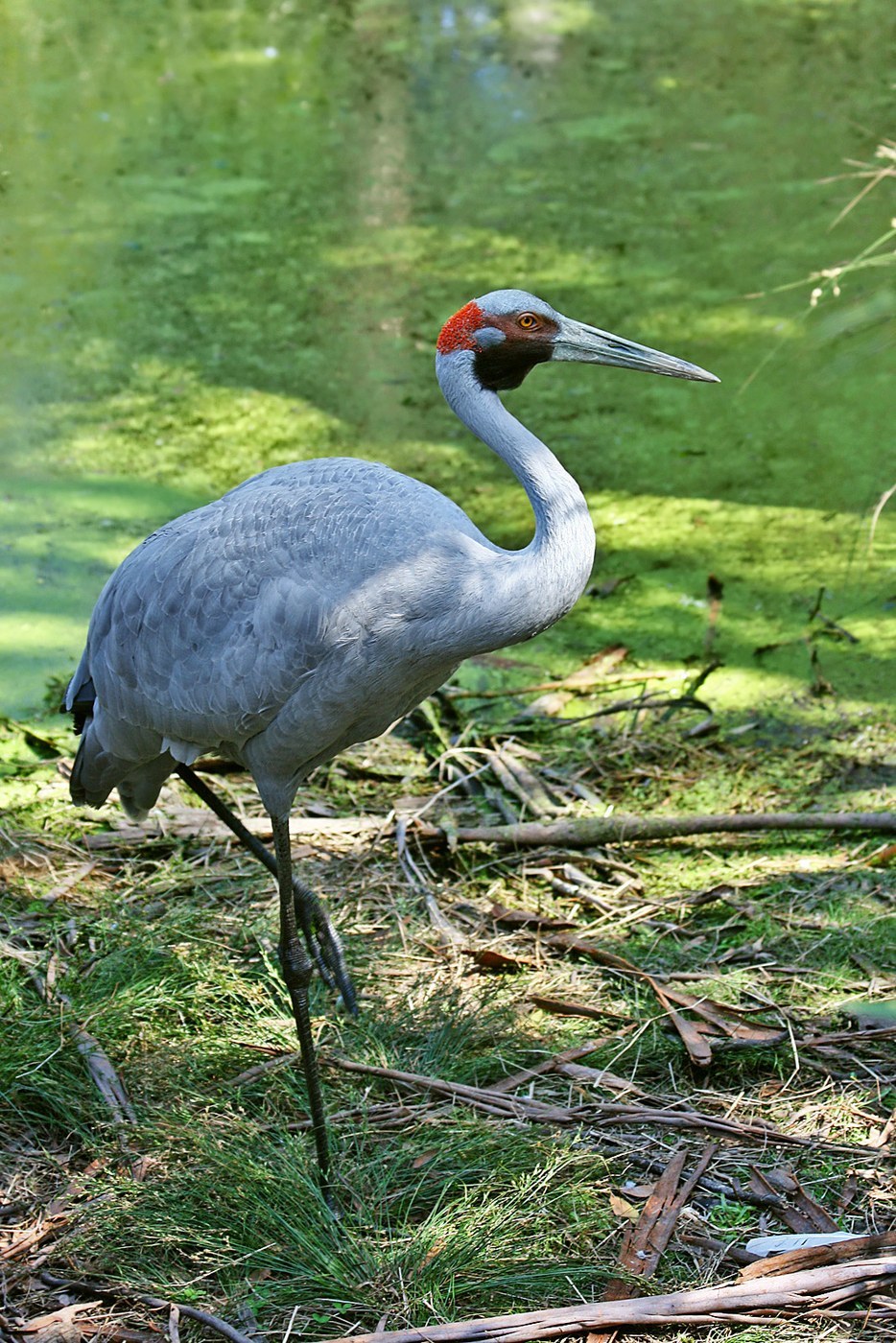
Brolga
Grey contour feathers with drooping bustle plumes
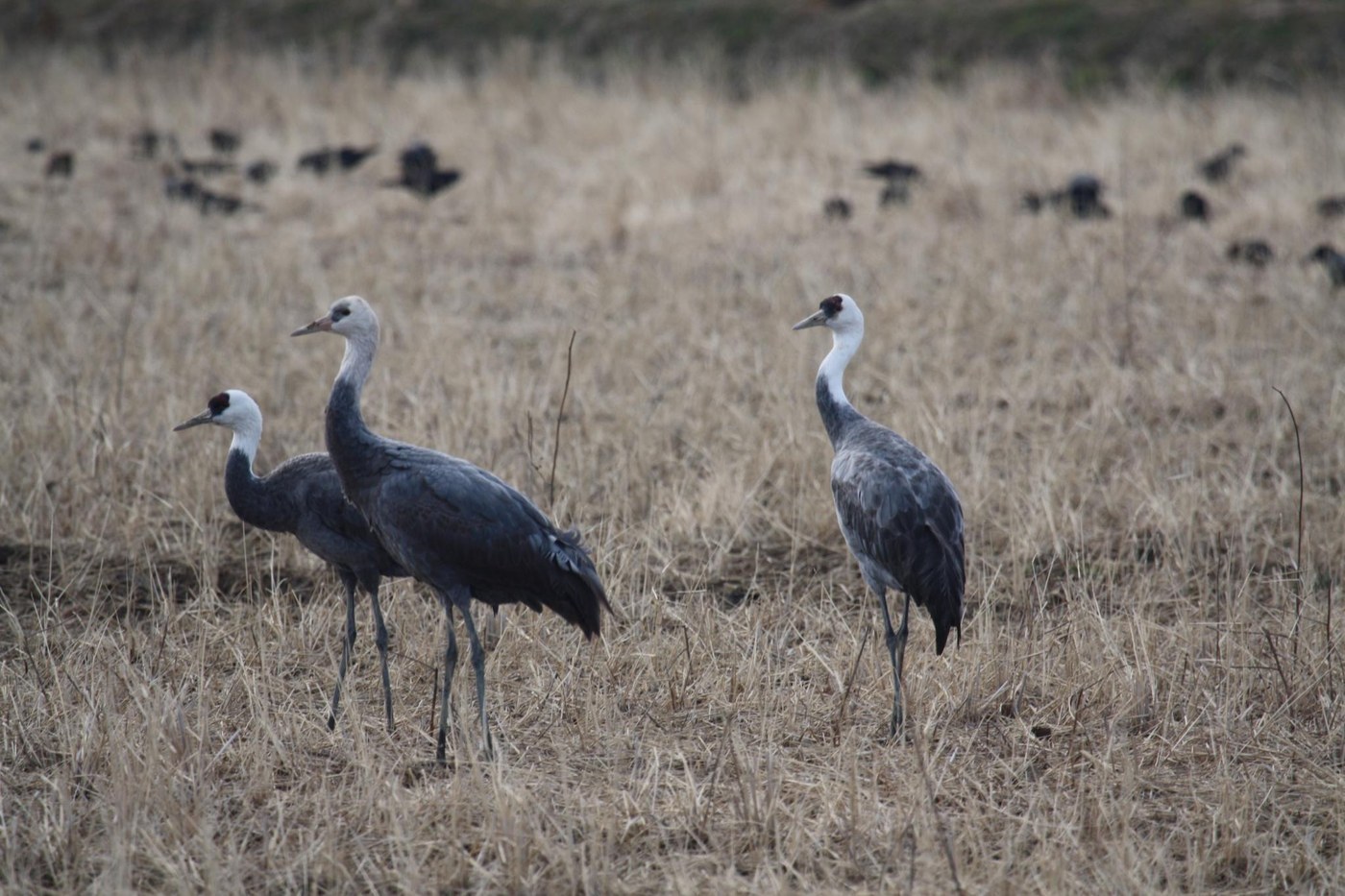
Hooded Crane
Dark slate-grey body feathers with a white head/upper neck 'hood' and black bustle plumes
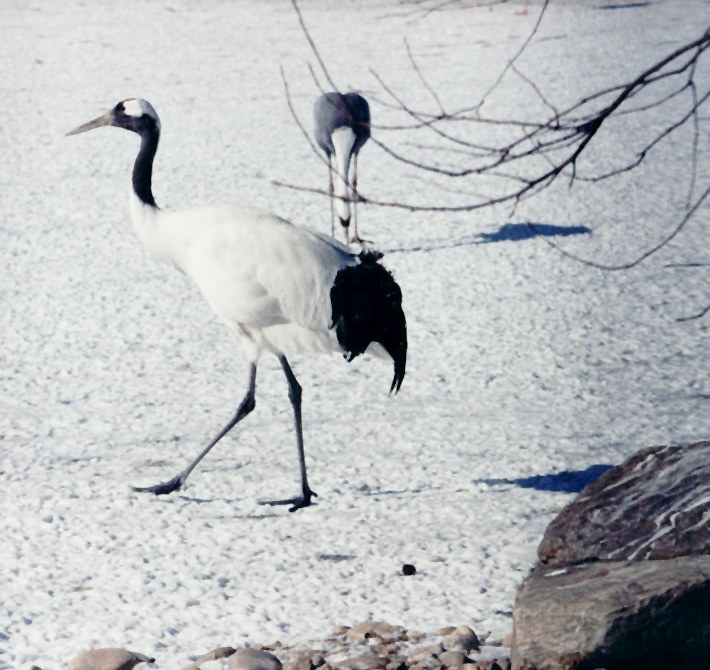
Red-crowned Crane
White contour feathers with black secondary/tertial bustle feathers and a bare red crown

Common Crane
Grey contour feathers with black head/neck feathers and drooping bustle plumes
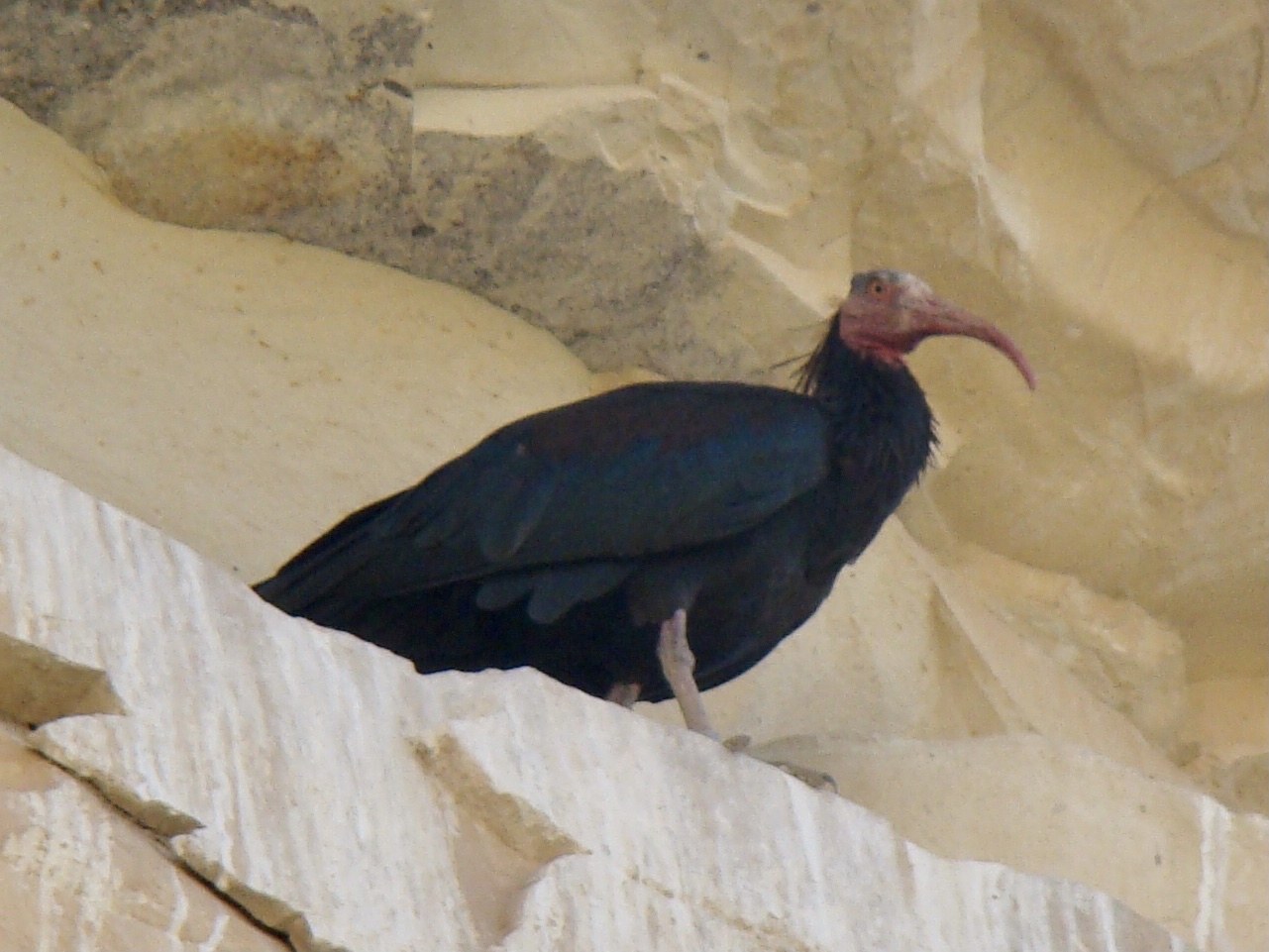
Northern Bald Ibis
Glossy black contour feathers with elongated nape plumes
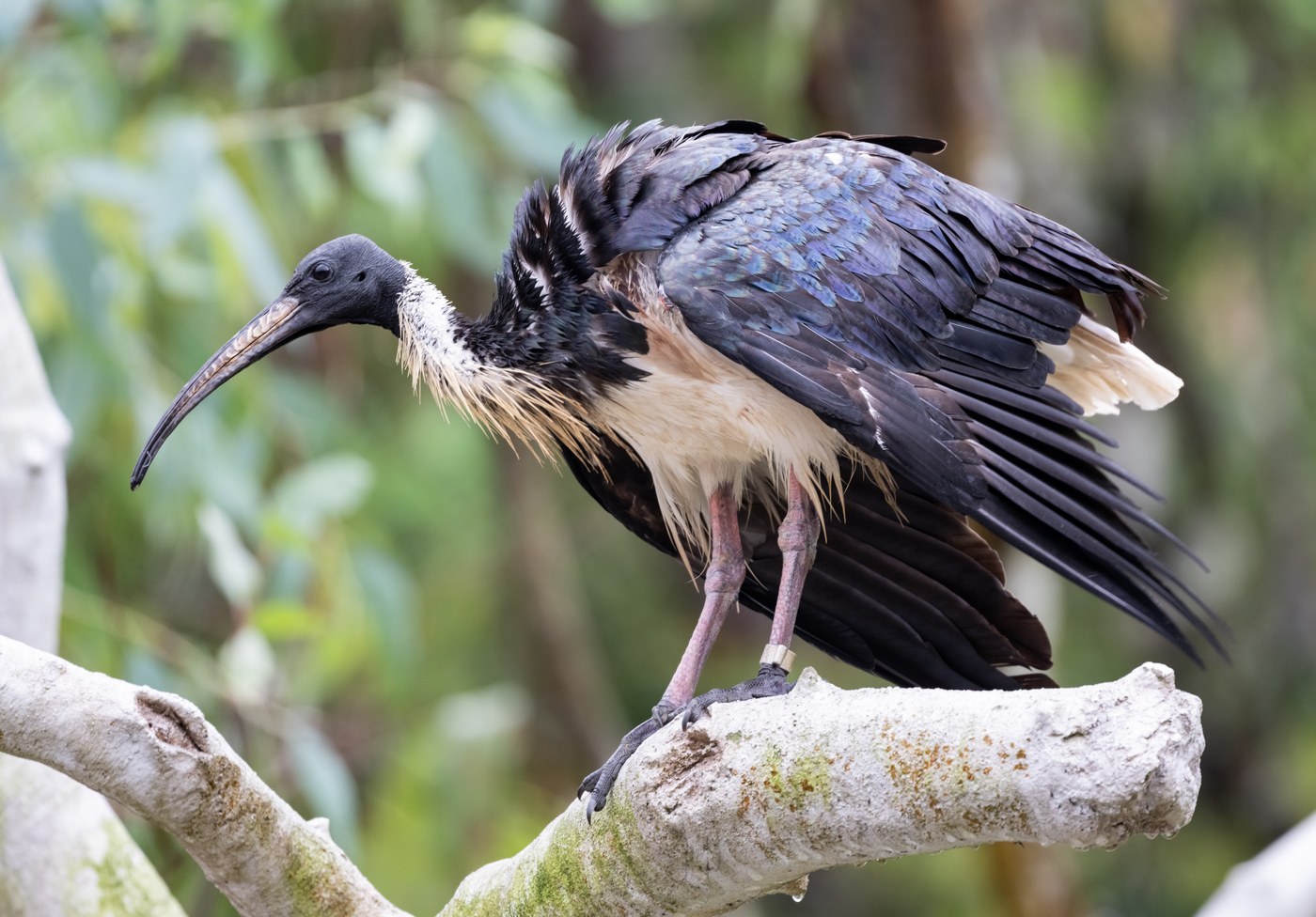
Straw-necked Ibis
Glossy contour feathers with unique straw-like neck plumes
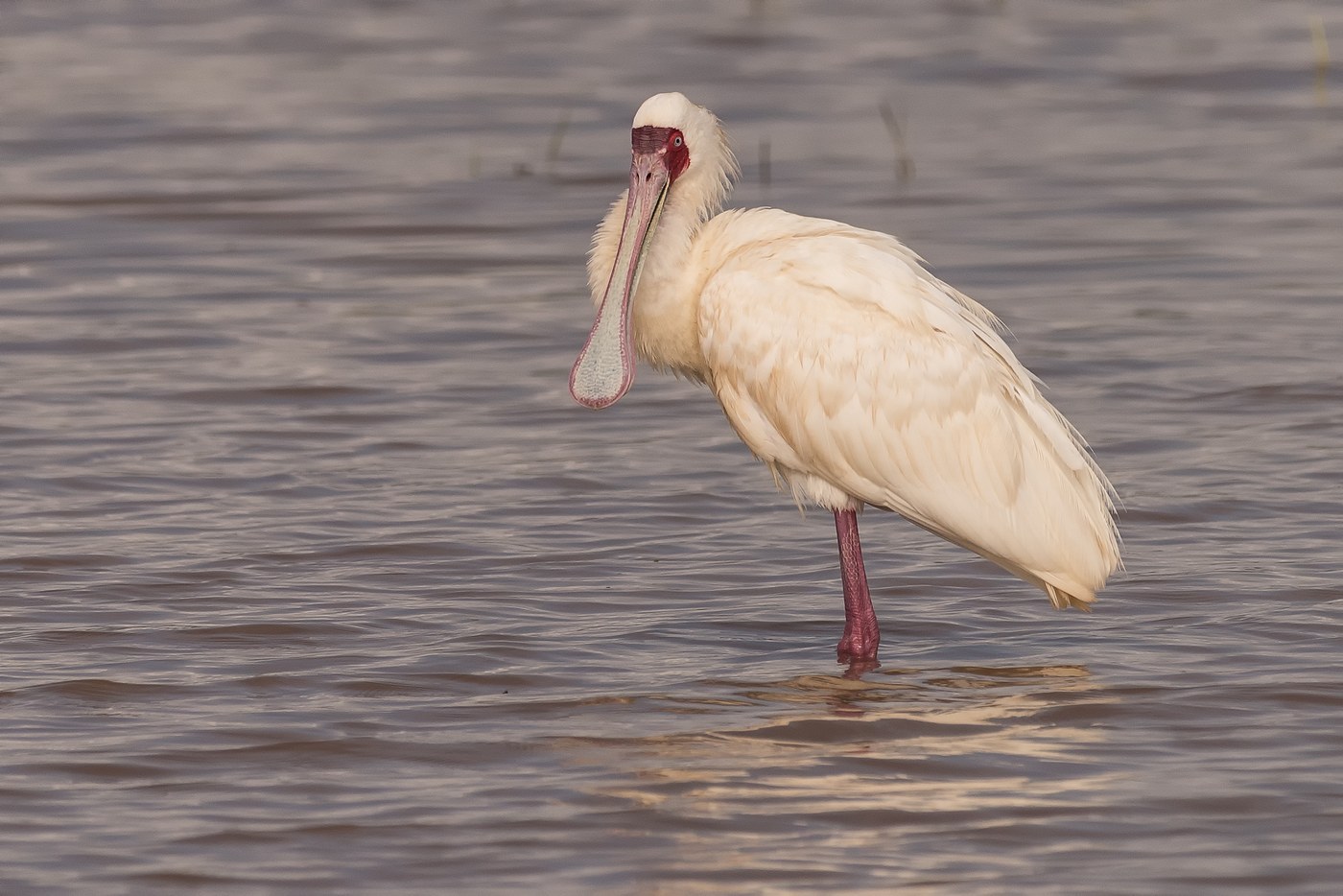
African Spoonbill
White contour and flight feathers, unmarked by black tips

Roseate Spoonbill
Pink and white contour and flight feathers with a carmine shoulder patch