
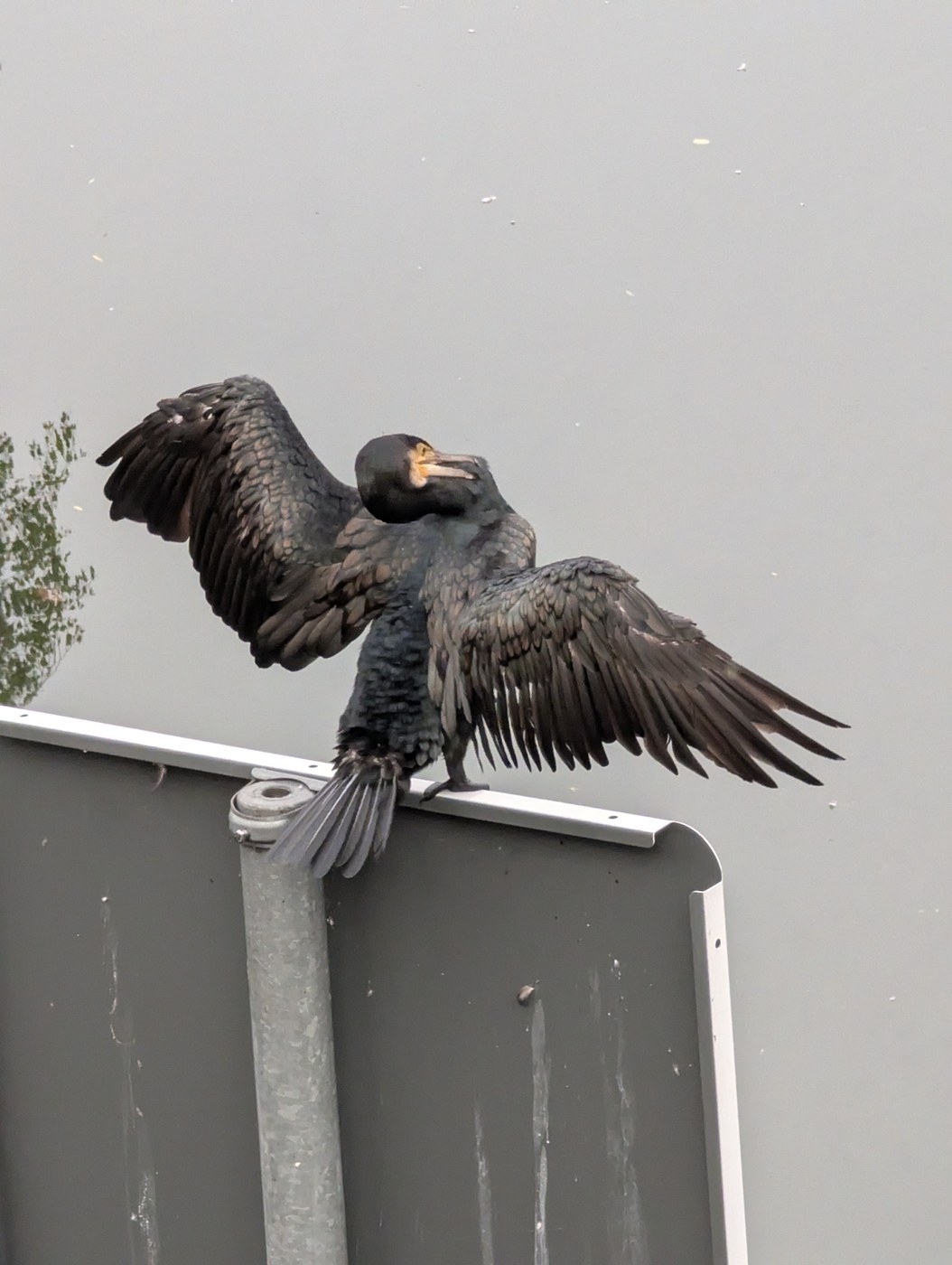
Great Cormorant
Phalacrocorax carbo
A large, glossy black cormorant with a white throat patch and, during the breeding season, a striking white patch on each flank.
- Feather type
- Dense, glossy body feathers and sturdy flight feathers
- Colours
- Glossy blackish with bronze-green sheen, white throat and flank patches in breeding adults
- Bird size
- Very large, ~80-100 cm
Found a feather like this?
Identify any feather from a photo, free.
Overview
Overview
The Great Cormorant is one of the largest and most widespread cormorants, found across much of Europe, Asia, Africa, and Australia. Its plumage is glossy blackish with a bronze-green sheen, set off by a patch of white throat feathers and a bordering yellow gular skin patch.
During the breeding season, adults develop a striking white patch of feathers on each flank, a feature not present outside the breeding period, making feather appearance somewhat season-dependent for this species.
Identifying the Feather
Great Cormorant feathers are glossy blackish with additional white markings during the breeding season.
- Body feathers: Glossy black with a bronze-green iridescent sheen in good light, larger and heavier than those of the Double-crested Cormorant given the bird's greater size.
- Throat feathers: A patch of white feathering on the chin/throat, bordered by yellow bare skin.
- Flank feathers (breeding): A conspicuous white patch appears on each flank during the breeding season, absent the rest of the year.
- Compared to Double-crested Cormorant: Great Cormorant is larger overall with a white throat patch and breeding flank patch, both lacking in Double-crested Cormorant.
Plumage & Molt
Adults are glossy black with a bronze-green sheen, a white throat patch bordered by yellow facial skin, and a temporary white flank patch that develops during the breeding season and is lost afterward. Sexes look alike. Juveniles are browner overall with a paler, whitish belly, gradually acquiring the glossier adult black plumage with maturity. Molt occurs annually, with the breeding-season white flank patch feathers molted out again after the nesting period.
Habitat & Range
Great Cormorants occupy a very wide range across Europe, Asia, Africa, and Australia, using coastal waters, estuaries, lakes, and rivers. Some populations are resident year-round while northern populations migrate south for the winter, and the species shows considerable ecological flexibility between marine and freshwater habitats.
Behavior & Field Notes
This cormorant feeds by diving from the surface and swimming underwater in pursuit of fish, often foraging in loose groups and perching afterward with wings spread to dry, similar to other cormorants. Nesting occurs colonially in trees, on cliffs, or on the ground depending on the region, with a clutch of several eggs. Calls are low guttural croaks and grunts given mainly at breeding colonies.
Frequently asked questions
What feather features are specific to breeding Great Cormorants?
A conspicuous white patch of feathers on each flank, which develops during the breeding season and is molted out again afterward.
How can I tell a Great Cormorant feather from a Double-crested Cormorant feather?
Great Cormorant is larger overall and shows a white throat patch, plus a white flank patch in breeding season, both absent in Double-crested Cormorant.
Do juvenile Great Cormorant feathers look different from adults?
Yes, juveniles are browner overall with a paler, whitish belly, gradually developing the glossier black adult plumage with maturity.
Where would a Great Cormorant feather likely be found?
Across a very wide range spanning Europe, Asia, Africa, and Australia, near coastal waters, estuaries, lakes, and rivers.
Great Cormorant guides
In-depth guides for identifying and understanding Great Cormorant.
Other feathers you may enjoy

Western Gull
Body, flight, and tail feathers
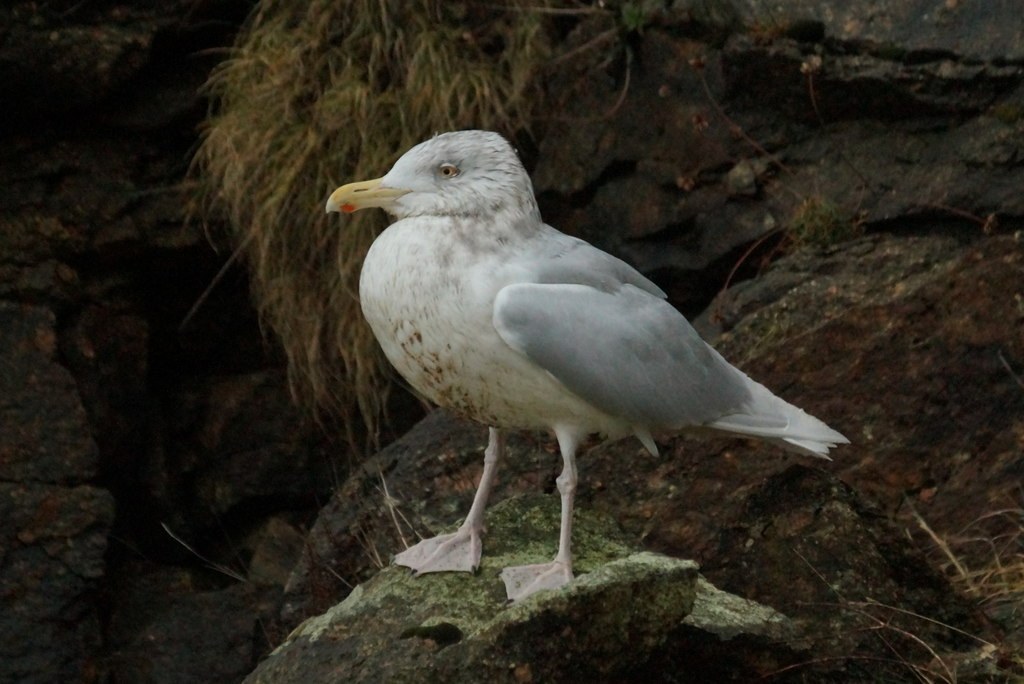
Glaucous Gull
Body, flight, and tail feathers

American Herring Gull
Body, flight, and tail feathers

Great Black-backed Gull
Body, flight, and tail feathers

Common Gull
Body, flight, and tail feathers
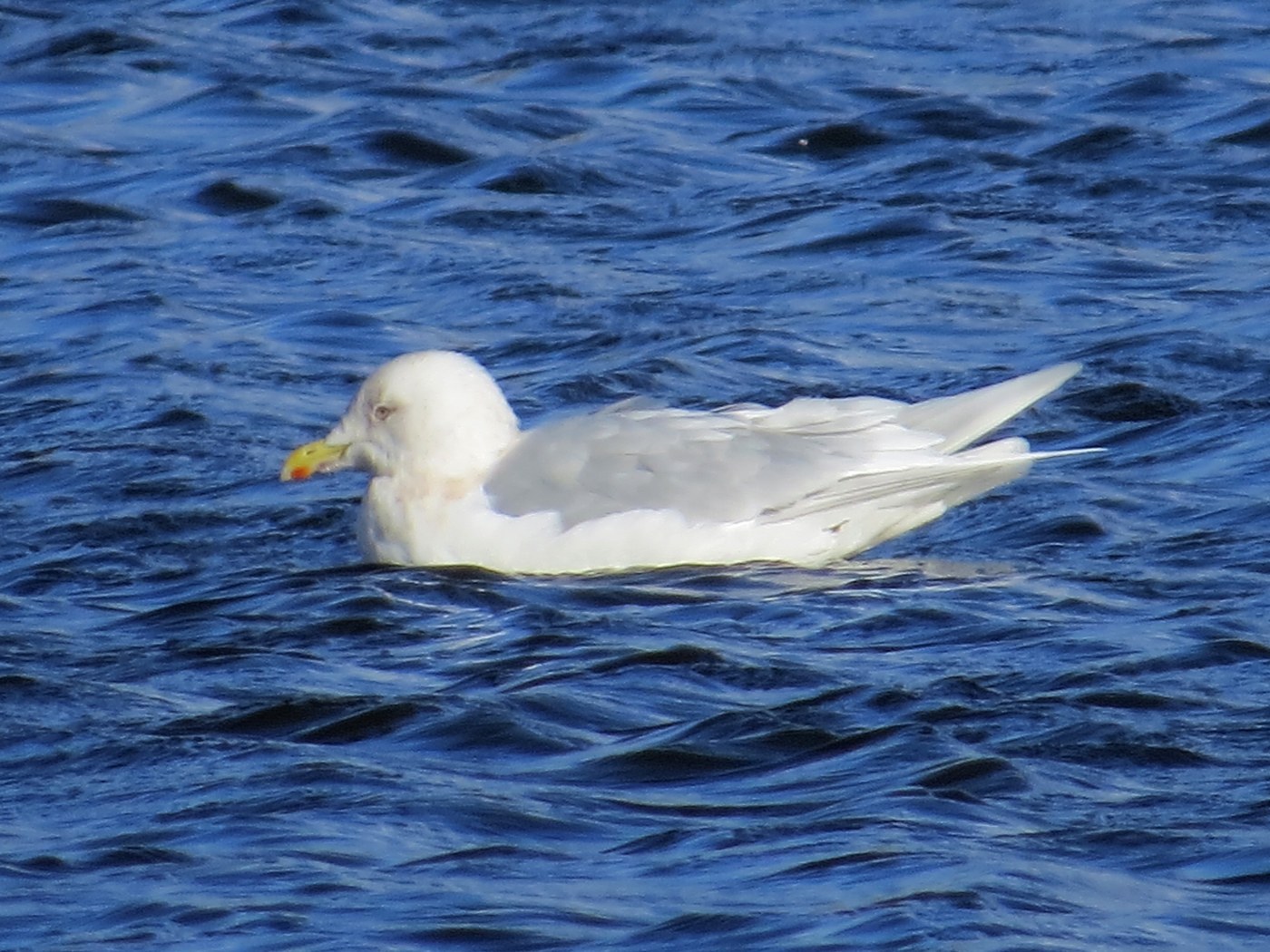
Iceland Gull
Body, flight, and tail feathers

Ring-billed Gull
Body, flight, and tail feathers

Glaucous-winged Gull
Body, flight, and tail feathers

Herring Gull
Body, flight, and tail feathers

Lesser Black-backed Gull
Body, flight, and tail feathers

California Gull
Body, flight, and tail feathers
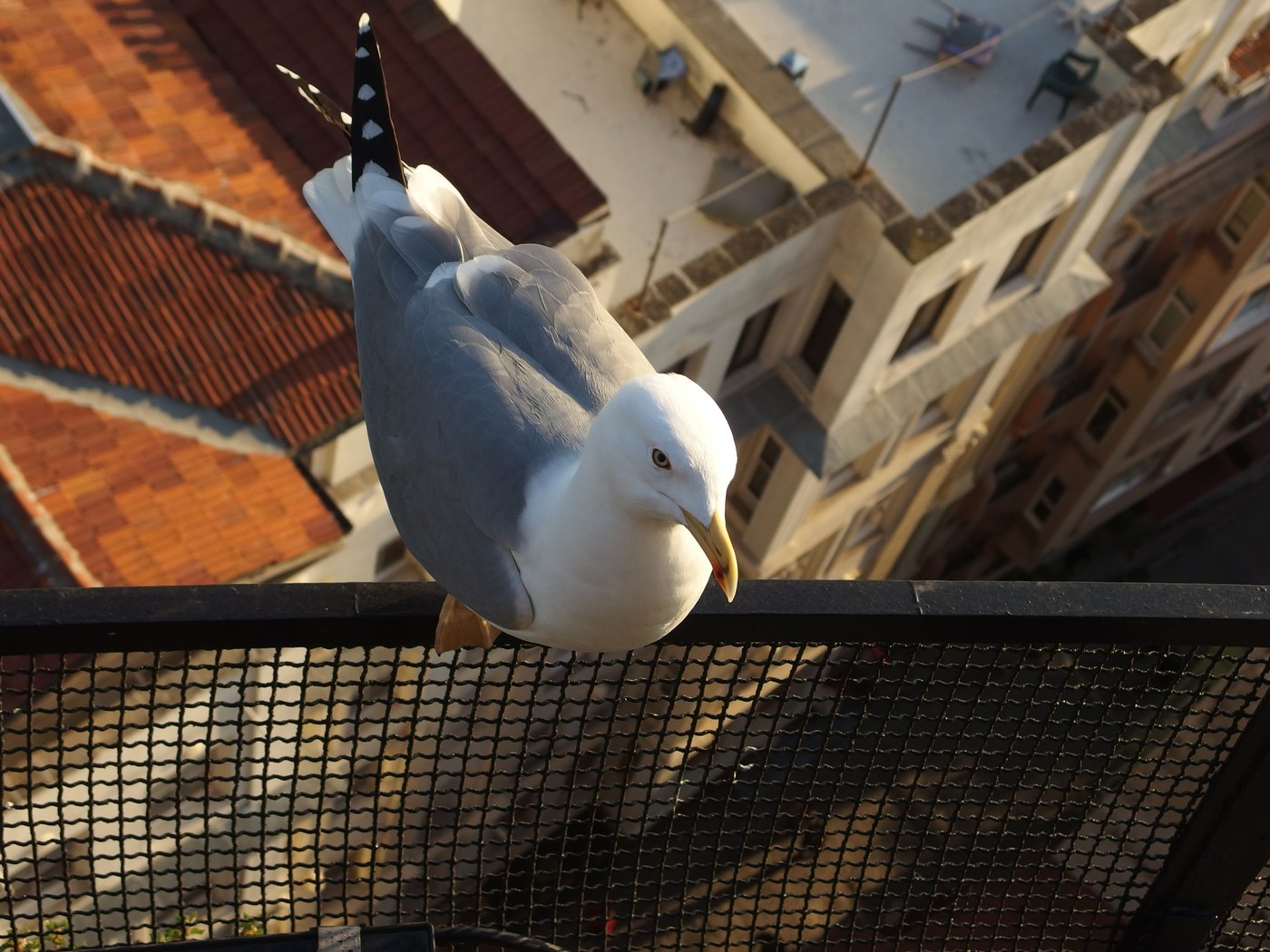
Yellow-legged Gull
Body, wing covert, and flight feathers