

Great Blue Heron
Ardea herodias
The largest heron in North America, a slow-stalking hunter of shallow water with a slate-blue body and a dagger-like yellow bill.
- Feather type
- Long body contour feathers and elongated breeding plumes
- Colours
- Blue-gray, slate, white, black, chestnut accents
- Bird size
- Very large, ~97-137 cm tall
Found a feather like this?
Identify any feather from a photo, free.
Overview
Overview
The Great Blue Heron is the largest and most widespread heron in North America, standing well over a meter tall on long legs. It is instantly recognizable along lakes, rivers, marshes, and coastlines, where it stands motionless or wades slowly in search of prey. Despite its bulk, it is a strong flier that folds its neck into an S-shape in flight, distinguishing herons from cranes and storks that fly with necks extended.
- Very large wading bird with a long neck and dagger-shaped bill
- Blue-gray body with contrasting black and white head markings
- Widespread across freshwater and coastal habitats
Identifying the Feather
Feather Identification
Great Blue Heron body feathers are soft, blue-gray to slate, often with fine darker vermiculation on the back. Flight feathers (primaries and secondaries) are darker slate-gray to blackish, long and broad, contrasting with the paler wing coverts. Breeding adults grow elongated, wispy plumes (aigrettes) on the lower neck, breast, and back that have loose, hair-like barbs unlike ordinary contour feathers.
- Large size (often 15-25+ cm for wing feathers) is a strong clue given the bird's overall size
- Overall slate-blue to gray-blue tone helps separate it from the whiter Great Egret
- Breeding plumes are thin, loosely webbed, and elongated compared to compact body feathers
- Compare with Cocoi Heron and Purple Heron feathers, which show more rufous or chestnut tones on the neck
Plumage & Molt
Plumage
Adults show a blue-gray body, a white crown bordered by a black stripe extending into slender head plumes, and a chestnut patch on the thighs. The neck is grayish with black-and-white streaking down the foreneck. Juveniles are duller overall, with a dark cap lacking the plumes and browner, less contrasty upperparts. Breeding adults develop long plumes on the head, chest, and back, and the bill and legs may brighten slightly during courtship. A largely white form occurs in parts of the range (sometimes called the "Great White Heron"). Molt is gradual and protracted, with adults replacing flight feathers over an extended period rather than all at once.
Habitat & Range
Habitat & Range
Great Blue Herons occur throughout most of North America, from Alaska and Canada south through the United States into Mexico and Central America, with some populations extending into the Caribbean. They use a very wide range of wetland habitats, including freshwater marshes, lake edges, rivers, ponds, and estuarine and coastal shorelines. Northern populations are migratory, moving south for winter, while southern and coastal populations are largely resident year-round.
Behavior & Field Notes
Behavior & Field Notes
This heron typically hunts alone, standing statue-still or walking with slow, deliberate steps before striking prey with a rapid thrust of the bill. Diet consists mainly of fish, amphibians, and other small aquatic and terrestrial animals taken from shallow water or fields. Great Blue Herons nest colonially in tall trees, building large stick platforms in "heronries" that may hold dozens of nests. The voice is a harsh, guttural croak, often given when flushed or in flight. In flight, the neck is drawn back into an S-curve and the long legs trail behind, a helpful field mark distinguishing herons from cranes.
Frequently asked questions
How can I tell a Great Blue Heron feather from a Great Egret feather?
Great Blue Heron feathers are blue-gray to slate in tone, while Great Egret feathers are pure white; size and shape are otherwise similar.
Why do Great Blue Herons have long wispy plumes?
These breeding plumes develop on the head, chest, and back during the courtship season and are used in visual displays at the nest.
Where are Great Blue Heron feathers most likely to be found?
Look near marshes, riverbanks, lake shores, and coastal shallows where the birds forage and roost.
Do Great Blue Herons fly with their necks straight or curved?
In flight they fold the neck into an S-shape, unlike cranes and storks, which extend the neck fully.
Great Blue Heron guides
In-depth guides for identifying and understanding Great Blue Heron.

Great Blue Heron identified by the community
Real feathers identified with Feather Identifier.


Other feathers you may enjoy

Yellow-billed Spoonbill
White contour and flight feathers with fine breeding plumes on the back and breast
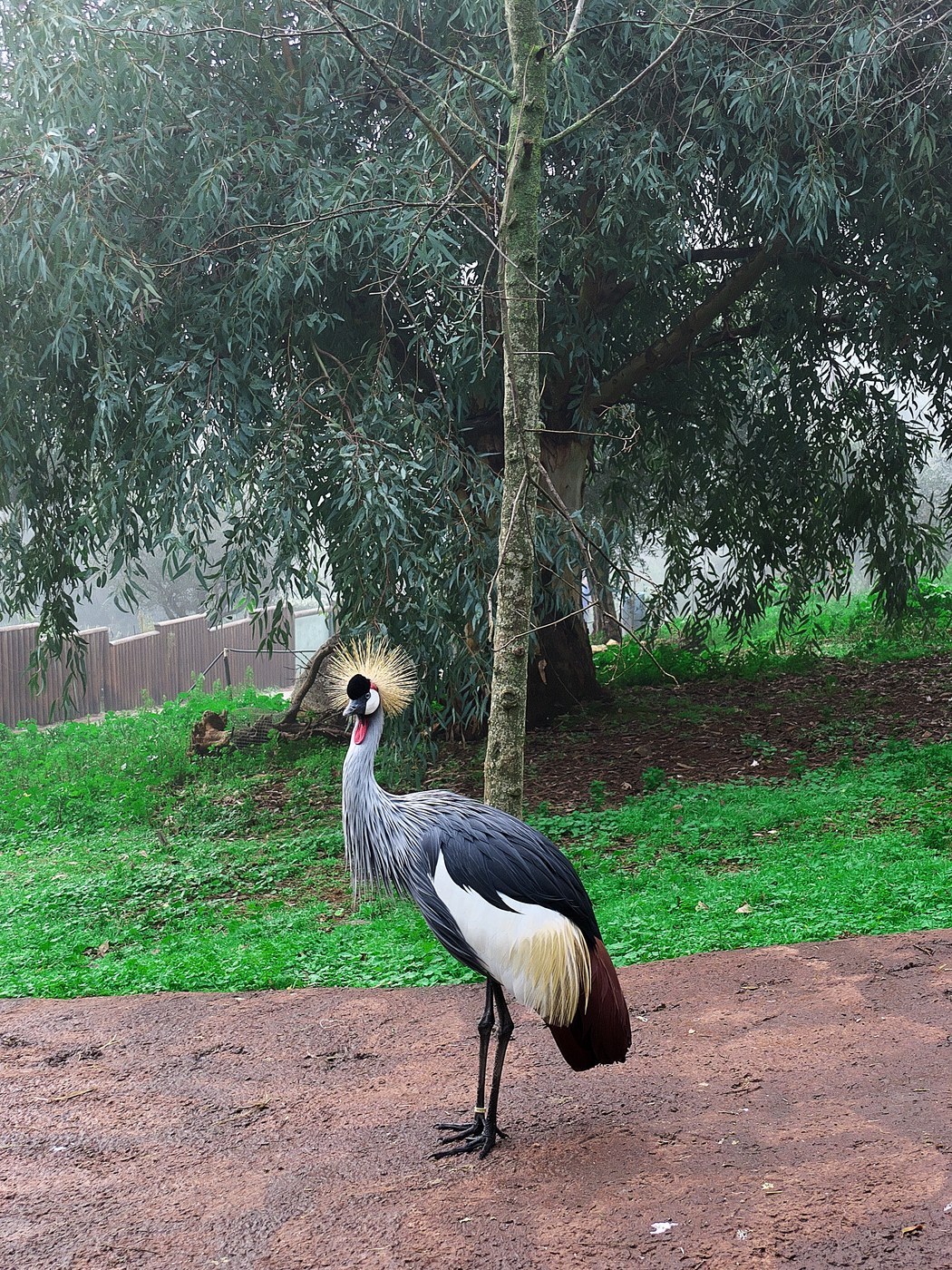
Grey Crowned Crane
Grey body feathers with white wing coverts, chestnut flight feathers, and stiff golden crown bristles
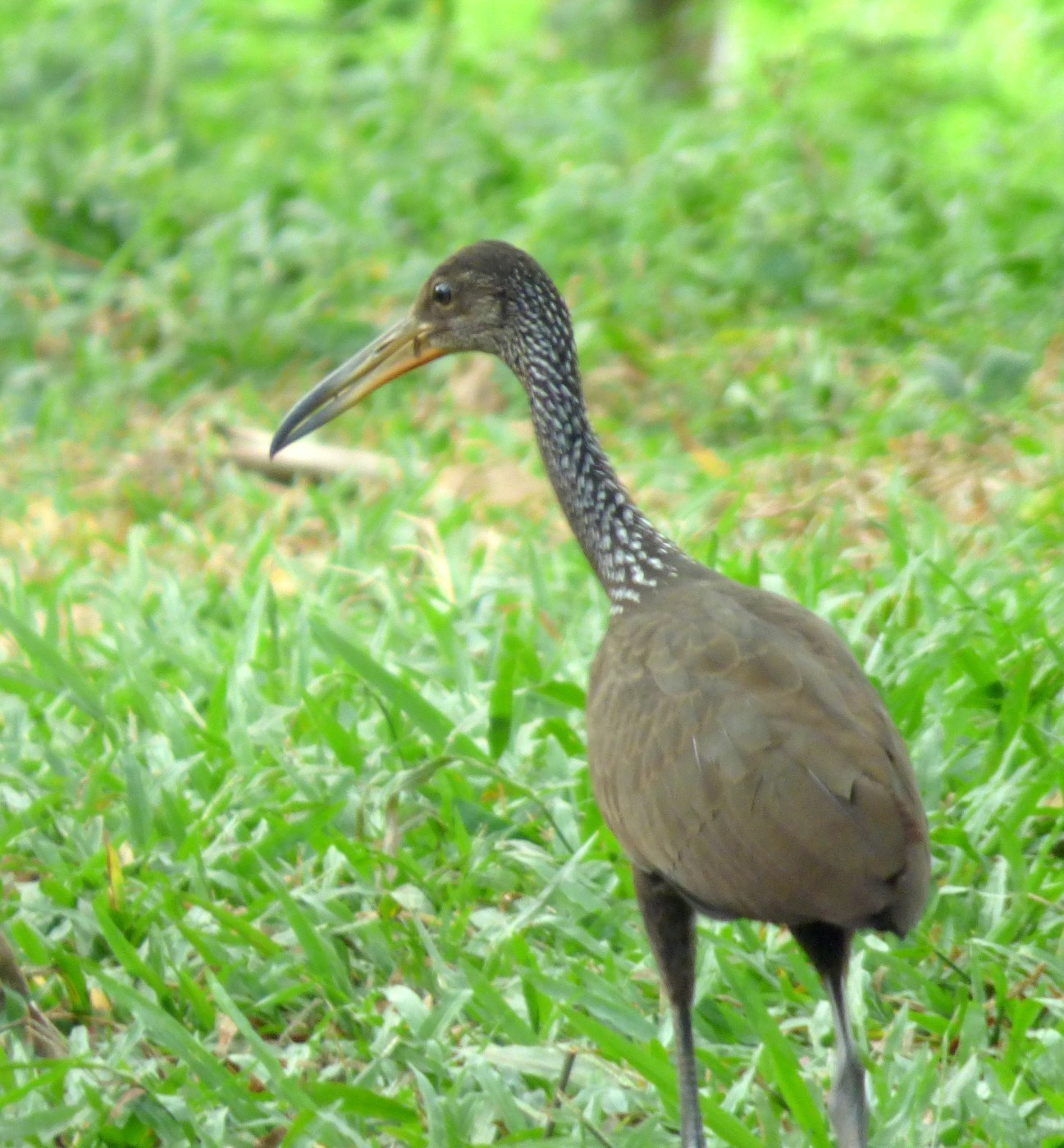
Limpkin
Brown contour feathers with white teardrop-shaped spots and streaks
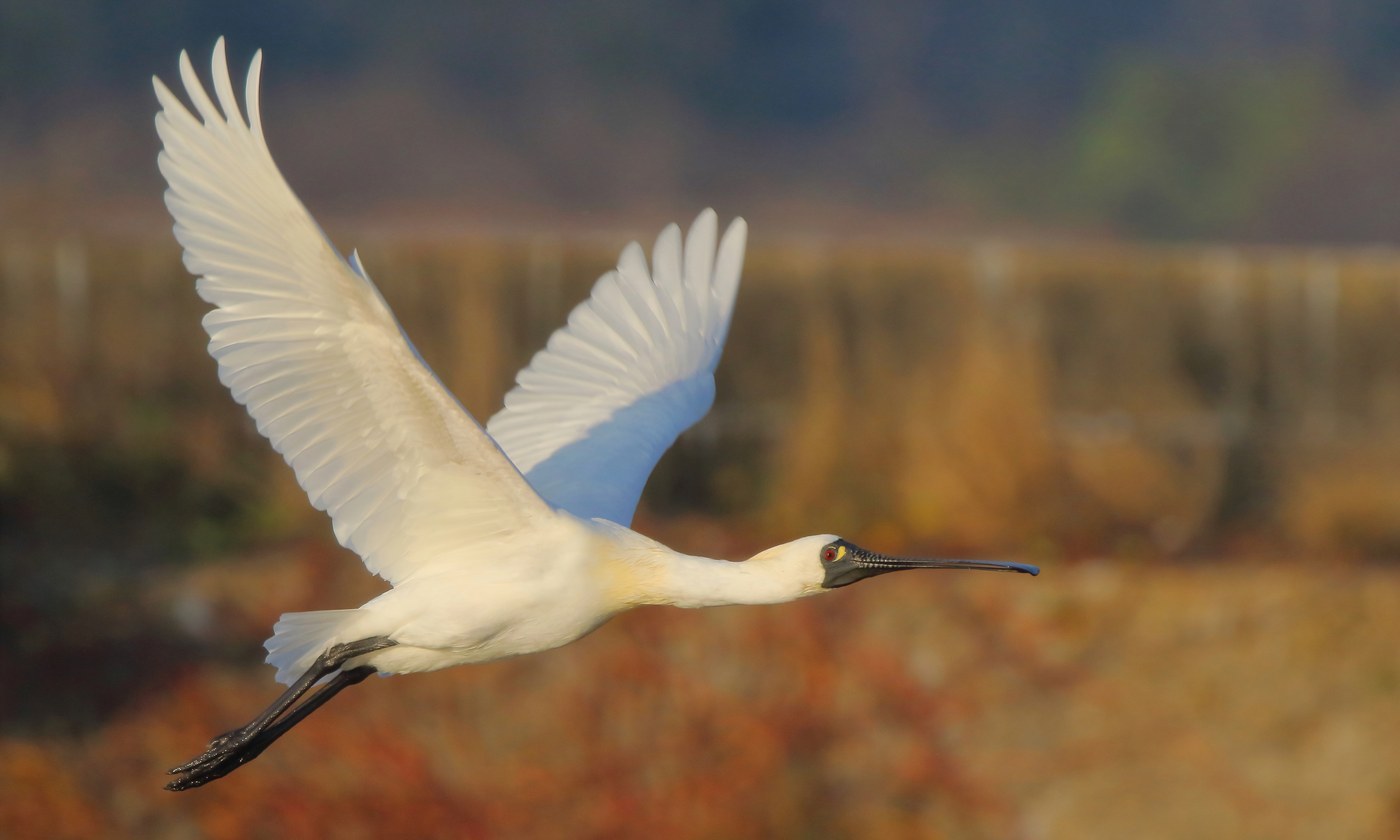
Black-faced Spoonbill
White contour and flight feathers with fine breeding crest and breast plumes
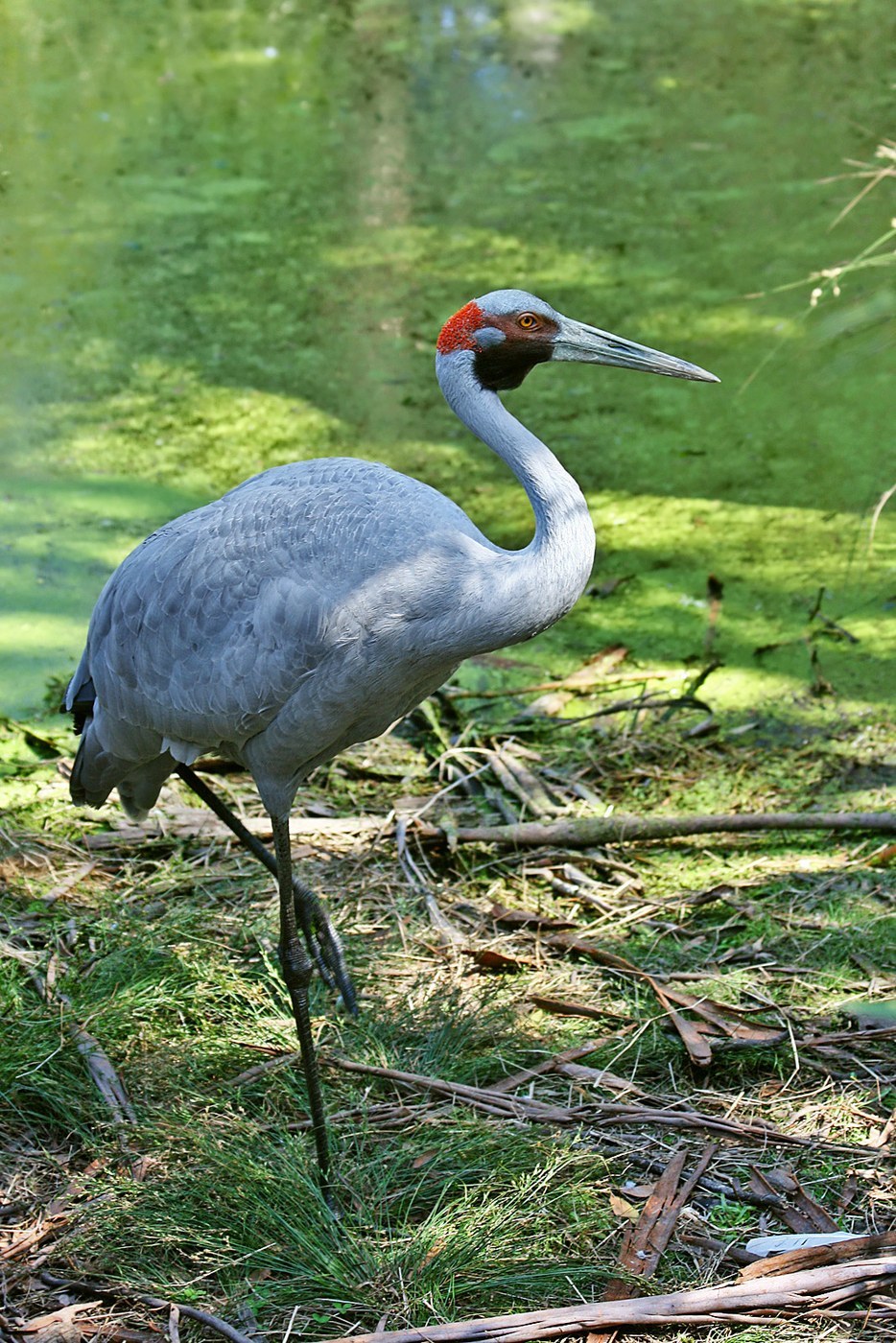
Brolga
Grey contour feathers with drooping bustle plumes
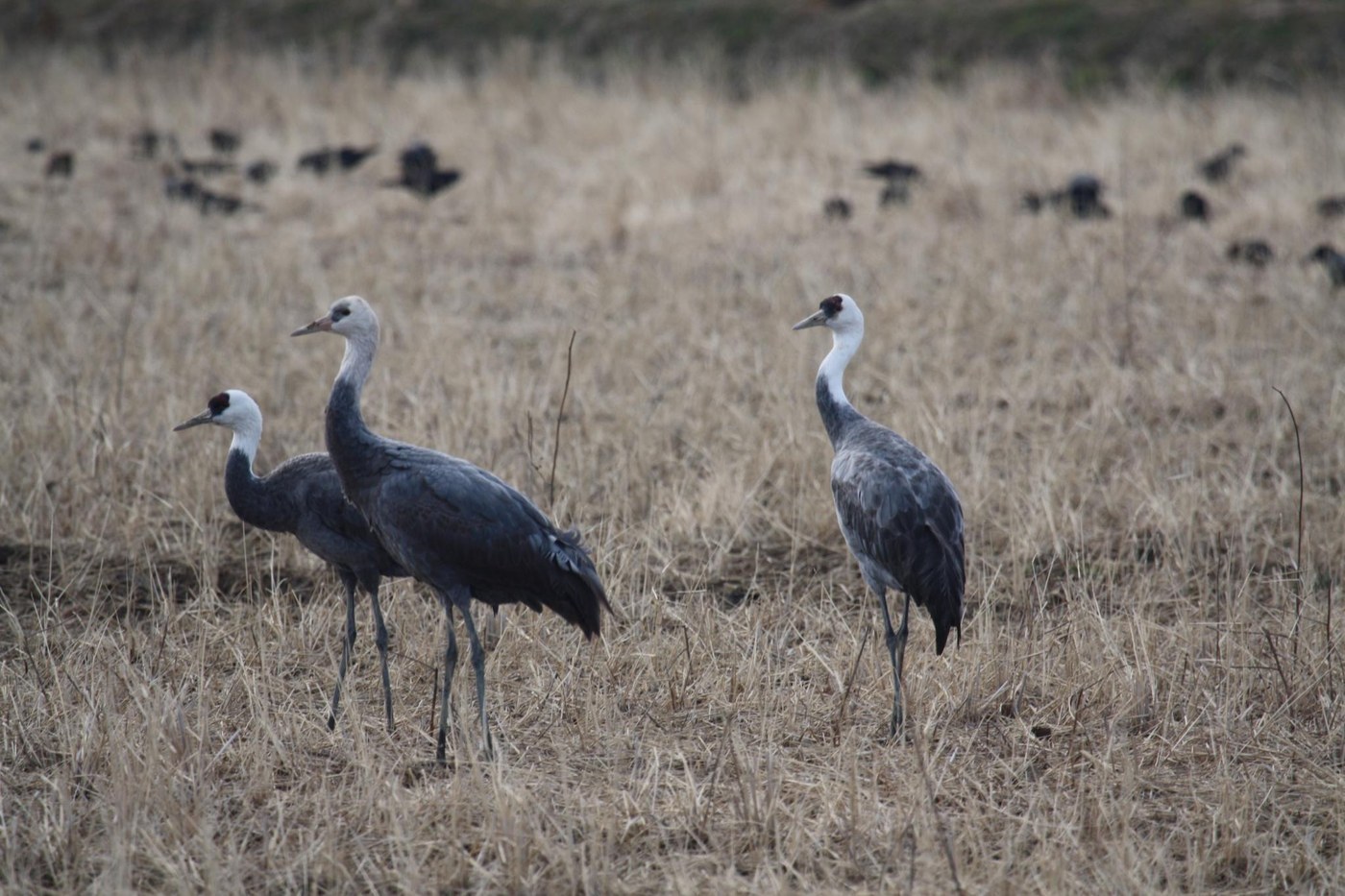
Hooded Crane
Dark slate-grey body feathers with a white head/upper neck 'hood' and black bustle plumes
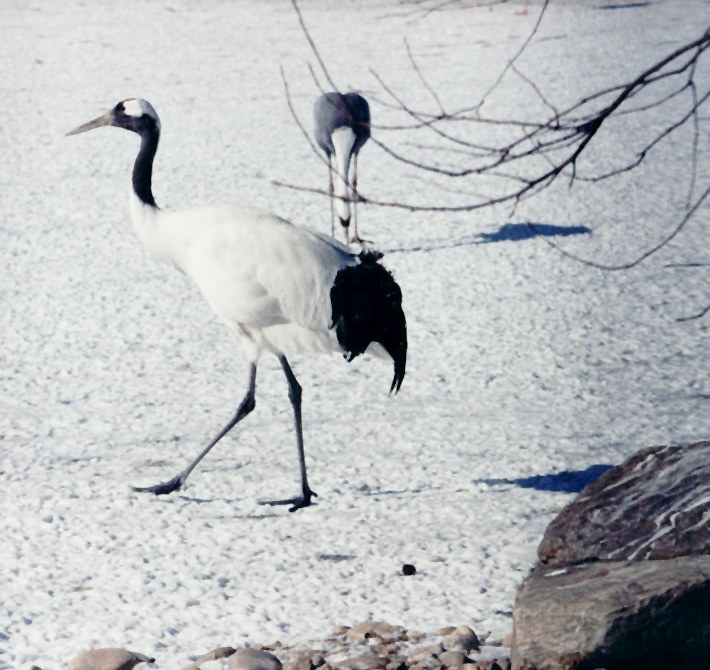
Red-crowned Crane
White contour feathers with black secondary/tertial bustle feathers and a bare red crown

Common Crane
Grey contour feathers with black head/neck feathers and drooping bustle plumes
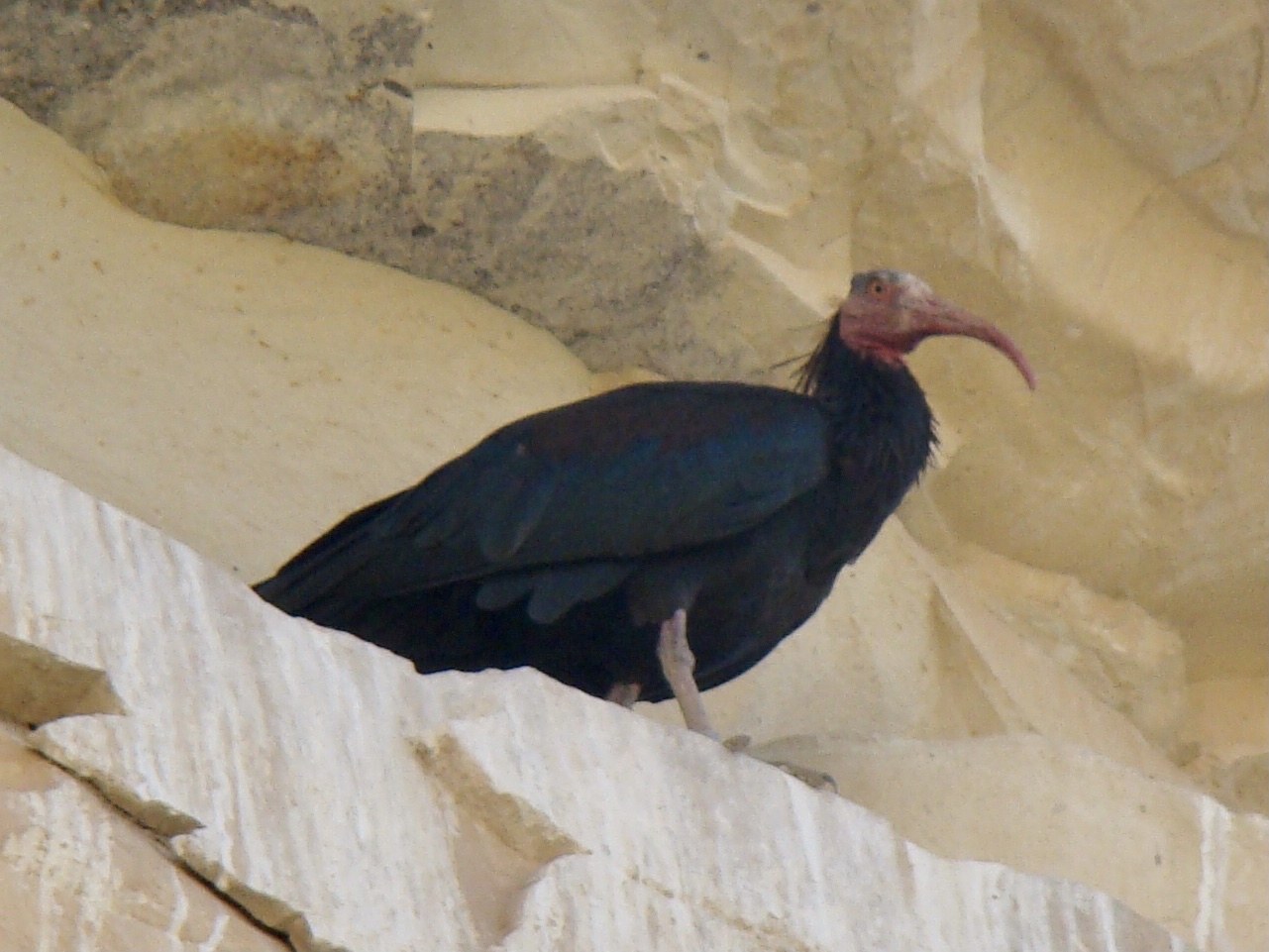
Northern Bald Ibis
Glossy black contour feathers with elongated nape plumes
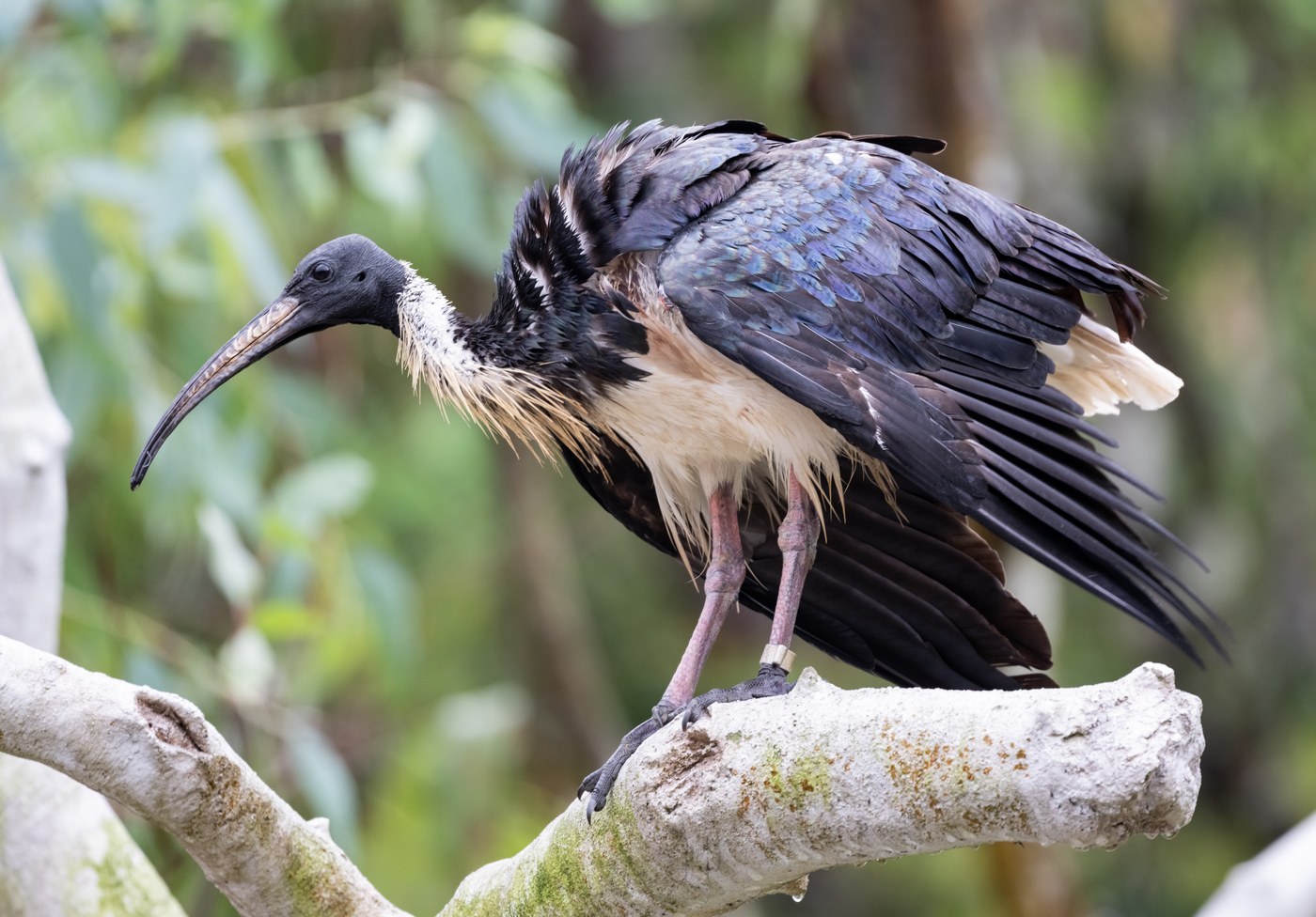
Straw-necked Ibis
Glossy contour feathers with unique straw-like neck plumes
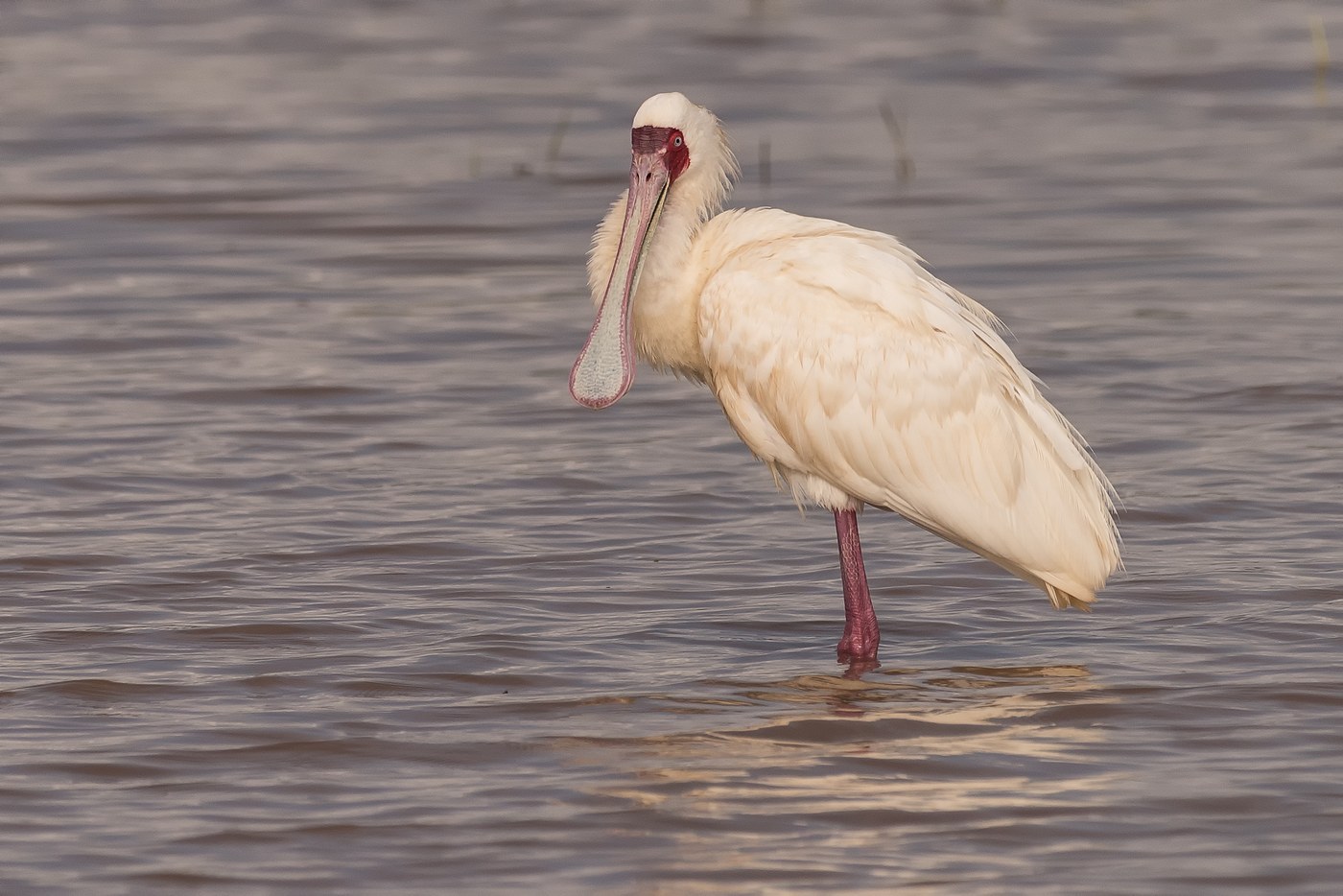
African Spoonbill
White contour and flight feathers, unmarked by black tips

Roseate Spoonbill
Pink and white contour and flight feathers with a carmine shoulder patch