
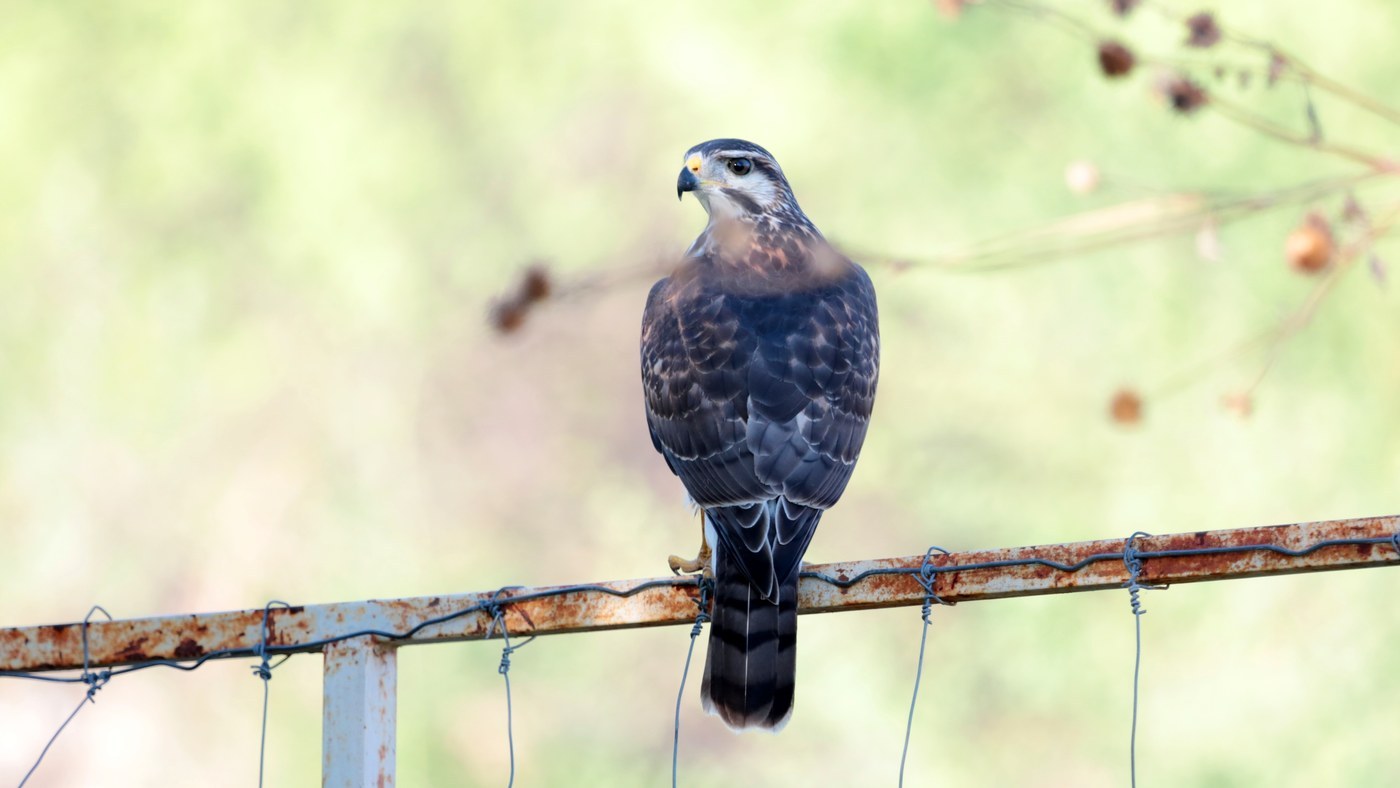
Gray Hawk
Buteo plagiatus
A slim, pale gray hawk of cottonwood-lined streams in the borderlands, notable for its finely barred plumage and slender, accipiter-like proportions among the buteos.
- Feather type
- Rounded wing feathers, narrowly banded tail
- Colours
- Pale gray finely barred above and below, black tail with narrow white bands
- Bird size
- Crow-sized, ~46 cm
Found a feather like this?
Identify any feather from a photo, free.
Overview
The Gray Hawk is a small, elegant member of the buteo group restricted mostly to riparian woodland along the U.S.-Mexico borderlands, Mexico, and Central America. Compared to bulkier buteos it looks almost accipiter-like in shape, with a slimmer body and proportionately longer tail, and it is closely tied to the cottonwood-willow gallery forests and mesquite bosques it hunts within.
Identifying the Feather
Body feathers show fine, even gray barring above and below, giving the plumage a soft, pale look overall rather than the bolder patterning of most buteos. Tail feathers are black crossed by three or four narrow, crisp white bands, appearing narrower and more numerous than the wide single or double bands seen on many other hawks of similar size. Wings are broad but more rounded and less deep-chested than a Red-tailed or Broad-winged Hawk, and overall the feathers read paler and finer-patterned than most sympatric raptors.
Plumage & Molt
Adults show pale gray upperparts finely barred with darker gray, and underparts finely barred gray and white, producing an overall soft, silvery appearance in good light. Juveniles are quite different, being brown above with heavy streaking below and a brown tail crossed by numerous dark bands, only acquiring the adult barred pattern after their first full molt. There is little seasonal plumage variation once adult plumage is attained.
Habitat & Range
Gray Hawks are closely associated with riparian corridors of cottonwood and willow, as well as mesquite bosques, in the far southern United States (Arizona, southern Texas) south through Mexico into Central America. Most of the range is occupied year-round, though the small population at the northern edge of the range may withdraw farther south outside the breeding season.
Behavior & Field Notes
This hawk hunts with quick, agile flight through and along wooded edges, taking lizards, small birds, and large insects, often still-hunting from a low, concealed perch before a short dash. Nests are built in tall riparian trees, typically cottonwoods, and the species gives a distinctive high, plaintive whistled call, often the first clue to its presence in dense streamside cover.
Frequently asked questions
How does a Gray Hawk tail feather differ from other buteos?
It shows several narrow white bands across black, rather than one broad band, giving a finer-banded look than most similarly sized hawks.
What habitat should you check first for Gray Hawk feathers?
Riparian woodland with cottonwood, willow, or mesquite along desert streams in the borderlands region is the most likely place.
Do juvenile Gray Hawks look like the adults?
No, juveniles are brown and heavily streaked with a multi-banded brown tail, only developing the pale gray barred adult plumage after their first molt.
Is the Gray Hawk closely related to Red-tailed Hawk?
Both are in the genus Buteo, but the Gray Hawk is notably slimmer-bodied with a proportionately longer tail, more reminiscent of an accipiter in shape.
Gray Hawk guides
In-depth guides for identifying and understanding Gray Hawk.
Other feathers you may enjoy

Australian Hobby
Long, narrow pointed flight feathers; slender tail feathers

California Condor
Massive flight feathers; long broad primaries; large tail feathers

Brown Falcon
Broad, rounded flight feathers; variable-toned contour feathers
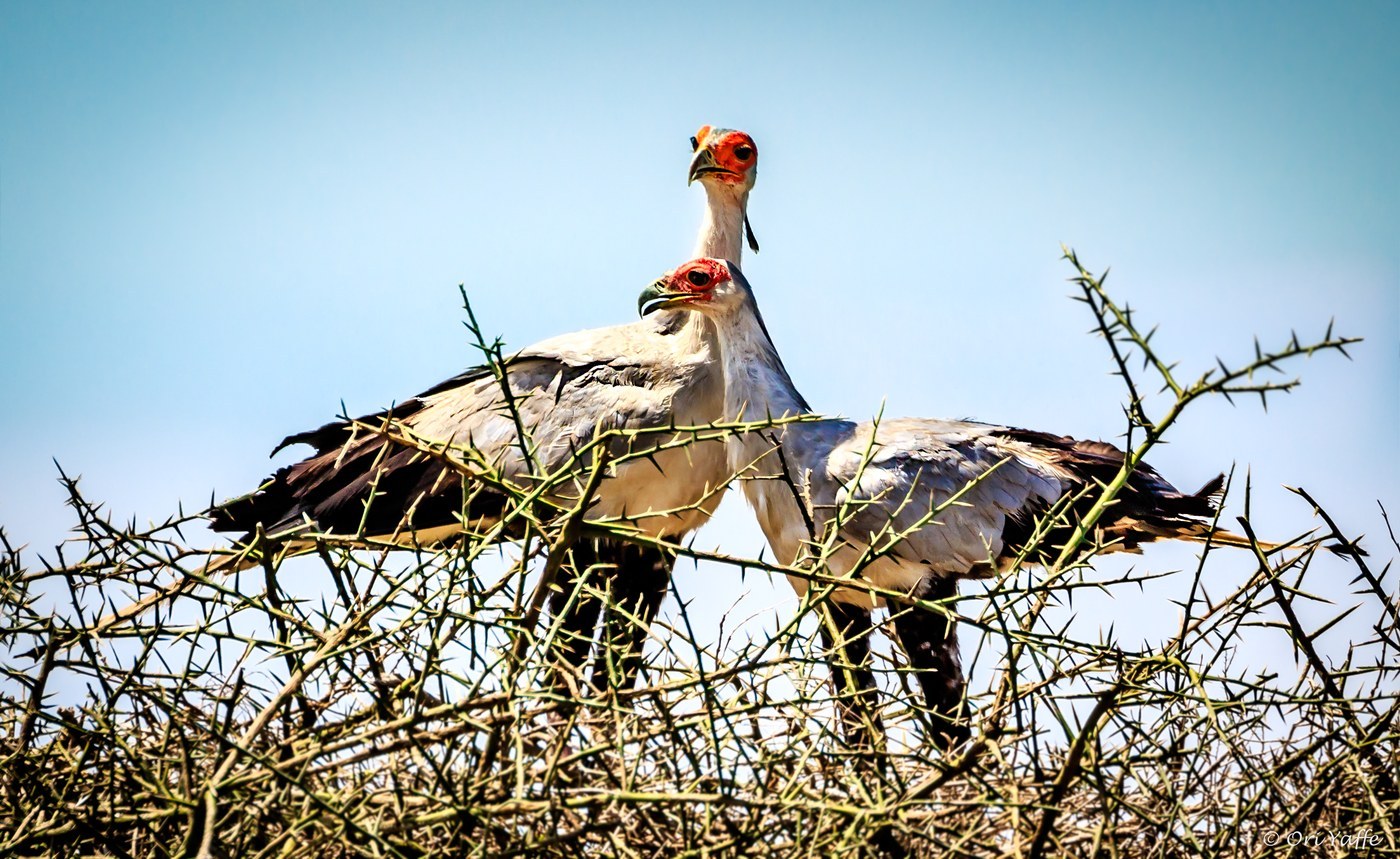
Secretarybird
Long crest feathers; broad flight feathers; elongated central tail feathers

Orange-breasted Falcon
Broad-based pointed flight feathers; bold breast and belly feathers
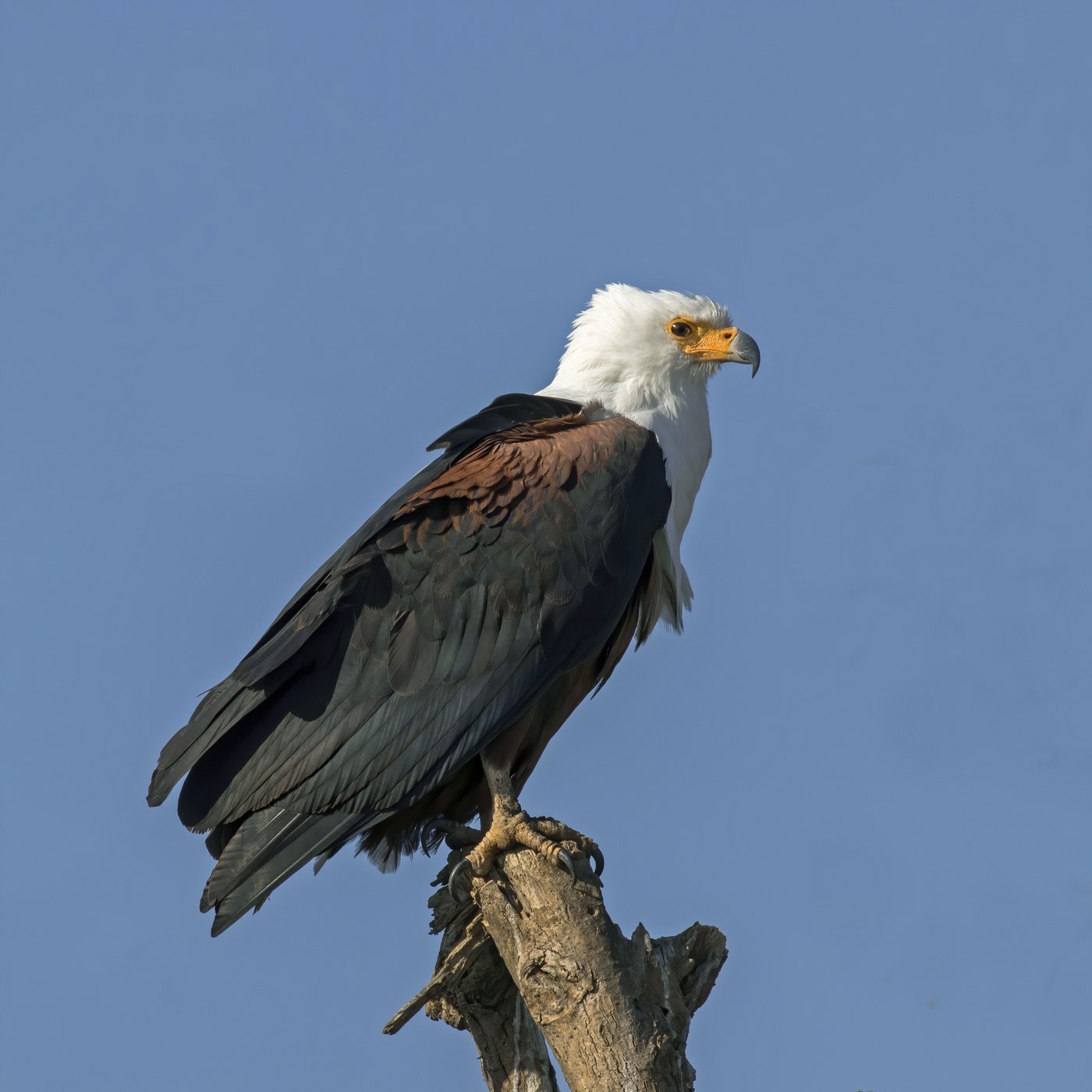
African Fish Eagle
Flight, tail, and body feathers

Amur Falcon
Slender pointed flight feathers; soft slate or orange-buff contour feathers
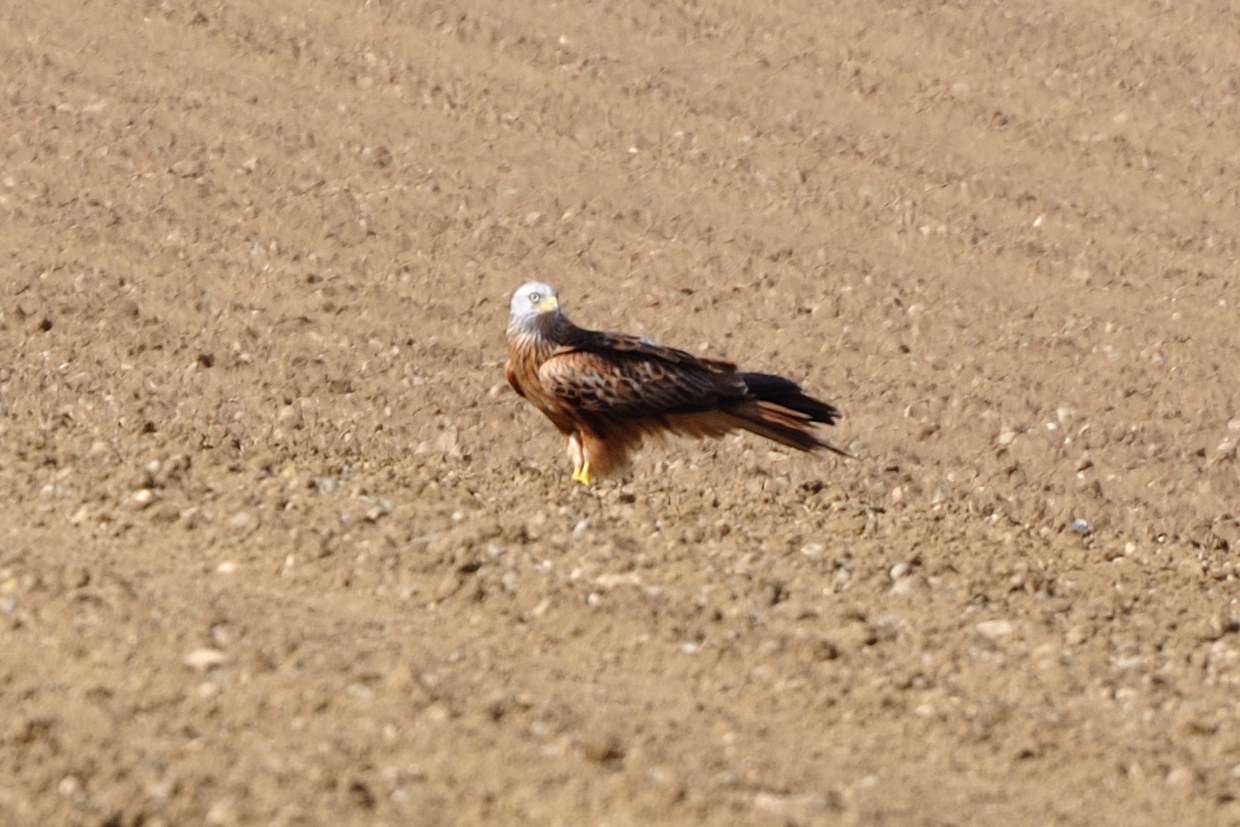
Red Kite
Flight (wing) and tail feathers
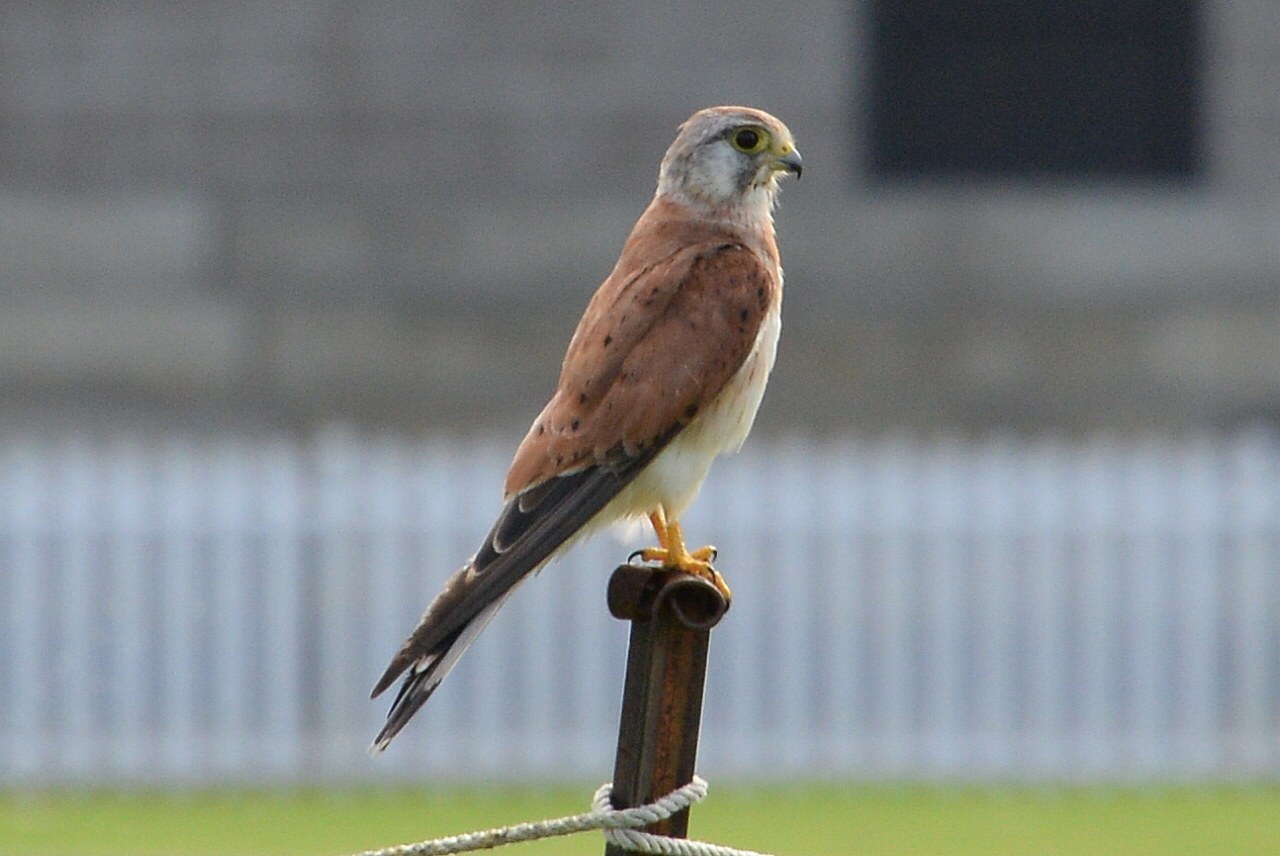
Nankeen Kestrel
Slim pointed flight feathers; lightly marked contour feathers

Andean Condor
Massive flight feathers; broad primaries and secondaries; sturdy tail feathers

Plumbeous Forest Falcon
Short rounded flight feathers; finely barred tail feathers

Sooty Falcon
Long pointed flight feathers; slim tail feathers