
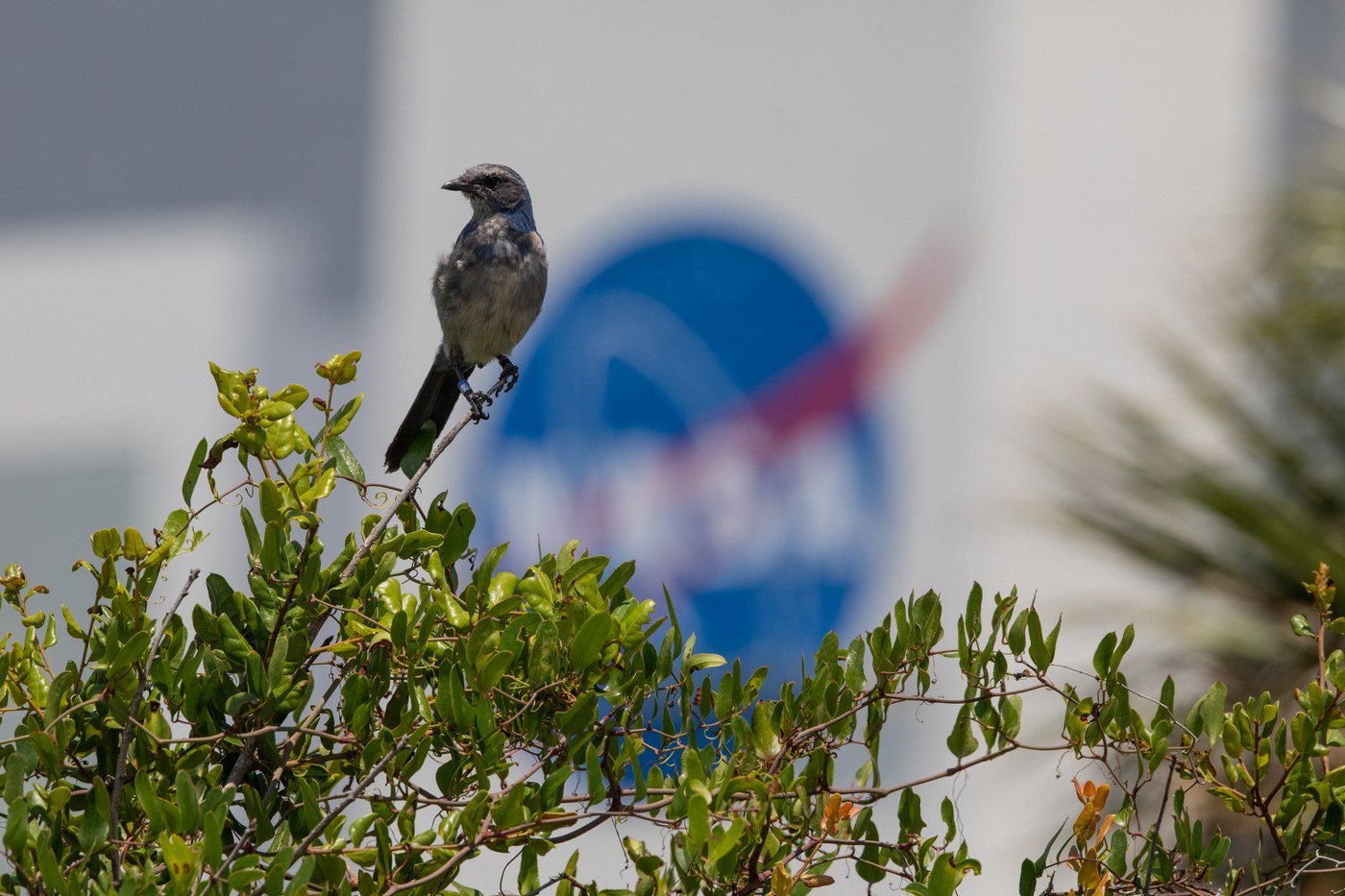
Florida Scrub-Jay
Aphelocoma coerulescens
A blue-and-grey jay found only in Florida's fire-maintained scrub oak habitat, lacking a crest and closely tied to a single, shrinking ecosystem.
- Feather type
- Contour, wing, and tail feathers
- Colours
- Blue head, wings, and tail with a grayish-brown back and whitish throat
- Bird size
- Robin- to jay-sized, ~28-30 cm
Found a feather like this?
Identify any feather from a photo, free.
Overview
The Florida Scrub-Jay is restricted entirely to the scrub oak habitat of peninsular Florida, a specialized, fire-dependent ecosystem that has shrunk considerably due to land development. It shares the general blue-and-grey pattern typical of scrub-jays across North America but is set apart by its unique range and close ecological ties to this single, threatened habitat type.
It is well studied for its cooperative breeding system, in which offspring from previous years often remain to help their parents raise subsequent broods.
Identifying the Feather
- Head, wing, and tail feathers are a rich blue, lacking any crest, giving the head a smooth, rounded profile unlike crested jays
- Back feathers are grayish-brown, contrasting with the blue head and wings
- Throat feathers are whitish, often bordered by a faint blue-grey necklace-like band across the upper breast
- Underparts feathers are pale grayish-white, generally unmarked
Plumage & Molt
Sexes look alike in plumage. Juveniles are notably different, with a grey-brown head lacking the blue of adults, gradually acquiring blue feathering through their first molt. One complete molt occurs annually in adults after breeding.
Habitat & Range
- Found only in peninsular Florida, restricted to scrub oak habitat maintained by periodic natural fire
- Highly habitat-specific, rarely found outside of scrub oak stands with open sandy patches
- Non-migratory, with family groups remaining on the same territory across years
Behavior & Field Notes
Florida Scrub-Jays live in cooperative family groups, with young from previous broods often helping parents defend territory and raise new offspring. They cache acorns extensively for later retrieval, an important behavior in scrub oak habitat, and forage both on the ground and in low vegetation for insects, acorns, and small animals. Calls include harsh, scratchy notes used for group communication and territorial defense, and nests are built low in scrub oak or other shrubby vegetation.
Frequently asked questions
How can I tell this species from other scrub-jays by feather?
Plumage overlaps closely with other Aphelocoma scrub-jays, so range is the most reliable clue, since this species occurs only in Florida's scrub oak habitat and does not overlap with other scrub-jay species.
Why does this jay lack a crest?
Unlike crested jays such as the Blue Jay, scrub-jays including this species have smooth, uncrested heads, giving the blue head feathers a rounded rather than peaked profile.
What does the pale band across the upper breast represent?
It is a faint blue-grey necklace-like marking bordering the whitish throat, a subtle but sometimes visible feature separating the throat from the paler belly.
Where would I most likely find a shed feather from this species?
Only within Florida's fire-maintained scrub oak habitat, a specialized and limited ecosystem found nowhere else this species occurs.
Florida Scrub-Jay guides
In-depth guides for identifying and understanding Florida Scrub-Jay.
Other feathers you may enjoy

Yellow-billed Magpie
Contour, wing, and tail feathers

White-throated Magpie-Jay
Contour, wing, and tail feathers

White-necked Crow
Contour and flight feathers

Slender-billed Crow
Contour and flight feathers

Sinaloa Crow
Contour and flight feathers

Siberian Jay
Contour, wing, and tail feathers

Yellow-billed Blue Magpie
Contour, wing, and tail feathers
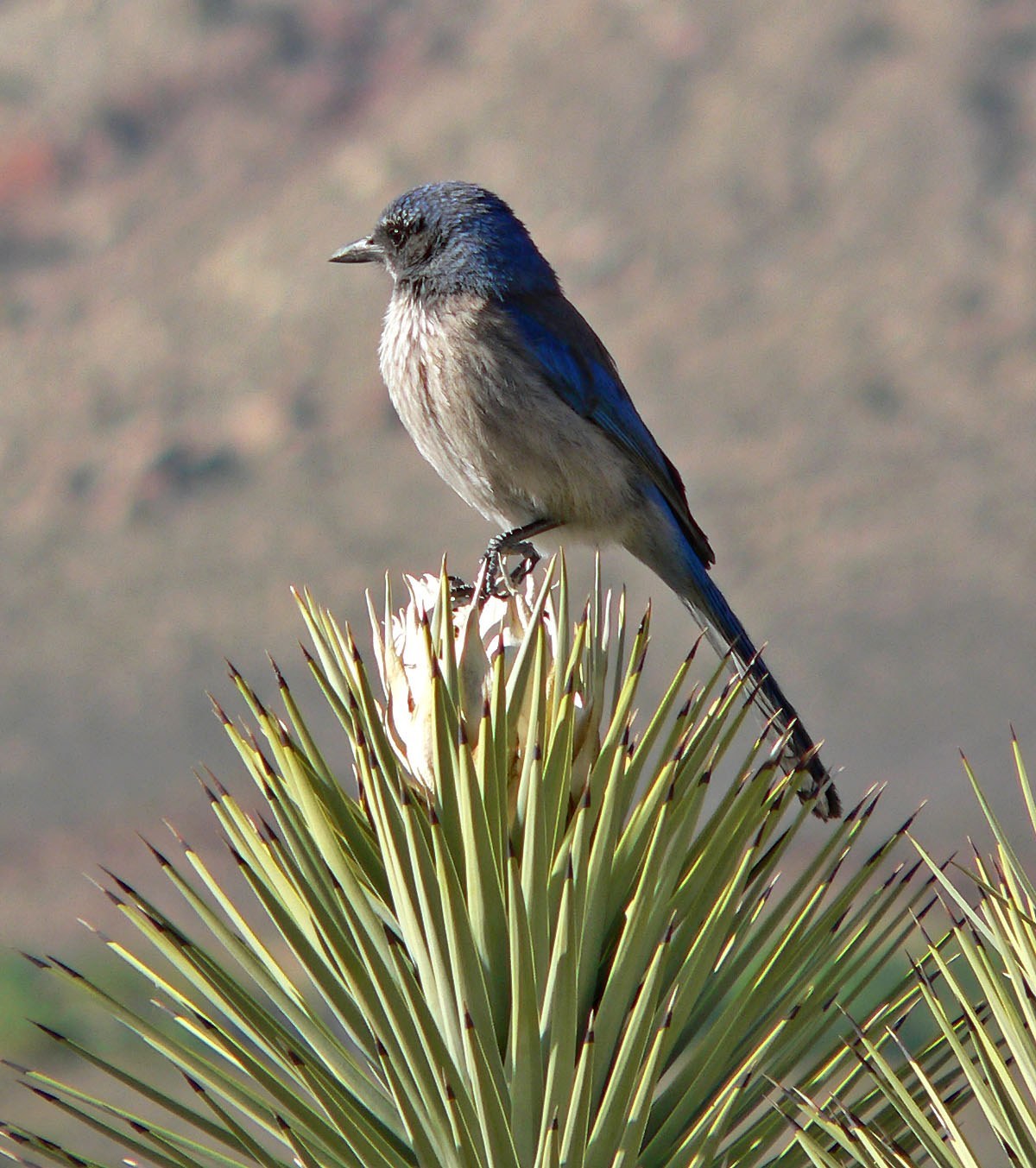
Woodhouse's Scrub-Jay
Contour and flight feathers
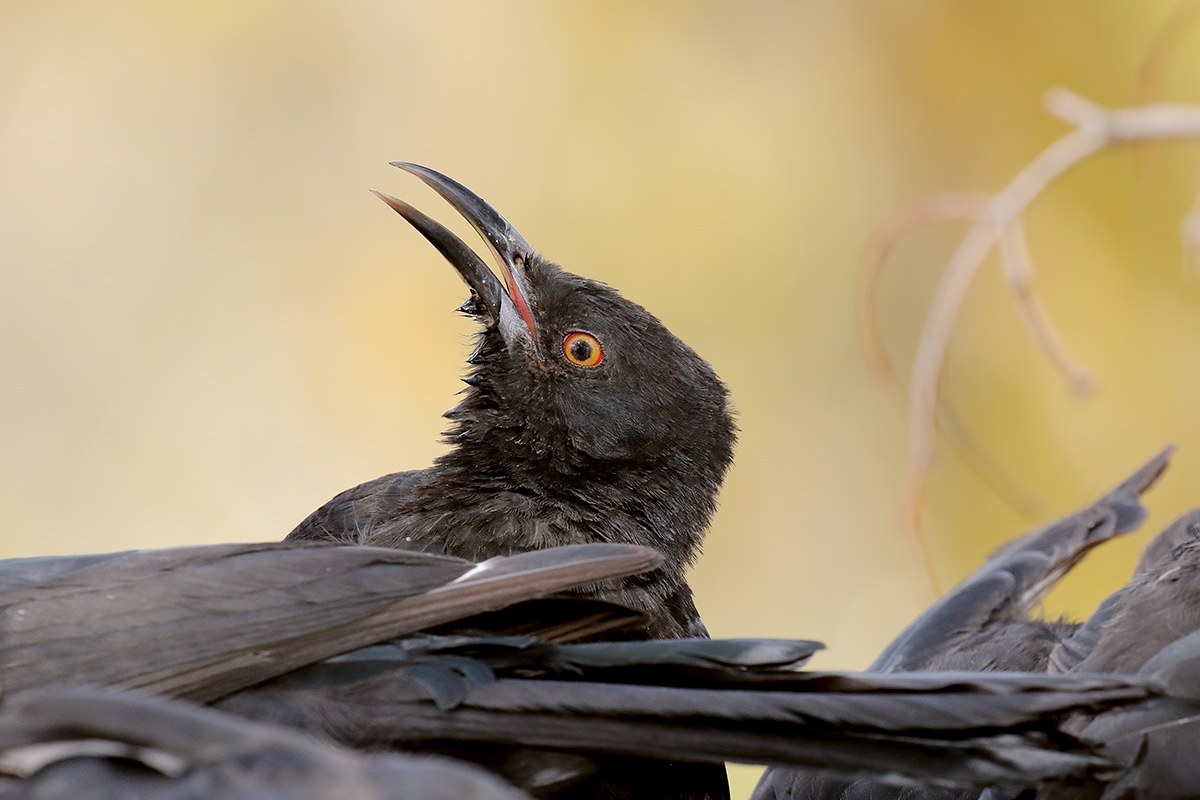
White-winged Chough
Contour and flight feathers

Rufous Treepie
Long, graduated tail feathers; loose body contour feathers

Thick-billed Raven
Contour and flight feathers
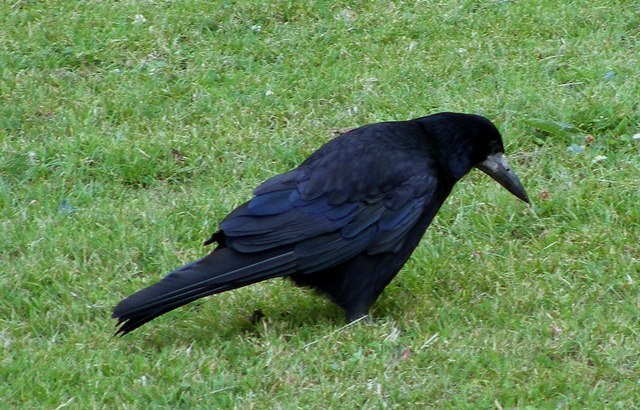
Rook
Glossy purple-black flight and body feathers; loose, shaggy thigh (leg) feathers