
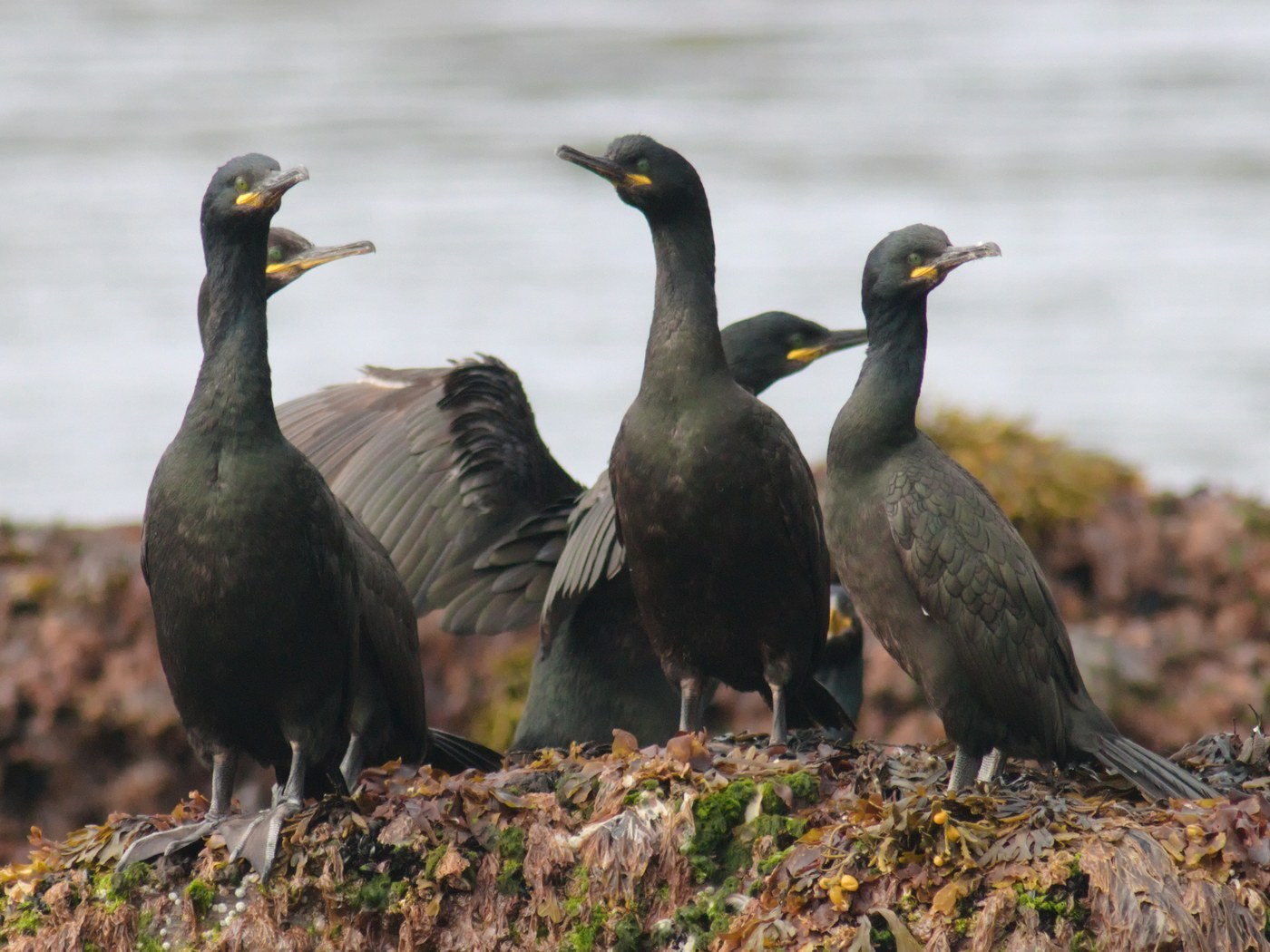
European Shag
Gulosus aristotelis
A slender, all-dark cormorant relative with an iridescent green-black sheen and a distinctive forward-curling crest during the breeding season.
- Feather type
- Dense, glossy body feathers with a slender flight feather structure
- Colours
- Glossy dark green-black overall
- Bird size
- Medium-large, ~65-80 cm
Found a feather like this?
Identify any feather from a photo, free.
Overview
Overview
The European Shag is a slim, all-dark seabird closely related to cormorants, distinguished by its more strictly marine habits, thinner bill, and a glossy green-black sheen to its plumage. During the breeding season, adults develop a distinctive forward-curling crest on the forehead, giving rise to the species' common name.
Unlike the Great Cormorant, which readily uses both marine and freshwater habitats, the European Shag is almost exclusively found along rocky coastlines and rarely strays inland.
Identifying the Feather
European Shag feathers are uniformly dark with a notable iridescent sheen, more slender overall than typical cormorant feathers.
- Body feathers: Glossy blackish overall with a green iridescent sheen, generally without the bronze tones seen in Great Cormorant.
- Structure: Feathers and the bird's overall build are more slender than the bulkier Great Cormorant, reflecting the shag's smaller, more streamlined body.
- Breeding crest: A small tuft of forward-curling feathers develops on the forehead during the breeding season, unique among regional cormorant relatives.
- Compared to Great Cormorant: European Shag lacks the white throat and flank patches of Great Cormorant, appearing uniformly dark with a greener sheen and a thinner overall feather structure.
Plumage & Molt
Adults are glossy blackish overall with a green iridescent sheen, without white throat or flank patches. During the breeding season, a small crest of forward-curling feathers develops on the forehead and is lost again afterward. Sexes look alike. Juveniles are browner overall, gradually developing the glossier adult sheen with maturity. Molt occurs annually, with the breeding crest feathers shed after the nesting season.
Habitat & Range
European Shags are found along rocky coastlines, cliffs, and offshore islands mainly around the eastern Atlantic and parts of the Mediterranean, rarely venturing inland or far from the immediate coast. Most populations are resident, though some individuals disperse locally outside the breeding season in response to weather and food availability.
Behavior & Field Notes
This species feeds by diving from the surface and pursuing fish underwater, often close to rocky shorelines, and perches afterward with wings spread to dry like other cormorant relatives. Nesting occurs on cliff ledges, in caves, or among coastal boulders, with a clutch of several eggs. Calls are harsh, guttural notes given mainly at breeding colonies, generally quieter away from the nest site.
Frequently asked questions
What feather feature is unique to breeding European Shags?
A small crest of forward-curling feathers on the forehead, present during the breeding season and shed afterward.
How can I tell a European Shag feather from a Great Cormorant feather?
European Shag lacks the white throat and flank patches of Great Cormorant and shows a greener iridescent sheen with a more slender overall feather structure.
Is the European Shag ever found away from the coast?
Rarely; it is much more strictly marine than the Great Cormorant, staying close to rocky coastlines and cliffs.
Where would a European Shag feather likely be found?
Along rocky coastlines, cliffs, and offshore islands of the eastern Atlantic and parts of the Mediterranean.
European Shag guides
In-depth guides for identifying and understanding European Shag.

Other feathers you may enjoy

Western Gull
Body, flight, and tail feathers
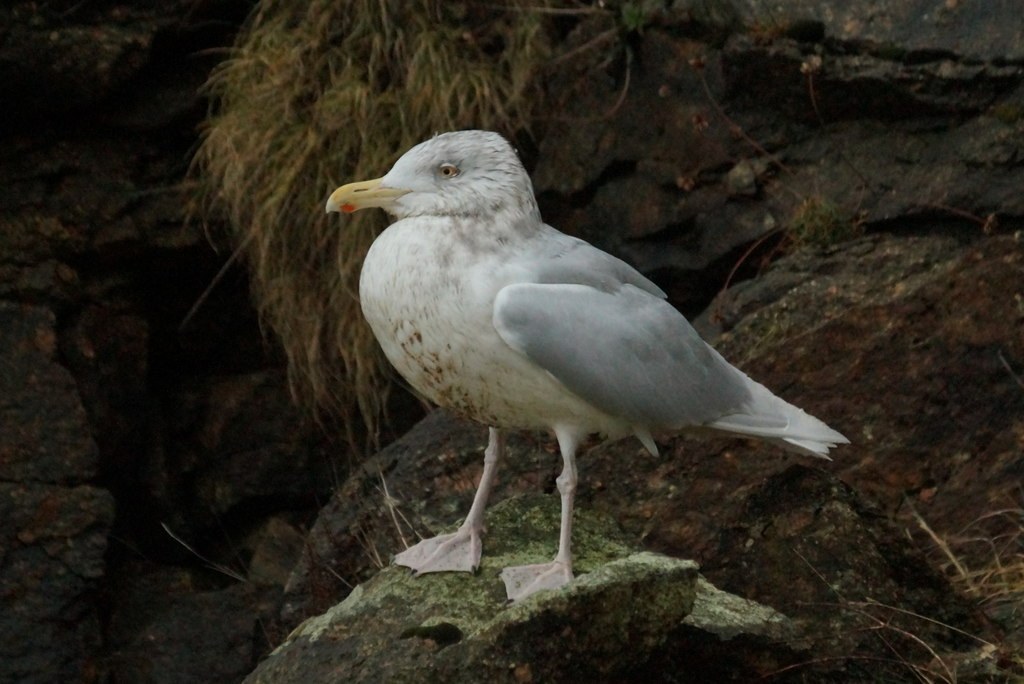
Glaucous Gull
Body, flight, and tail feathers

American Herring Gull
Body, flight, and tail feathers

Great Black-backed Gull
Body, flight, and tail feathers

Common Gull
Body, flight, and tail feathers
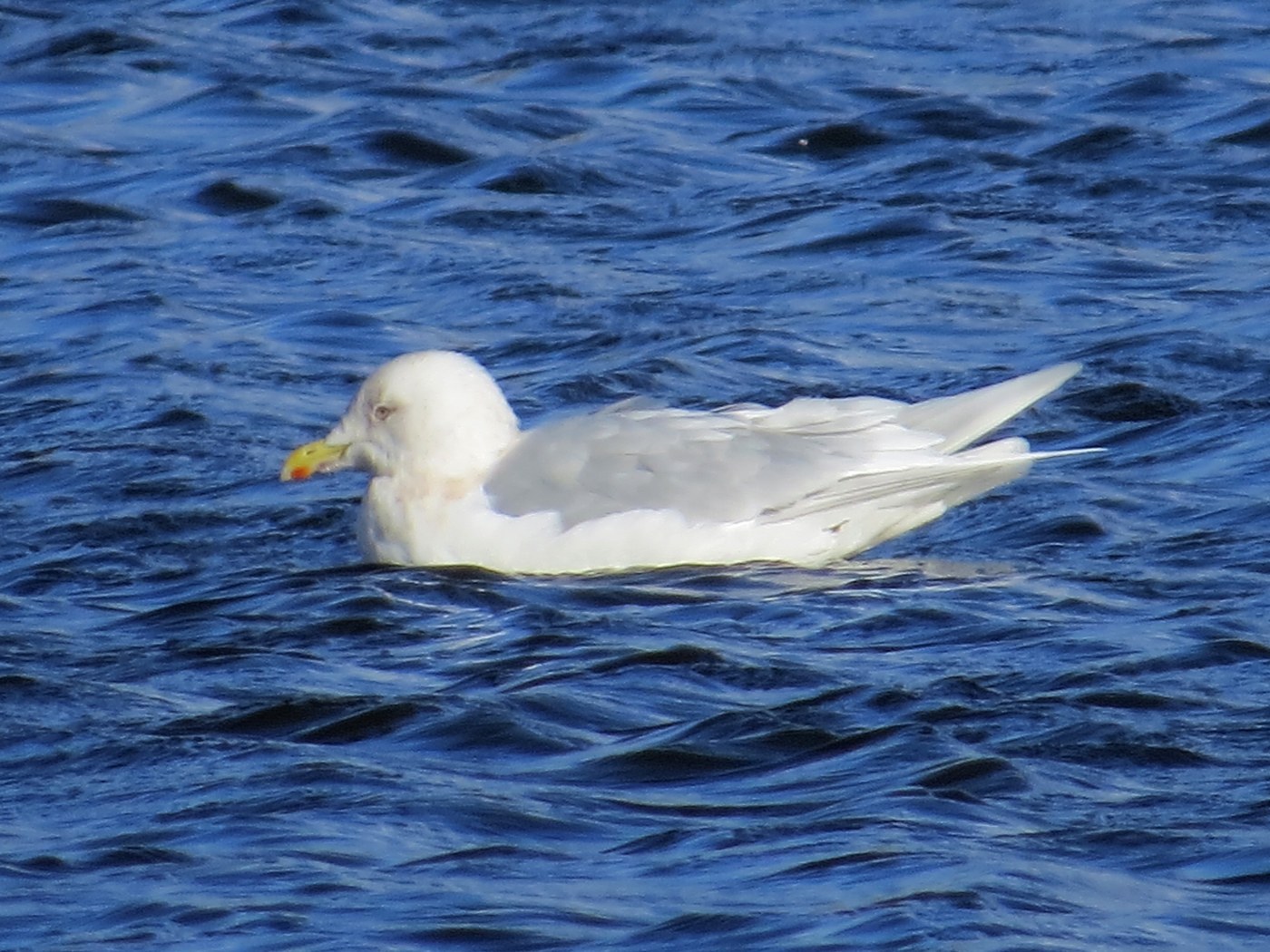
Iceland Gull
Body, flight, and tail feathers

Ring-billed Gull
Body, flight, and tail feathers

Glaucous-winged Gull
Body, flight, and tail feathers

Herring Gull
Body, flight, and tail feathers

Lesser Black-backed Gull
Body, flight, and tail feathers

California Gull
Body, flight, and tail feathers
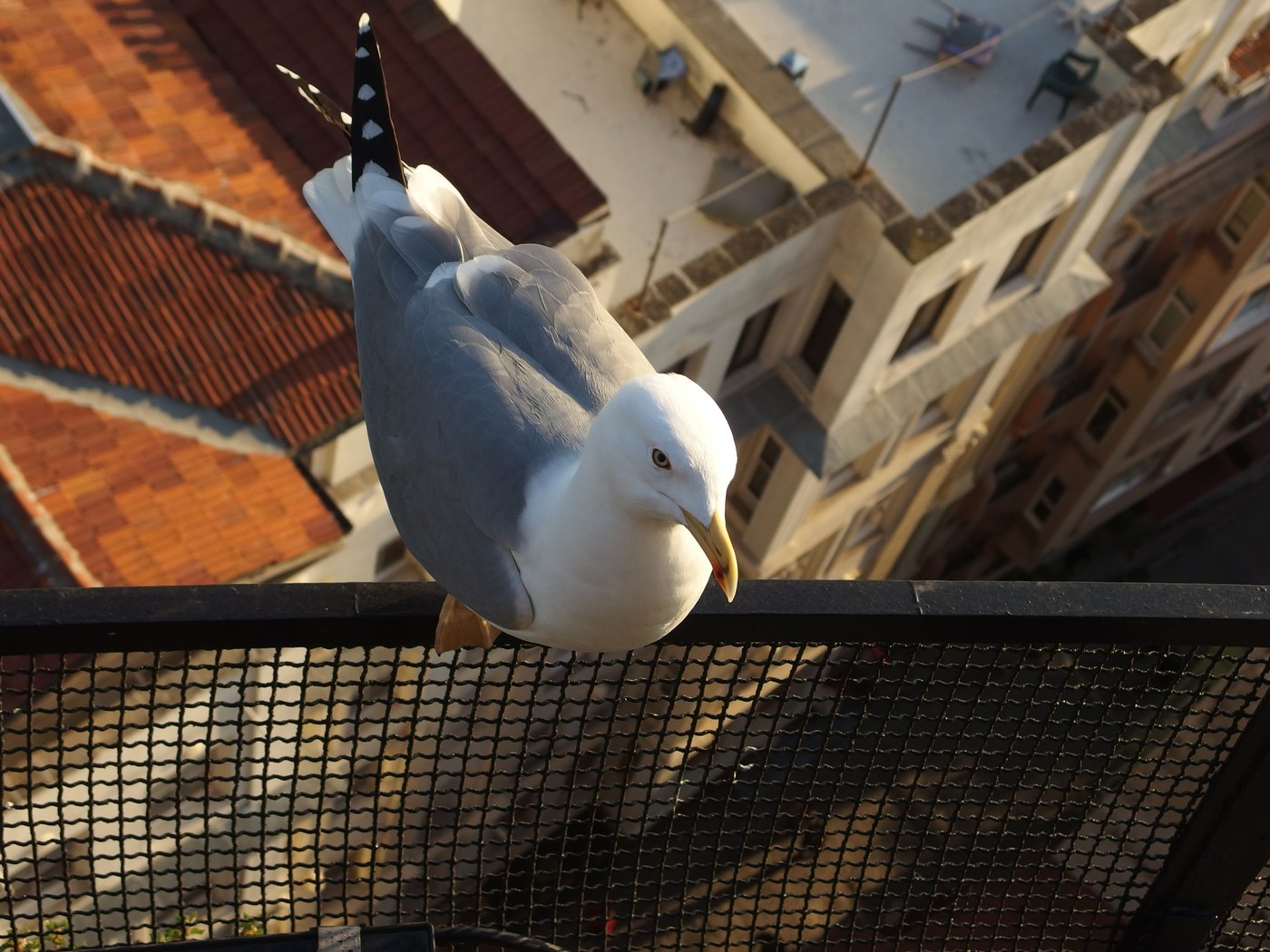
Yellow-legged Gull
Body, wing covert, and flight feathers