
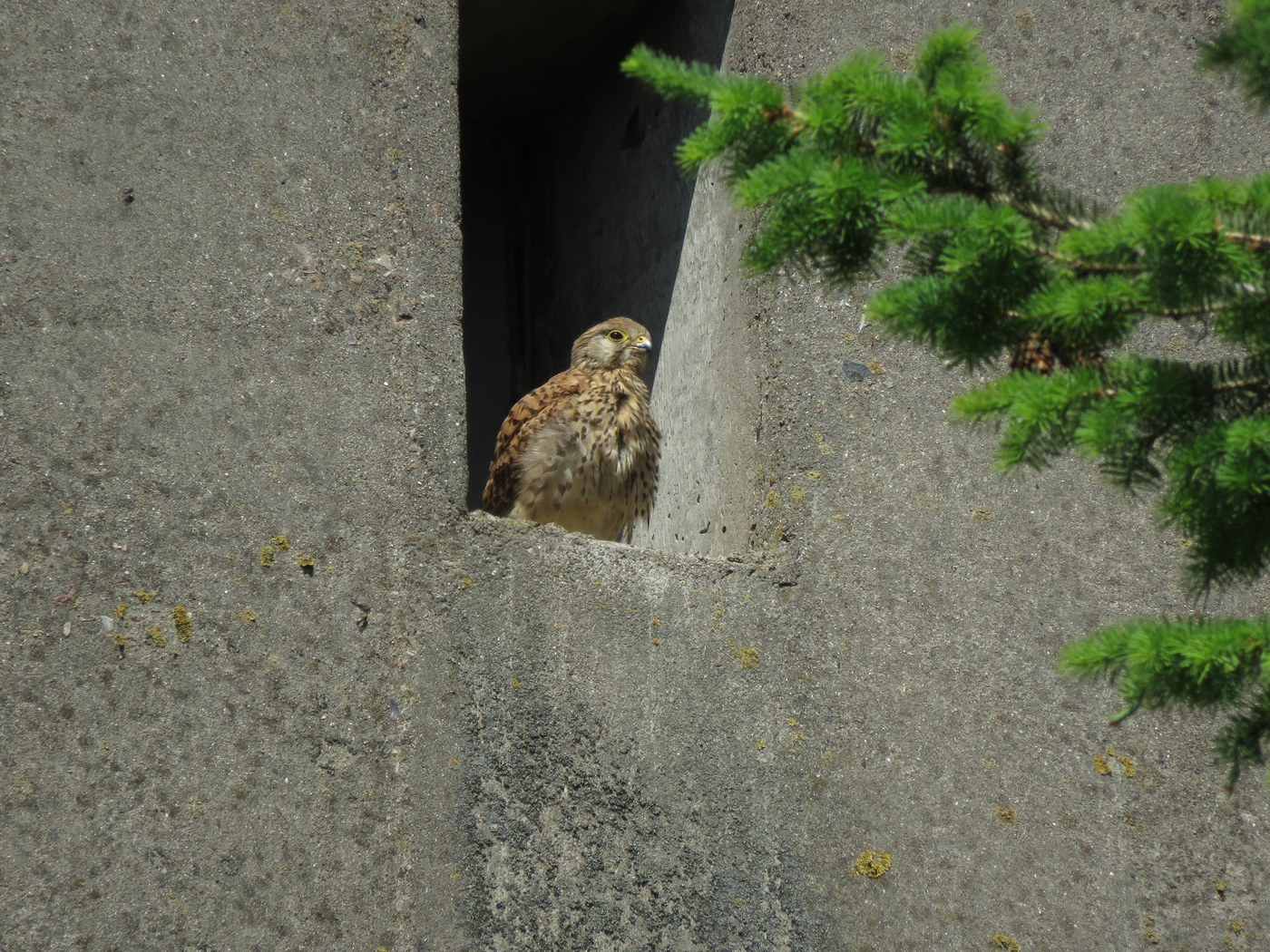
Common Kestrel
Falco tinnunculus
The Common Kestrel is a small falcon best known for its ability to hover in place while hunting, with long pointed wings and a distinctive tail that is blue-grey with a black band in males but barred rufous-brown in females.
- Feather type
- Long, pointed wing feathers for hovering flight; long narrow tail feathers
- Colours
- Rufous-chestnut back with black spotting (both sexes), blue-grey head and tail (male only), barred rufous tail (female)
- Bird size
- Small falcon, ~32-39 cm
Found a feather like this?
Identify any feather from a photo, free.
Overview
The Common Kestrel is one of the most familiar birds of prey across Europe, frequently seen hovering over roadside verges and open fields while scanning the ground for prey.
Its feathers are built for controlled, sustained hovering flight: long, pointed wings and a long, narrow tail that provide fine aerodynamic control.
Males and females differ noticeably in plumage, with males showing a blue-grey head and tail against a rufous, spotted back, while females are more uniformly rufous-brown with barring throughout.
Identifying the Feather
Size & Shape
- Wing feathers are long and pointed, typical of falcons, supporting both fast direct flight and controlled hovering.
- Tail feathers are long and narrow relative to body size, aiding fine balance during hovering.
Color & Pattern
- Male upperpart feathers: rufous-chestnut back with black spotting, contrasting blue-grey head and unbarred blue-grey tail with a single broad black terminal band.
- Female upperpart feathers: rufous-brown overall with dark barring across the back, wings, and tail, lacking the male's blue-grey tones.
- Underparts in both sexes are buff with dark streaking or spotting.
Similar Species
- Male Kestrel's blue-grey unbarred tail with one black terminal band is diagnostic among small European falcons; female Kestrel's barred rufous tail is best told from Sparrowhawk by its narrower, more pointed shape and falcon-type spotting pattern rather than hawk barring.
Plumage & Molt
Overall Plumage
Males: blue-grey head and tail, rufous-chestnut spotted back, buff streaked underparts. Females: rufous-brown and barred throughout, without blue-grey tones.
Sex & Age Differences
Males are more colorful with the contrasting blue-grey head and tail; females are more uniformly barred rufous-brown. Juveniles resemble females until their first complete molt.
Molt
One complete molt annually, generally through summer into early autumn.
Habitat & Range
Habitat
Open farmland, grassland, roadside verges, and increasingly urban areas with suitable open hunting ground and ledges for nesting.
Range
Widespread across Europe, Asia, and Africa.
Movements
Mostly resident in milder regions; northern and eastern populations may migrate south in winter.
Behavior & Field Notes
Behavior
Well known for hovering motionless in place while scanning the ground below for prey, then dropping in a controlled stoop.
Diet
Feeds mainly on small mammals located from the air, along with some birds and invertebrates.
Nesting
Uses a ledge, old crow nest, tree hole, or nest box rather than building its own nest from scratch.
Voice
A shrill, repeated 'kee-kee-kee' call, especially near the nest site.
Field Notes
A blue-grey, single-banded tail feather found in open farmland or along a roadside verge indicates a male Common Kestrel; a barred rufous-brown tail feather in the same habitat likely belongs to a female or juvenile.
Frequently asked questions
What is the most distinctive Kestrel feather feature?
The tail - males show blue-grey with one broad black terminal band, while females and juveniles show barred rufous-brown throughout.
How does the Kestrel's flight style relate to its feather shape?
Long, pointed wings and a long narrow tail give the fine control needed for its characteristic hovering hunting technique.
How can I tell a Kestrel feather from a Sparrowhawk feather?
Kestrel feathers show falcon-type spotting/barring with a narrower, more pointed shape; Sparrowhawk shows broader, rounder wing feathers suited to woodland pursuit.
Where are Kestrel feathers commonly found?
In open farmland, along roadside verges, and increasingly in urban areas with open hunting ground.
Common Kestrel guides
In-depth guides for identifying and understanding Common Kestrel.
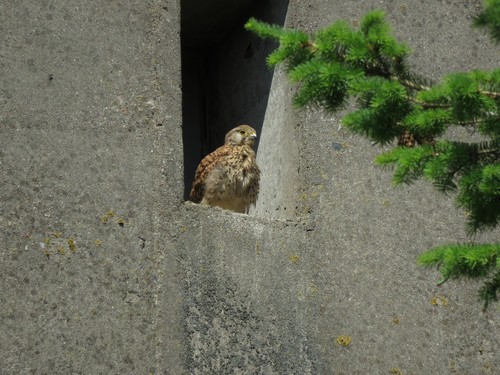
Common Kestrel identified by the community
Real feathers identified with Feather Identifier.


Other feathers you may enjoy

Australian Hobby
Long, narrow pointed flight feathers; slender tail feathers

California Condor
Massive flight feathers; long broad primaries; large tail feathers

Brown Falcon
Broad, rounded flight feathers; variable-toned contour feathers
Secretarybird
Long crest feathers; broad flight feathers; elongated central tail feathers

Orange-breasted Falcon
Broad-based pointed flight feathers; bold breast and belly feathers
African Fish Eagle
Flight, tail, and body feathers

Amur Falcon
Slender pointed flight feathers; soft slate or orange-buff contour feathers
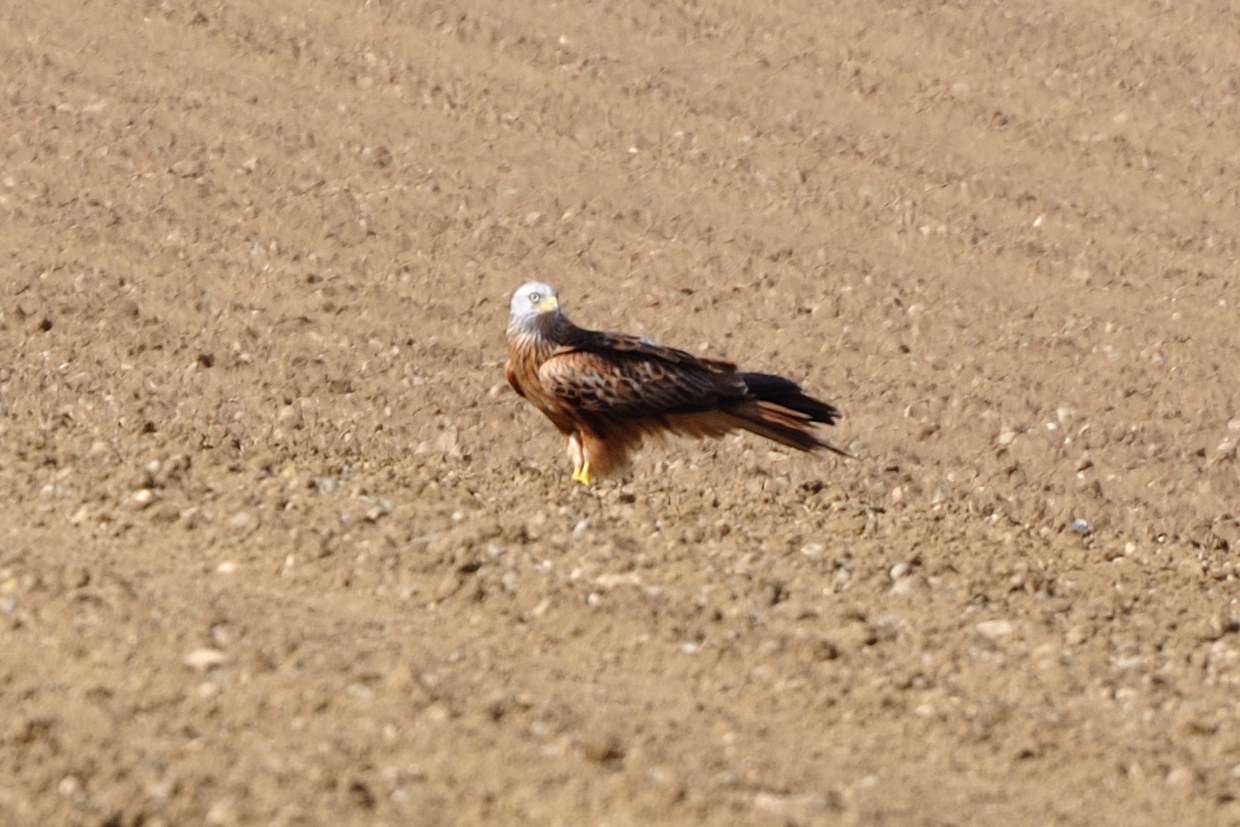
Red Kite
Flight (wing) and tail feathers
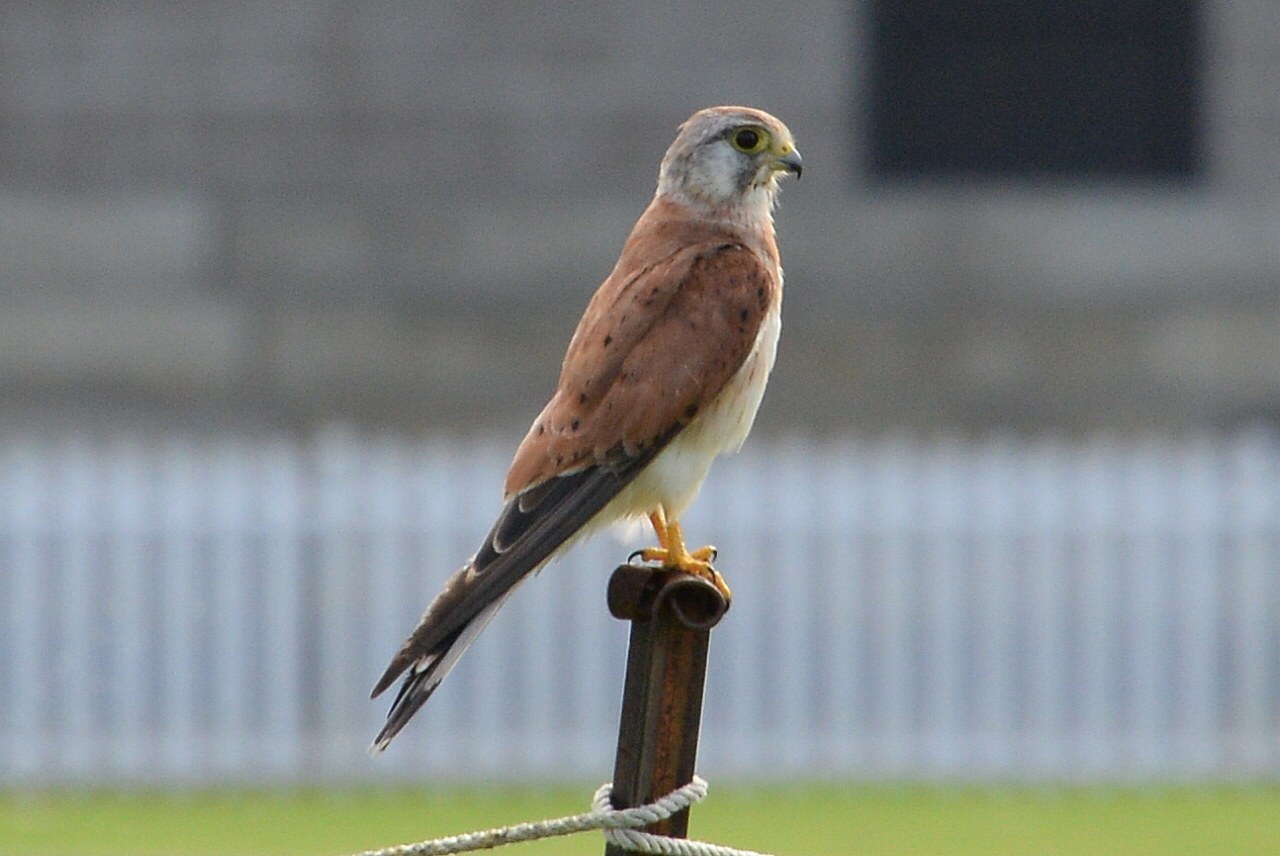
Nankeen Kestrel
Slim pointed flight feathers; lightly marked contour feathers

Andean Condor
Massive flight feathers; broad primaries and secondaries; sturdy tail feathers

Plumbeous Forest Falcon
Short rounded flight feathers; finely barred tail feathers

Sooty Falcon
Long pointed flight feathers; slim tail feathers