
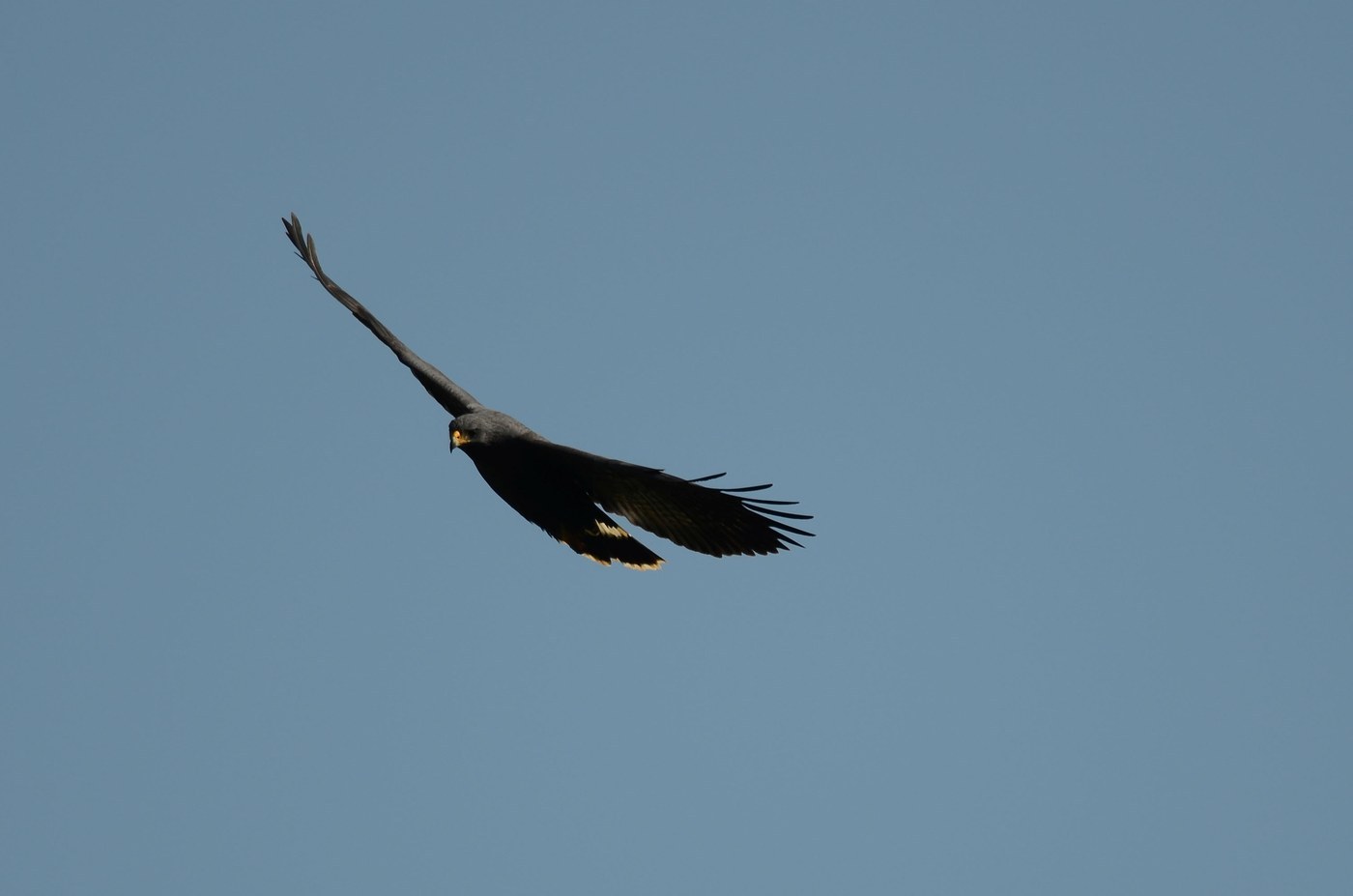
Common Black Hawk
Buteogallus anthracinus
A stocky, broad-winged hawk of wooded streams and mangroves, easily told from other dark raptors by its nearly all-black plumage crossed by a single wide white tail band.
- Feather type
- Broad, rounded flight and tail feathers
- Colours
- Sooty black overall with one bold white tail band
- Bird size
- Red-tailed Hawk-sized, ~53-58 cm
Found a feather like this?
Identify any feather from a photo, free.
Overview
The Common Black Hawk is a heavyset, short-tailed hawk of the genus Buteogallus, a group of broad-winged American raptors tied closely to water. It ranges from the desert Southwest of the United States south through Mexico and Central America into northern South America, almost always found within sight of a stream, river, or coastal wetland. Its blocky silhouette, broad paddle-shaped wings, and overwhelmingly dark plumage make it one of the more distinctive raptors within its narrow riparian habitat niche.
Identifying the Feather
Body and covert feathers are a deep, slightly glossy black-brown with little pattern, giving found feathers an unusually uniform, sooty look compared to the barring typical of most hawks. The most diagnostic feathers are from the tail: broad, black rectrices crossed by a single wide white band set well before the tip, with a narrow white terminal edge beyond it. Flight feathers are broad and rounded rather than pointed, consistent with a soaring, low-flapping hawk rather than a fast-pursuit species. This single-banded black tail separates the species from superficially similar dark raptors such as Zone-tailed Hawk, which shows multiple narrow pale tail bands, and from vultures, whose flight feathers are more ragged-edged and flexible.
Plumage & Molt
Adults are blackish-brown to black over the entire body, with a yellow-orange cere and legs providing the only strong color contrast. Juveniles look quite different: heavily streaked dark brown and buff below, with a pale head and a tail crossed by several narrow dark bands rather than the adult's single broad one. The transition to adult plumage occurs gradually over a couple of years through successive molts, with the single white tail band becoming cleaner and more sharply defined as birds mature.
Habitat & Range
This species favors wooded rivers, streams, mangrove swamps, and coastal wetlands, rarely straying far from water. Its range extends from the lowland Southwest United States (Arizona, limited areas of New Mexico and Texas) through the length of Mexico and Central America to northern South America. Most populations are resident year-round, though the small breeding population at the northern edge of the range in the U.S. withdraws south for the winter.
Behavior & Field Notes
Common Black Hawks hunt by perching quietly over water and dropping onto crabs, fish, frogs, and other small aquatic and semi-aquatic prey, occasionally wading into shallows. Flight is typically low and heavy, alternating slow flaps with short glides, though birds will soar on broad wings over their territory. Nests are bulky stick platforms built high in a tall tree standing near or over water, and the species gives a loud, shrill, whistled call series, most often around the nest site.
Frequently asked questions
What single feature best identifies a Common Black Hawk feather?
A broad black tail feather crossed by one wide white band well before the tip is the clearest sign, distinguishing it from raptors with multiple pale tail bands.
Where would you most likely find this species?
Almost always near water: wooded streams, rivers, mangroves, or coastal wetlands in the desert Southwest, Mexico, Central America, or northern South America.
How can you tell an adult from a juvenile Common Black Hawk?
Adults are nearly uniform black-brown with one bold white tail band, while juveniles are heavily streaked brown and buff with a tail crossed by several narrow bands.
Could a Common Black Hawk feather be confused with a vulture feather?
Both are dark, but hawk flight feathers are stiffer and more evenly shaped, while vulture feathers tend to look more ragged and worn at the edges.
Common Black Hawk guides
In-depth guides for identifying and understanding Common Black Hawk.
Other feathers you may enjoy

Australian Hobby
Long, narrow pointed flight feathers; slender tail feathers

California Condor
Massive flight feathers; long broad primaries; large tail feathers

Brown Falcon
Broad, rounded flight feathers; variable-toned contour feathers
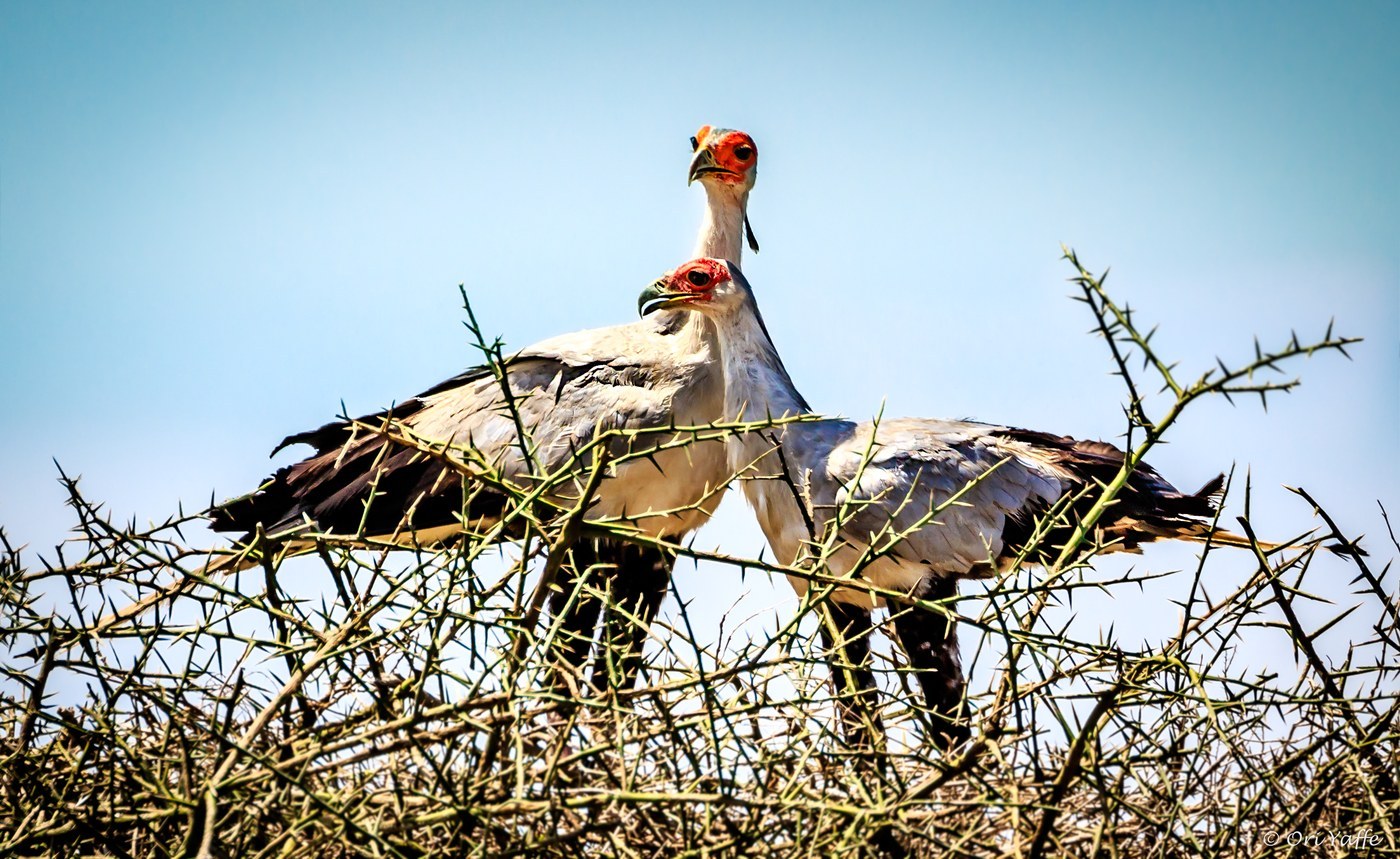
Secretarybird
Long crest feathers; broad flight feathers; elongated central tail feathers

Orange-breasted Falcon
Broad-based pointed flight feathers; bold breast and belly feathers
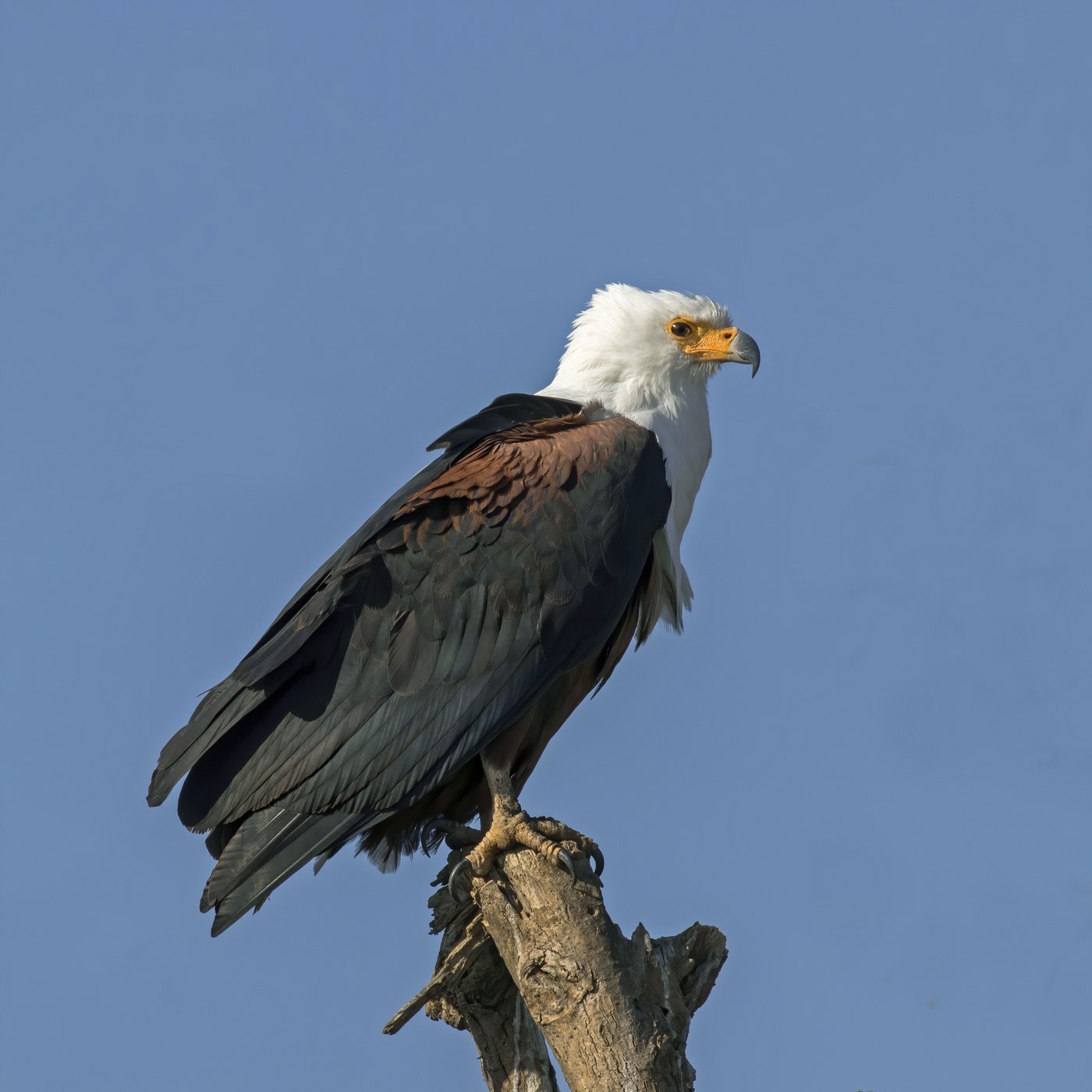
African Fish Eagle
Flight, tail, and body feathers

Amur Falcon
Slender pointed flight feathers; soft slate or orange-buff contour feathers
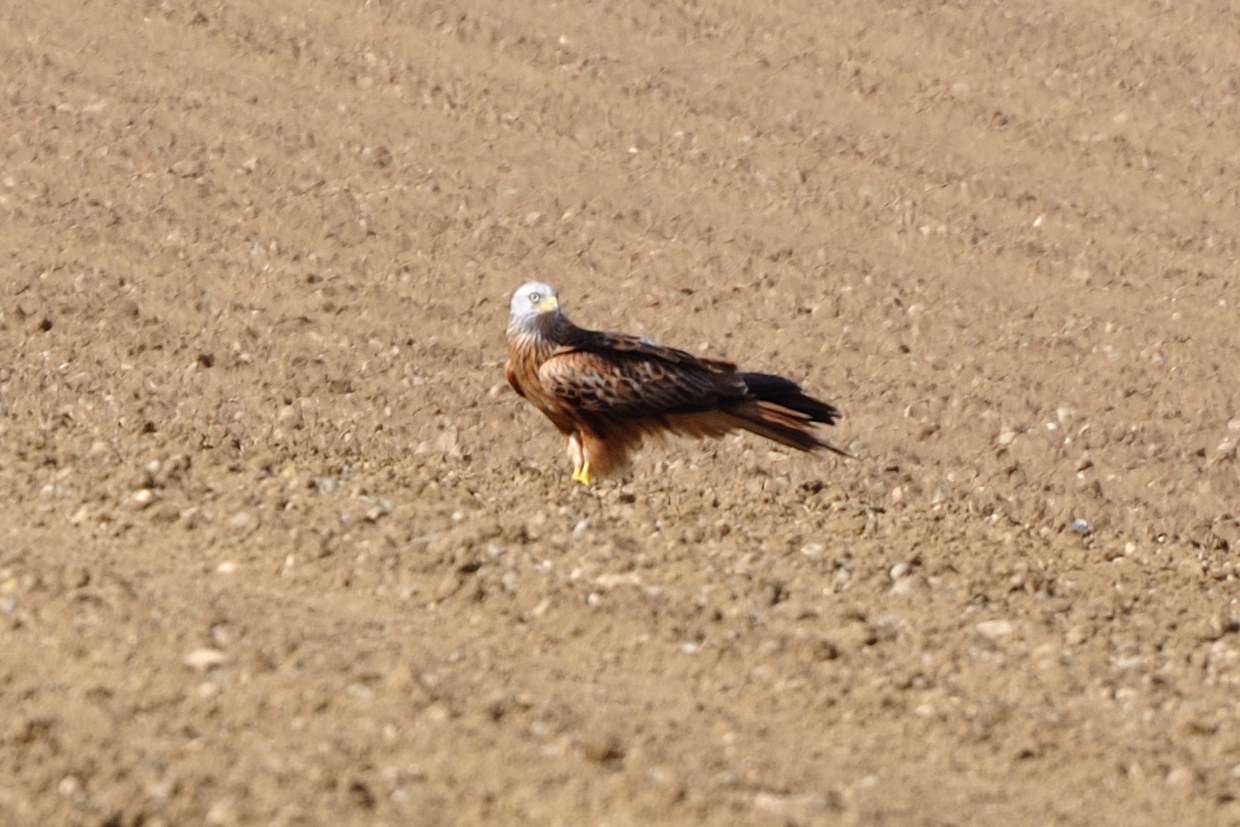
Red Kite
Flight (wing) and tail feathers
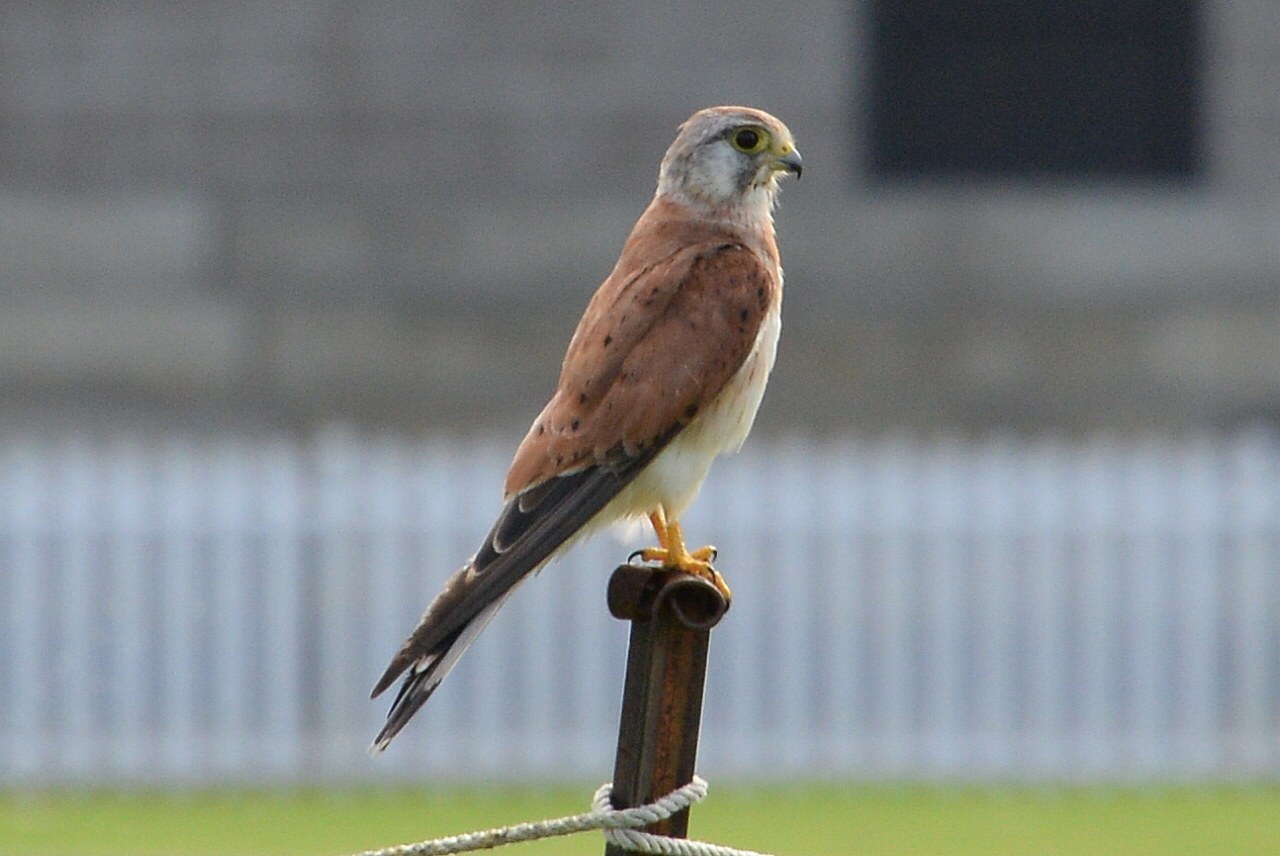
Nankeen Kestrel
Slim pointed flight feathers; lightly marked contour feathers

Andean Condor
Massive flight feathers; broad primaries and secondaries; sturdy tail feathers

Plumbeous Forest Falcon
Short rounded flight feathers; finely barred tail feathers

Sooty Falcon
Long pointed flight feathers; slim tail feathers