
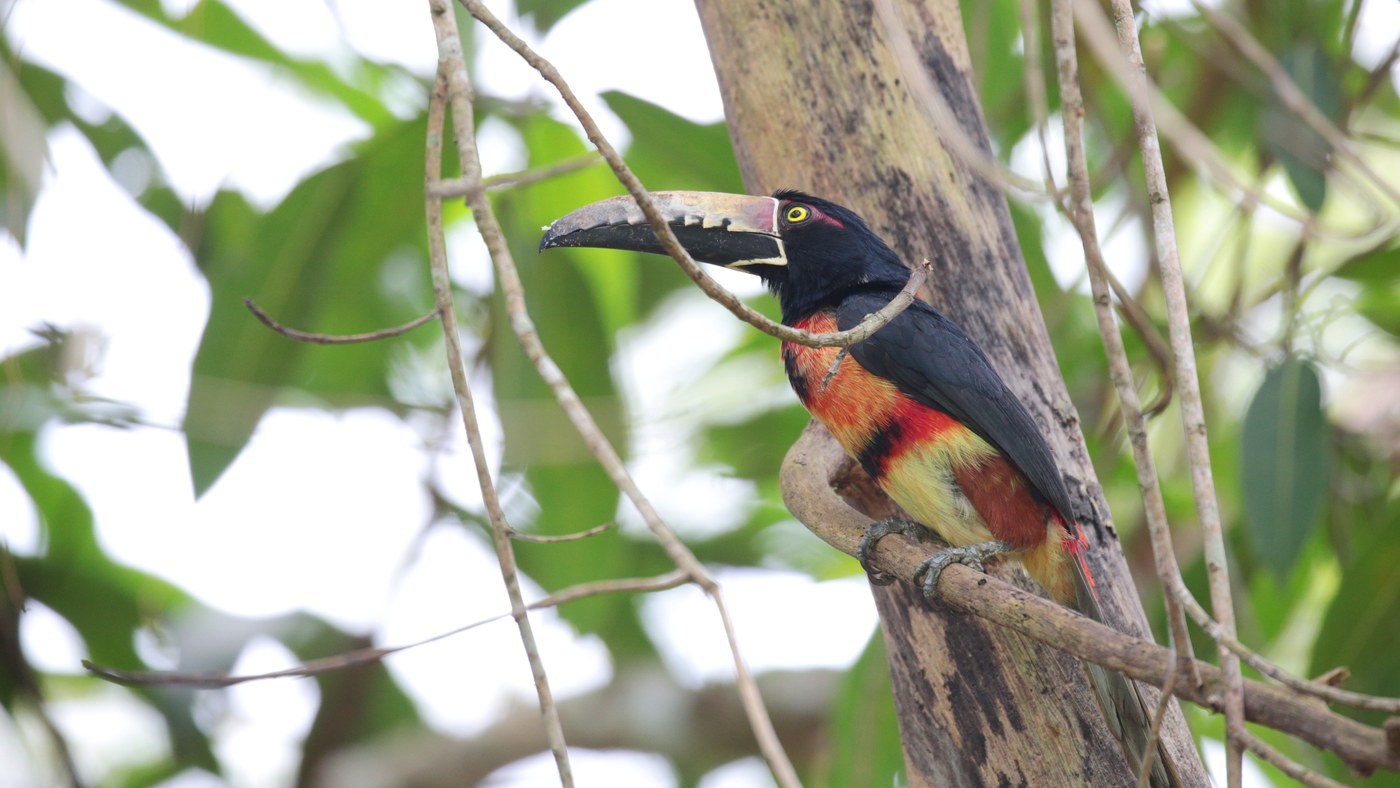
Collared Aracari
Pteroglossus torquatus
The Collared Aracari is a mid-sized toucan with bright yellow underparts crossed by a dark belt of spots, plus a narrow chestnut collar across the nape. It ranges through Central American and northern South American forests in small, active flocks.
- Feather type
- Short contour feathers, short rounded wings
- Colours
- Black head and back, yellow underparts crossed by a black-spotted band, red rump
- Bird size
- Jay-to-crow-sized, ~40-46 cm
Found a feather like this?
Identify any feather from a photo, free.
Overview
Overview
The Collared Aracari is one of the smaller members of the toucan family, sharing the group's oversized bill but showing a more intricately patterned body than the large Ramphastos toucans. Its yellow underparts marked by a dark belt make it one of the easier aracaris to identify from plumage alone.
- Mid-sized toucan relative, smaller and slimmer than Ramphastos toucans
- Bright yellow underparts are the standout plumage feature
- Named for the narrow chestnut "collar" across the back of the neck
Identifying the Feather
Feather Identification
Upperparts are glossy black, while the underparts are clear yellow crossed by an irregular black band flecked with red spots, sometimes called the "belt." The rump is a contrasting patch of red.
- Collar: a narrow chestnut band across the nape gives the species its name
- Underparts: yellow body feathers with a black-and-red spotted belt across the belly
- Rump feathers: bright red, visible in flight or on shed feathers
- Wing and tail: short, rounded, mostly black with little iridescence
The spotted black belt across yellow underparts separates this species from the plainer-bellied toucanets, while the chestnut collar distinguishes it from other aracari species with different belt patterns.
Plumage & Molt
Plumage Notes
Males and females share the same plumage pattern, so the species cannot be sexed reliably by color alone. Juveniles are duller, with a less crisp belt pattern and softer overall tones before their first full molt.
- Sexes are alike in plumage
- Juveniles show a muted, less contrasted version of the adult pattern
- Molt proceeds gradually with no separate bright breeding plumage
Habitat & Range
Habitat & Range
Found from southern Mexico through Central America into northwestern South America, in humid lowland and foothill forest, forest edges, and older secondary growth.
- Non-migratory resident species
- Occupies tropical and subtropical forest up to moderate elevations
- Adapts to forest edge and semi-open wooded habitat more readily than some deeper-forest toucans
Behavior & Field Notes
Behavior & Field Notes
Collared Aracaris travel in small, active flocks that move together through the canopy, often roosting communally in tree cavities. Their diet includes fruit supplemented with small animal prey taken opportunistically.
- Voice: sharp, squeaky, repeated calls given in flight or while perched
- Nesting: uses tree cavities, sometimes shared by several birds roosting together outside the breeding season
- Field notes: look for the yellow underparts with a black-spotted belt and chestnut collar as the key plumage combination
Frequently asked questions
How do you recognize Collared Aracari feathers?
Yellow underparts crossed by a black band flecked with red, paired with a chestnut collar across the nape, are the clearest identification features.
Is there a plumage difference between sexes?
No, males and females look alike; body size and bill proportions offer better sex clues than color in this species.
What red feathers might be found from this bird?
The rump carries bright red feathers, and the belt across the belly includes small red-tinged spotting.
Where does this aracari live?
It is resident across Central America and into northwestern South America, in humid lowland and foothill forest.
Collared Aracari guides
In-depth guides for identifying and understanding Collared Aracari.
Other feathers you may enjoy

Common Cuckoo
Flight and body feathers
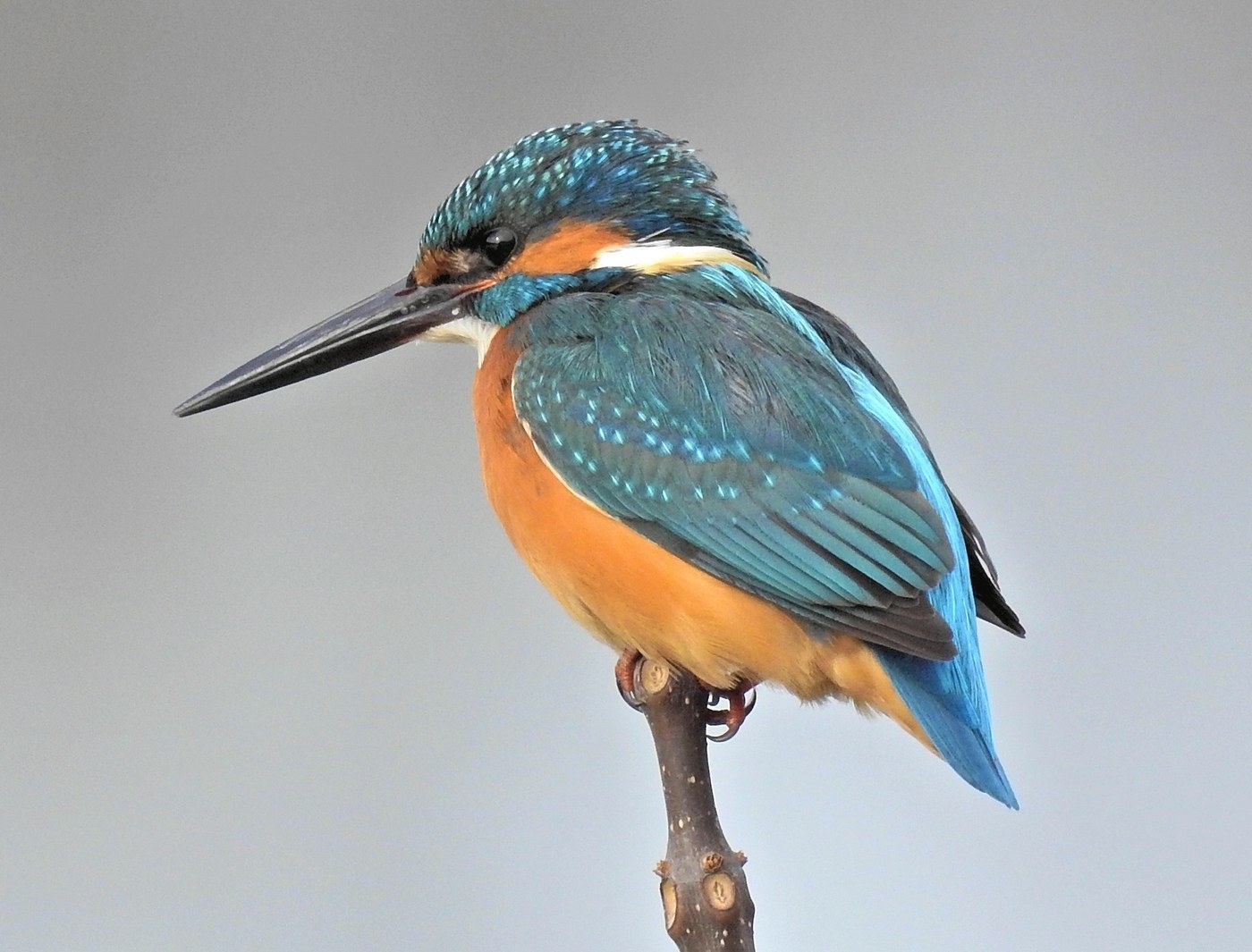
Common Kingfisher
Body (contour) and wing feathers
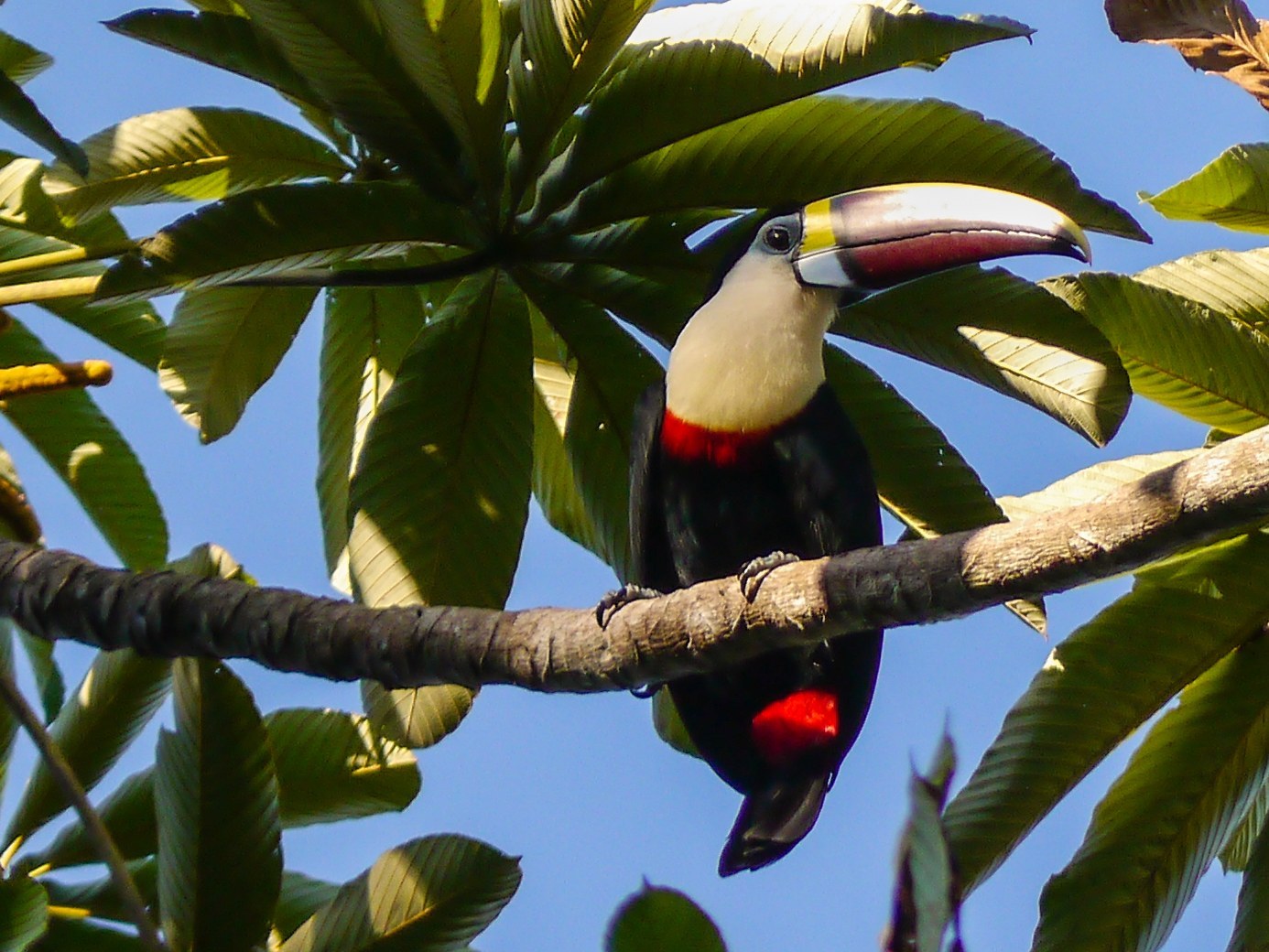
White-throated Toucan
Short rounded contour feathers, short broad wings
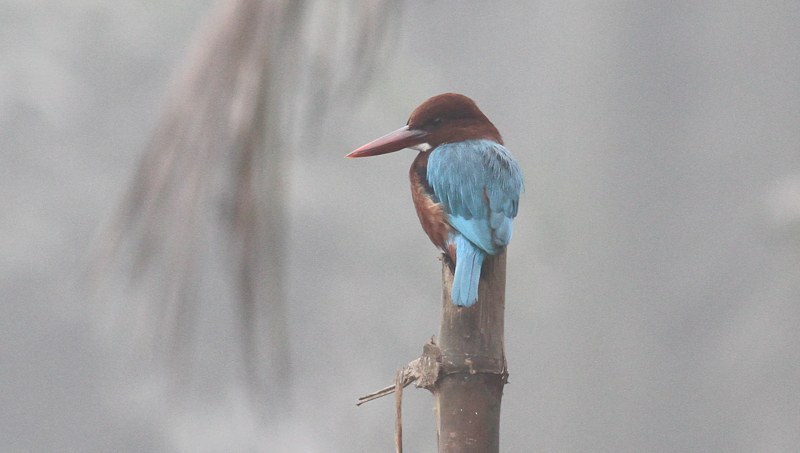
White-throated Kingfisher
Dense contour feathers; broad rounded wings

White-throated Bee-eater
Sleek, aerodynamic contour feathers; elongated central tail streamers
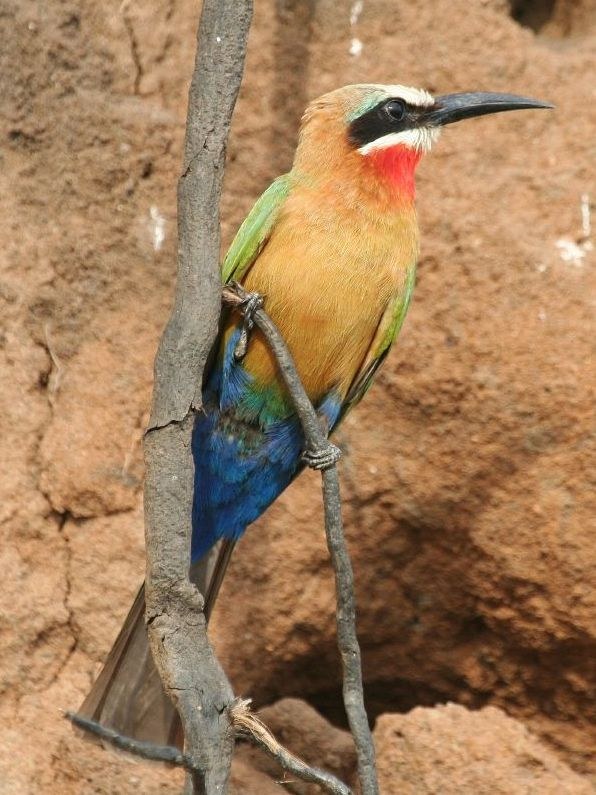
White-fronted Bee-eater
Sleek contour feathers; short tail with slight point

Southern Yellow-billed Hornbill
Slender contour feathers, moderate flight feathers
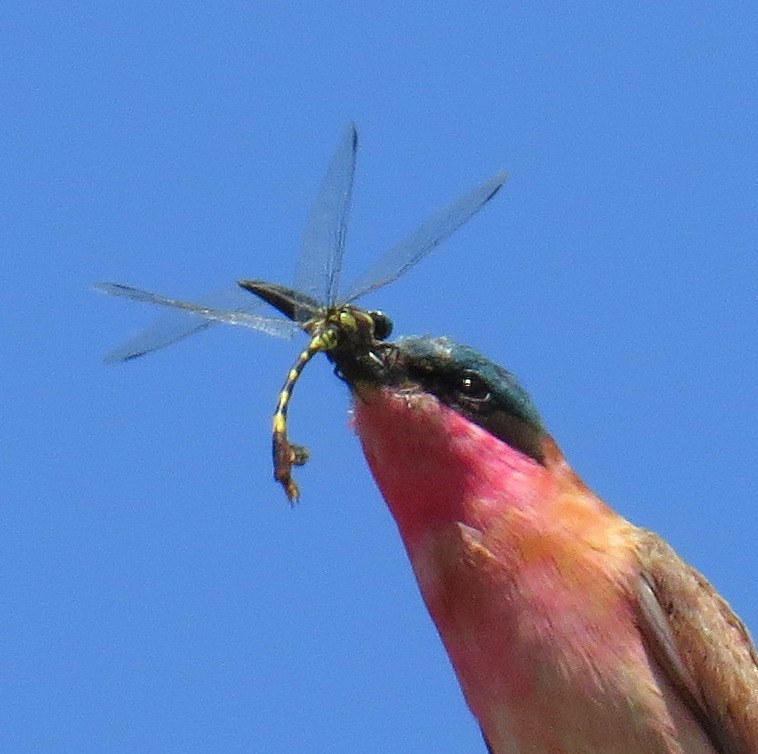
Southern Carmine Bee-eater
Sleek, pointed contour feathers; elongated central tail streamers
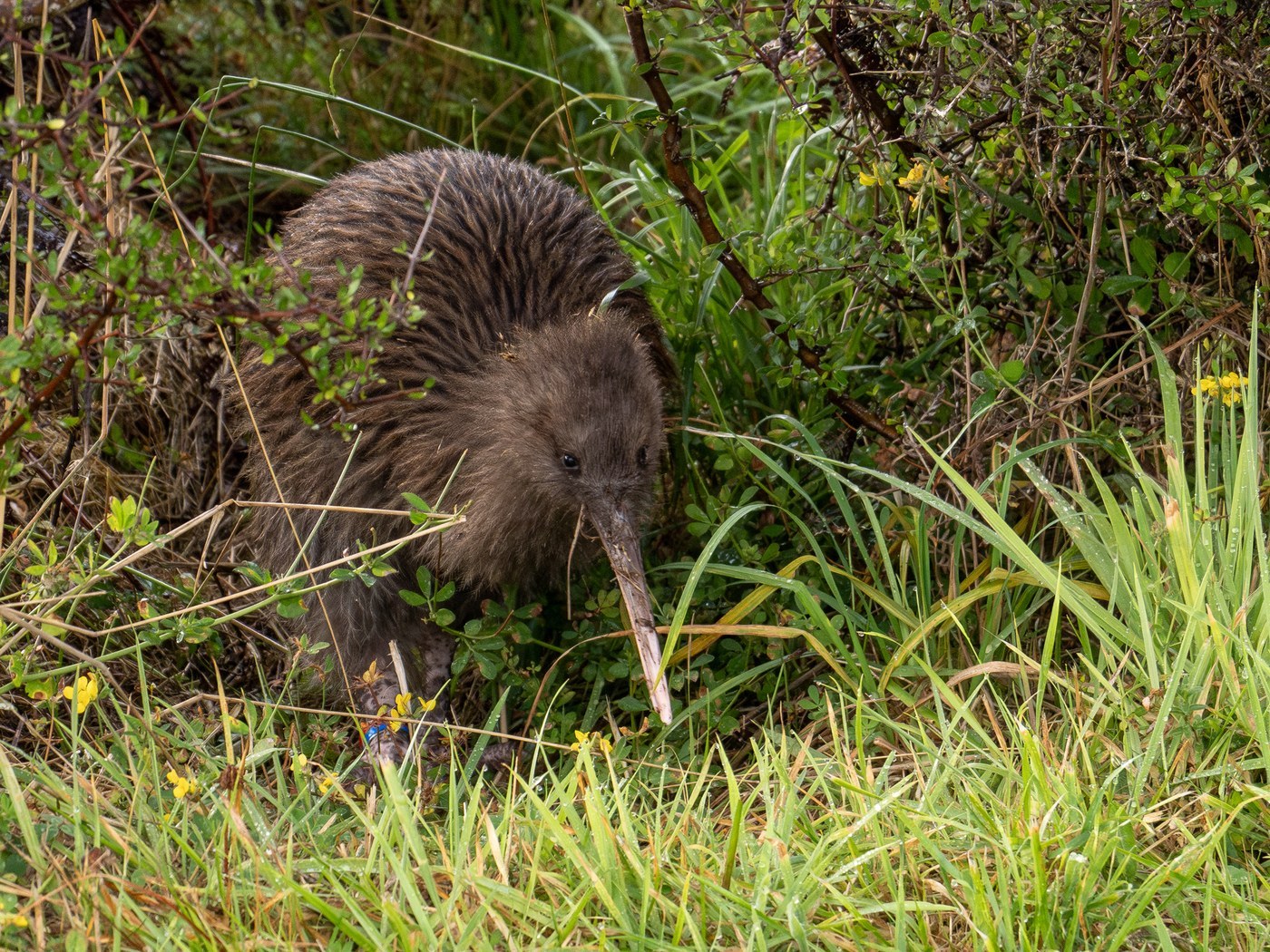
Southern Brown Kiwi
Shaggy, hair-like plumage with loose barbs lacking barbules; flightless, vestigial wings hidden beneath body feathers

Somali Ostrich
Loose, soft plumes lacking interlocking barbules

Wreathed Hornbill
Dense contour feathers, broad flight feathers

Woodland Kingfisher
Firm contour feathers; broad wing feathers