

Chaco Owl
Strix chacoensis
A dark-eyed true owl of the Gran Chaco woodlands, closely related to the Rufous-legged Owl, with densely barred brown plumage suited to dry scrub forest.
- Feather type
- Dense, soft body feathers; broadly barred flight and tail feathers typical of true owls (genus Strix)
- Colours
- Greyish-brown to warm brown, densely barred and mottled with darker brown and buff
- Bird size
- Medium-large owl, ~34-38 cm
Found a feather like this?
Identify any feather from a photo, free.
Overview
The Chaco Owl is a medium-sized owl found in the Gran Chaco region of South America, spanning parts of Argentina, Paraguay, and Bolivia. It belongs to the genus Strix, the earless 'true owls,' and is closely related to the Rufous-legged Owl of more temperate southern South America.
Its plumage is well suited to the dry, thorny woodland habitat of the Chaco, blending dense barring and mottling that matches the dappled light of open scrub forest.
Feathers of this species can be recognized by their combination of dark round eyes (no ear tufts), even barring across the wings and tail, and an overall brown tone matching the arid woodland it inhabits.
Identifying the Feather
Size and shape
- Rounded head profile feathers with no ear tufts, typical of Strix owls
- Broad, rounded flight feathers and a moderately long, evenly barred tail
Color and pattern
- Ground color greyish-brown to warmer brown, with dense, fairly regular dark barring across the back, wings, and tail
- Underparts paler with fine streaking and barring rather than solid color
- Facial disc feathers plain brown-grey without strong contrasting rings
Distinguishing from similar species
- Closely resembles the Rufous-legged Owl of the southern Andes and Patagonia, but the two occupy largely separate, non-overlapping dry versus humid habitats
- Overall duller and more evenly barred than tropical screech-owls sharing its range, which tend to show more contrast and ear tufts
Plumage & Molt
Plumage is greyish-brown to warm brown overall, densely barred and mottled to blend with dry woodland bark and shadow. Sexes look similar, with females typically slightly larger, as is standard among owls. Juveniles show a softer, more uniformly downy version of the adult pattern before fledging into adult-like barring. Molt is gradual and generally follows the breeding season.
Habitat & Range
Restricted to the Gran Chaco ecoregion of central South America, including parts of Argentina, Paraguay, and Bolivia, where it inhabits dry deciduous woodland and thorn scrub forest. It is a non-migratory resident, remaining in suitable Chaco woodland year-round.
Behavior & Field Notes
A nocturnal hunter taking a range of small vertebrates and large insects from perches within dry woodland. It nests in tree cavities. Its voice consists of low hooting calls typical of Strix owls, used to establish and defend territory at night. Because it closely resembles the Rufous-legged Owl, any feather tentatively assigned to this species should be considered together with its geographic origin within the dry Chaco region specifically.
Frequently asked questions
How is the Chaco Owl related to other true owls?
It belongs to genus Strix, the earless true owls, and is a close relative of the Rufous-legged Owl found further south.
What habitat does it favor?
Dry Chaco woodland and thorn scrub forest across parts of Argentina, Paraguay, and Bolivia.
Does it have ear tufts?
No, like other Strix owls it has a rounded head with no ear tufts.
How can I tell its feathers from a screech-owl's in the same region?
Chaco Owl feathers are larger, more evenly barred, and duller in tone compared to the more contrasting, often ear-tufted screech-owls sharing its range.
Chaco Owl guides
In-depth guides for identifying and understanding Chaco Owl.

Other feathers you may enjoy

Tawny Owl
Wing (flight) and body (contour) feathers
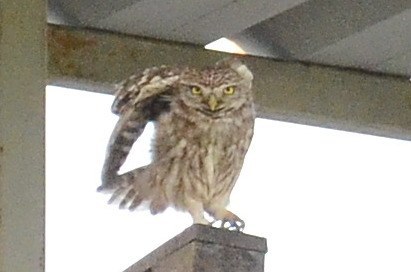
Little Owl
Wing and body feathers

Balsas Screech-Owl
Small ear-tuft feathers; soft, finely vermiculated body feathers

Blakiston's Fish Owl
Massive flight feathers with looser structure; shaggy body plumage; prominent ear-tuft feathers

Barn Owl
Wing and facial-disc feathers
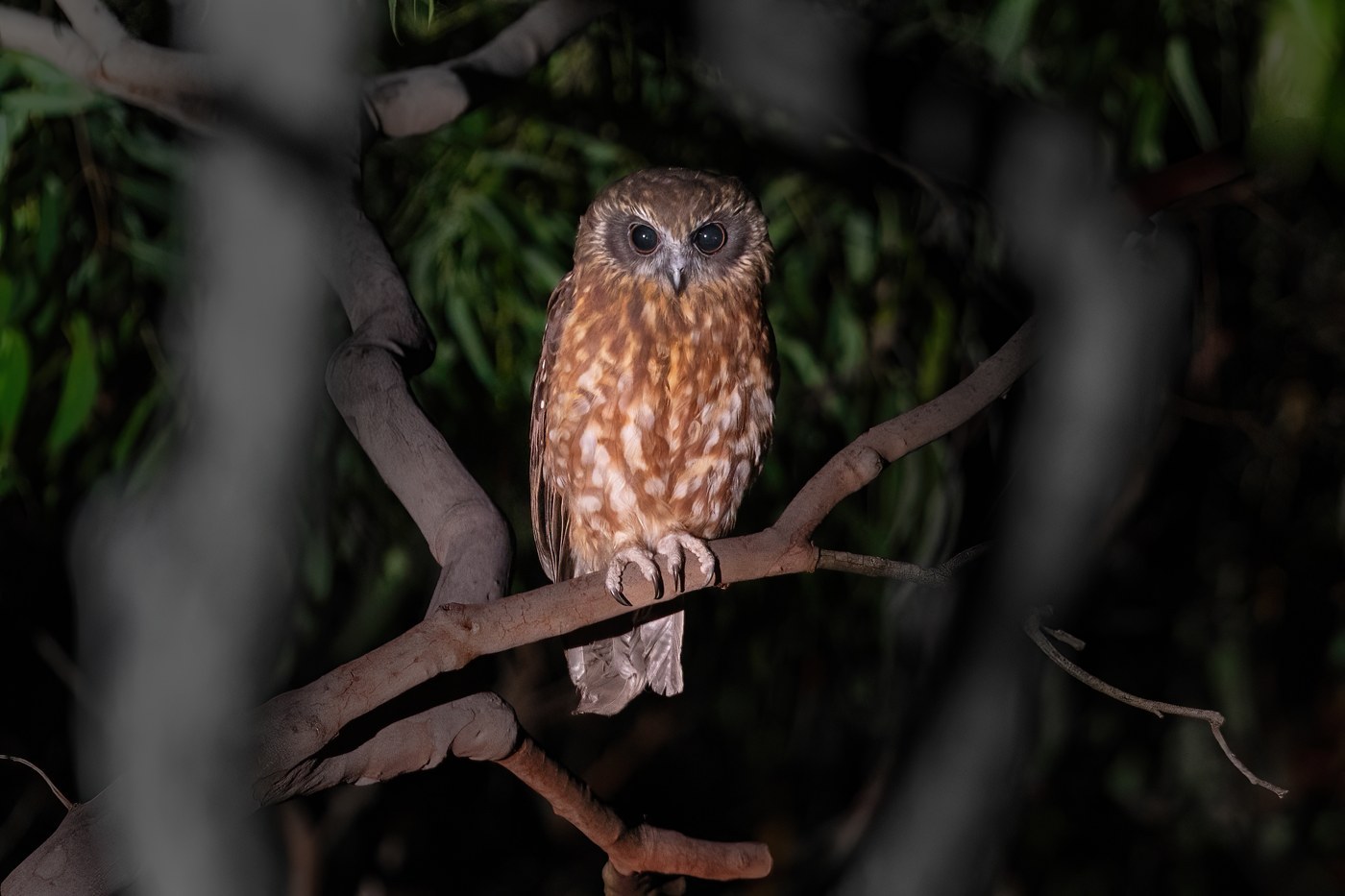
Southern Boobook
Rounded flight feathers; banded tail; spotted body plumage

Sooty Owl
Broad soft-edged flight feathers; heart-shaped facial disc feathers; finely speckled body plumage

Short-eared Owl
Broad soft-fringed flight feathers; streaked body feathers; tiny, rarely visible ear tufts

Stygian Owl
Dark, mottled flight and body feathers with long, closely-set ear tufts
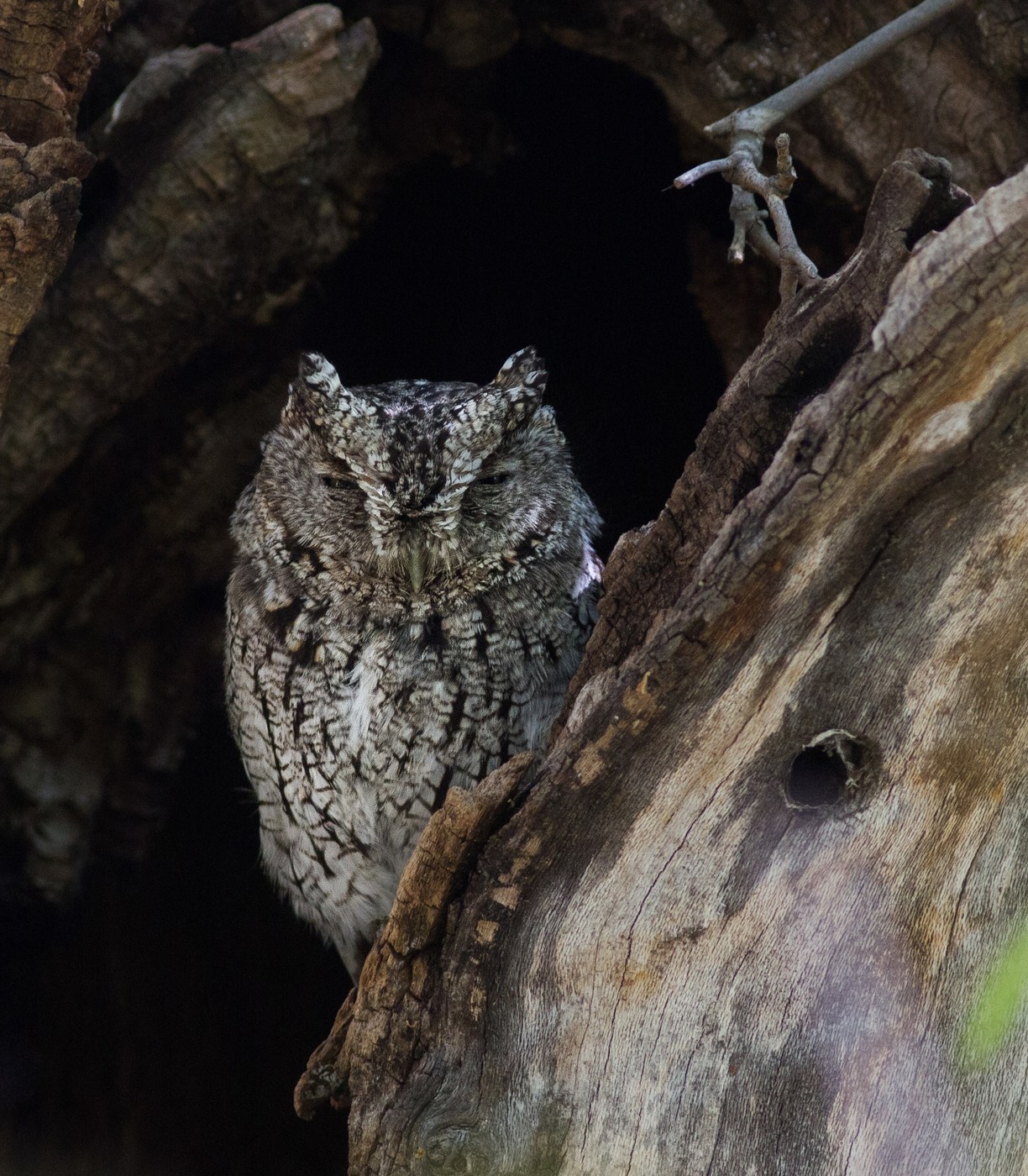
Whiskered Screech-Owl
Small soft-fringed flight feathers; finely mottled body feathers; short ear tufts
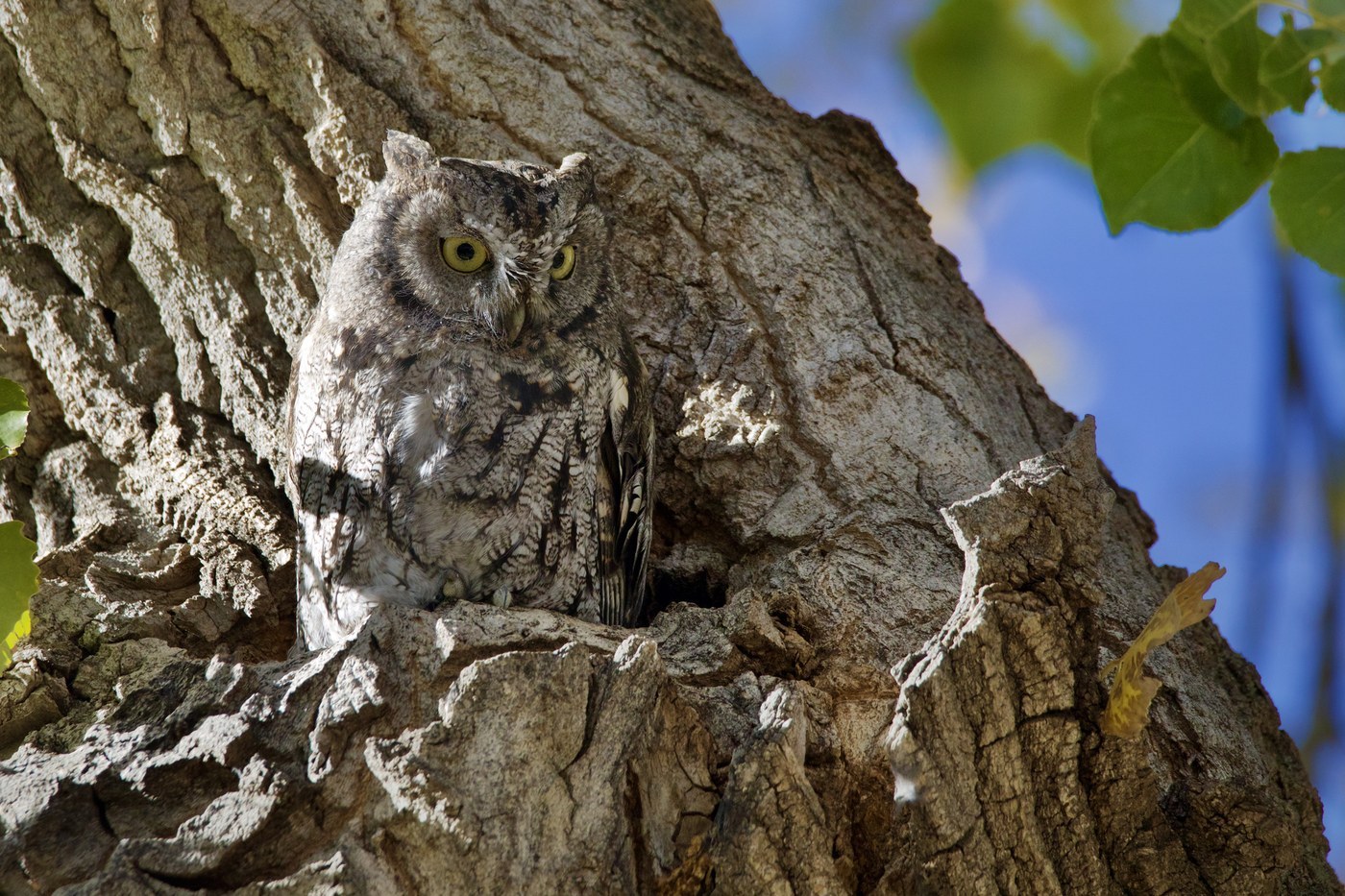
Western Screech-Owl
Small soft-fringed flight feathers; cryptic mottled/streaked body feathers; short ear tufts

White-faced Scops Owl
Small to medium flight feathers with a distinctive whitish facial disc and long ear-tuft plumes