
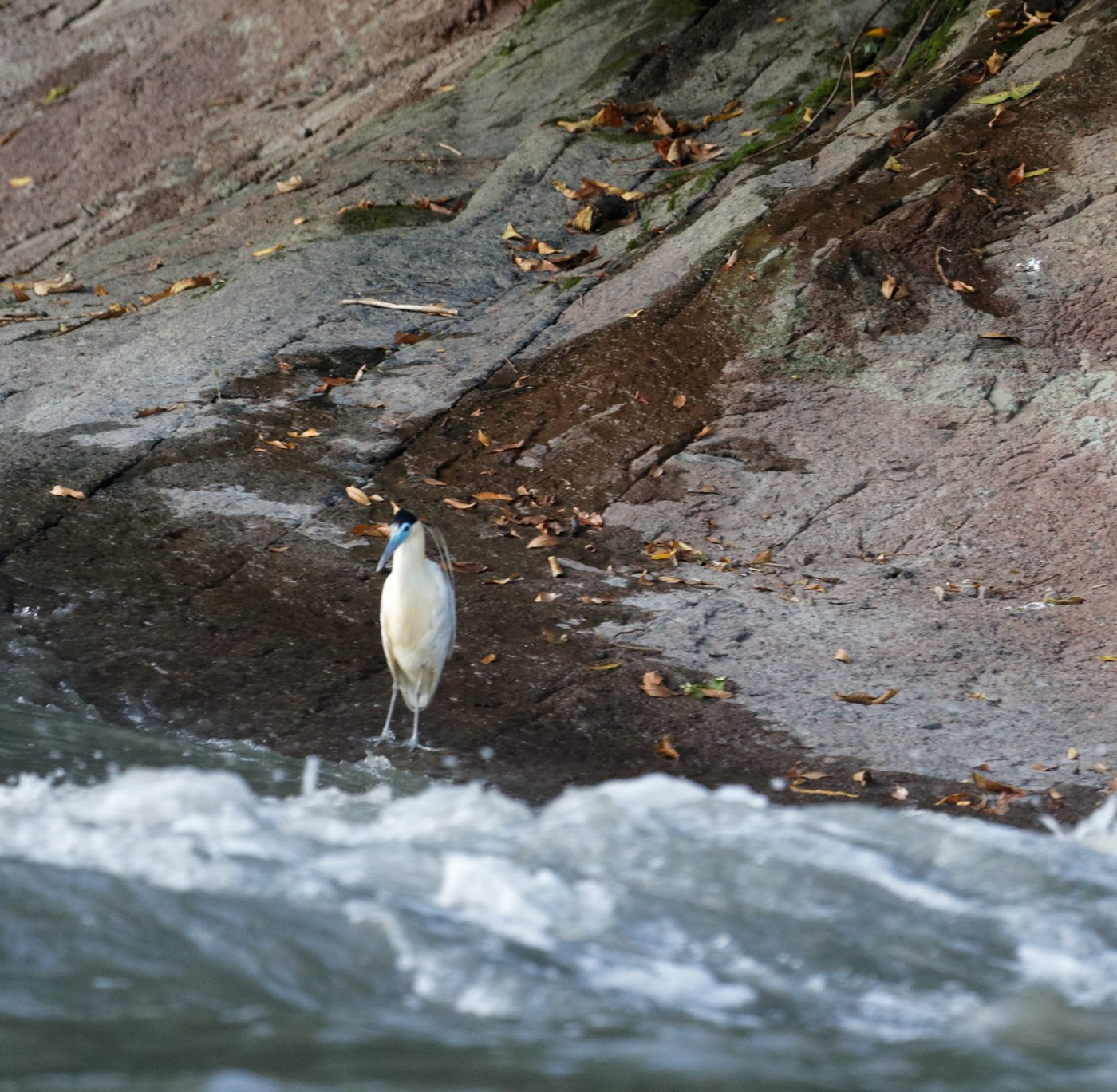
Capped Heron
Pilherodius pileatus
A softly colored South American heron with creamy buff-white plumage, a glossy black cap, and long pale plumes trailing from the crown.
- Feather type
- Soft, creamy body feathers with elongated pale plumes trailing from a black crown
- Colours
- Creamy buff-white body plumage with a glossy black cap and pale yellow crown plumes
- Bird size
- Medium heron, ~50-56 cm
Found a feather like this?
Identify any feather from a photo, free.
Overview
The Capped Heron is a striking but subtly colored heron of tropical South America, clothed almost entirely in soft creamy buff-white plumage that gives it a gentle, understated elegance compared to the boldly patterned herons sharing its range. Its most distinctive feature is a glossy black cap on the crown, from which one or two long, pale plumes trail, adding a delicate ornamental touch.
It favors quiet forested rivers, ponds, and swamp margins, often perching motionless on branches overhanging water in a manner that can suggest a heron adapted to a more sheltered, wooded aquatic environment than open marsh species. Its bare facial skin is bright blue in life, adding a further splash of color to an otherwise pale bird.
A soft, creamy-buff feather paired with a glossy black crown feather bearing an elongated pale plume is a strong indicator of this species within its Neotropical range.
Identifying the Feather
Shape and Size
Body feathers are soft, fine, and evenly textured. One or two elongated, narrow plumes extend from the black crown feathers, distinctly longer and finer than ordinary body feathers.
Color and Pattern
- Overall body plumage is a soft creamy buff-white, unmarked and uniform.
- The crown is covered in glossy black feathers, sharply contrasting with the pale body and face.
- The elongated crown plumes are pale cream to whitish, trailing well beyond the rest of the cap feathers.
- Flight feathers are only slightly darker than the body, maintaining the overall pale tone.
Shaft and Vane
Shafts on body feathers are pale, nearly matching the vane color. The black crown feathers have dark shafts, while the elongated crown plumes have fine, flexible shafts suited to their trailing, ornamental shape.
Distinguishing from Similar Species
The combination of an almost entirely creamy-buff body with a solid glossy black cap is unique among Neotropical herons; egrets sharing similar pale plumage lack the solid black crown, and other capped species do not show this same soft buff body tone.
Plumage & Molt
Adults show soft creamy buff-white plumage overall, a glossy black crown, and one or two elongated pale plumes trailing from the back of the cap. Bare facial skin is bright blue in life. Sexes look alike. Juveniles are duller and show a less defined, browner cap without the long ornamental plumes, developing full adult plumage as they mature. Molt generally follows the breeding season, with the longest crown plumes renewed annually.
Habitat & Range
The Capped Heron is found across much of tropical South America, including the Amazon basin and adjacent regions, favoring forested rivers, ponds, oxbow lakes, and swamp margins. It is generally resident within its range, with some local movements tied to water levels during wet and dry seasons.
Behavior & Field Notes
This heron typically forages alone, standing motionless or moving slowly along quiet forested waterways to catch fish, amphibians, and aquatic invertebrates. It often perches on branches overhanging water, a habit that reflects its preference for wooded aquatic habitats over open marsh. Its voice is generally quiet, with occasional low croaking notes. Nests are built as small stick platforms in trees near water. For feather finders, a soft creamy-buff feather alongside a glossy black cap feather with an elongated pale plume found near a forested tropical river is a strong indicator of this species.
Frequently asked questions
What is the most distinctive feature of this species' plumage?
A glossy black cap on the crown with one or two long, pale trailing plumes set against an otherwise creamy buff-white body.
Does the Capped Heron have colorful facial skin?
Yes, in life it shows bright blue bare facial skin, though this coloration is not present on shed feathers.
Where does this species prefer to live?
Forested rivers, ponds, and swamp margins across tropical South America, often perching on branches over water.
How can I tell a Capped Heron feather from an egret's?
Egrets sharing similarly pale plumage lack the solid glossy black crown and elongated crown plumes distinctive to the Capped Heron.
Capped Heron guides
In-depth guides for identifying and understanding Capped Heron.
Other feathers you may enjoy

Yellow-billed Spoonbill
White contour and flight feathers with fine breeding plumes on the back and breast
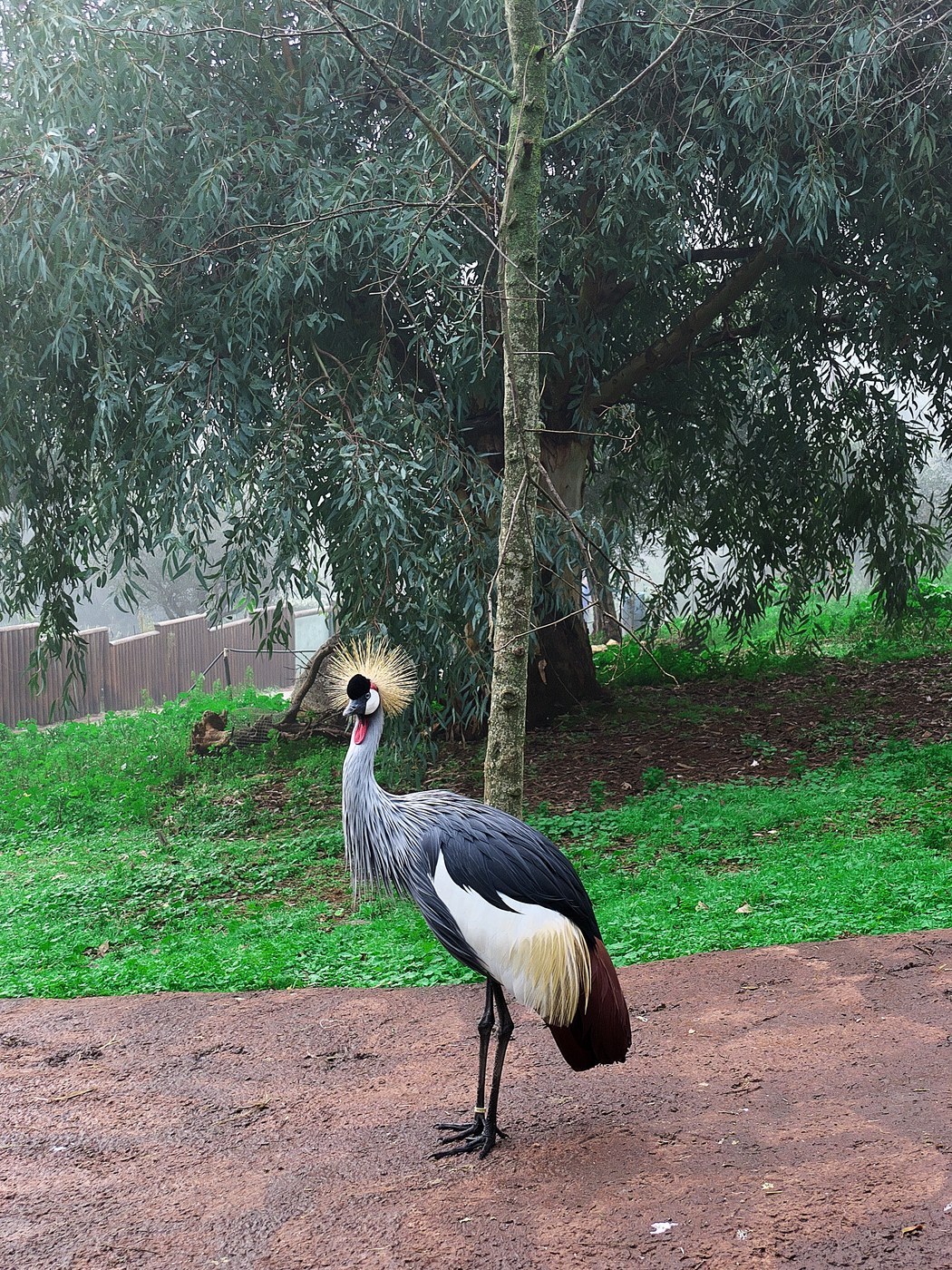
Grey Crowned Crane
Grey body feathers with white wing coverts, chestnut flight feathers, and stiff golden crown bristles
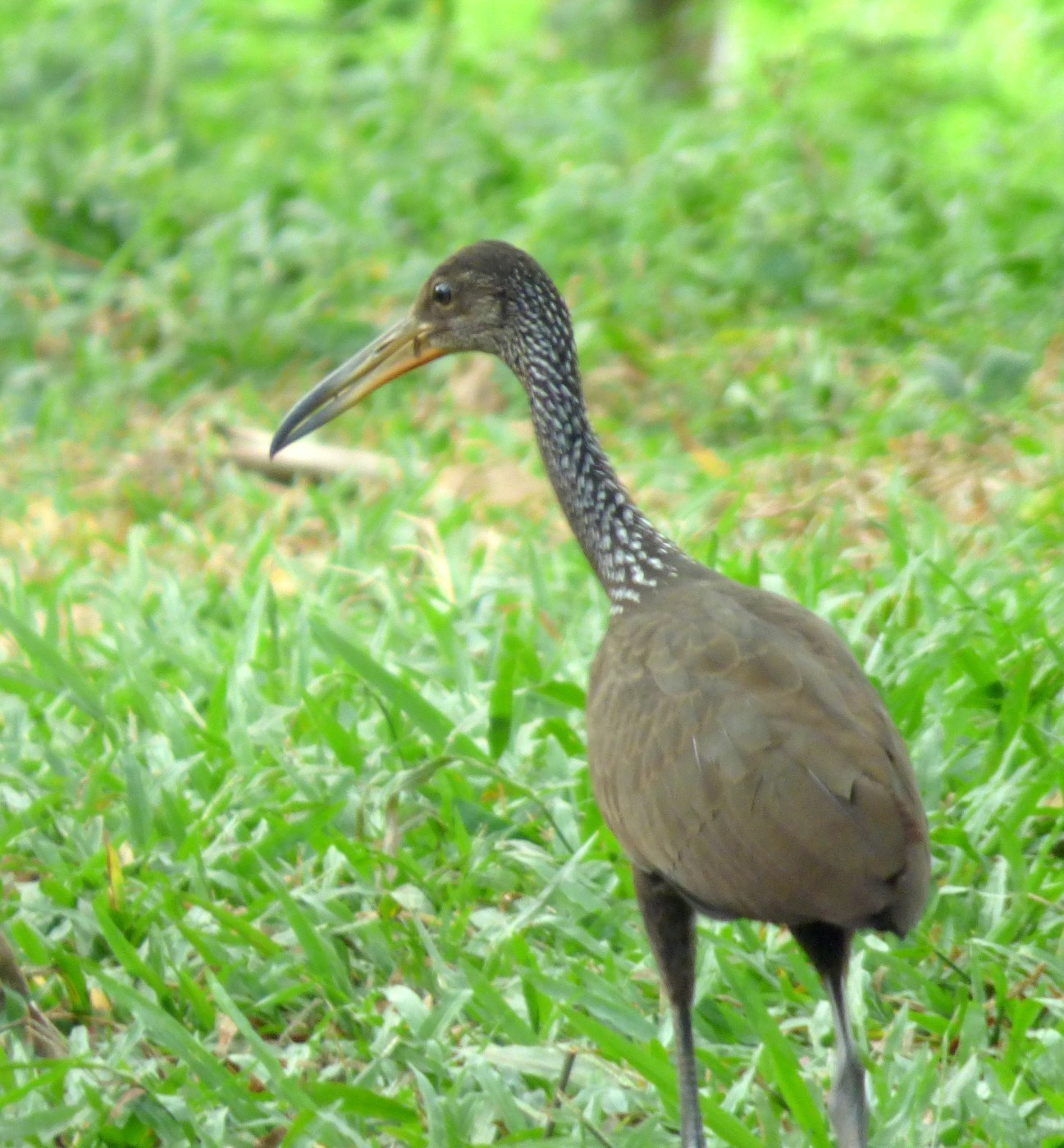
Limpkin
Brown contour feathers with white teardrop-shaped spots and streaks
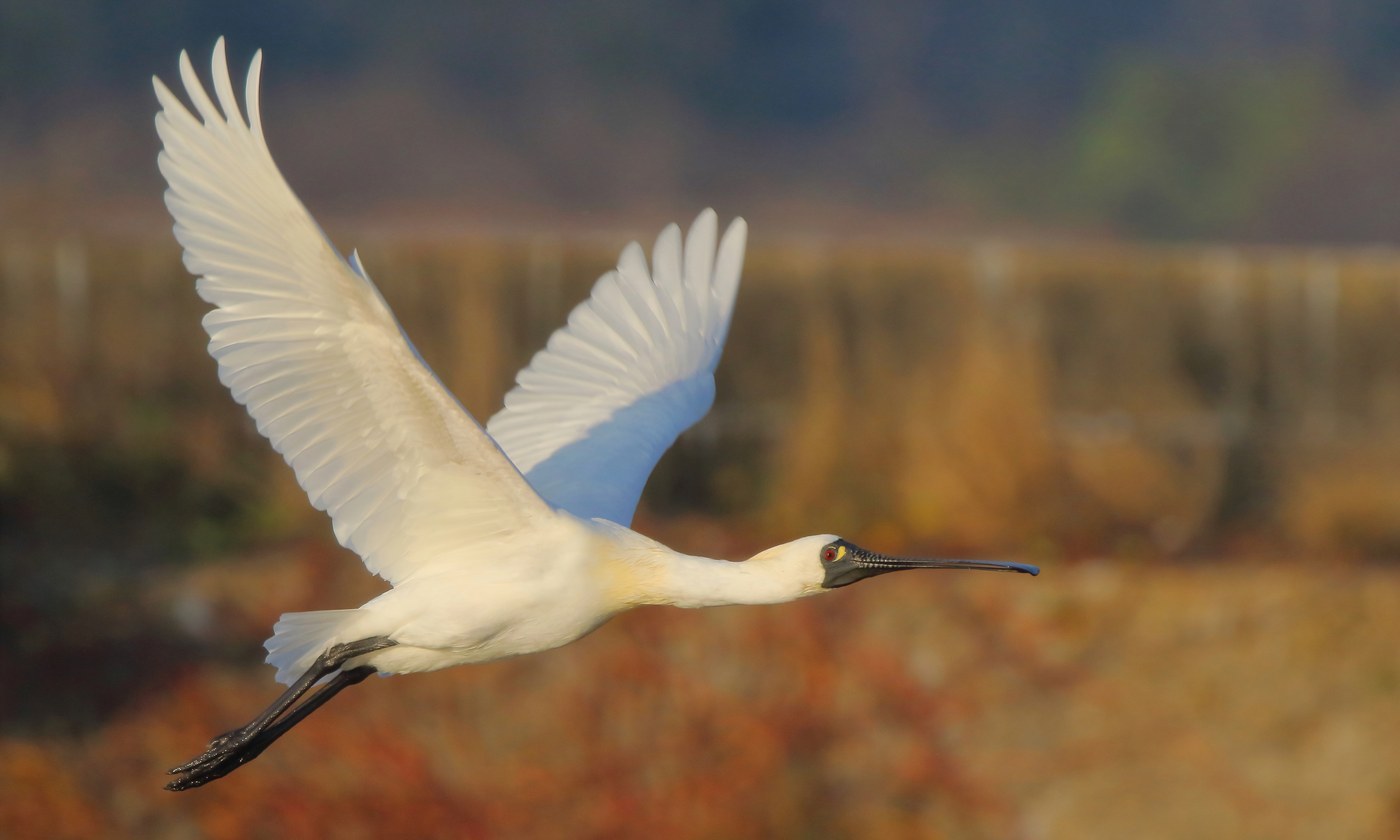
Black-faced Spoonbill
White contour and flight feathers with fine breeding crest and breast plumes
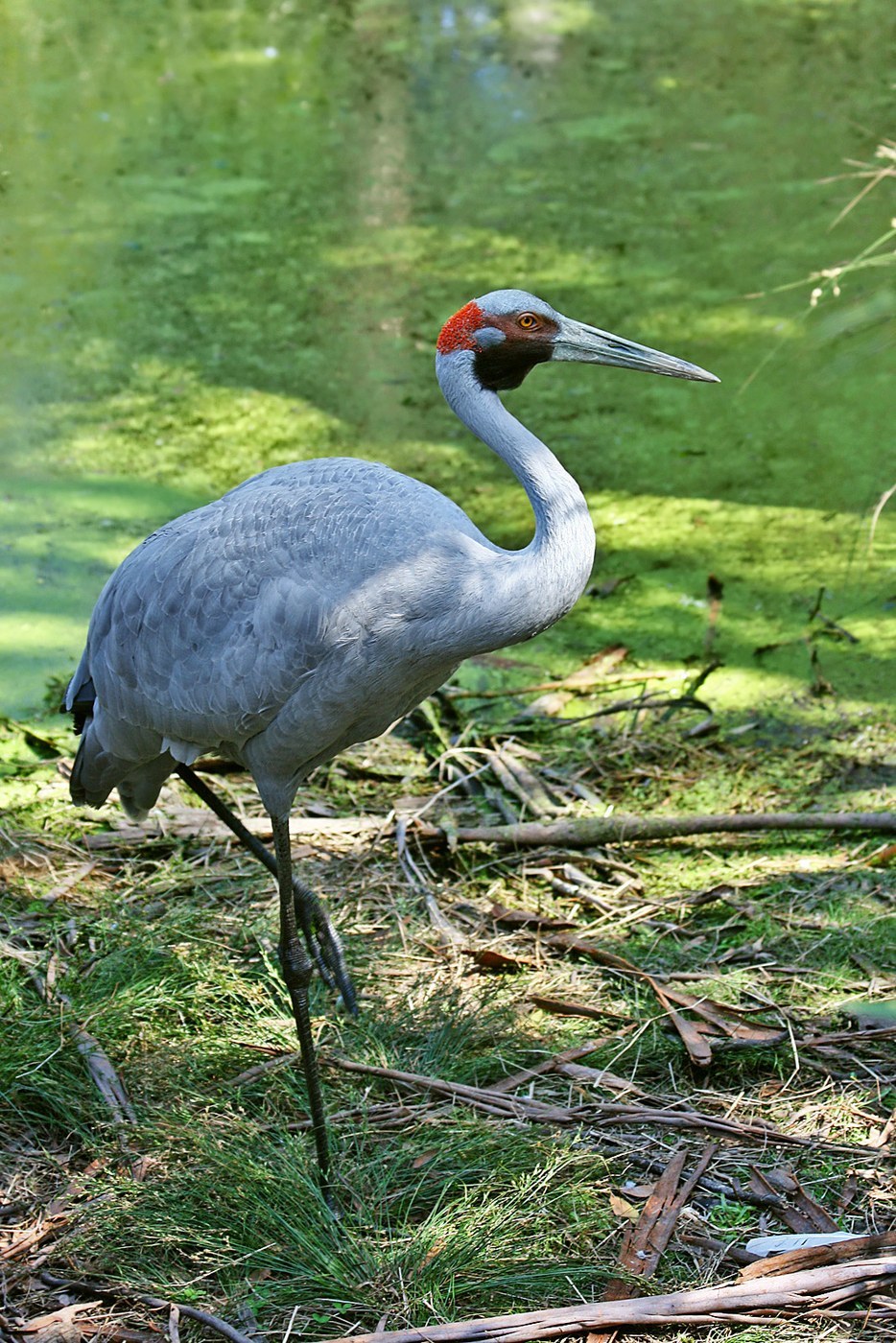
Brolga
Grey contour feathers with drooping bustle plumes
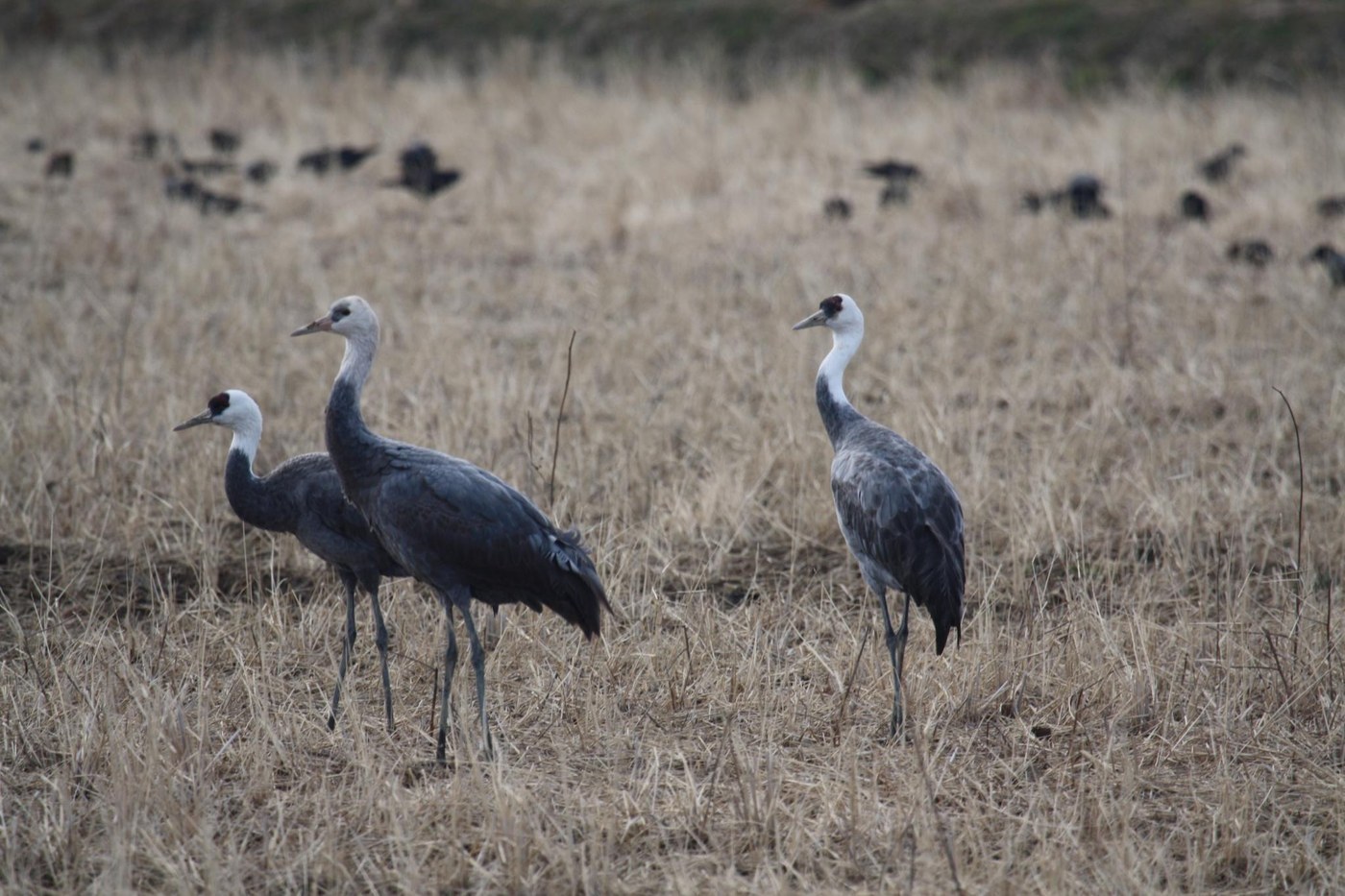
Hooded Crane
Dark slate-grey body feathers with a white head/upper neck 'hood' and black bustle plumes
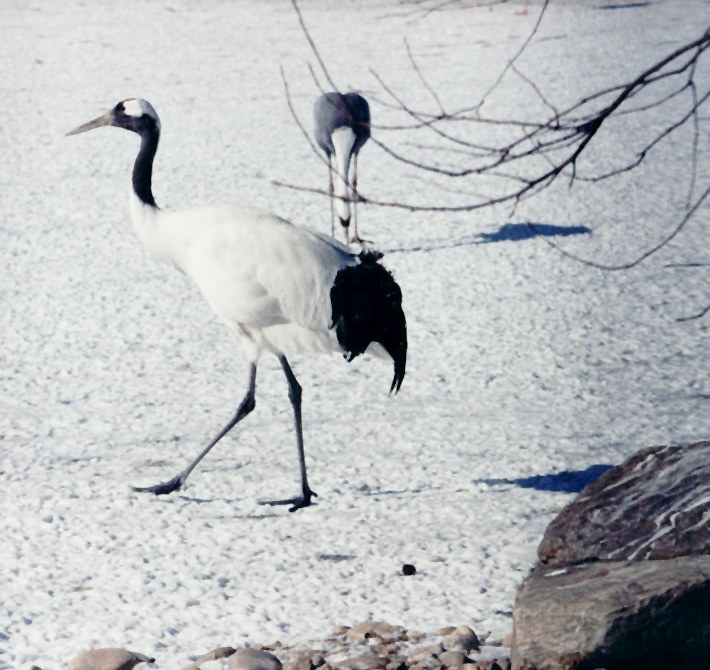
Red-crowned Crane
White contour feathers with black secondary/tertial bustle feathers and a bare red crown

Common Crane
Grey contour feathers with black head/neck feathers and drooping bustle plumes
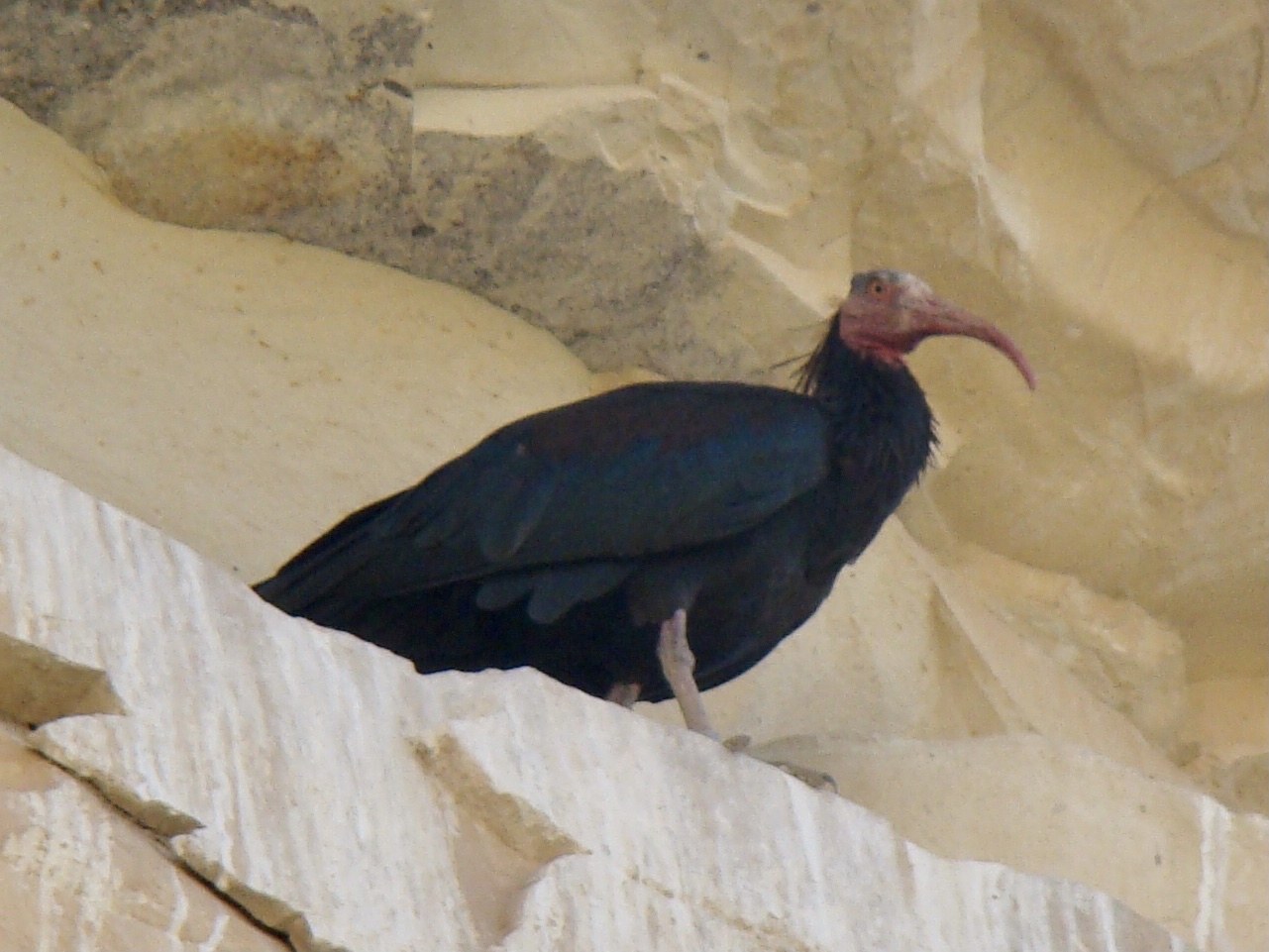
Northern Bald Ibis
Glossy black contour feathers with elongated nape plumes
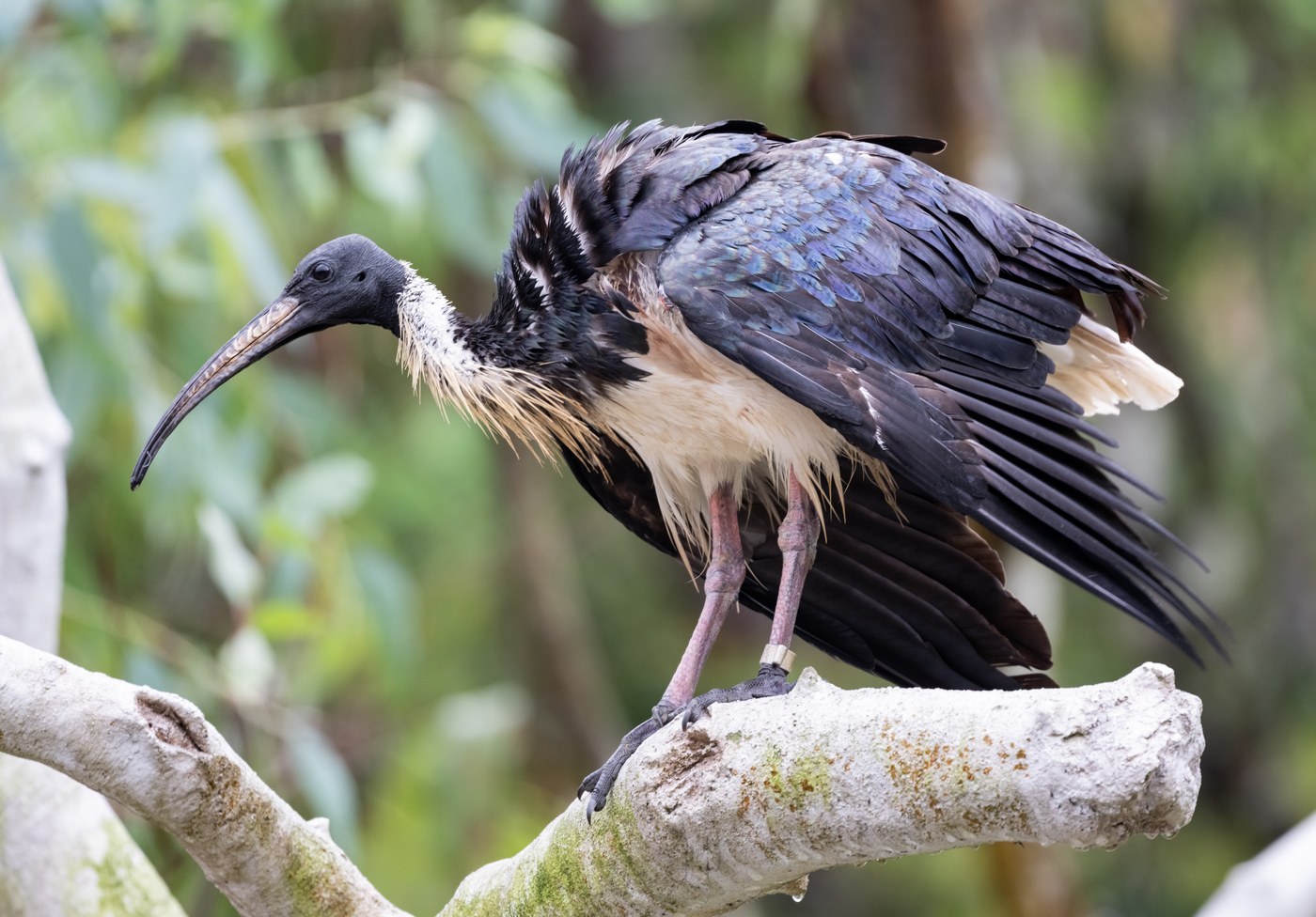
Straw-necked Ibis
Glossy contour feathers with unique straw-like neck plumes
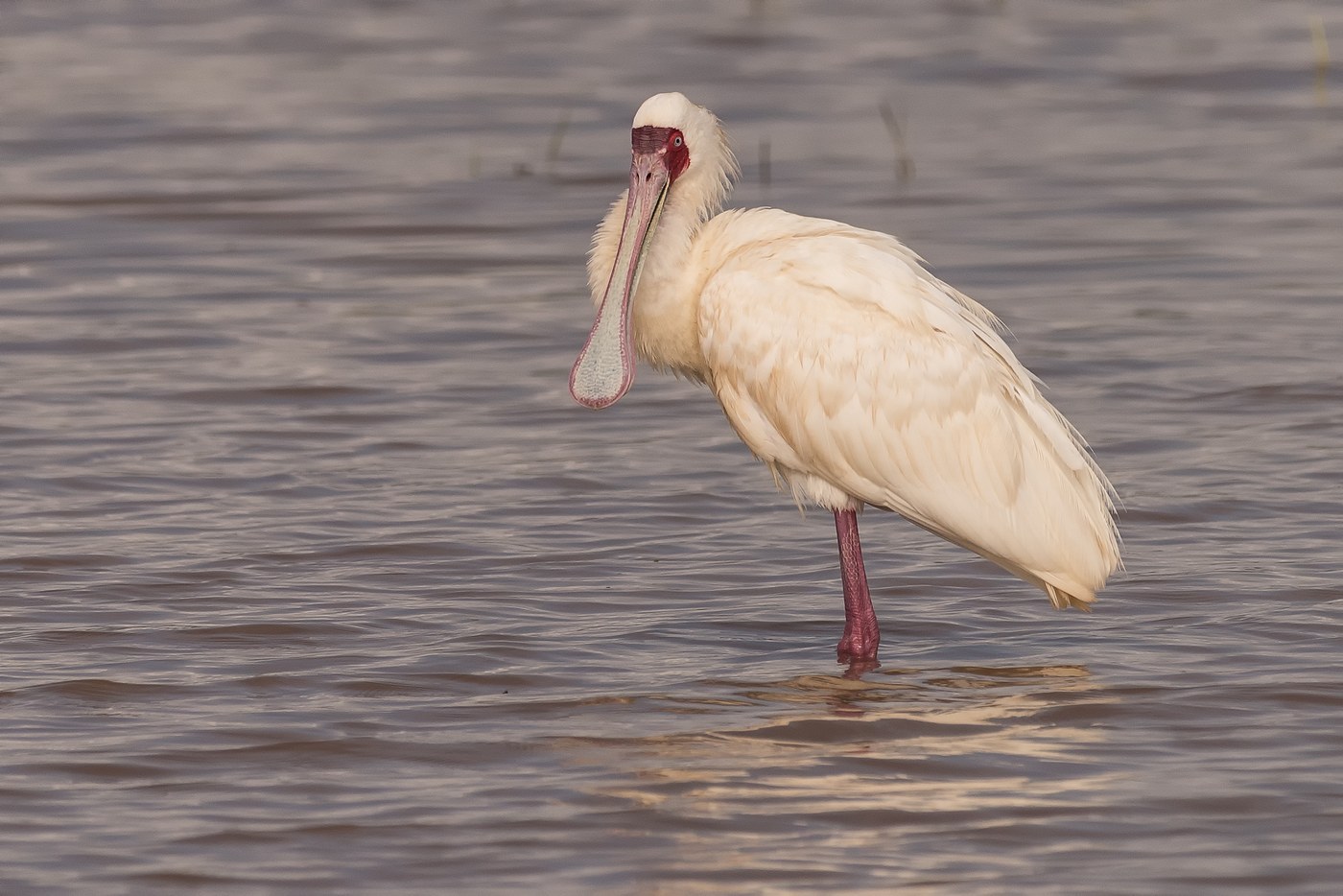
African Spoonbill
White contour and flight feathers, unmarked by black tips

Roseate Spoonbill
Pink and white contour and flight feathers with a carmine shoulder patch