
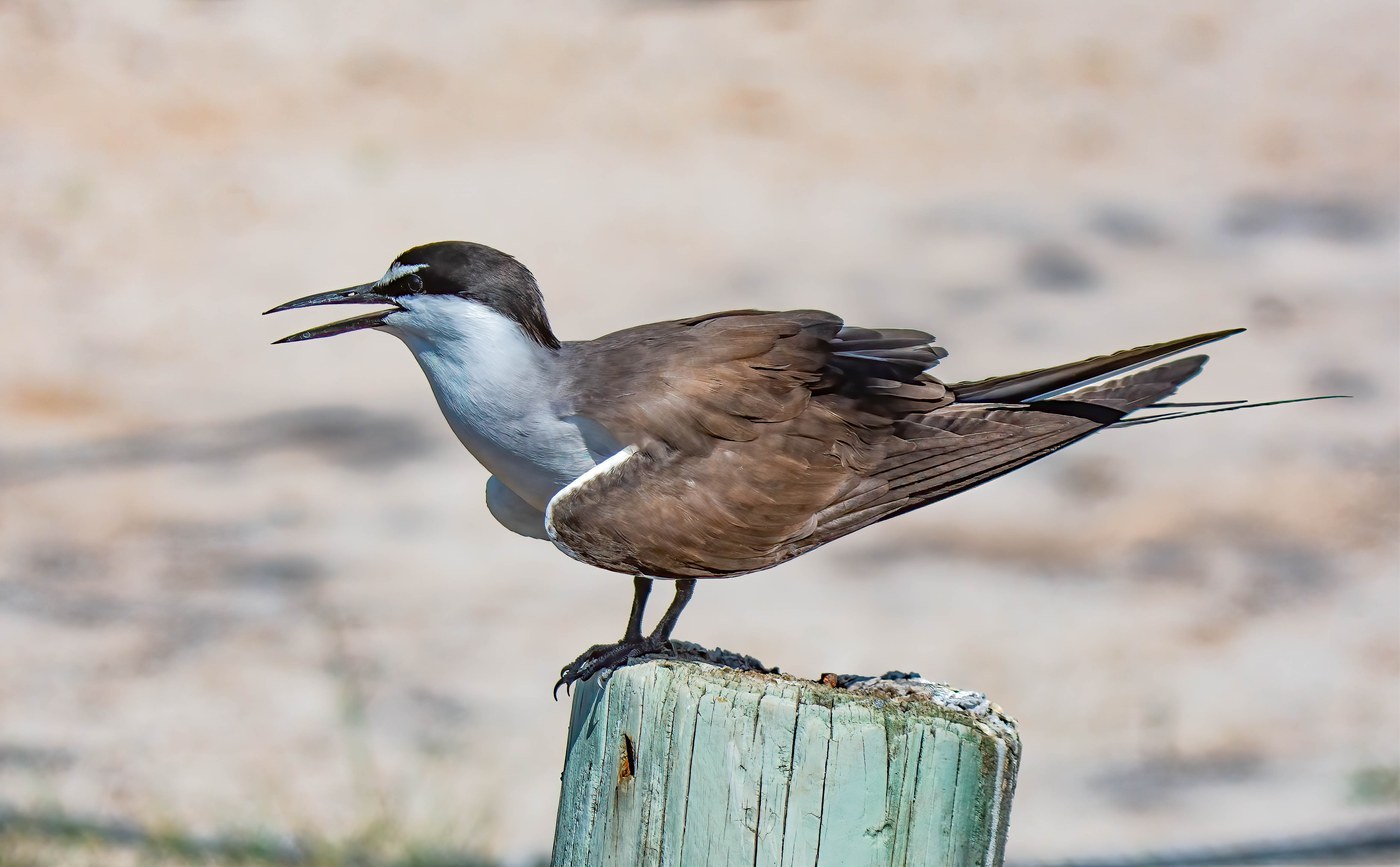
Bridled Tern
Onychoprion anaethetus
A pelagic tropical tern closely related to the Sooty Tern but browner above with a distinctive white collar around the back of the neck, generally encountered further from shore than most coastal terns.
- Feather type
- Body and flight feathers
- Colours
- Grayish-brown upperparts, white underparts, white collar
- Bird size
- Medium tern, ~35-38 cm
Found a feather like this?
Identify any feather from a photo, free.
Overview
Overview
The Bridled Tern is a tropical, highly pelagic tern closely related to the Sooty Tern, sharing a similar overall dark-above, white-below pattern but differing in several consistent details useful for field identification. Its upperparts are a somewhat paler, browner gray-brown rather than the blackish tone of Sooty Tern, and it shows a distinctive pale collar around the back of the neck that separates the dark cap from the brown back, a feature the Sooty Tern lacks.
Like its relative, the Bridled Tern breeds on remote tropical islands and spends much of the nonbreeding period far out over open ocean, making it primarily an offshore species rarely observed from typical coastal vantage points except after major storms.
Identifying the Feather
Feather Identification
- Wing and back feathers: Grayish-brown, paler and warmer in tone than the blackish-brown upperparts of Sooty Tern, providing the primary distinguishing feature between the two closely related species.
- Neck feathers: A pale, whitish collar wraps around the back of the neck, separating the dark cap from the brown back, a feature not present in Sooty Tern.
- Head feathers: The white forehead patch extends back further, tapering to a point behind the eye, more extensive than the more restricted forehead patch of Sooty Tern.
- Tail feathers: Long and deeply forked, with more white visible on the outer tail feathers than in Sooty Tern.
- Compared to similar species: Sooty Tern is darker, blacker above, lacks the pale hindneck collar, and shows a less extensive white forehead patch; these combined differences are the most reliable way to separate the two species.
Plumage & Molt
Plumage Details
Adults show grayish-brown upperparts, a black cap with a white forehead patch extending back past the eye, a pale collar around the hindneck, and white underparts, with little seasonal variation. Juveniles show extensive pale scaling and mottling on the back and wing coverts, a duller head pattern, and gradually molt toward the adult pattern over a period of a few years at sea, similar to the maturation pattern of the closely related Sooty Tern.
Habitat & Range
Habitat & Range
Bridled Terns breed on remote tropical and subtropical islands across the Atlantic, Pacific, and Indian Oceans, often nesting in more sheltered sites such as rock crevices or under vegetation compared to the more exposed open-ground nesting of Sooty Tern. Outside the breeding season it is highly pelagic, ranging over warm tropical and subtropical ocean waters, generally remaining further offshore than most coastal terns and coming within view of land mainly during storms or strong onshore winds.
Behavior & Field Notes
Behavior & Field Notes
Bridled Terns forage by picking small fish and squid from the ocean surface, often in association with schools of predatory fish that drive prey toward the surface, similar to the foraging ecology of Sooty Tern. They nest in smaller, more dispersed colonies than the often massive aggregations of Sooty Tern, frequently choosing more sheltered nest sites such as crevices or vegetation cover. The call is a harsh, barking note, distinct from but broadly similar in quality to that of Sooty Tern. Careful attention to upperpart color, the presence of a hindneck collar, and the extent of the white forehead patch are the key features for distinguishing this species from its close relative.
Frequently asked questions
How does the Bridled Tern differ from the Sooty Tern?
Bridled Tern has paler, browner upperparts, a whitish collar around the back of the neck, and a more extensive white forehead patch extending past the eye, while Sooty Tern is darker, blacker above and lacks the hindneck collar.
Where does the Bridled Tern typically nest?
On remote tropical and subtropical islands, often choosing more sheltered nest sites such as rock crevices or beneath vegetation, in contrast to the more exposed open-ground colonies of Sooty Tern.
Why is this species rarely seen from shore?
It is highly pelagic outside the breeding season, ranging over open tropical and subtropical ocean waters far from land, and is typically only pushed within view of the coast during storms.
What does the Bridled Tern eat?
It forages primarily on small fish and squid picked from the ocean surface, often in association with schools of predatory fish that push prey toward the surface.
Bridled Tern guides
In-depth guides for identifying and understanding Bridled Tern.
Other feathers you may enjoy

Western Gull
Body, flight, and tail feathers
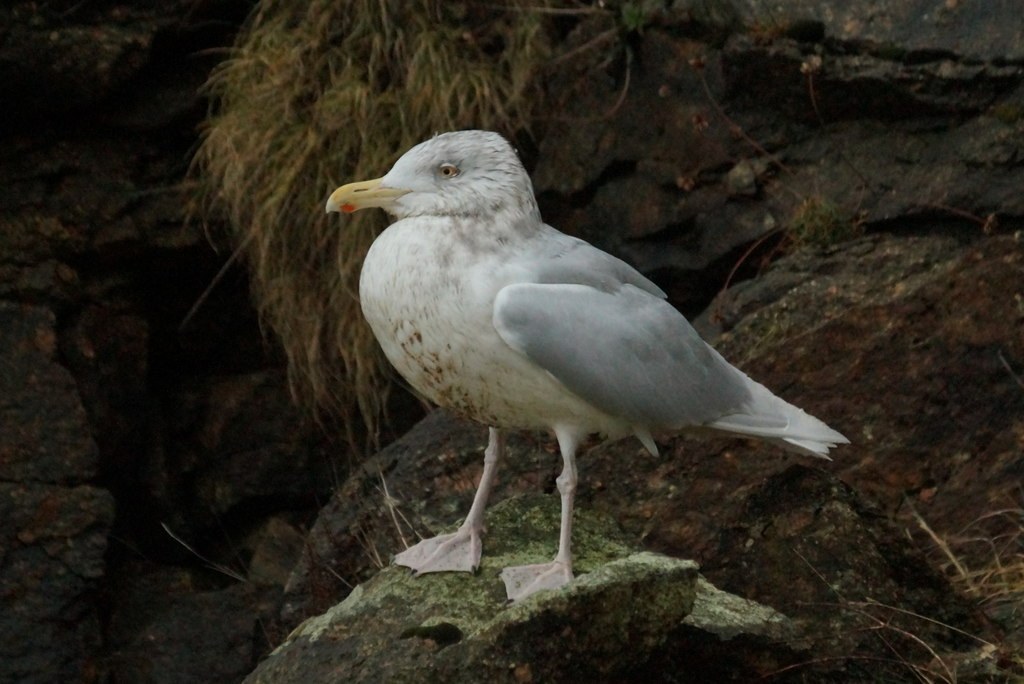
Glaucous Gull
Body, flight, and tail feathers

American Herring Gull
Body, flight, and tail feathers

Great Black-backed Gull
Body, flight, and tail feathers

Common Gull
Body, flight, and tail feathers
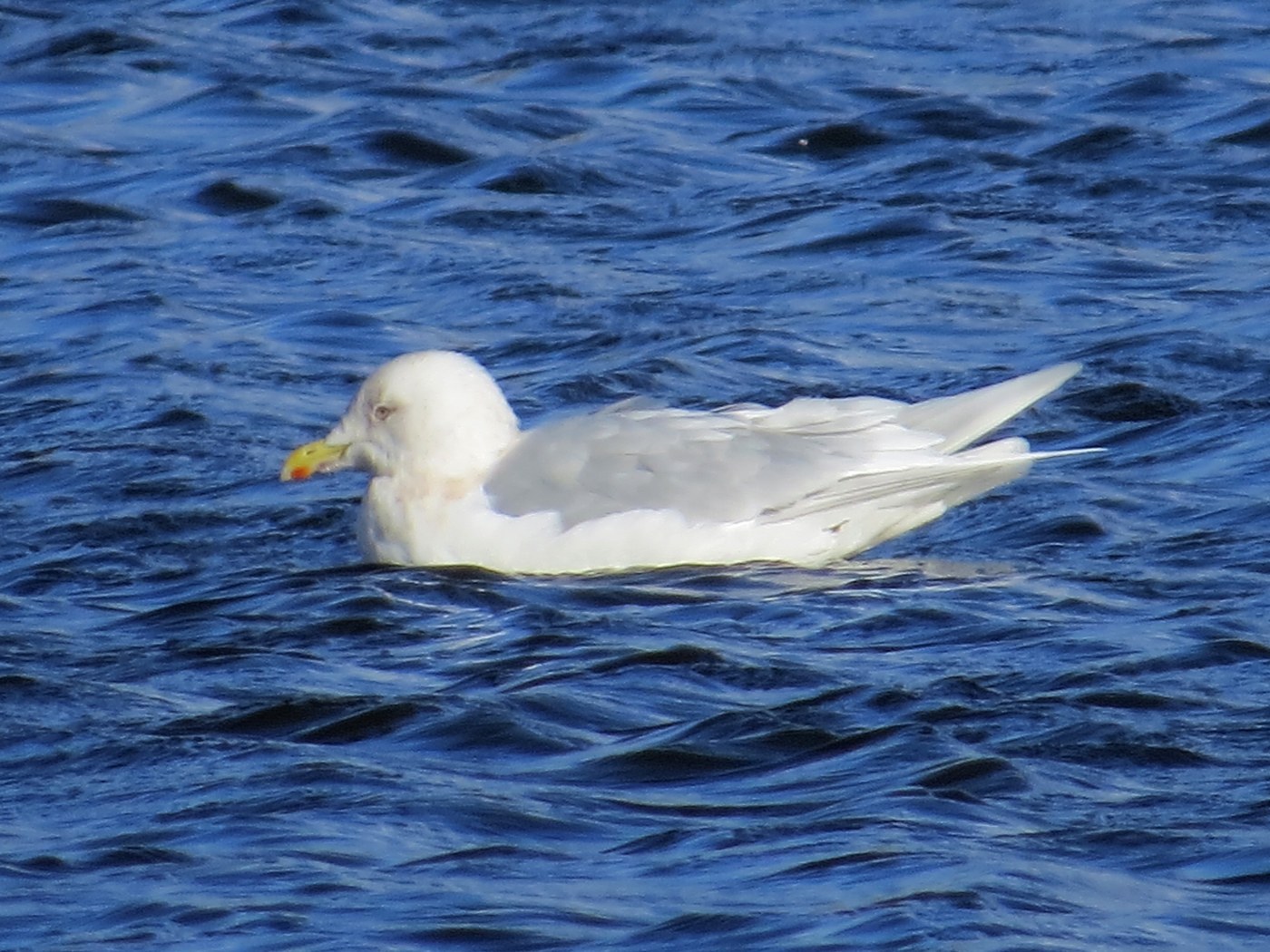
Iceland Gull
Body, flight, and tail feathers

Ring-billed Gull
Body, flight, and tail feathers

Glaucous-winged Gull
Body, flight, and tail feathers

Herring Gull
Body, flight, and tail feathers

Lesser Black-backed Gull
Body, flight, and tail feathers

California Gull
Body, flight, and tail feathers
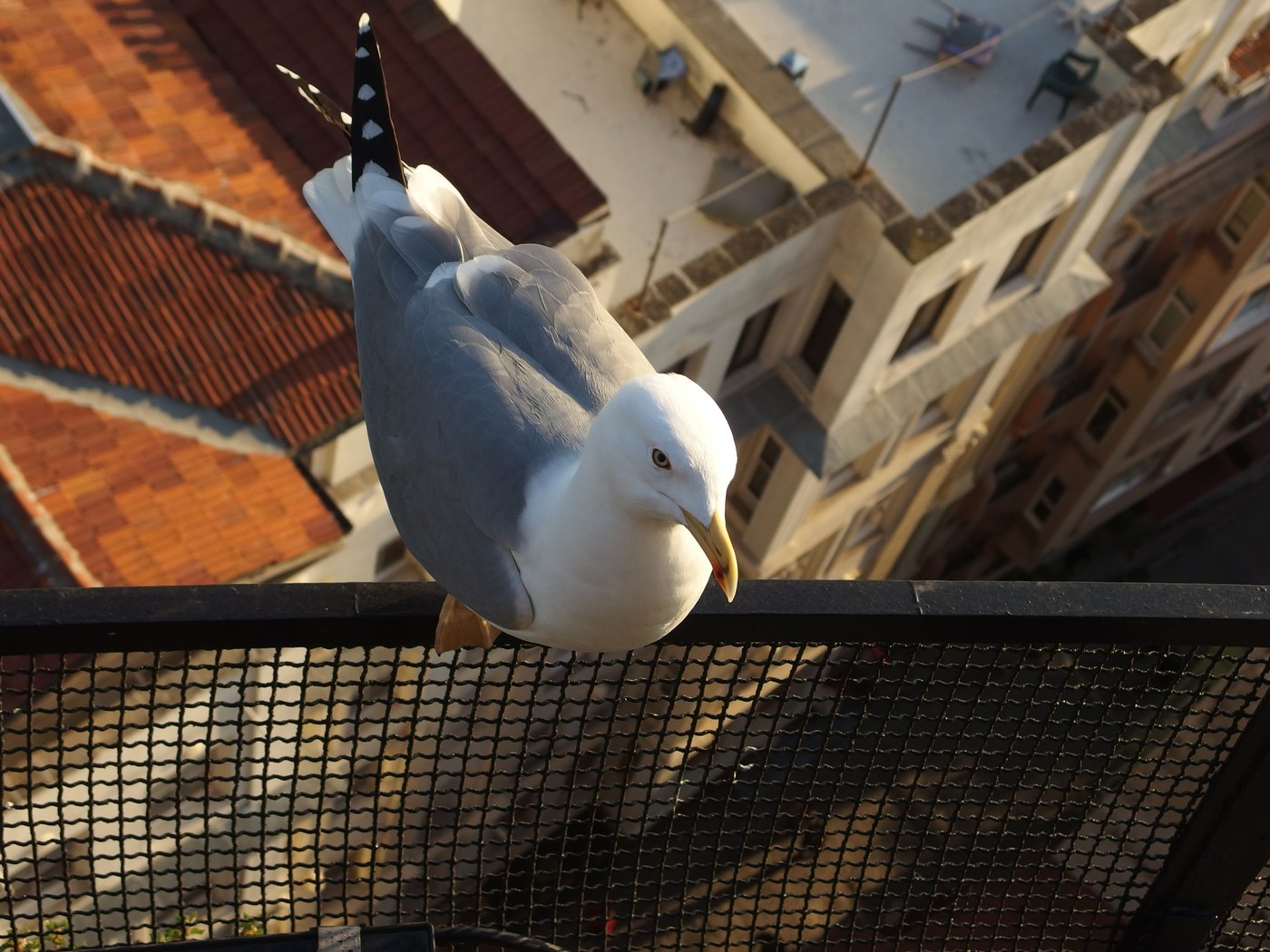
Yellow-legged Gull
Body, wing covert, and flight feathers