
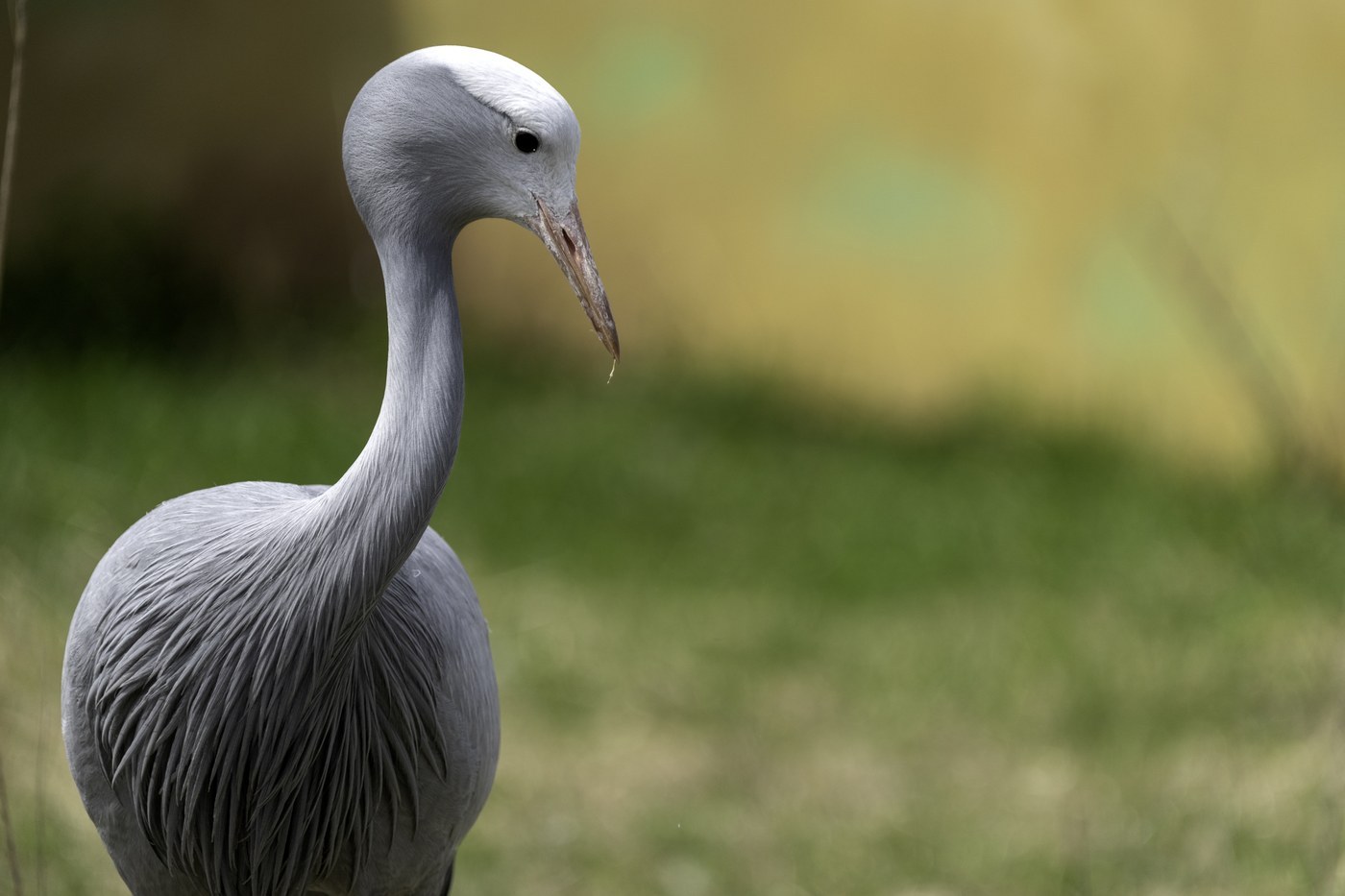
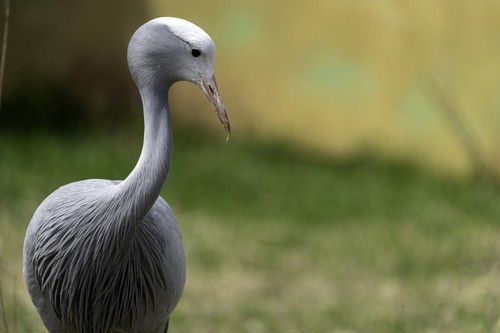
Blue Crane
Grus paradisea
South Africa's national bird, a pale blue-grey crane with unusually long, trailing wing-tip feathers that can nearly brush the ground when the bird is standing.
- Feather type
- Pale blue-grey contour feathers with long, trailing wing-tip plumes
- Colours
- Pale blue-grey overall with dark elongated wing-tip feathers
- Bird size
- Medium-large crane, ~100-120 cm tall
Found a feather like this?
Identify any feather from a photo, free.
Overview
The Blue Crane is largely restricted to the grasslands and upland plains of South Africa, with a small additional population in Namibia, making it one of the most geographically limited crane species. Its soft blue-grey plumage and unusually long, elongated wing-tip feathers - which trail down and can nearly touch the ground - give it a graceful, almost ethereal appearance quite distinct from the bulkier bustle plumes of other cranes.
Identifying the Feather
- Body feathers are pale blue-grey, softer and paler in tone than the darker slate-grey of the Common Crane or Sarus Crane.
- Elongated wing-tip feathers (formed by extended inner secondaries/primaries rather than the tertial bustle typical of other cranes) are notably long and drooping, trailing behind the bird and sometimes nearly reaching the ground - a feature distinct in structure from the curled tertial bustle of Grus and Antigone cranes.
- The head is pale, almost whitish, without the bold black-and-white or red crown patterns of many other crane species.
- Overall feather texture is fine and soft compared to bulkier crane species.
- Distinguish from the Demoiselle Crane (which has a black head/neck and white ear plumes rather than a pale head and trailing wing-tip feathers).
Plumage & Molt
Adults are pale blue-grey overall with a paler, almost whitish head, and long, drooping wing-tip feathers formed from elongated inner flight feathers. Sexes look alike. Juveniles are duller and buffier, with shorter wing-tip plumes that lengthen as the bird matures over its first year or two. Molt follows breeding, timed to the South African grassland breeding season.
Habitat & Range
Blue Cranes are largely endemic to South Africa, inhabiting open grassland, upland plains, and increasingly agricultural land, with a small disjunct population in the Etosha Pan region of Namibia. Most populations are resident, with local seasonal movements between breeding grasslands and non-breeding foraging areas rather than long-distance migration.
Behavior & Field Notes
This crane forages in grassland and farmland for seeds, grains, and small invertebrates, often in flocks outside the breeding season. It nests on the ground in open grassland, relying on vigilance and camouflage rather than dense cover. Its call is a distinctive rolling, croaking bugle. Blue Cranes gather in large non-breeding flocks in some areas and perform typical crane dancing displays. As South Africa's national bird, it holds significant cultural importance, and conservation efforts focus on protecting the grassland habitat it depends on.
Frequently asked questions
How can you identify a Blue Crane feather?
Look for pale blue-grey body feathers and, if present, unusually long, drooping wing-tip feathers that trail behind the bird.
What makes the Blue Crane's wing feathers unusual?
Its elongated inner flight feathers trail down and can nearly reach the ground, unlike the shorter tertial bustle plumes of most other crane species.
Where is the Blue Crane found?
It is largely restricted to South Africa's grasslands, with a small population in Namibia.
Is the Blue Crane migratory?
It is mostly resident, making local movements between breeding and foraging grasslands rather than long-distance migration.
Blue Crane guides
In-depth guides for identifying and understanding Blue Crane.
Other feathers you may enjoy

Yellow-billed Spoonbill
White contour and flight feathers with fine breeding plumes on the back and breast
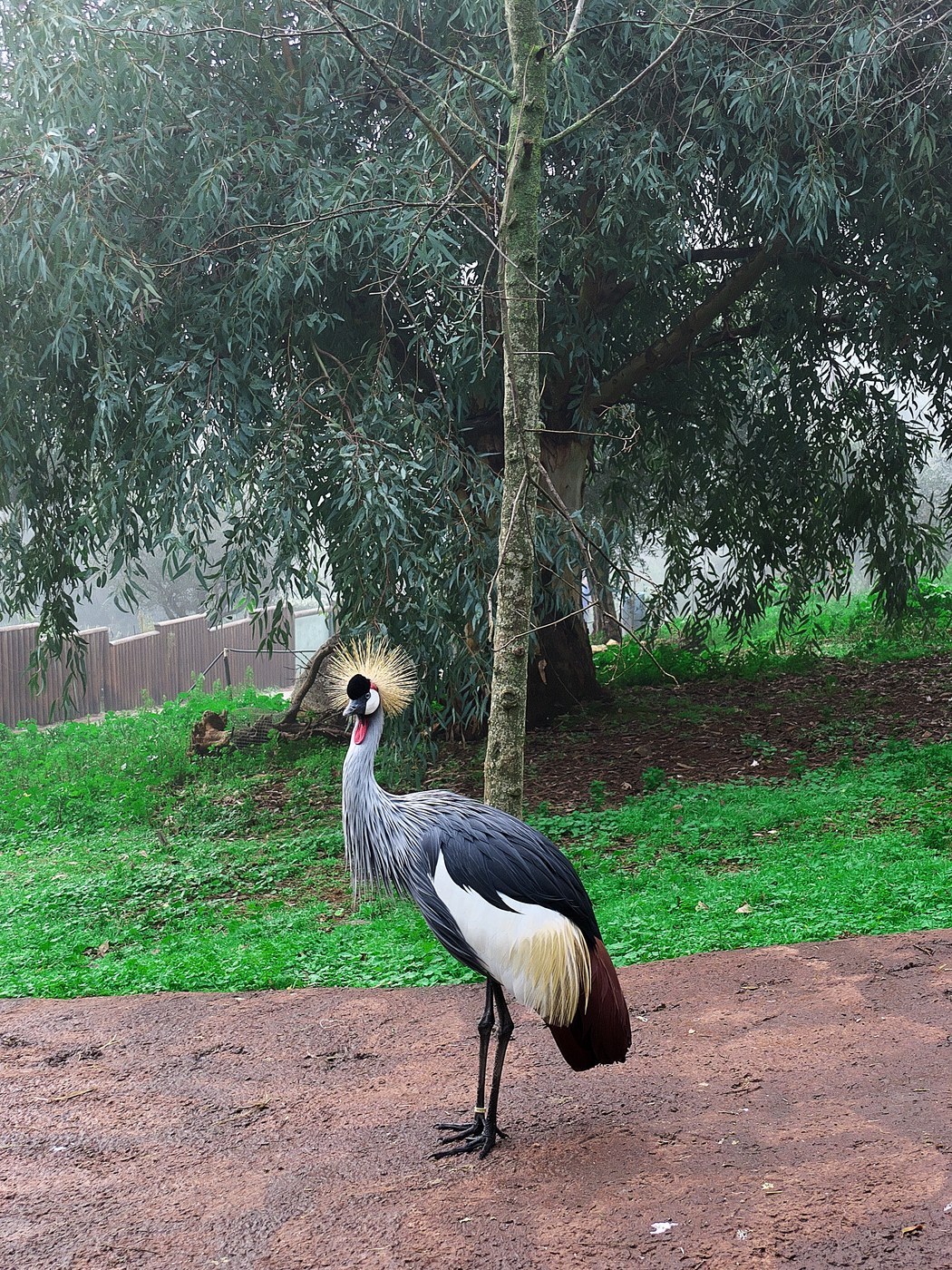
Grey Crowned Crane
Grey body feathers with white wing coverts, chestnut flight feathers, and stiff golden crown bristles
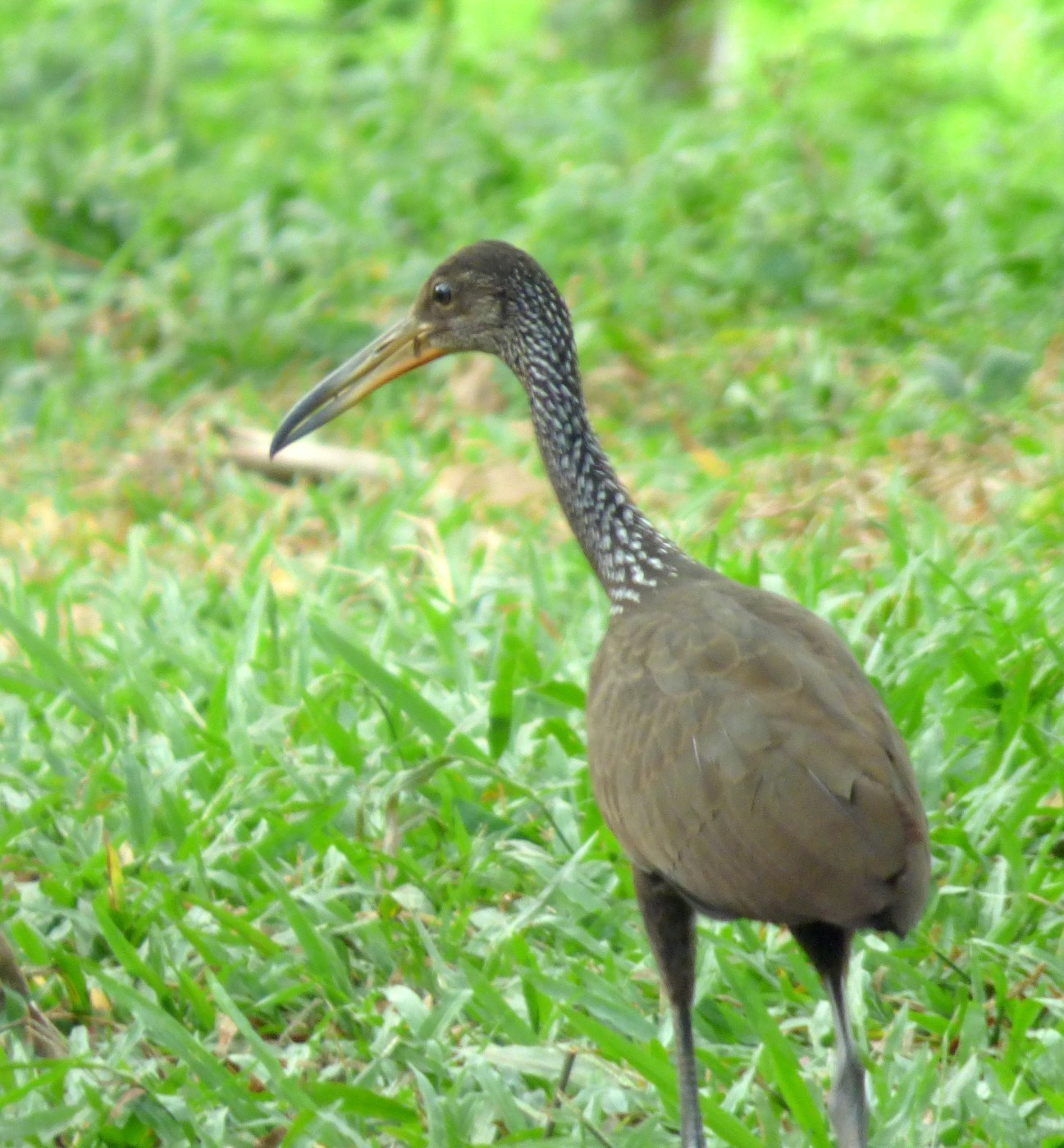
Limpkin
Brown contour feathers with white teardrop-shaped spots and streaks
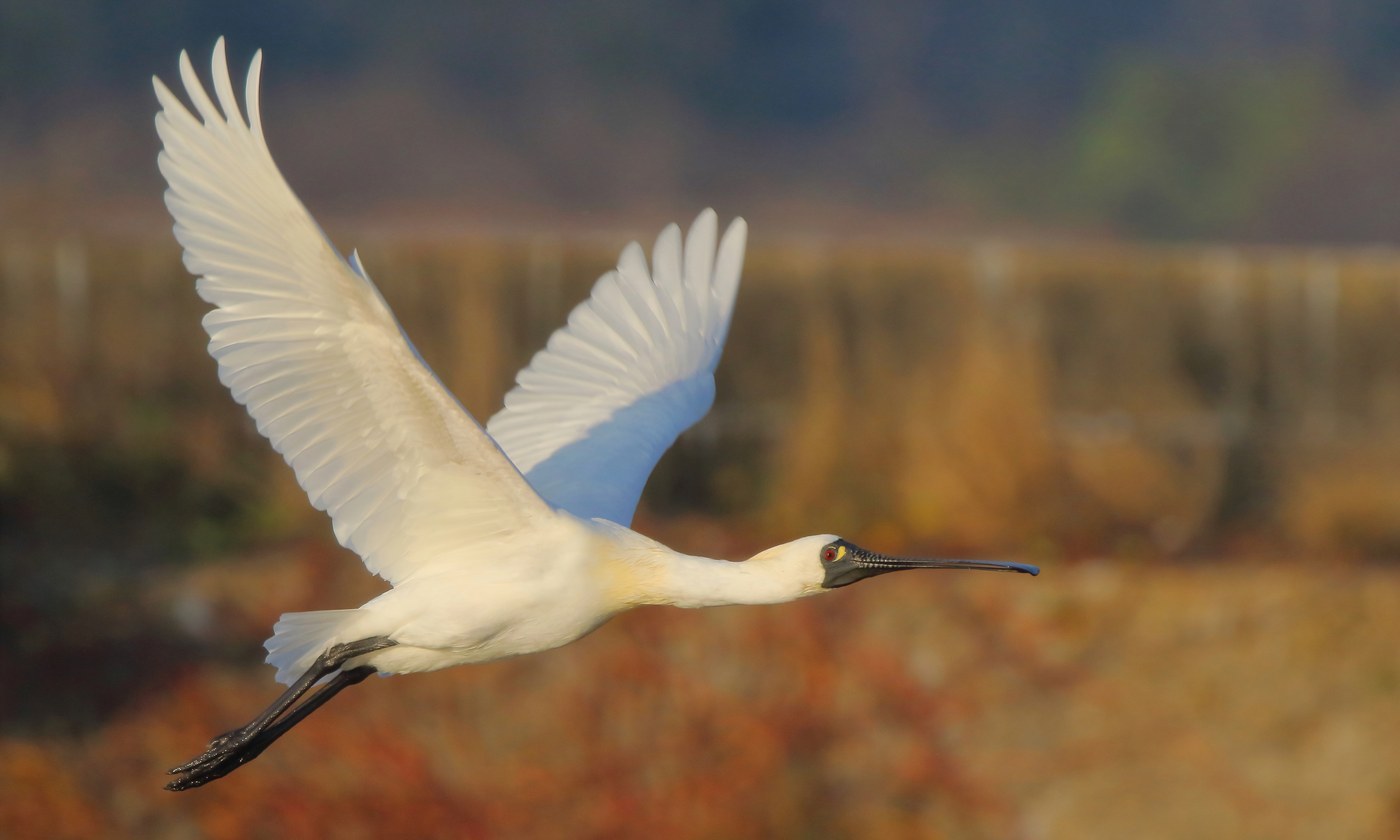
Black-faced Spoonbill
White contour and flight feathers with fine breeding crest and breast plumes
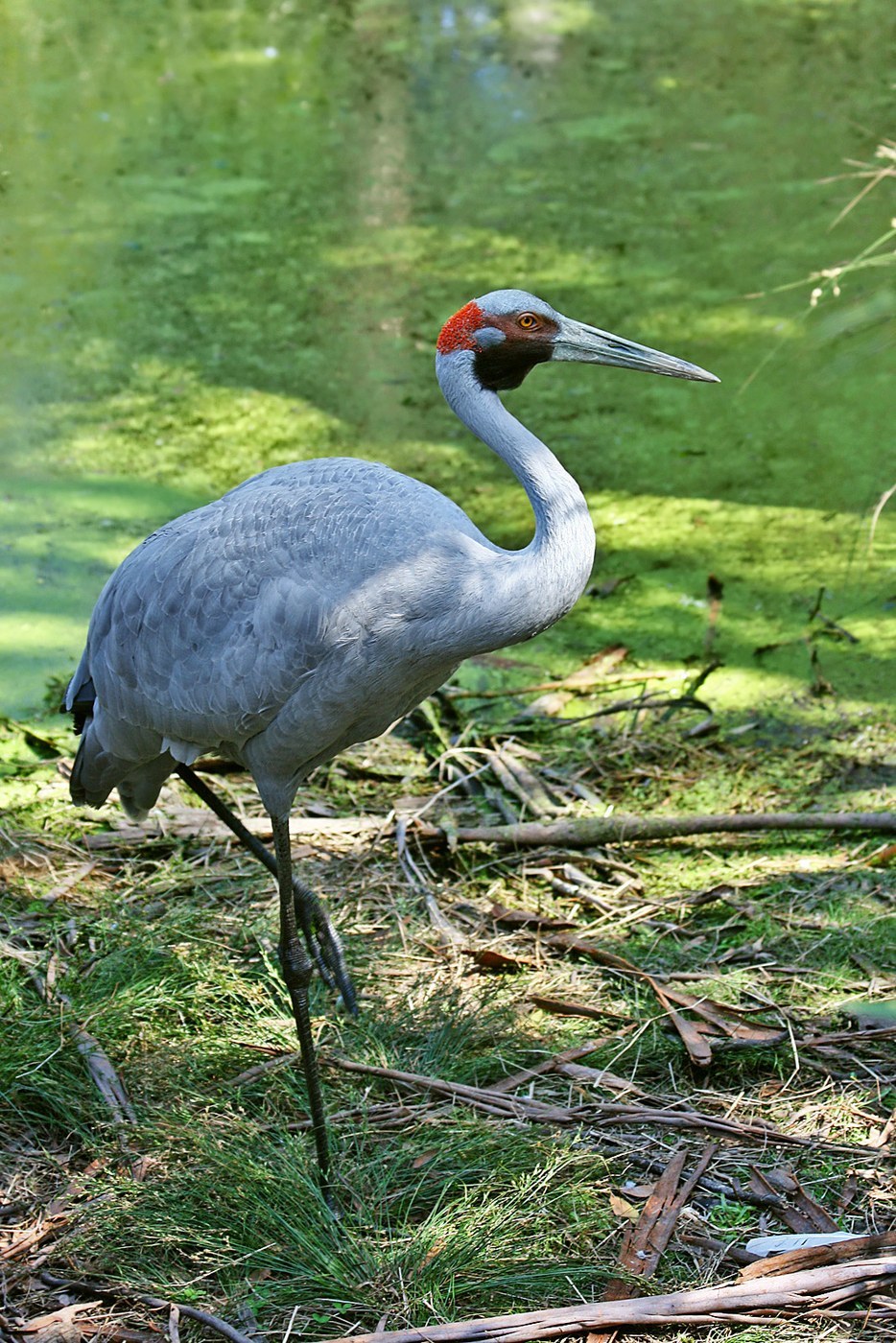
Brolga
Grey contour feathers with drooping bustle plumes
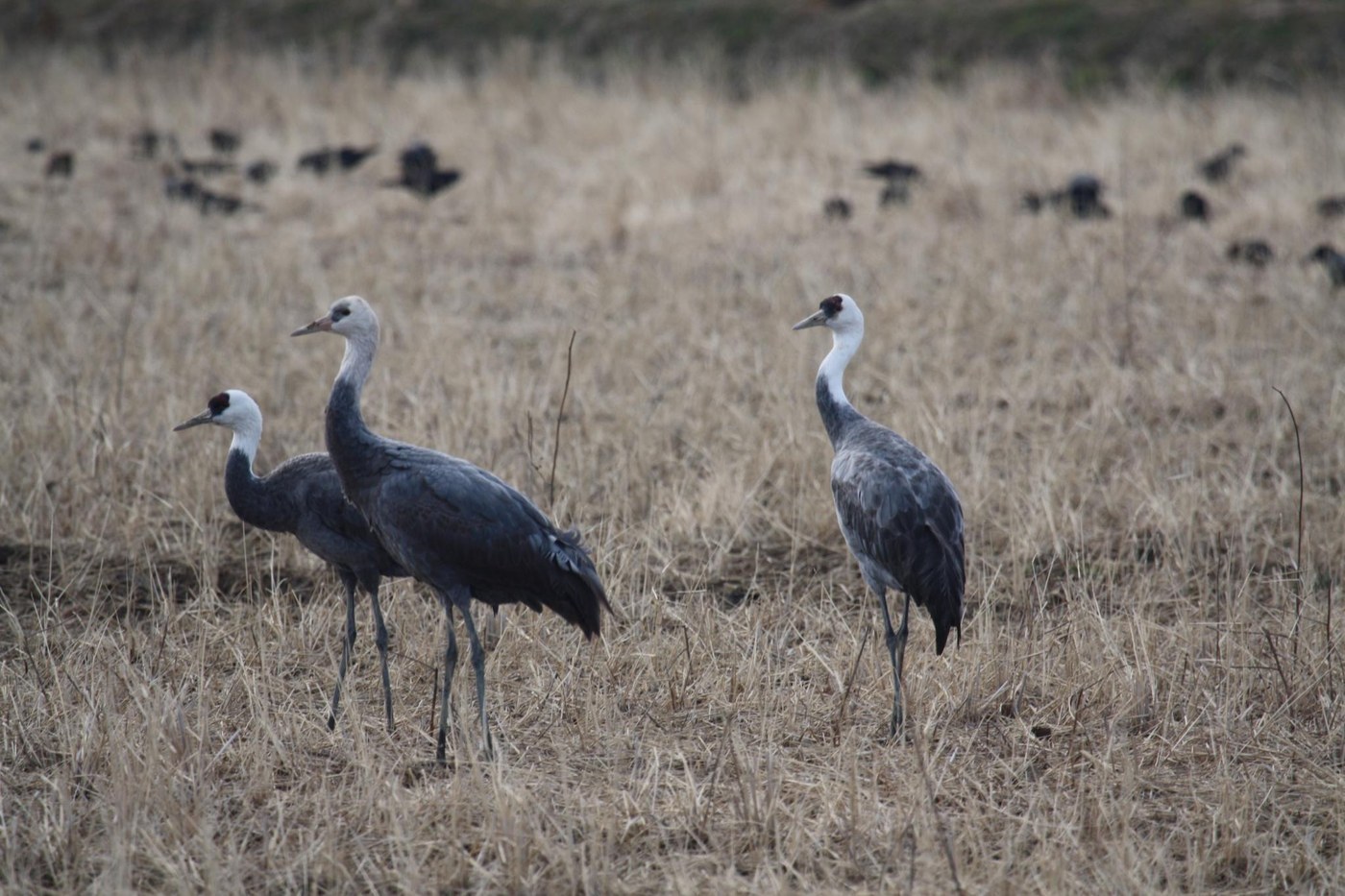
Hooded Crane
Dark slate-grey body feathers with a white head/upper neck 'hood' and black bustle plumes
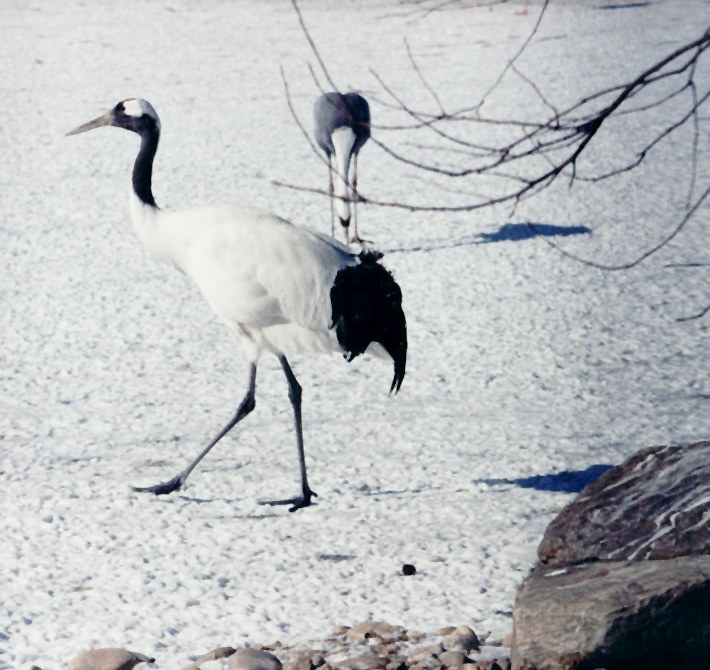
Red-crowned Crane
White contour feathers with black secondary/tertial bustle feathers and a bare red crown

Common Crane
Grey contour feathers with black head/neck feathers and drooping bustle plumes
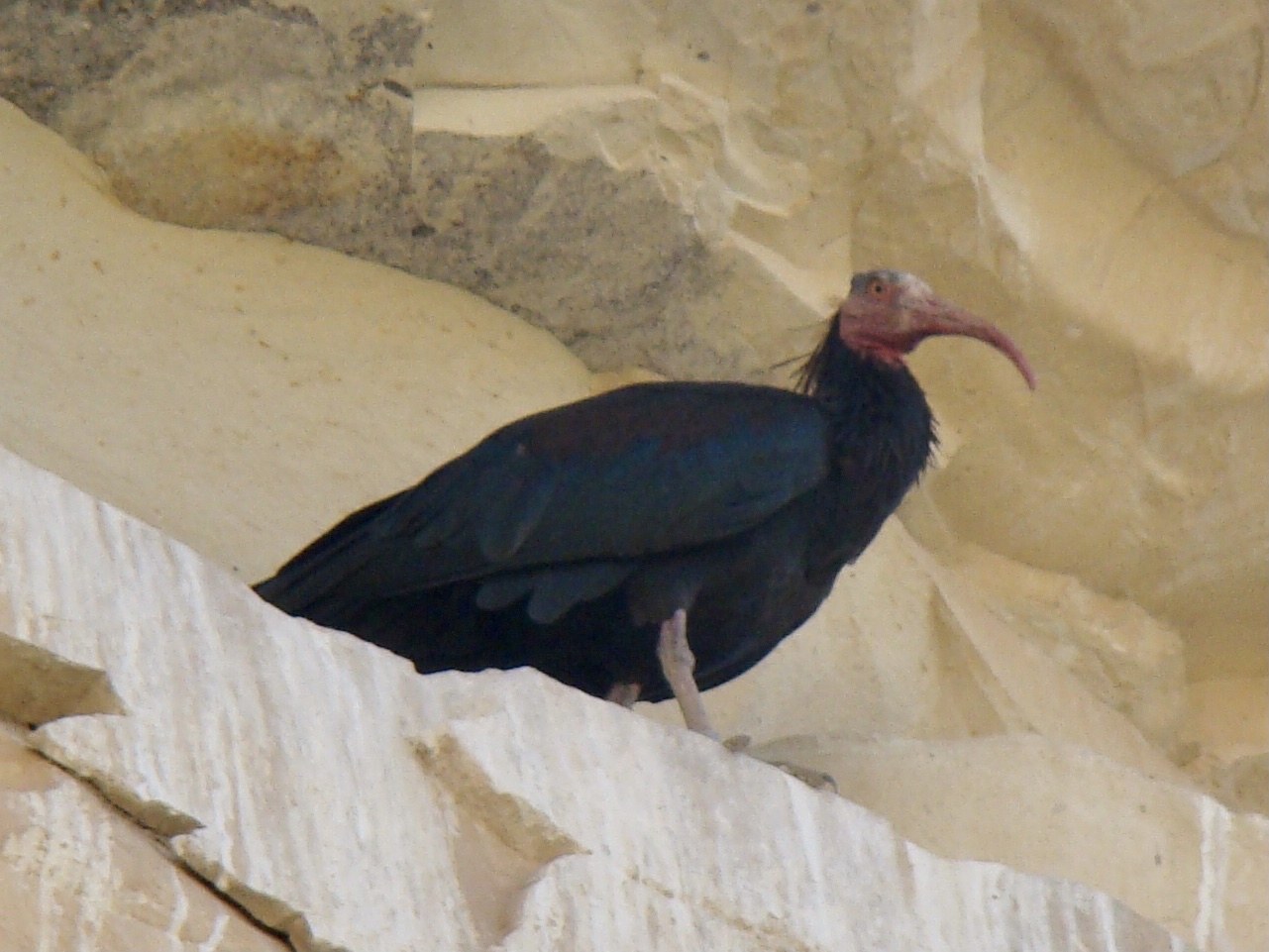
Northern Bald Ibis
Glossy black contour feathers with elongated nape plumes
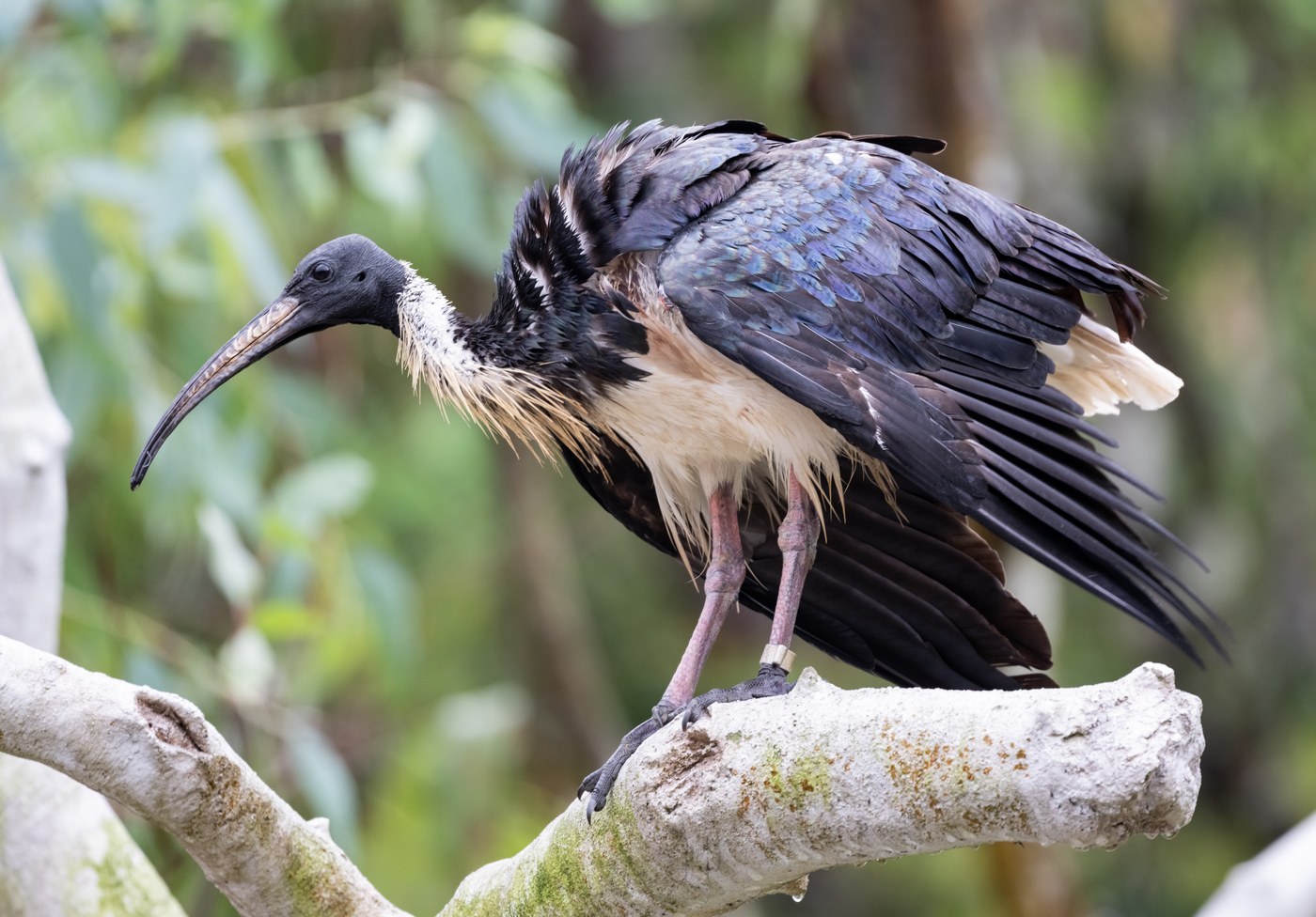
Straw-necked Ibis
Glossy contour feathers with unique straw-like neck plumes
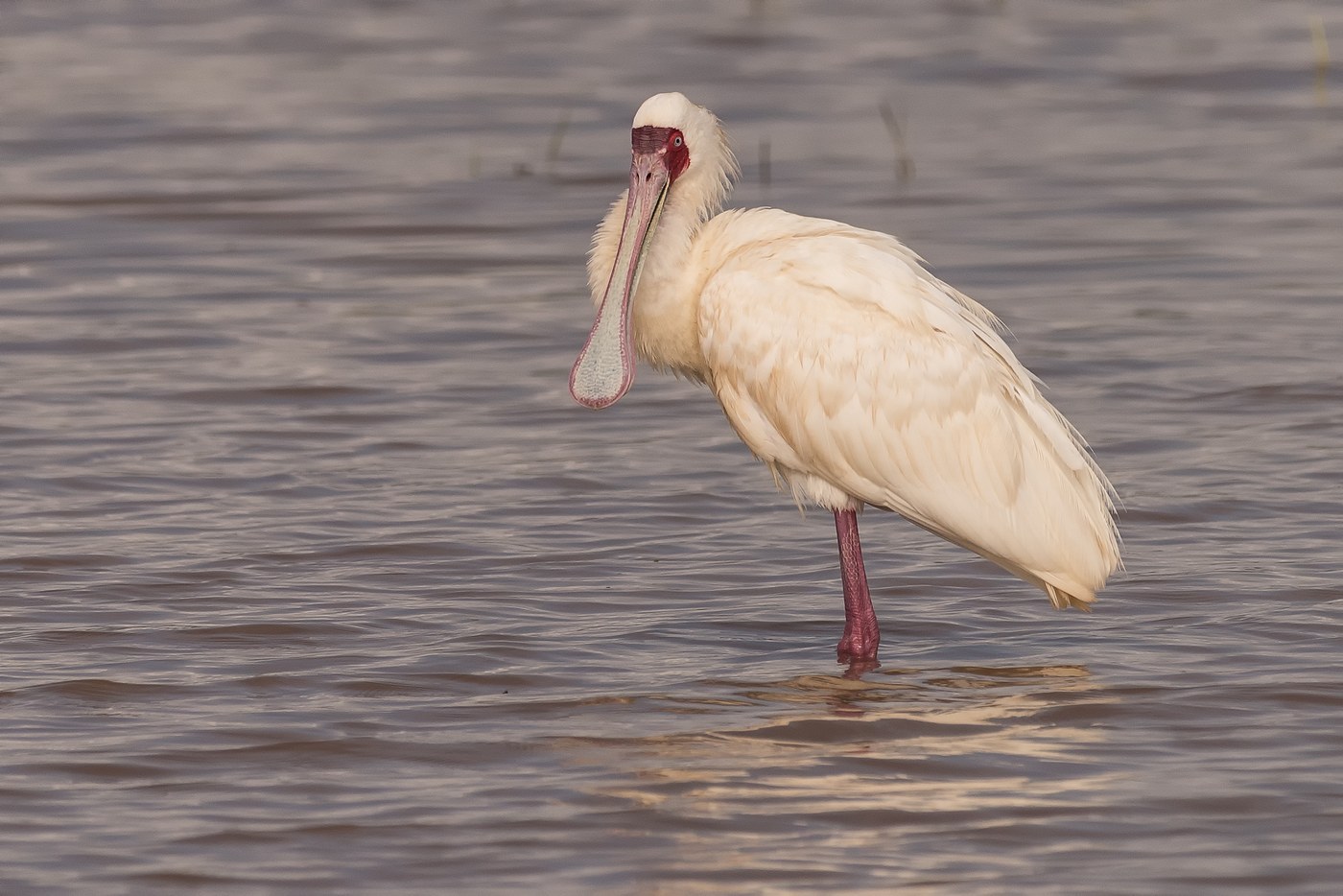
African Spoonbill
White contour and flight feathers, unmarked by black tips

Roseate Spoonbill
Pink and white contour and flight feathers with a carmine shoulder patch