

Black-headed Heron
Ardea melanocephala
A large grey African heron with a solidly dark head and nape, often seen stalking dry grassland and farmland well away from water.
- Feather type
- Long, broad flight feathers and lance-like neck plumes typical of large Ardea herons
- Colours
- Grey body plumage with a solid blackish crown, nape, and hindneck stripe
- Bird size
- Large heron, ~85-92 cm
Found a feather like this?
Identify any feather from a photo, free.
Overview
The Black-headed Heron is a large, long-legged heron widespread across sub-Saharan Africa, closely resembling the familiar Grey Heron but readily told apart by its solidly dark crown, nape, and hindneck rather than a black eye-stripe on an otherwise white head. It is notably adaptable, foraging as readily in dry grassland and cultivated fields as at the edges of rivers and marshes.
Its overall grey plumage, long neck, and dagger-like bill give it a classic large-heron profile, but the extensive black head and neck stripe are the most reliable field mark, both on the living bird and on shed head or neck feathers. The white throat and foreneck stand out sharply against this dark hood, adding a further point of contrast.
Because it frequently hunts terrestrial prey far from water, feathers can turn up in open farmland and pasture as well as in more typical wetland settings.
Identifying the Feather
Shape and Size
Flight feathers are long and broad, typical of a large wading heron, while neck feathers are elongated and lance-shaped, especially along the lower foreneck. Overall feather size reflects a bird approaching 90 cm in length.
Color and Pattern
- Crown, nape, and hindneck feathers are solid blackish-grey to black, forming a distinct dark hood rather than a narrow eye-stripe.
- Body and wing feathers are otherwise plain medium grey, unmarked and unbarred.
- Foreneck and throat feathers are white, some with fine dark streaking, contrasting sharply with the dark hood.
- Flight feathers are a slightly darker slate-grey than the back and wing coverts.
Shaft and Vane
Shafts are pale on body feathers and dark on the blackish crown and nape feathers. Neck plumes are notably elongated and loosely webbed, giving a shaggy appearance at the base of the neck in breeding condition.
Distinguishing from Similar Species
The key distinction from the widespread Grey Heron is the extent of dark coloration on the head: Black-headed Heron shows a solidly dark crown and nape rather than a black stripe running back from the eye over an otherwise white or pale head, so a mostly-dark head or nape feather is a strong clue to this species rather than Grey Heron.
Plumage & Molt
Adults show plain grey upperparts and wings, a blackish crown, nape, and hindneck, and a white throat and foreneck with fine dark streaking. Elongated plumes develop on the lower neck and back during the breeding season. Sexes look alike. Juveniles are duller and browner overall with a less clearly defined dark hood, developing the adult pattern over one to two years. Molt is gradual and not tightly tied to a single season across its broad range.
Habitat & Range
This species is widespread across sub-Saharan Africa, occupying grassland, farmland, savanna, and the margins of rivers, lakes, and marshes. Unlike many herons, it forages extensively away from water in open fields and pasture. It is largely resident, though some populations make local movements linked to rainfall and food availability.
Behavior & Field Notes
Black-headed Herons forage by walking slowly through grassland or shallow water, taking a broad diet of small vertebrates and invertebrates encountered on land or in water, including rodents and amphibians in drier habitats. They often hunt solitarily but may gather at abundant food sources or roost communally. The voice is a harsh, guttural croak, mainly given in flight or at nesting colonies. Nests are stick platforms built in trees, often in mixed colonies with other herons and egrets. For feather finders, a grey body feather paired with a solidly dark crown or nape feather found in African grassland or wetland habitat is a good indicator of this species.
Frequently asked questions
How is this species told apart from the Grey Heron by its feathers?
Black-headed Heron shows a solidly dark crown, nape, and hindneck rather than a narrow black stripe over an otherwise pale head, so extensive dark head or neck feathers point to this species.
Does this heron only live near water?
No, it forages extensively in dry grassland and farmland well away from water, unlike many other heron species.
What color are this species' body feathers?
Plain medium grey, unmarked and unbarred, contrasting with the blackish head and nape.
Where is the Black-headed Heron found?
It is widespread across sub-Saharan Africa in grassland, farmland, and wetland habitats.
Black-headed Heron guides
In-depth guides for identifying and understanding Black-headed Heron.

Other feathers you may enjoy

Yellow-billed Spoonbill
White contour and flight feathers with fine breeding plumes on the back and breast
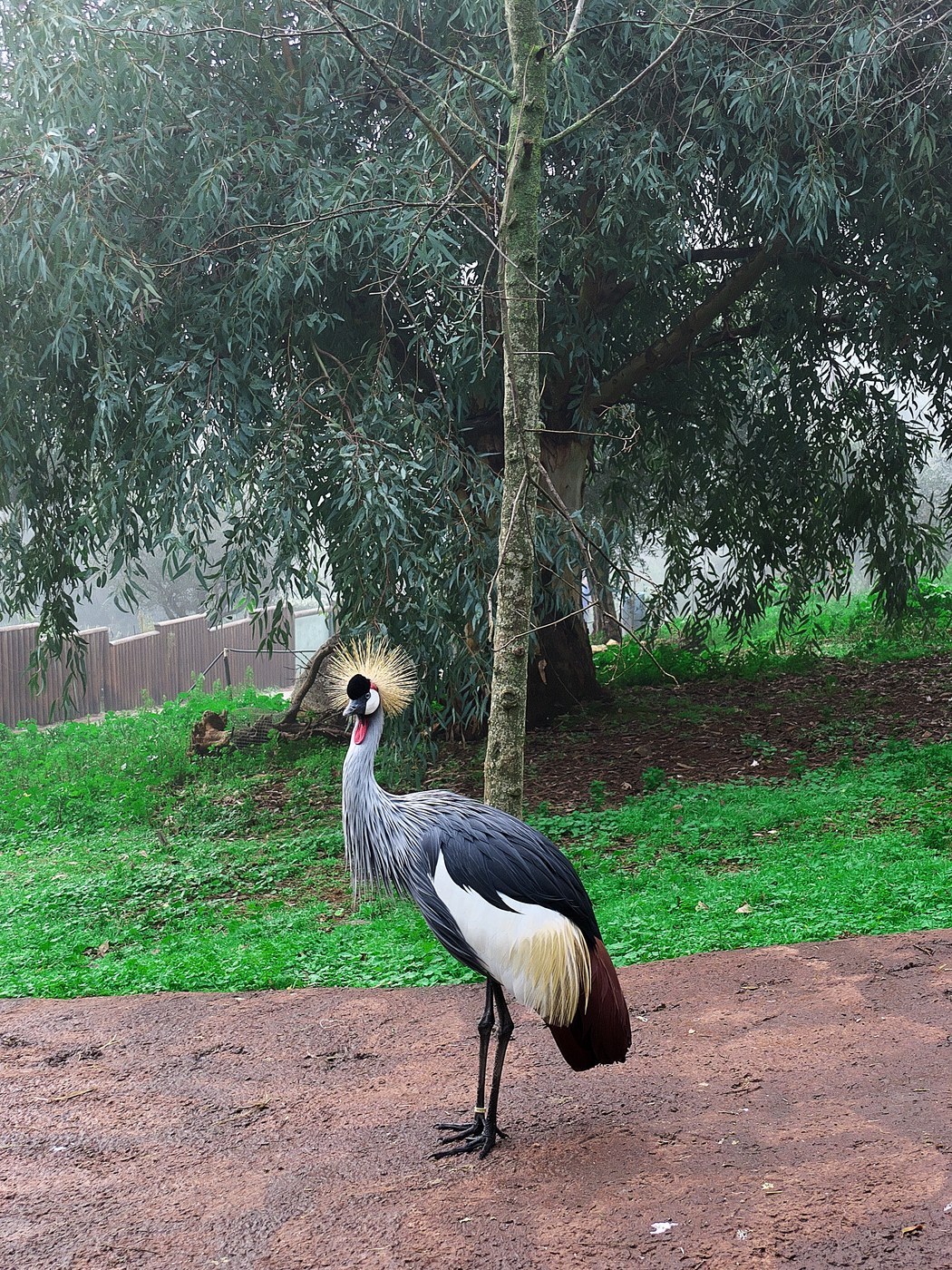
Grey Crowned Crane
Grey body feathers with white wing coverts, chestnut flight feathers, and stiff golden crown bristles
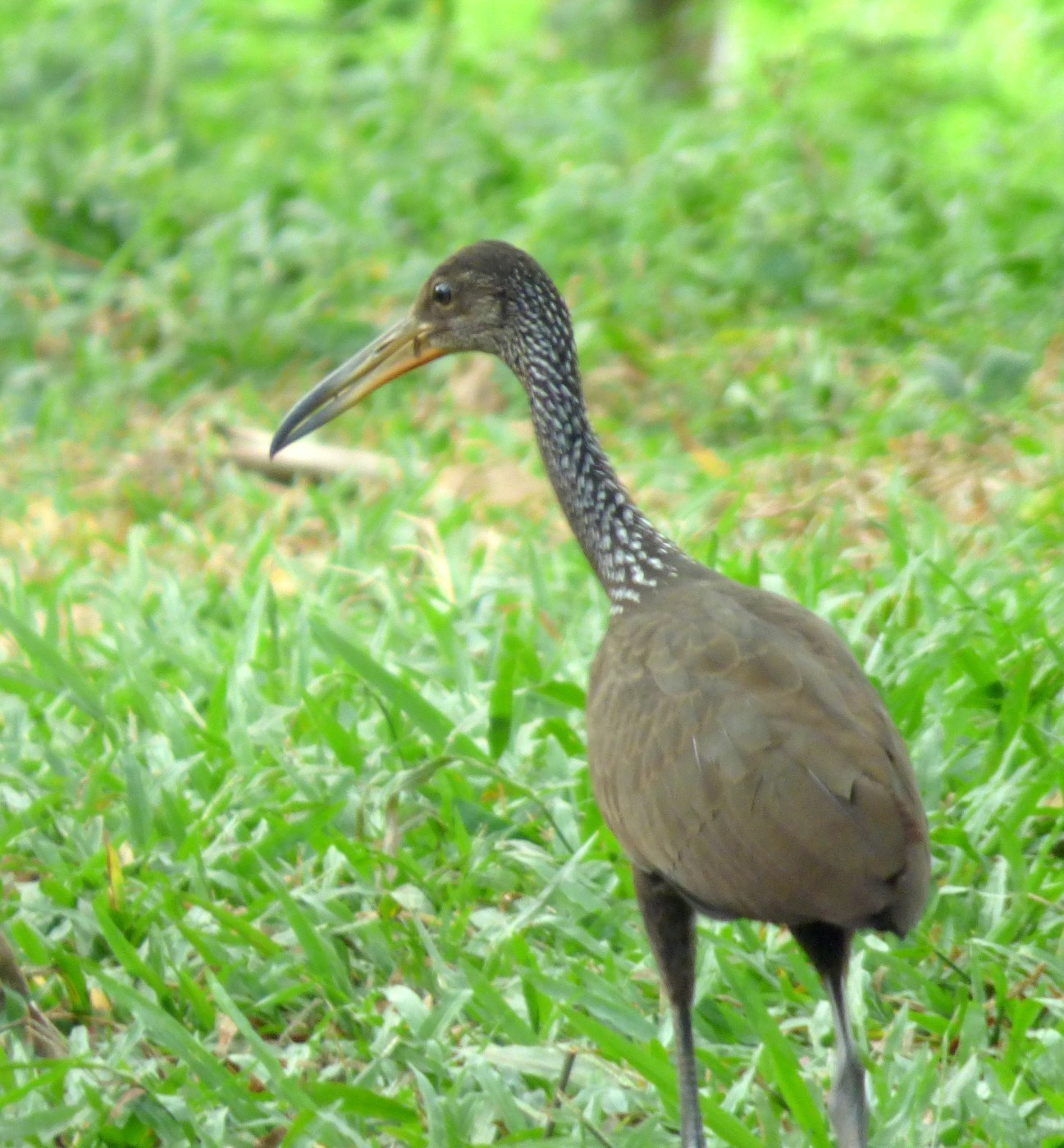
Limpkin
Brown contour feathers with white teardrop-shaped spots and streaks
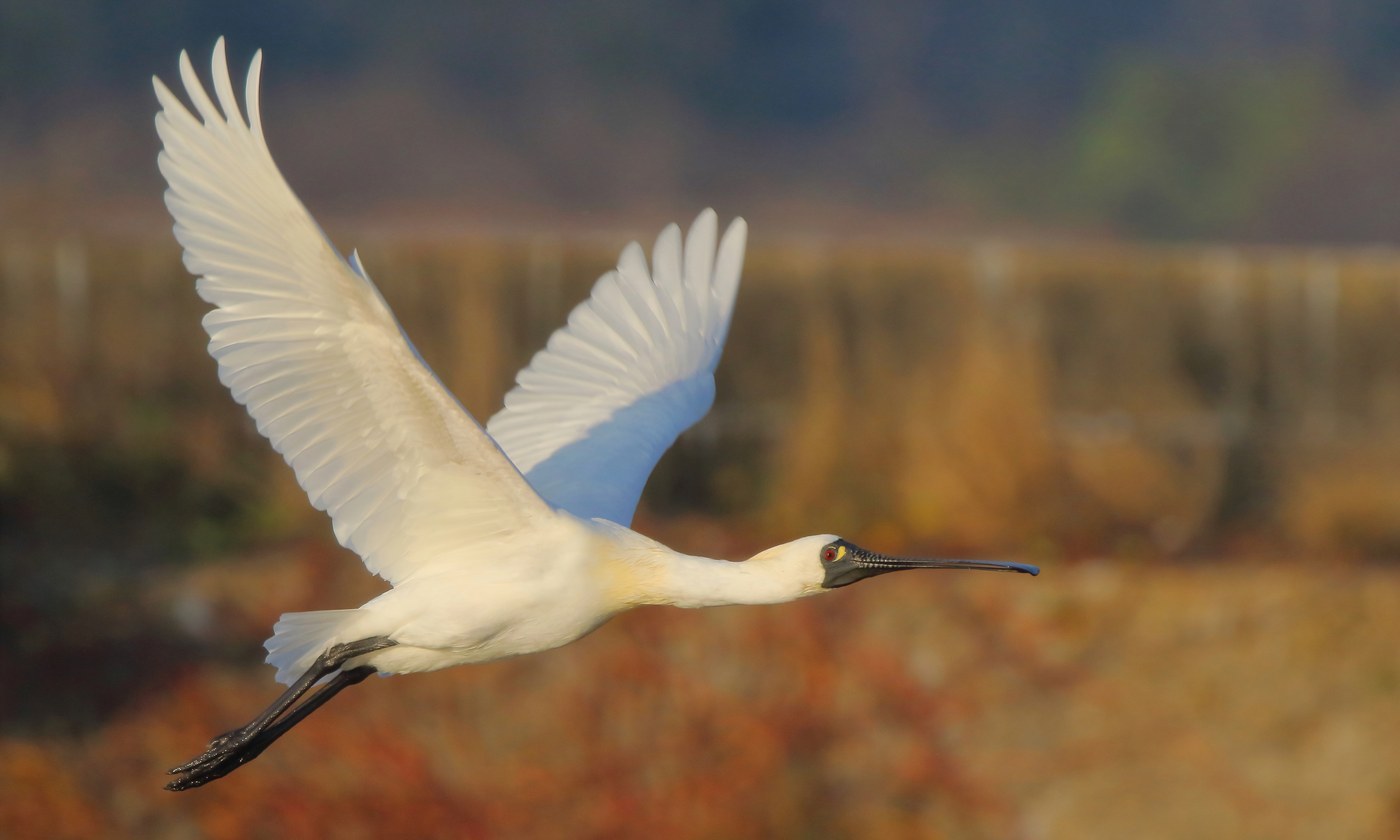
Black-faced Spoonbill
White contour and flight feathers with fine breeding crest and breast plumes
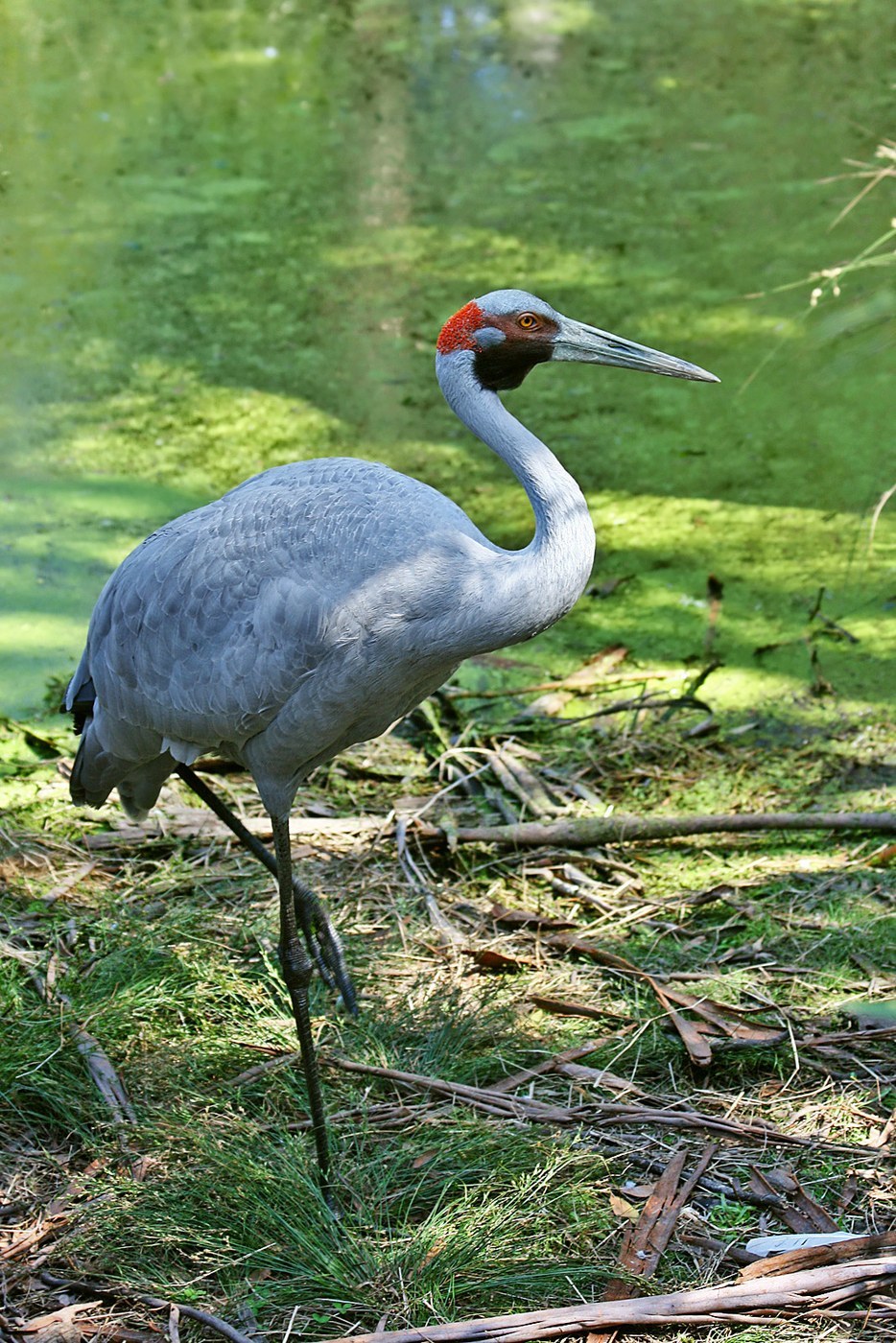
Brolga
Grey contour feathers with drooping bustle plumes
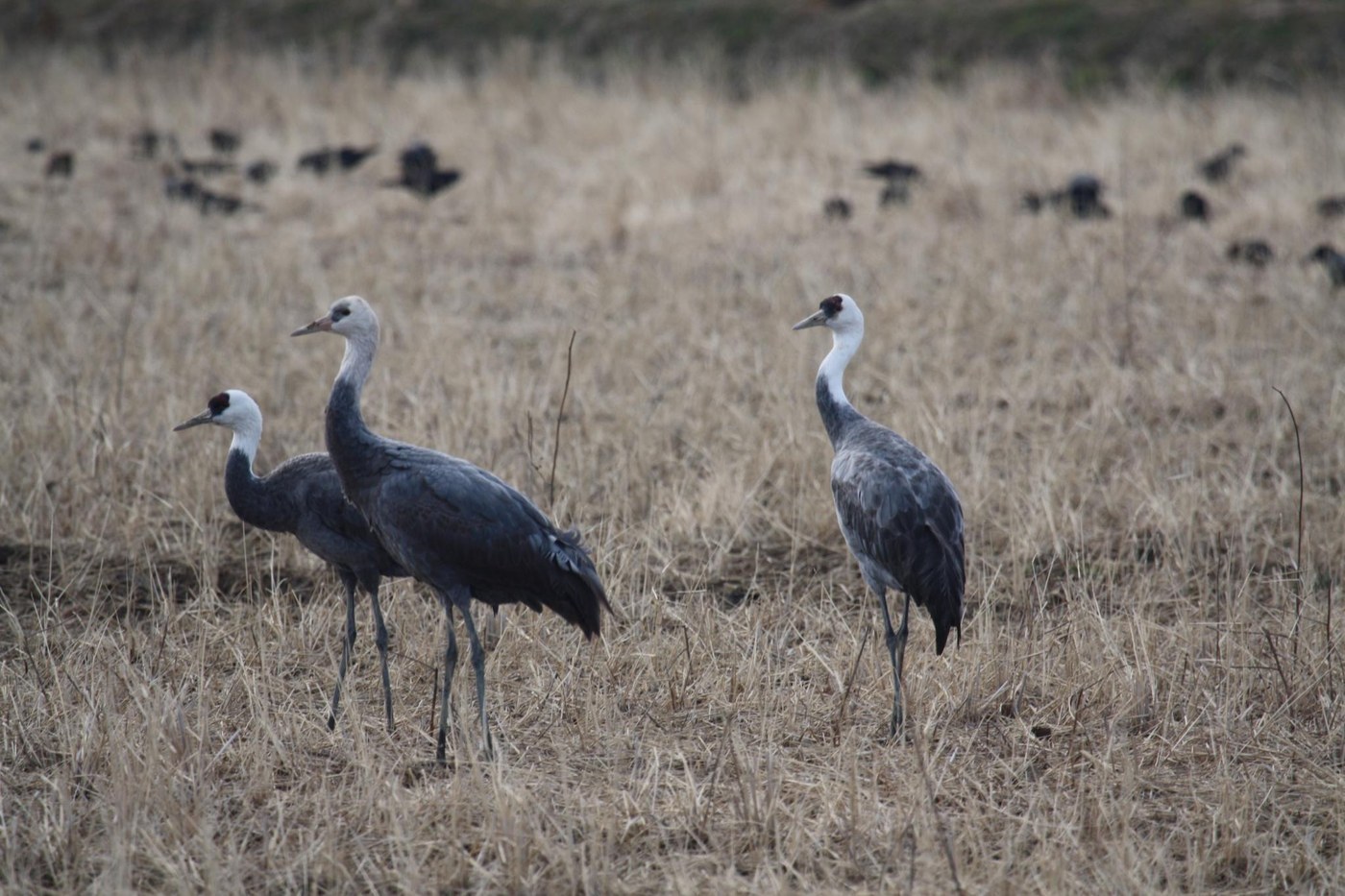
Hooded Crane
Dark slate-grey body feathers with a white head/upper neck 'hood' and black bustle plumes
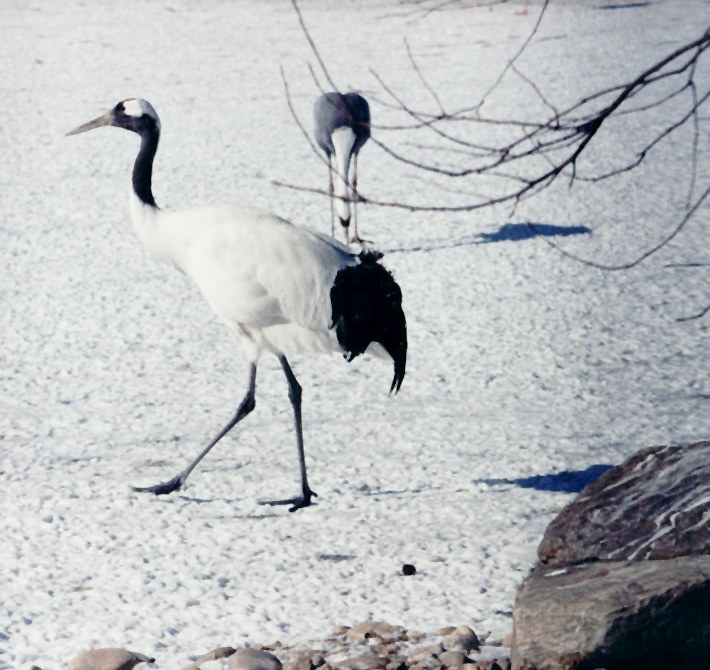
Red-crowned Crane
White contour feathers with black secondary/tertial bustle feathers and a bare red crown

Common Crane
Grey contour feathers with black head/neck feathers and drooping bustle plumes
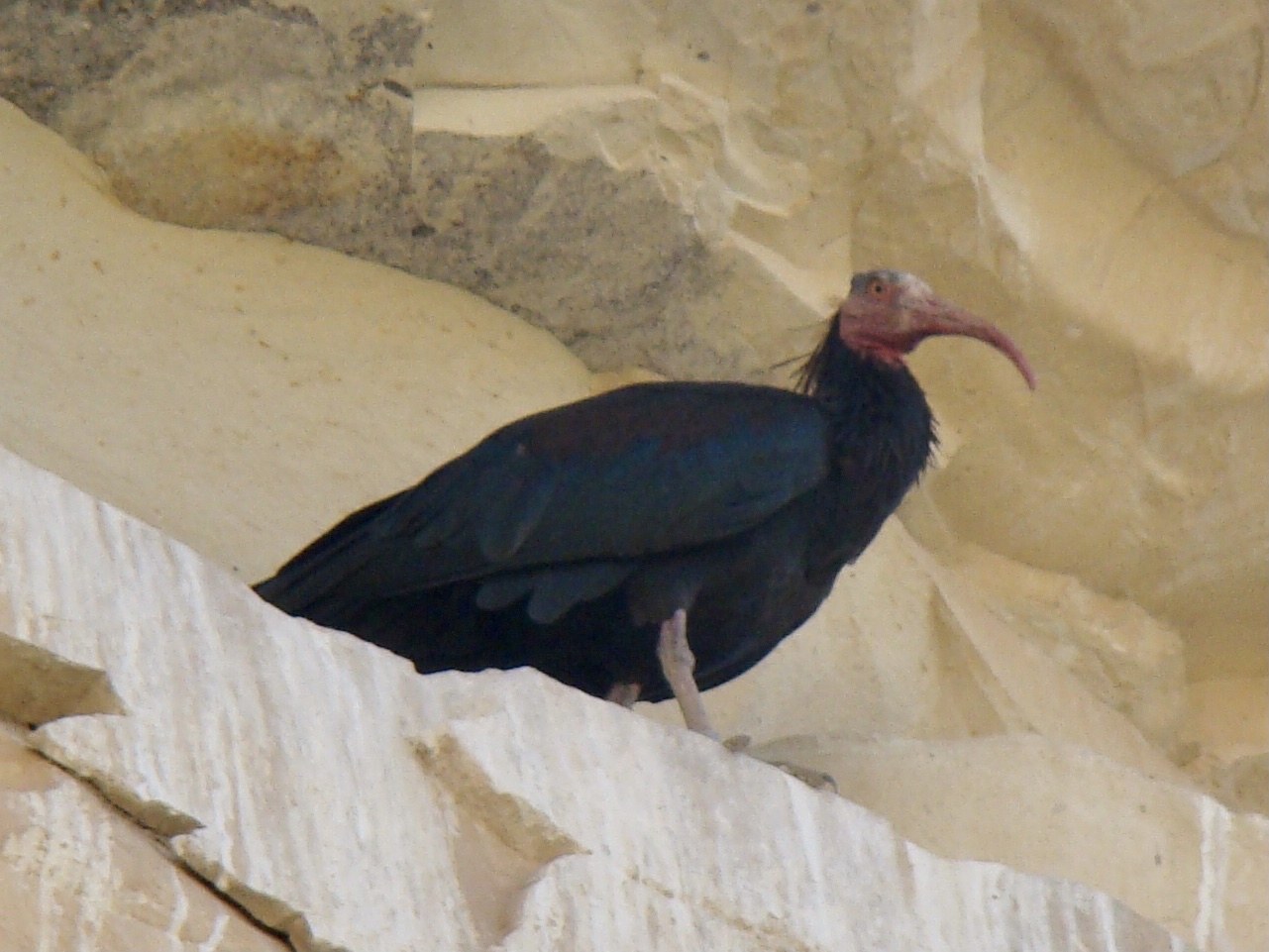
Northern Bald Ibis
Glossy black contour feathers with elongated nape plumes
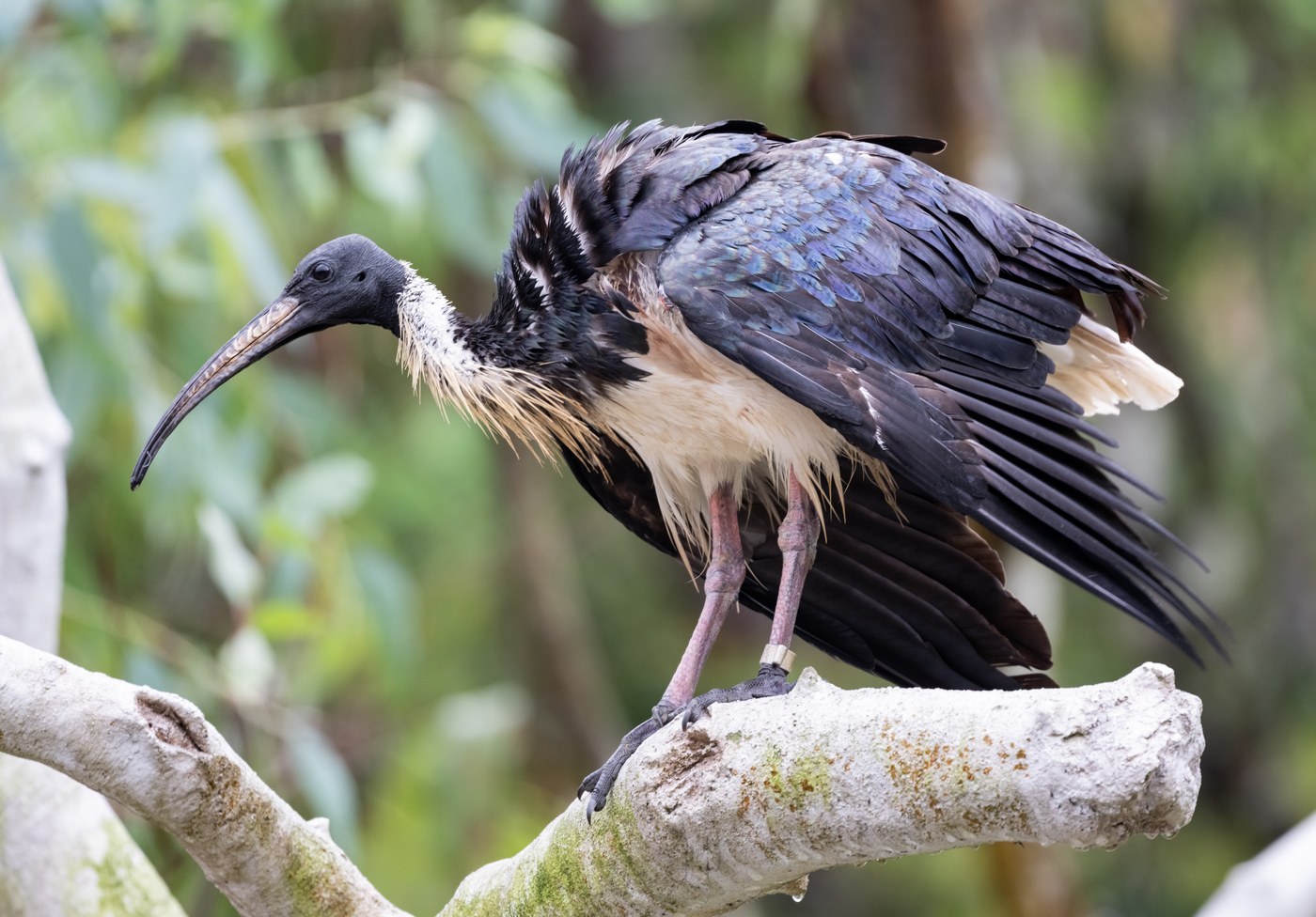
Straw-necked Ibis
Glossy contour feathers with unique straw-like neck plumes
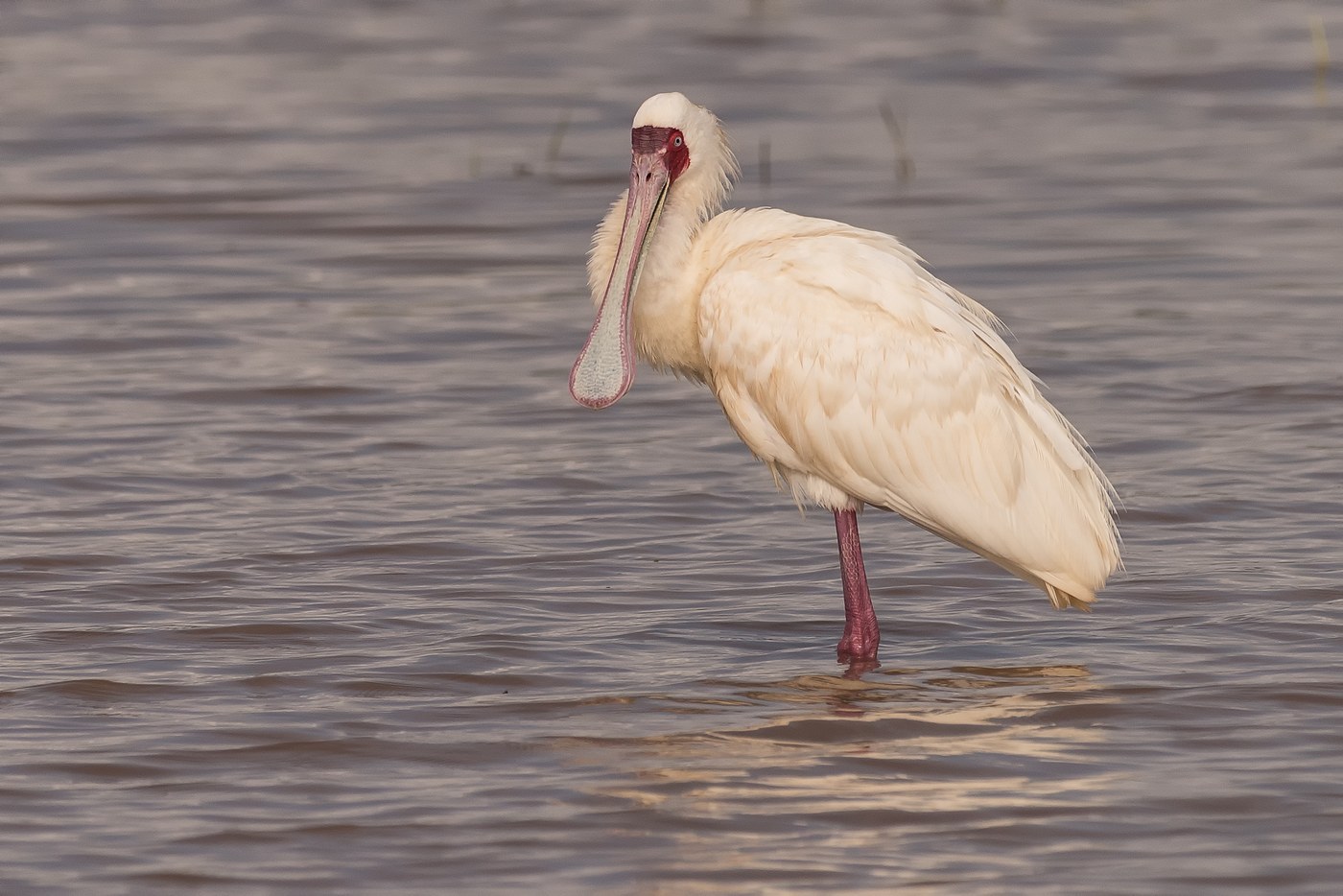
African Spoonbill
White contour and flight feathers, unmarked by black tips

Roseate Spoonbill
Pink and white contour and flight feathers with a carmine shoulder patch