
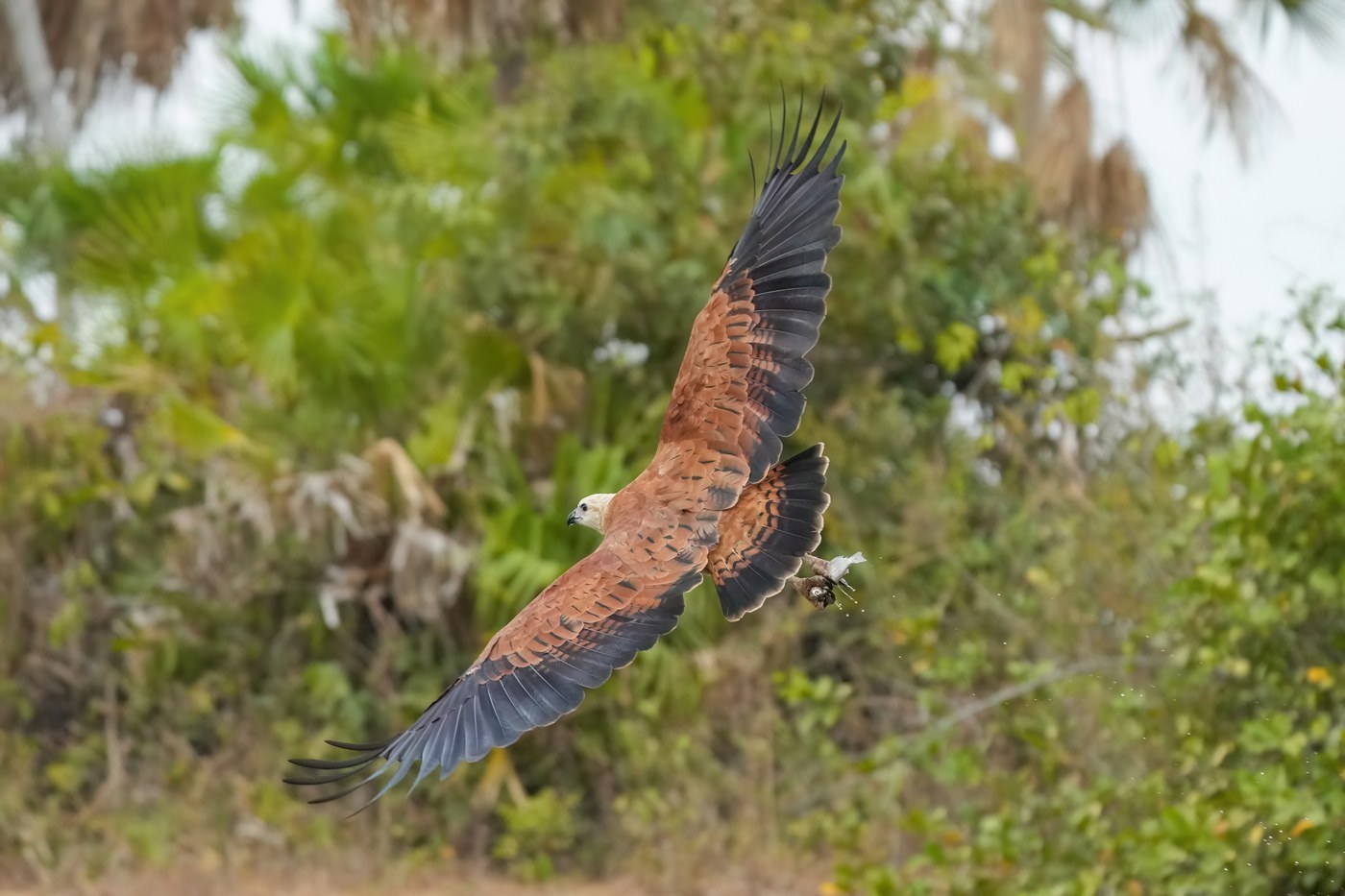
Black-collared Hawk
Busarellus nigricollis
A striking rufous-orange wetland hawk of the Neotropics, immediately recognizable by its pale creamy head and the narrow black band crossing its upper chest.
- Feather type
- Broad rounded wings, short tail, dense body feathering
- Colours
- Rich rufous-orange body, creamy head, black chest band
- Bird size
- Medium hawk, ~43-53 cm
Found a feather like this?
Identify any feather from a photo, free.
Overview
The Black-collared Hawk is a distinctive raptor of freshwater wetlands across much of Latin America, from Mexico to Argentina. Closely tied to marshes, lagoons, and flooded grassland, it stands out among Neotropical raptors for its warm rufous-orange plumage and pale head.
Identifying the Feather
Body feathers are a rich cinnamon-rufous, with a notably pale, creamy head contrasting sharply against the darker body, and a narrow black band of feathers crosses the upper breast, giving the species its name. Tail feathers are rufous with a dark subterminal band near the tip. Wings are broad and rounded, adapted to low, buoyant flight over open wetland habitat rather than fast pursuit.
Plumage & Molt
Adults show rufous-orange body plumage, a pale creamy head, and a distinct black breast band, with little difference between the sexes. Juveniles are duller and more streaked overall, lacking the crisp adult pattern, and gradually acquire full adult coloration with maturity. There is no strong seasonal plumage variation in this largely resident species.
Habitat & Range
This hawk is closely tied to freshwater marshes, lagoons, flooded grassland, and mangroves from Mexico through Central and South America to Argentina. It is largely resident, remaining within suitable wetland habitat year-round.
Behavior & Field Notes
It hunts fish and other aquatic prey from low perches over water, sometimes wading into shallows, and will also soar over wetland habitat in search of prey. It gives a nasal call and builds a stick nest close to water, reflecting its strong dependence on wetland ecosystems.
Frequently asked questions
What feature gives Black-collared Hawk its name?
A narrow black band of feathers crossing the upper breast, set against otherwise rufous-orange plumage.
What habitat is this hawk tied to?
Freshwater marshes, lagoons, flooded grassland, and mangroves across the Neotropics.
What does it eat?
Mainly fish and other aquatic prey, hunted from low perches over water.
How can you tell adults from juveniles?
Adults show a crisp rufous body, pale head, and black breast band, while juveniles are duller and more streaked overall.
Black-collared Hawk guides
In-depth guides for identifying and understanding Black-collared Hawk.
Other feathers you may enjoy

Australian Hobby
Long, narrow pointed flight feathers; slender tail feathers

California Condor
Massive flight feathers; long broad primaries; large tail feathers

Brown Falcon
Broad, rounded flight feathers; variable-toned contour feathers
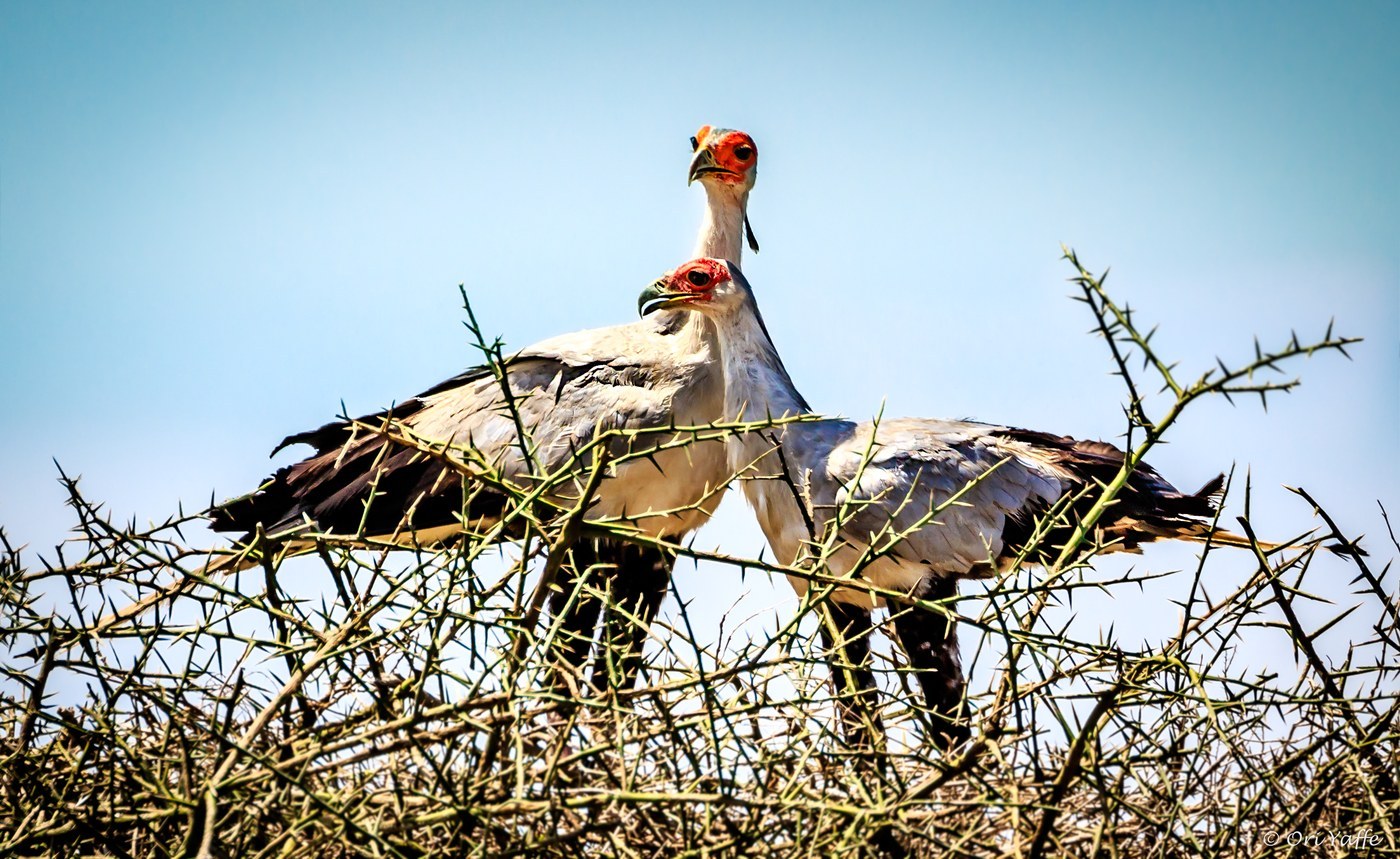
Secretarybird
Long crest feathers; broad flight feathers; elongated central tail feathers

Orange-breasted Falcon
Broad-based pointed flight feathers; bold breast and belly feathers
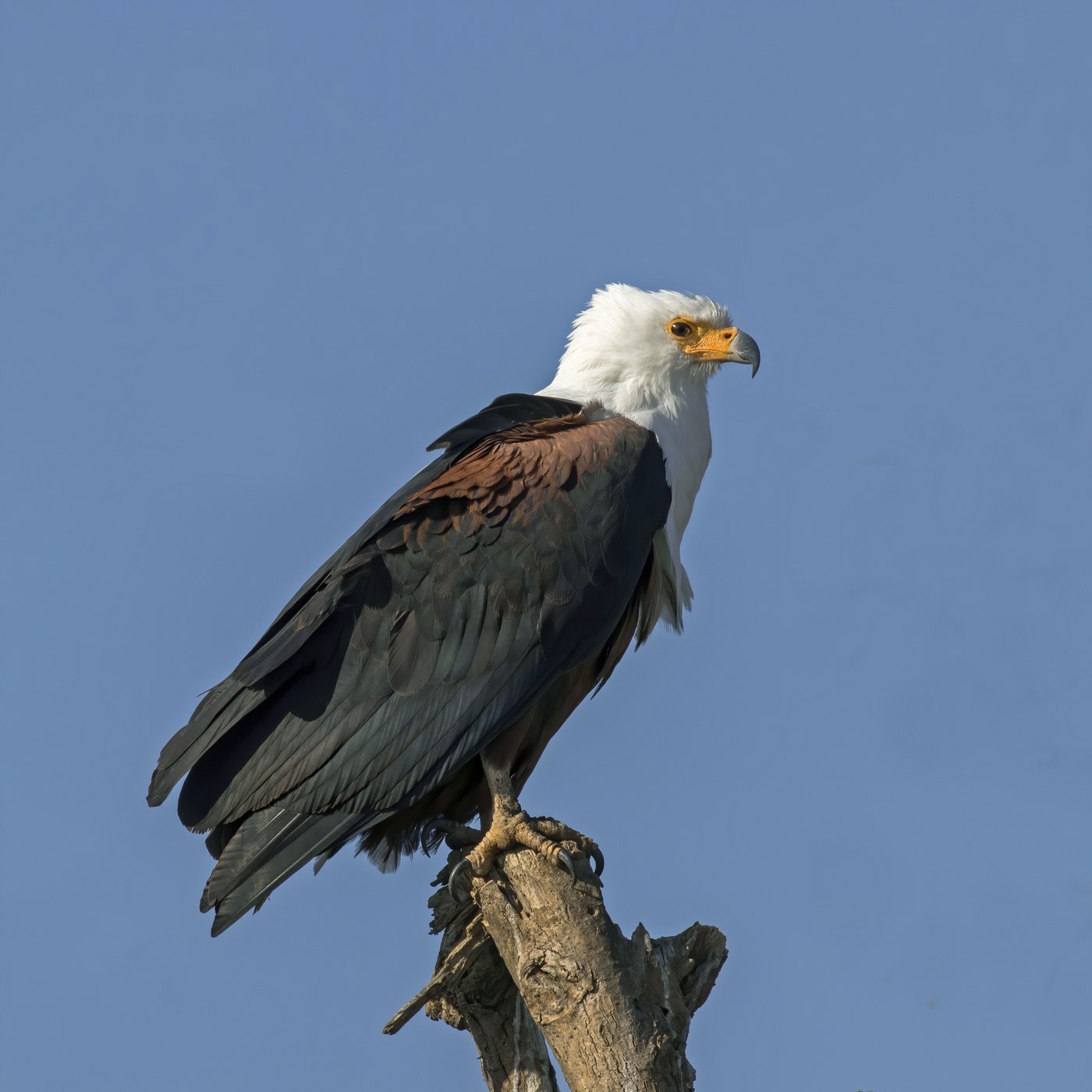
African Fish Eagle
Flight, tail, and body feathers

Amur Falcon
Slender pointed flight feathers; soft slate or orange-buff contour feathers
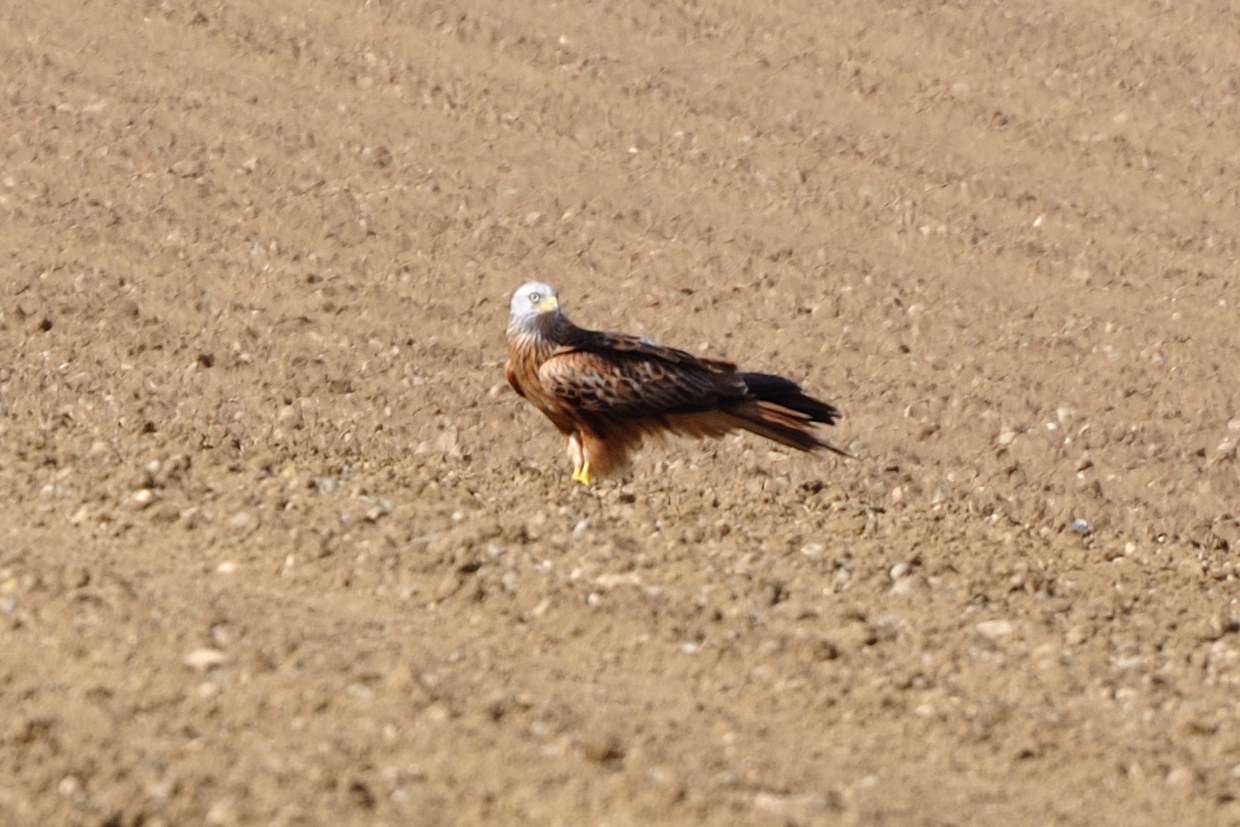
Red Kite
Flight (wing) and tail feathers
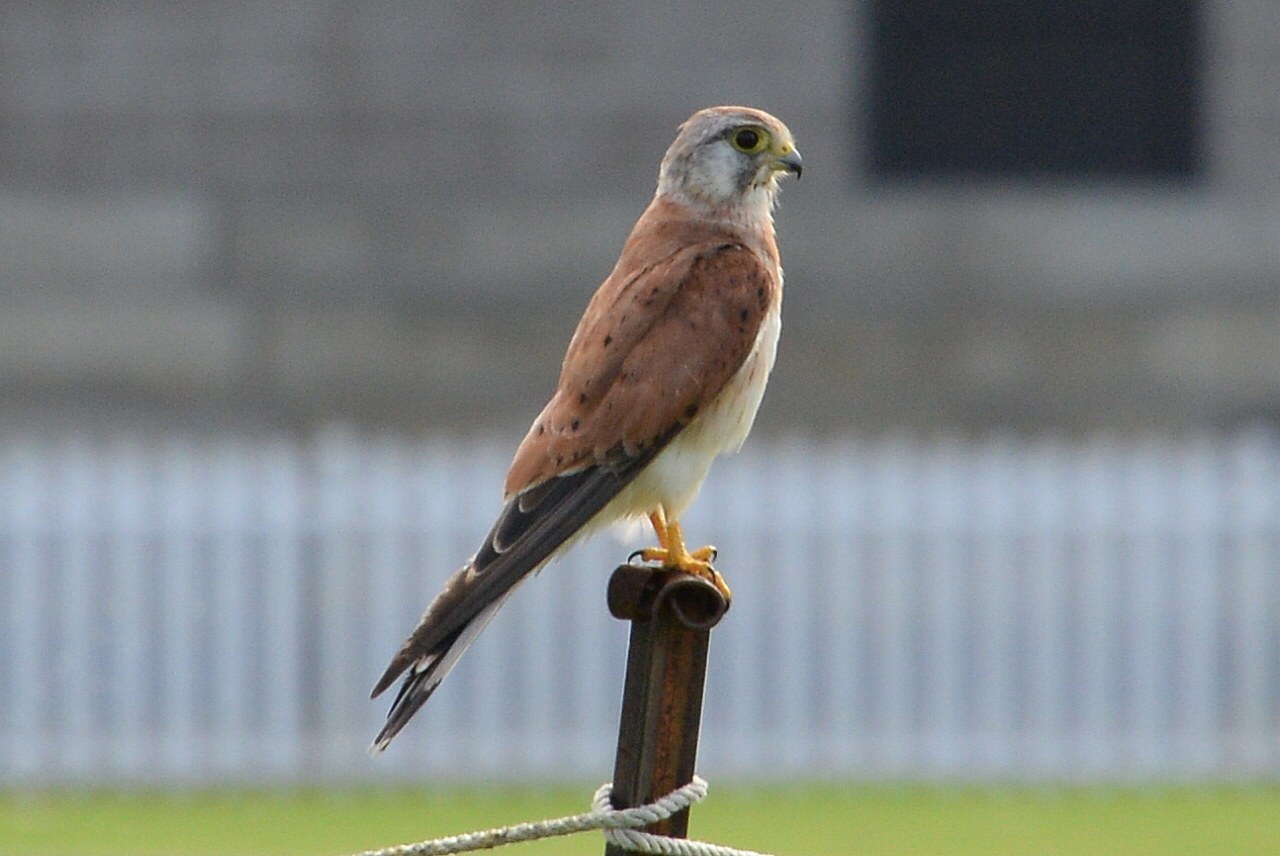
Nankeen Kestrel
Slim pointed flight feathers; lightly marked contour feathers

Andean Condor
Massive flight feathers; broad primaries and secondaries; sturdy tail feathers

Plumbeous Forest Falcon
Short rounded flight feathers; finely barred tail feathers

Sooty Falcon
Long pointed flight feathers; slim tail feathers