

Bare-legged Owl
Margarobyas lawrencii
A small Cuban endemic owl notable for its bare, unfeathered legs, an unusual trait among owls that otherwise mostly have feathered tarsi.
- Feather type
- Soft, loosely webbed body feathers; short rounded flight feathers; unfeathered lower legs unlike most owls
- Colours
- Warm reddish-brown to grey-brown, finely mottled and vermiculated with buff spotting
- Bird size
- Small owl, ~20-24 cm
Found a feather like this?
Identify any feather from a photo, free.
Overview
The Bare-legged Owl, also called the Cuban Screech-Owl, is a small owl found only on Cuba and a few offshore islets. It is the sole member of its genus, set apart from typical screech-owls by anatomical and vocal differences.
Its most distinctive physical trait is right in the name: unlike almost every other owl, its lower legs are bare of feathers rather than feathered down to the toes. This is easiest to notice on a live or photographed bird, but the feather set overall is otherwise a fairly typical small-owl plumage of soft, cryptic brown tones.
Because it is a habitat specialist confined to a single island, feathers attributed to this species should be considered only within a Cuban context.
Identifying the Feather
Size and shape
- Small, rounded contour feathers typical of a compact woodland owl
- Flight feathers short and broad relative to body size, suited to quick maneuvering through dense cover
Color and pattern
- Ground color warm rufous-brown to greyer brown depending on individual
- Fine dark vermiculation and pale buff spotting across the back and wing coverts
- Underparts paler with soft brown streaking
Distinguishing from similar species
- On Cuba, the main confusion species is the Cuban Pygmy-Owl, which is smaller with bolder white spotting on the crown; Bare-legged Owl feathers are less crisply marked and softer-toned
- The unfeathered tarsus of the living bird is the best non-feather clue if seen in the field
Plumage & Molt
Overall plumage is soft brown, finely patterned with darker vermiculations and buffy spots, giving strong camouflage against tree bark and leaf litter. Sexes look alike in plumage, as is typical for owls, though females average slightly larger. Juveniles show a downier, more uniformly buff plumage before acquiring the adult pattern. Molt in tropical owls of this kind tends to be gradual and not tightly tied to a single season, spread across the year rather than compressed into a short post-breeding window.
Habitat & Range
Endemic to Cuba and small satellite islands, this owl favors dry forest, semi-deciduous woodland, and scrubby edge habitat, often near limestone outcrops with cavities. It is a non-migratory resident, staying within a limited home range year-round. Its restricted island distribution makes it uncommon to encounter feather material outside of Cuba.
Behavior & Field Notes
A nocturnal hunter of large insects and small vertebrates, it forages by dropping from a low perch onto ground prey. It nests in natural cavities, including limestone crevices and tree hollows. Its voice is a distinctive rolling or trilling call, quite different from the whinnying trill of typical screech-owls, one reason it is placed in its own genus. Because it is strictly nocturnal and Cuba-restricted, any feather tentatively identified as this species should be treated with caution outside its known island range.
Frequently asked questions
What makes Bare-legged Owl feathers or the bird itself unusual?
Its legs lack feathering down to the toes, unlike almost all other owls, which typically have well-feathered tarsi for insulation and protection.
Where would I find this species' feathers?
Only on Cuba and nearby islets, since this owl is a strict island endemic and does not occur anywhere else.
How can I tell its feathers from a Cuban Pygmy-Owl's?
Bare-legged Owl feathers are softer-toned brown with fine vermiculation, while Cuban Pygmy-Owl shows bolder, crisper white spotting, especially on the crown.
Is this owl migratory?
No, it is a non-migratory resident that stays within its island range throughout the year.
Bare-legged Owl guides
In-depth guides for identifying and understanding Bare-legged Owl.

Other feathers you may enjoy

Tawny Owl
Wing (flight) and body (contour) feathers
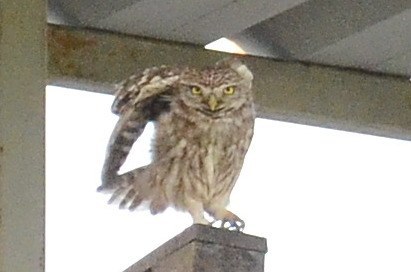
Little Owl
Wing and body feathers

Balsas Screech-Owl
Small ear-tuft feathers; soft, finely vermiculated body feathers

Blakiston's Fish Owl
Massive flight feathers with looser structure; shaggy body plumage; prominent ear-tuft feathers

Barn Owl
Wing and facial-disc feathers
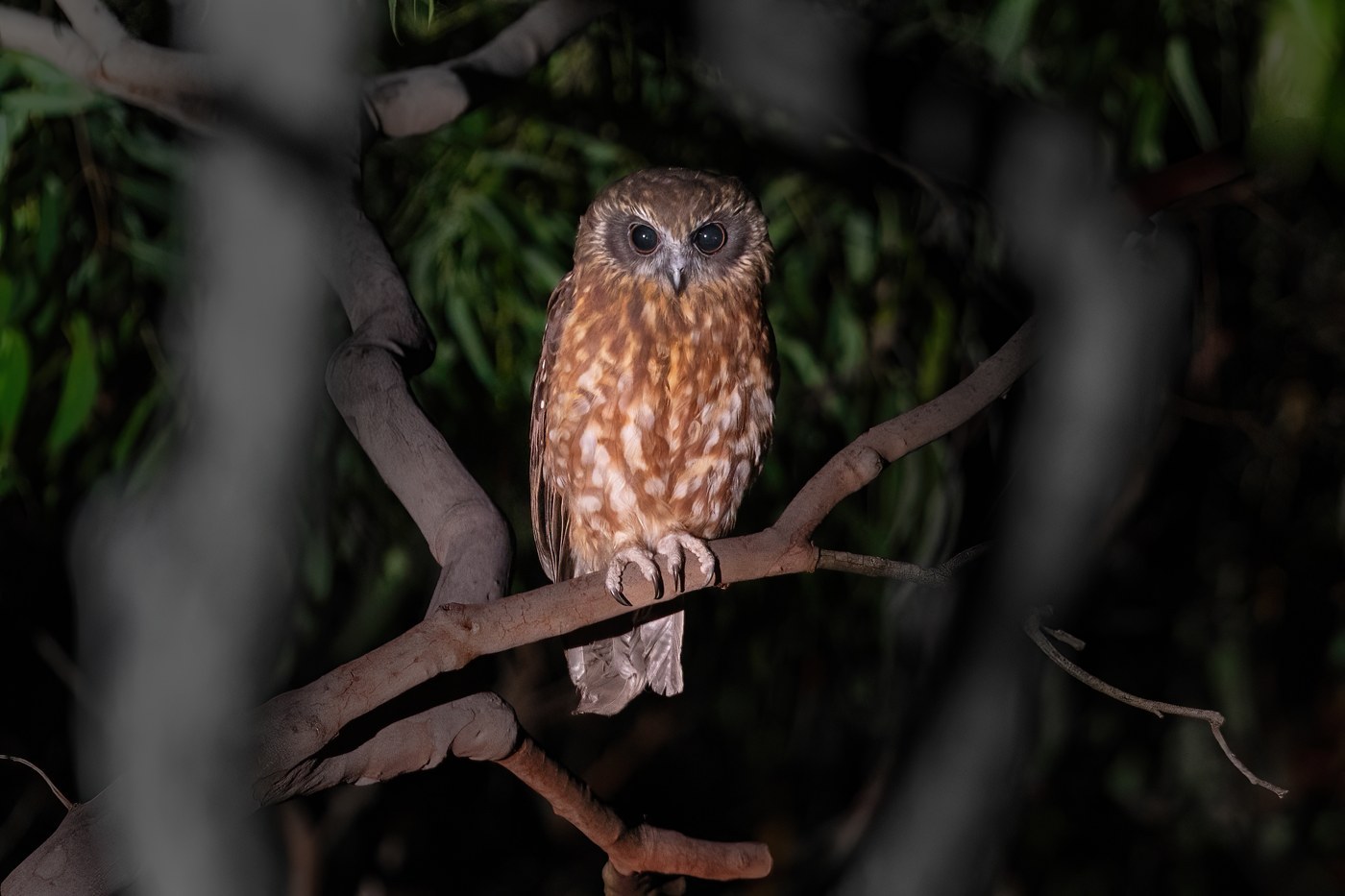
Southern Boobook
Rounded flight feathers; banded tail; spotted body plumage

Sooty Owl
Broad soft-edged flight feathers; heart-shaped facial disc feathers; finely speckled body plumage

Short-eared Owl
Broad soft-fringed flight feathers; streaked body feathers; tiny, rarely visible ear tufts

Stygian Owl
Dark, mottled flight and body feathers with long, closely-set ear tufts
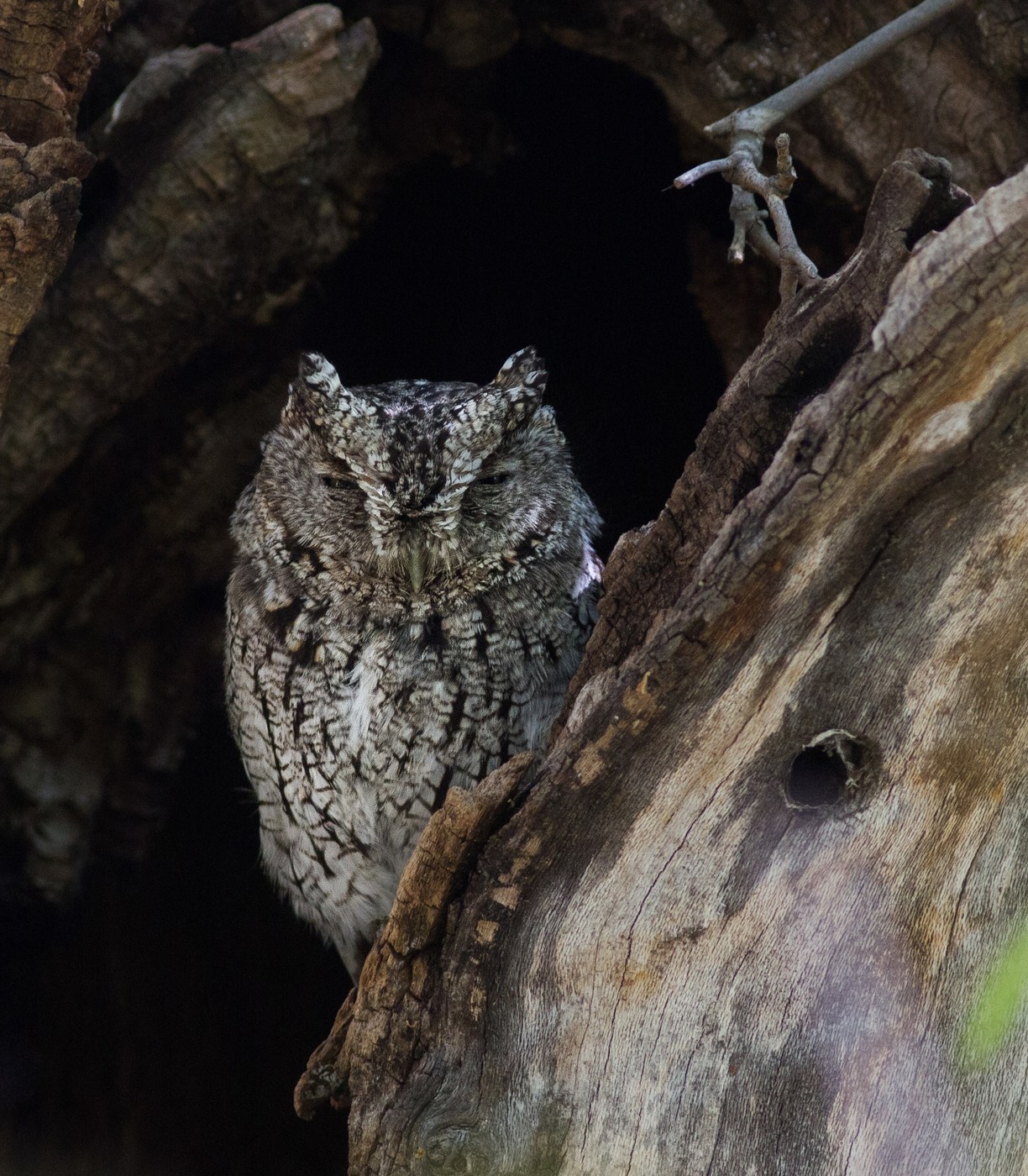
Whiskered Screech-Owl
Small soft-fringed flight feathers; finely mottled body feathers; short ear tufts
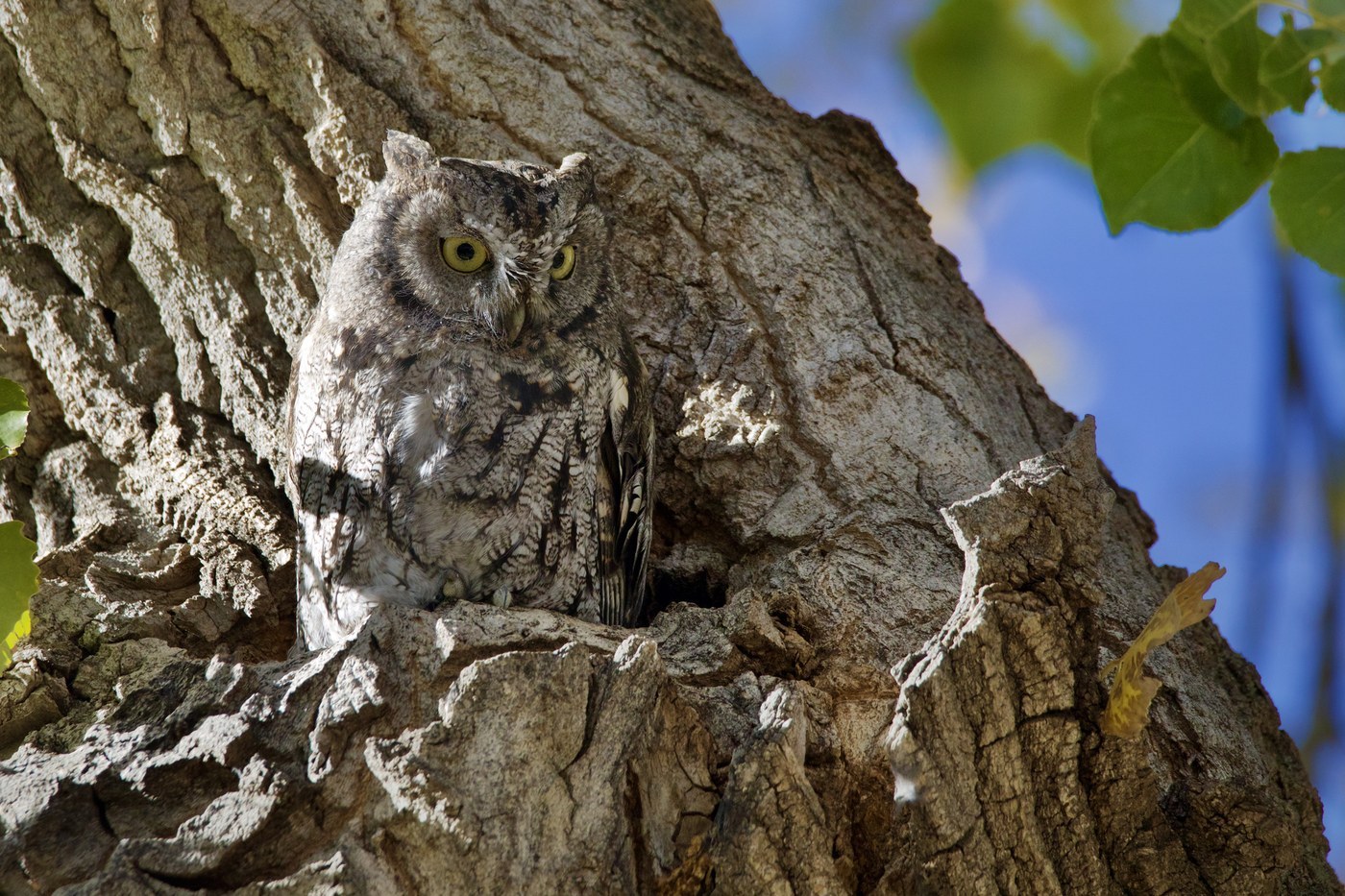
Western Screech-Owl
Small soft-fringed flight feathers; cryptic mottled/streaked body feathers; short ear tufts

White-faced Scops Owl
Small to medium flight feathers with a distinctive whitish facial disc and long ear-tuft plumes