
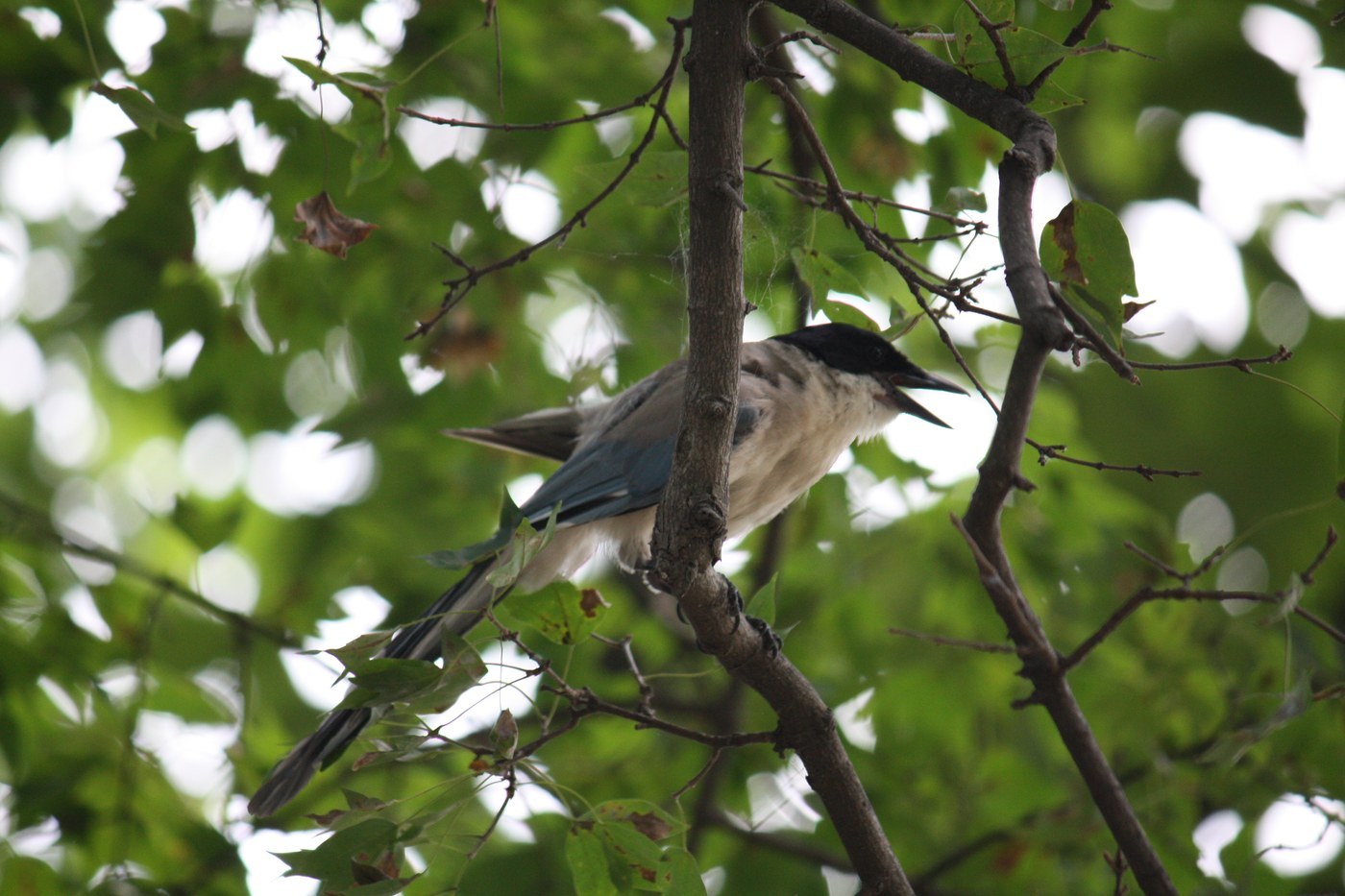
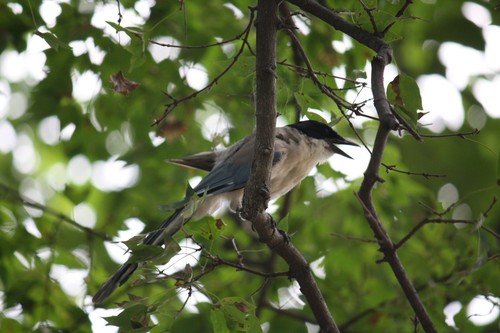
Azure-winged Magpie
Cyanopica cyanus
A slender, pastel-toned corvid with a black cap and soft blue wings and tail, common in flocks across East Asian woodland and parkland.
- Feather type
- Contour, wing, and tail feathers
- Colours
- Soft grey body, black cap, pale throat, and azure-blue wings and tail
- Bird size
- Dove- to jay-sized with a long tail, ~33-40 cm including tail
Found a feather like this?
Identify any feather from a photo, free.
Overview
The Azure-winged Magpie is a delicately colored corvid found across much of East Asia, including China, Korea, Japan, and neighboring regions. Its soft grey body combined with contrasting azure-blue wings and a long blue tail give it a distinctive, almost pastel appearance compared to the bold black-and-white pattern of true magpies.
Highly social, it typically travels in flocks through open woodland and parks, staying in loose contact with soft calls as it moves.
Identifying the Feather
- Body contour feathers are soft pale grey, providing a muted background that contrasts with the brighter wing and tail feathers
- The crown and nape feathers form a solid black cap, sharply defined against the pale grey back and pale throat
- Wing feathers are a distinctive azure to sky blue, a color unusual among corvids and a strong identifying trait for this species
- Tail feathers are long and graduated, azure blue with a faint white tip on the outer feathers
Plumage & Molt
Sexes look alike, with no strong plumage difference between males and females. Juveniles show a duller, more brownish-grey body and a less crisply defined black cap that sharpens with maturity. A single complete molt follows the breeding season each year.
Habitat & Range
- Found across much of East Asia, including China, the Korean Peninsula, Japan, and parts of Mongolia and the Russian Far East
- Inhabits open woodland, farmland edges, and parks, often near human settlement
- Largely resident, though some populations shift locally outside the breeding season
Behavior & Field Notes
Azure-winged Magpies are highly social, moving in flocks and often breeding cooperatively, with related birds helping to raise young at shared nest sites. Diet includes insects, seeds, fruit, and small animals, gathered both on the ground and in trees. Calls are soft, chattering notes exchanged within the flock, and nests are cup-shaped structures built in trees, often in loose colonies.
Frequently asked questions
What is the easiest way to recognize this species' feathers?
The combination of soft pale grey body feathers with distinctly azure-blue wing and tail feathers is unlike most other corvids and is the clearest identifying trait.
How can I tell the cap feathers from the body feathers?
Cap feathers are solid black and form a sharply defined hood over the crown and nape, contrasting cleanly with the pale grey feathers of the back and pale throat.
Is this the same species as the Iberian Magpie found in Spain?
No, the two were once considered the same species but are now treated separately; they look very similar but occupy entirely separate, widely disjunct ranges in Asia and Iberia.
Where would I most likely encounter this species?
Across East Asia, including China, Korea, Japan, and parts of Mongolia and the Russian Far East, typically in open woodland, farmland edges, and parks.
Azure-winged Magpie guides
In-depth guides for identifying and understanding Azure-winged Magpie.
Other feathers you may enjoy

Yellow-billed Magpie
Contour, wing, and tail feathers

White-throated Magpie-Jay
Contour, wing, and tail feathers

White-necked Crow
Contour and flight feathers

Slender-billed Crow
Contour and flight feathers

Sinaloa Crow
Contour and flight feathers

Siberian Jay
Contour, wing, and tail feathers

Yellow-billed Blue Magpie
Contour, wing, and tail feathers
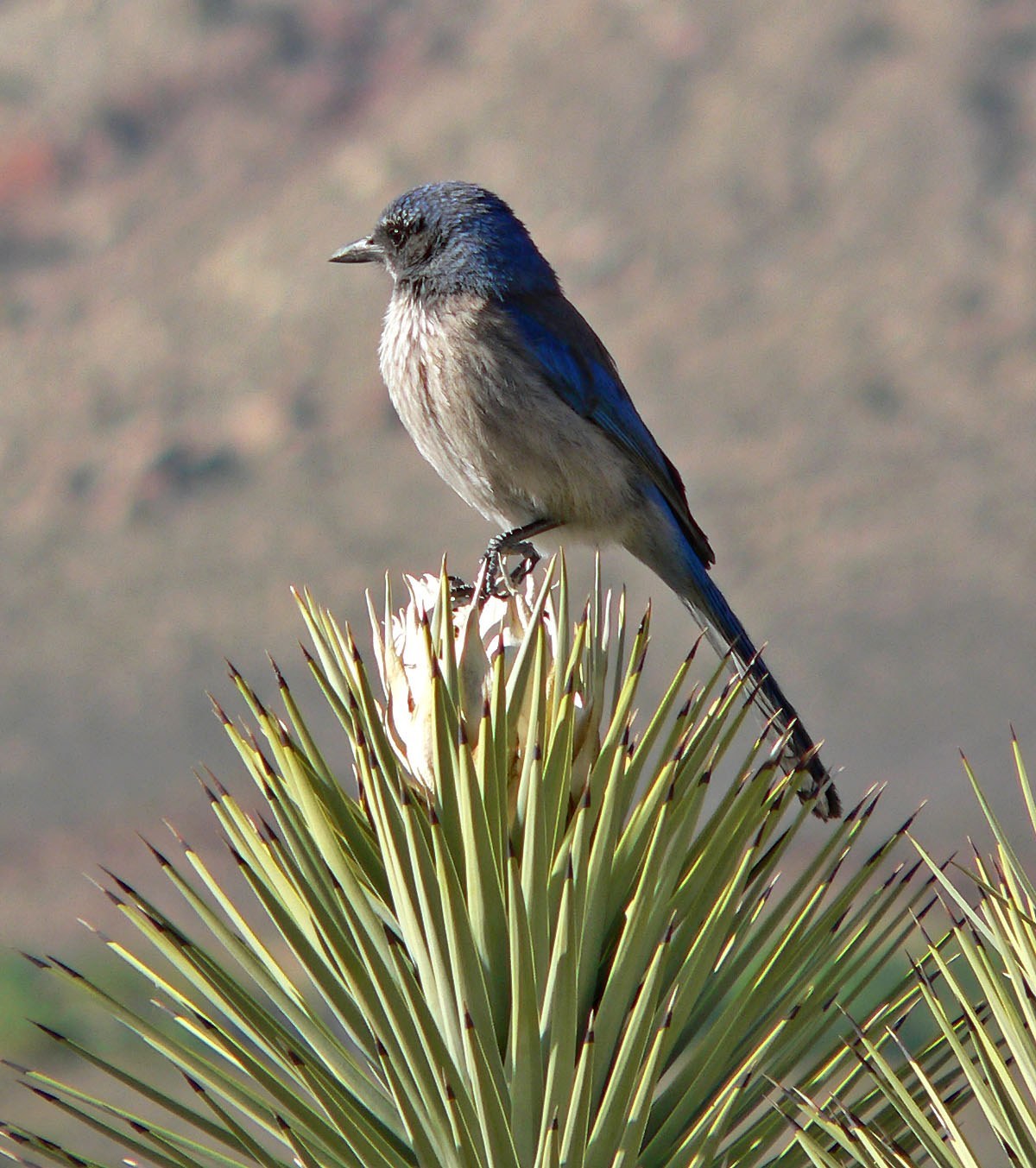
Woodhouse's Scrub-Jay
Contour and flight feathers
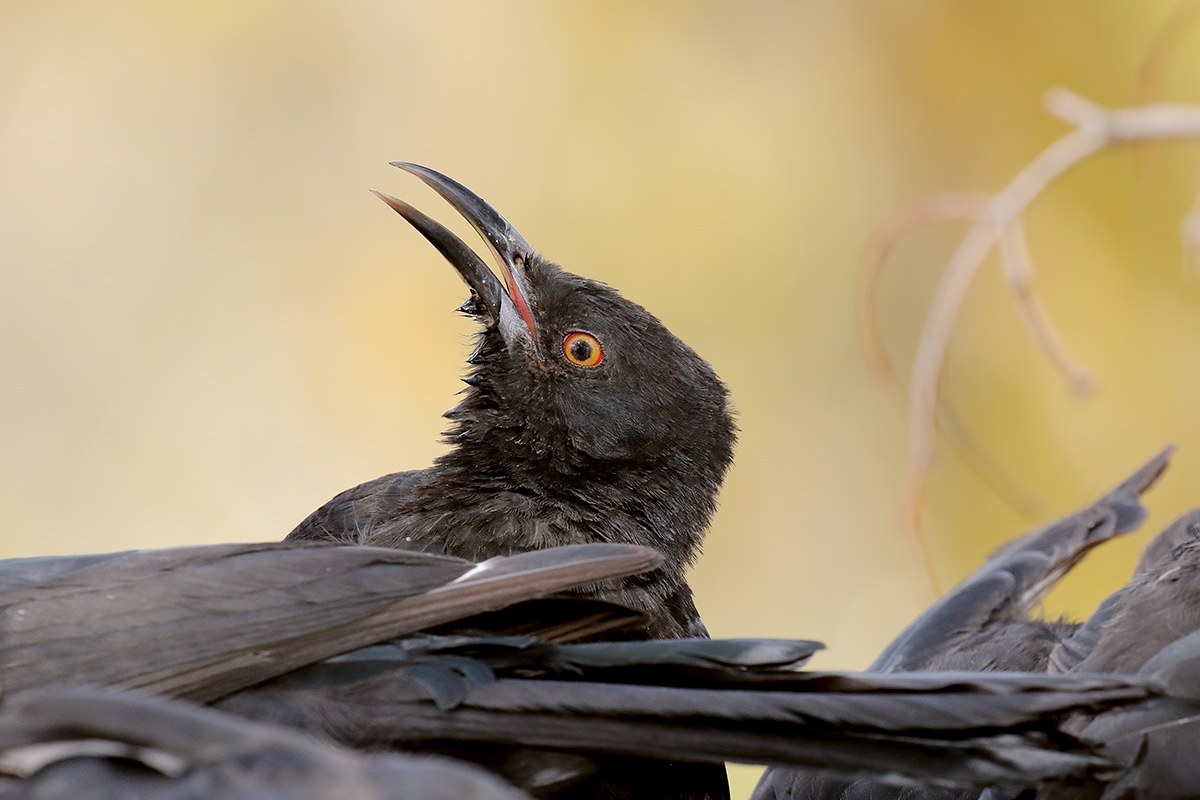
White-winged Chough
Contour and flight feathers

Rufous Treepie
Long, graduated tail feathers; loose body contour feathers

Thick-billed Raven
Contour and flight feathers
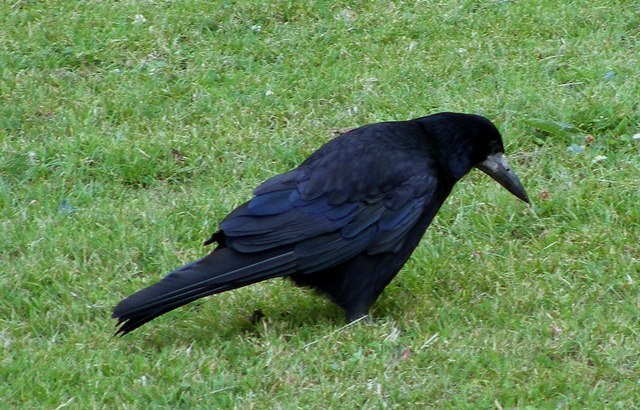
Rook
Glossy purple-black flight and body feathers; loose, shaggy thigh (leg) feathers