

American Barn Owl
Tyto furcata
A pale, heart-faced owl of open farmland and grassland, instantly recognizable by its golden and grey speckled upperparts, ghostly white underside, and exceptionally soft, silent-flight feathers.
- Feather type
- Fringed silent-flight feathers; heart-shaped facial disc feathers
- Colours
- Golden-buff and grey above with fine vermiculations; white to buff below with small dark speckles
- Bird size
- Medium, ~33-40 cm
Found a feather like this?
Identify any feather from a photo, free.
Overview
The American Barn Owl is a widespread nocturnal hunter of open country, closely associated with farmland, grassland, and human structures such as barns, silos, and church towers where it often roosts and nests.
Its most distinctive feature is a heart-shaped white facial disc, framing dark eyes, paired with golden-buff, finely patterned upperparts and pale, often unmarked underparts.
Its feathers are exceptionally soft and finely fringed, among the most effective silent-flight adaptations of any owl, allowing it to hunt small mammals by sound alone in complete darkness.
Identifying the Feather
Recognizing the feathers
- Upperside body feathers show a golden-buff to orange ground finely mottled with grey and marked with small white or pale spots.
- Underside feathers are white to pale buff, generally with sparse small dark speckling rather than bold barring.
- Facial disc feathers are stiff, curved, and pure white to pale buff, forming the owl's signature heart shape.
- Flight feathers have exceptionally soft, comb-like fringed leading edges and downy trailing edges, giving a distinctly plush texture even compared to other owls.
Similar species
- The golden-buff, finely speckled upperparts and pale, largely unbarred underparts readily separate this species from Strix or Bubo owls, which show bolder barring or streaking rather than fine speckling.
Plumage & Molt
Plumage
Adults have golden-buff to tawny upperparts finely vermiculated with grey and dotted with small white spots, and white to buff underparts with scattered small dark speckles. Some individuals are notably paler or more richly colored, with darker morphs more common in humid regions.
Sexes look similar, though females often show slightly darker, more heavily speckled underparts. Juveniles resemble adults fairly quickly after fledging.
Molt occurs over an extended period, generally in warmer months, with feathers replaced gradually to maintain flight ability.
Habitat & Range
Habitat & range
Found across much of the Americas, from the southern United States through Central America, the Caribbean, and much of South America, in open farmland, grassland, marsh edges, and areas with human structures for roosting and nesting.
Most populations are resident, though northern populations may shift short distances in response to severe winter weather.
Behavior & Field Notes
Behavior & field notes
Hunts almost entirely by sound, using its asymmetrical ear openings hidden beneath the facial disc to pinpoint small mammals moving in grass, even in total darkness.
Its call is not a hoot but a harsh, rasping screech, often given in flight near nesting or roosting sites such as barns and silos.
A golden-buff, finely speckled body feather with a soft, plush texture, or a pure white heart-shaped facial disc feather, found near farm buildings or open grassland, is a strong indicator of this species.
Frequently asked questions
Why do Barn Owl feathers feel unusually soft?
Their fringed, downy structure is adapted for silent flight, letting the owl hunt by sound without alerting prey.
How can I tell a Barn Owl feather from other owls?
The golden-buff, finely speckled upperside and pale, largely unbarred underside are distinctive compared to the bolder barring of many other owls.
Does this owl hoot like a Great Horned Owl?
No, its call is a harsh screech rather than a hoot.
Where are Barn Owl feathers commonly found?
Near farm buildings, silos, and open grassland or agricultural fields where the species commonly roosts and hunts.
American Barn Owl guides
In-depth guides for identifying and understanding American Barn Owl.

American Barn Owl identified by the community
Real feathers identified with Feather Identifier.


Other feathers you may enjoy

Tawny Owl
Wing (flight) and body (contour) feathers
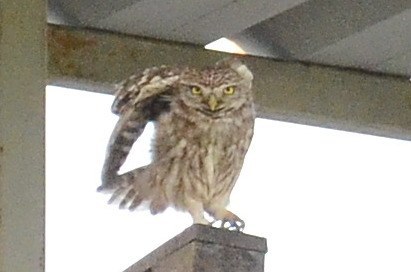
Little Owl
Wing and body feathers

Balsas Screech-Owl
Small ear-tuft feathers; soft, finely vermiculated body feathers

Blakiston's Fish Owl
Massive flight feathers with looser structure; shaggy body plumage; prominent ear-tuft feathers

Barn Owl
Wing and facial-disc feathers
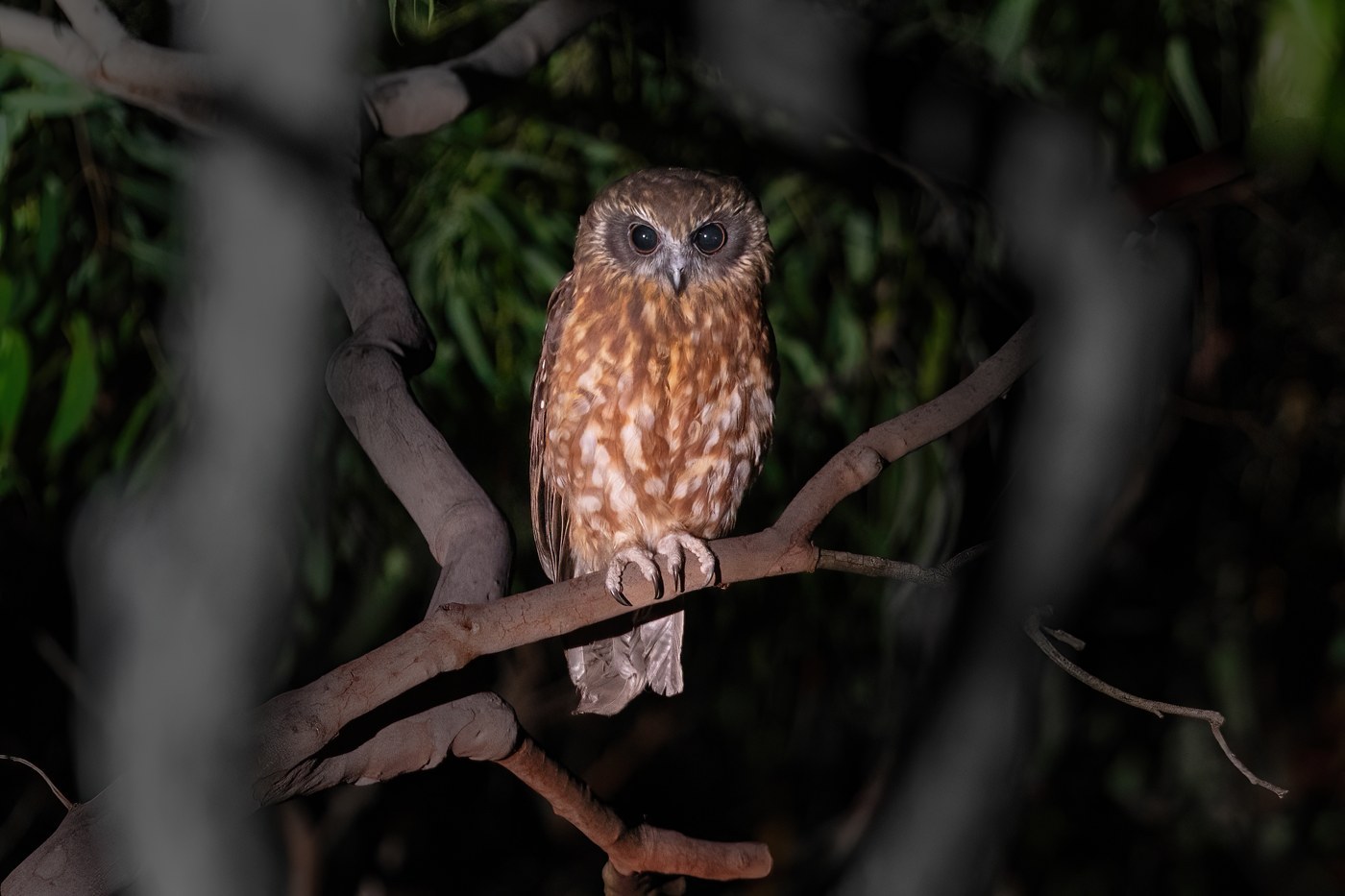
Southern Boobook
Rounded flight feathers; banded tail; spotted body plumage

Sooty Owl
Broad soft-edged flight feathers; heart-shaped facial disc feathers; finely speckled body plumage

Short-eared Owl
Broad soft-fringed flight feathers; streaked body feathers; tiny, rarely visible ear tufts

Stygian Owl
Dark, mottled flight and body feathers with long, closely-set ear tufts
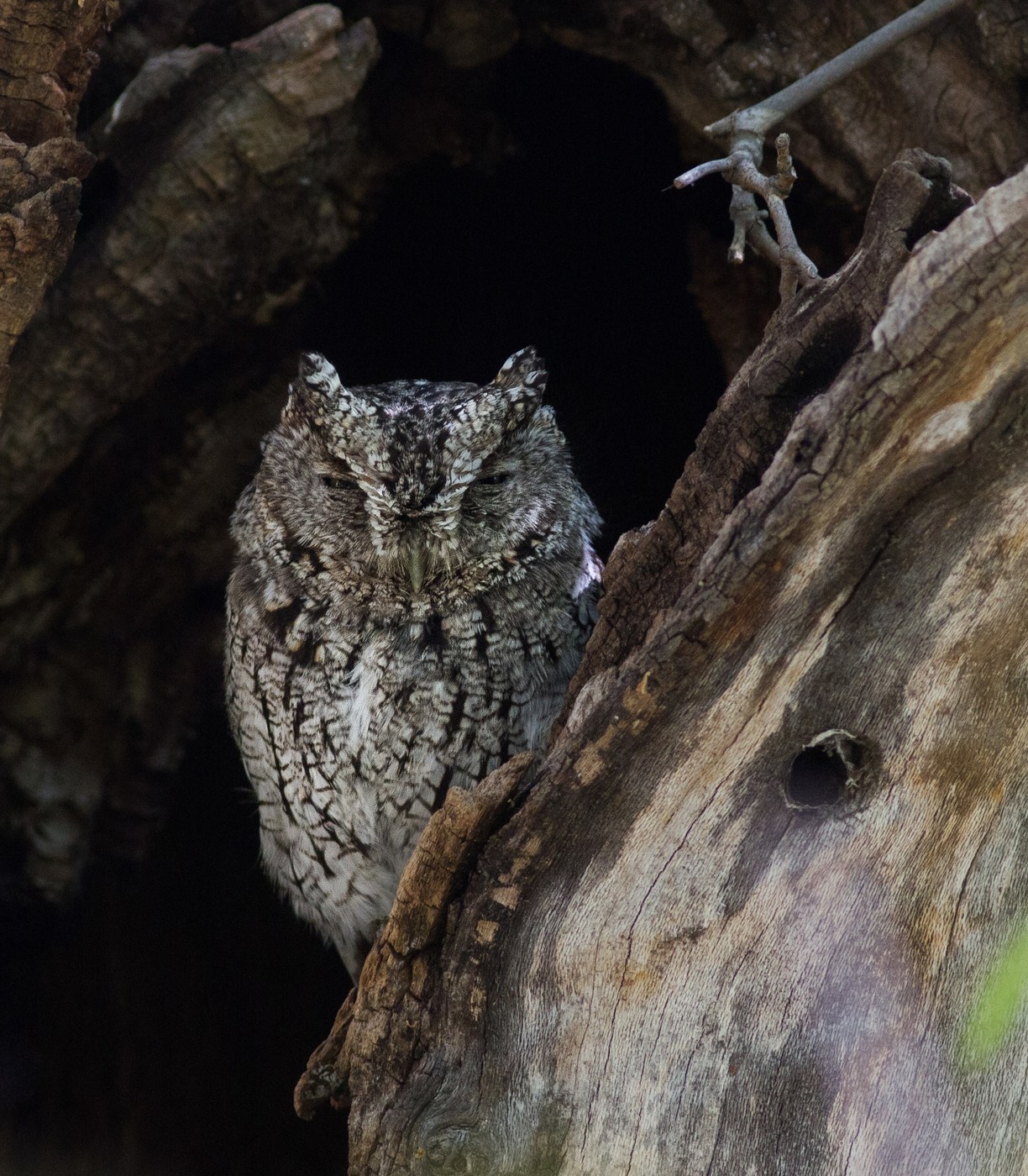
Whiskered Screech-Owl
Small soft-fringed flight feathers; finely mottled body feathers; short ear tufts
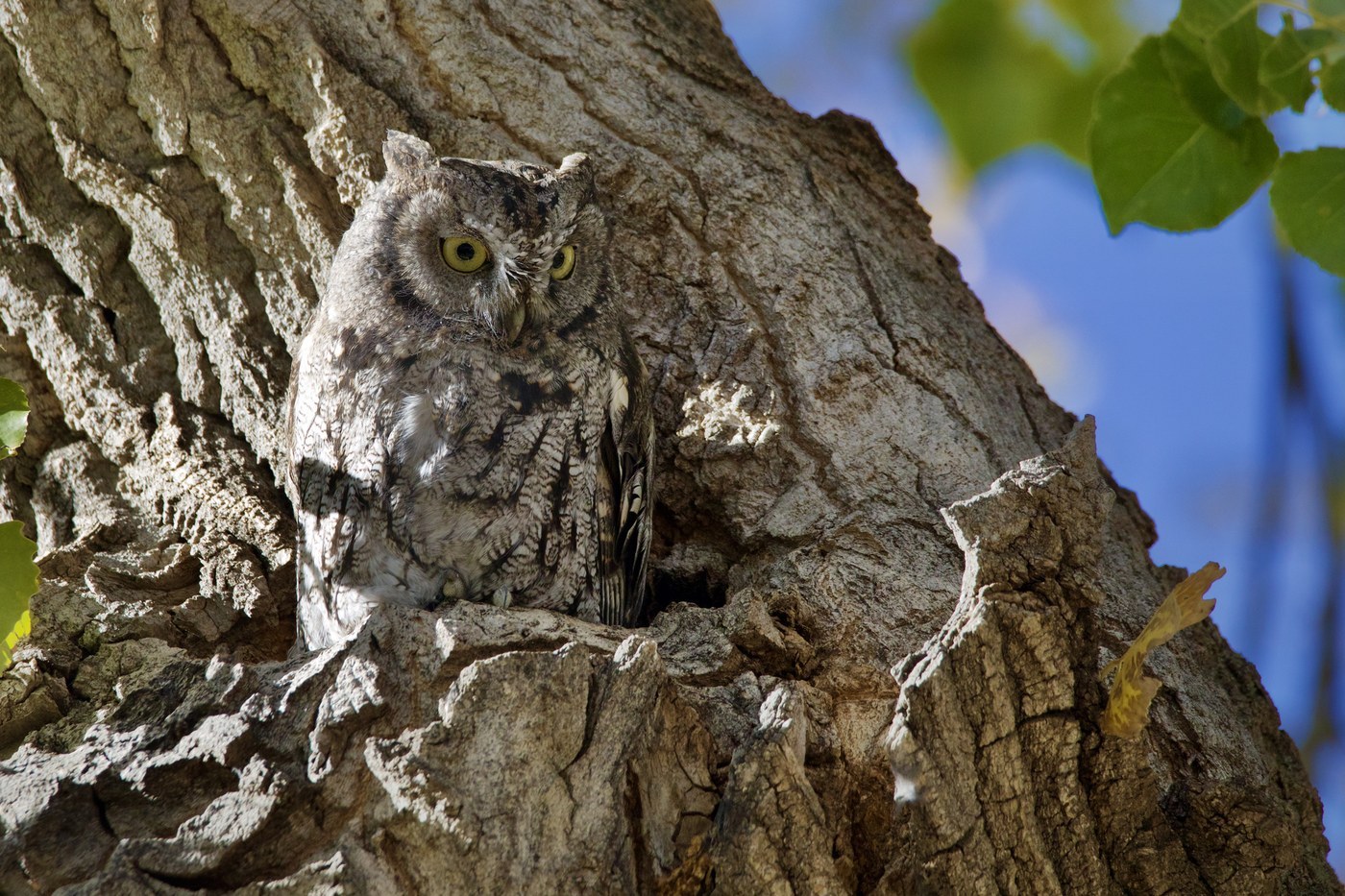
Western Screech-Owl
Small soft-fringed flight feathers; cryptic mottled/streaked body feathers; short ear tufts

White-faced Scops Owl
Small to medium flight feathers with a distinctive whitish facial disc and long ear-tuft plumes