

African Wood Owl
Strix woodfordii
A medium-sized African forest owl without ear tufts, dark brown with white spotting above and boldly barred brown and white below, well known for its distinctive laughing duet call.
- Feather type
- Broad rounded flight feathers; barred body plumage; no ear tufts
- Colours
- Dark brown with white spotting above; brown-and-white barred underparts
- Bird size
- Medium, ~30-36 cm
Found a feather like this?
Identify any feather from a photo, free.
Overview
The African Wood Owl is a widespread owl of forest and woodland across much of sub-Saharan Africa, closely related to the wood owls of the Neotropics and Eurasia within the genus Strix. Like its relatives, it lacks ear tufts and has a rounded head with large dark eyes.
Its dark brown plumage, marked with white spotting above and bold brown-and-white barring below, provides effective camouflage while roosting in dense forest canopy during the day. It is more frequently heard than seen, known for a distinctive laughing or chuckling duet call given by paired birds, often at dusk.
It occupies a broad range of wooded habitats from lowland rainforest to riverine woodland and forest patches, making it one of the more widely distributed forest owls on the African continent.
Identifying the Feather
Size and shape
Medium feathers from a bird 30-36 cm long, with broad, rounded flight feathers and no ear-tuft feathers, typical of Strix wood owls.
Color and pattern
- Upperparts are dark brown, marked with white spotting on the crown, back, and wing coverts.
- Underparts show bold brown-and-white barring, more strongly patterned than the streaked underparts of some related species.
- Facial disc feathers are pale brownish with a darker rim.
- Shafts are dark brown.
Distinguishing from similar species
Compared to the Spotted Eagle-Owl, which shares part of its range, African Wood Owl feathers lack any ear-tuft feathers and show bolder, more regular brown-and-white barring below rather than the coarser blotching typical of eagle-owl underparts.
Plumage & Molt
Adults are dark brown above with white spotting, and boldly barred brown and white below. Sexes look alike. Juveniles are paler and downier with less defined barring. Molt follows breeding on an annual cycle.
Habitat & Range
This species is found across much of sub-Saharan Africa, from lowland rainforest to riverine woodland, forest patches, and wooded suburban gardens. It is resident, with pairs holding stable territories in wooded habitat year-round.
Behavior & Field Notes
African Wood Owls hunt insects, small mammals, and other small vertebrates at night from perches within forest or woodland. They are best known for a distinctive laughing or chuckling duet call given by paired birds, often at dusk, which carries well through forest. Nests are placed in tree cavities. When identifying a feather, look for dark brown, white-spotted upperparts and bold brown-and-white barred underparts, with no ear-tuft feathers present, distinguishing it from African eagle-owls sharing similar habitat.
Frequently asked questions
Does the African Wood Owl have ear tufts?
No, like other members of the genus Strix, it lacks ear tufts, giving it a rounded head profile distinct from African eagle-owls.
What is this owl best known for?
It is best known for its distinctive laughing or chuckling duet call, often given by paired birds at dusk and carrying well through forest habitat.
How can I tell this species' feathers from an eagle-owl's?
African Wood Owl feathers show bold, regular brown-and-white barring below and lack any ear-tuft feathers, while African eagle-owls show coarser blotching and have prominent ear tufts.
Where is the African Wood Owl found?
It occurs widely across sub-Saharan Africa in lowland rainforest, riverine woodland, forest patches, and wooded gardens.
African Wood Owl guides
In-depth guides for identifying and understanding African Wood Owl.

Other feathers you may enjoy

Tawny Owl
Wing (flight) and body (contour) feathers
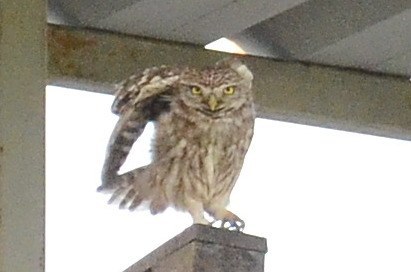
Little Owl
Wing and body feathers

Balsas Screech-Owl
Small ear-tuft feathers; soft, finely vermiculated body feathers

Blakiston's Fish Owl
Massive flight feathers with looser structure; shaggy body plumage; prominent ear-tuft feathers

Barn Owl
Wing and facial-disc feathers
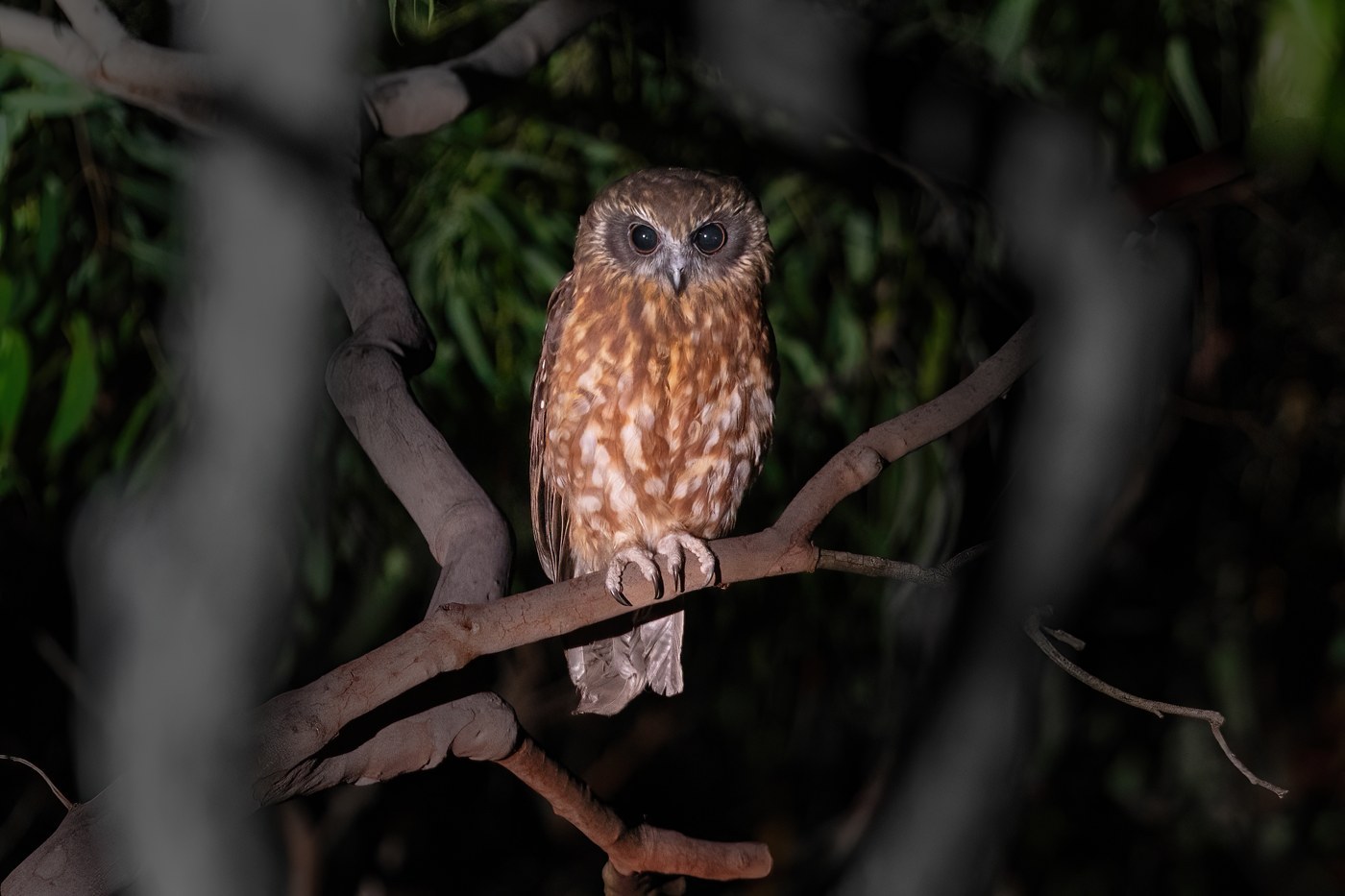
Southern Boobook
Rounded flight feathers; banded tail; spotted body plumage

Sooty Owl
Broad soft-edged flight feathers; heart-shaped facial disc feathers; finely speckled body plumage

Short-eared Owl
Broad soft-fringed flight feathers; streaked body feathers; tiny, rarely visible ear tufts

Stygian Owl
Dark, mottled flight and body feathers with long, closely-set ear tufts
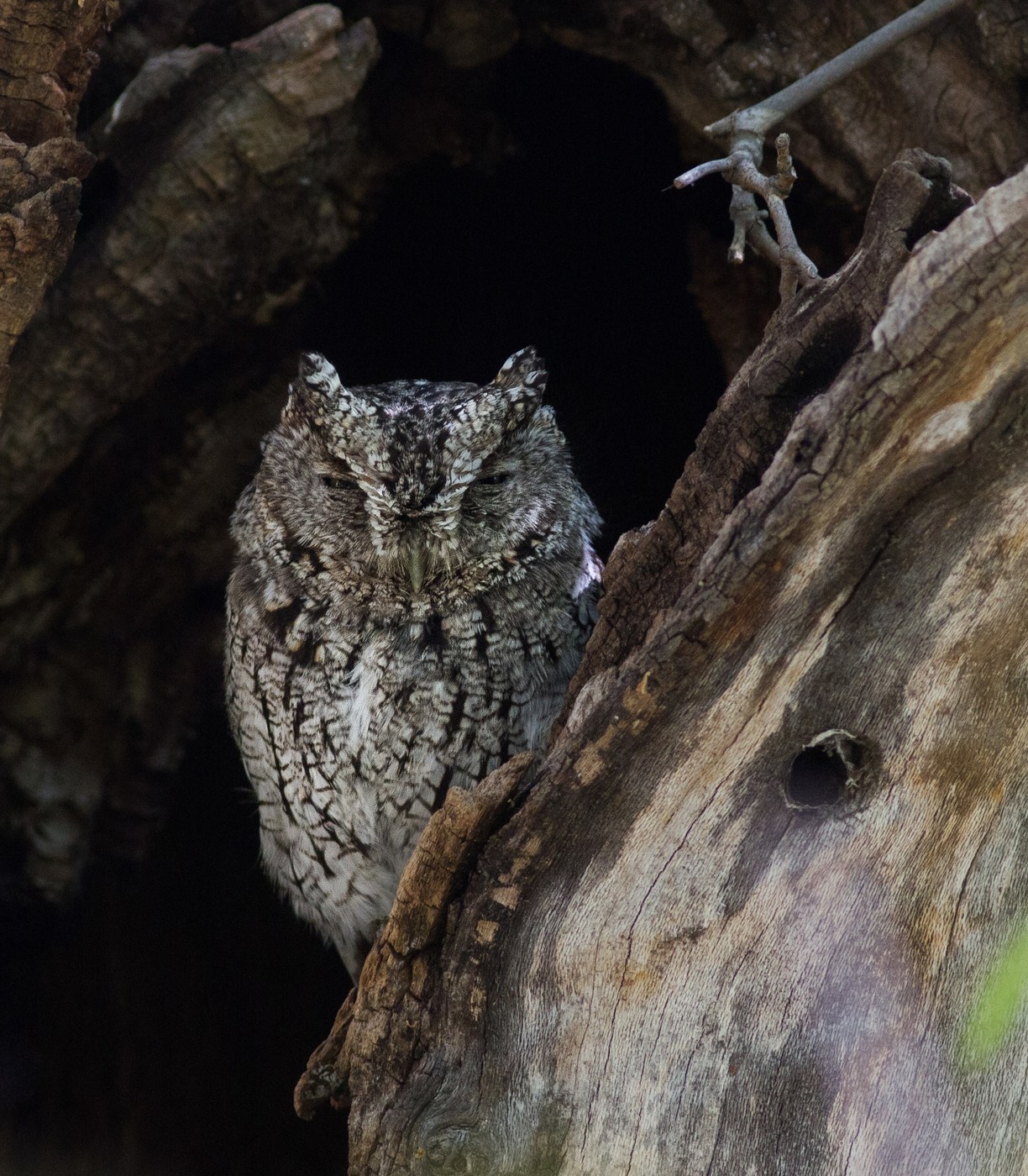
Whiskered Screech-Owl
Small soft-fringed flight feathers; finely mottled body feathers; short ear tufts
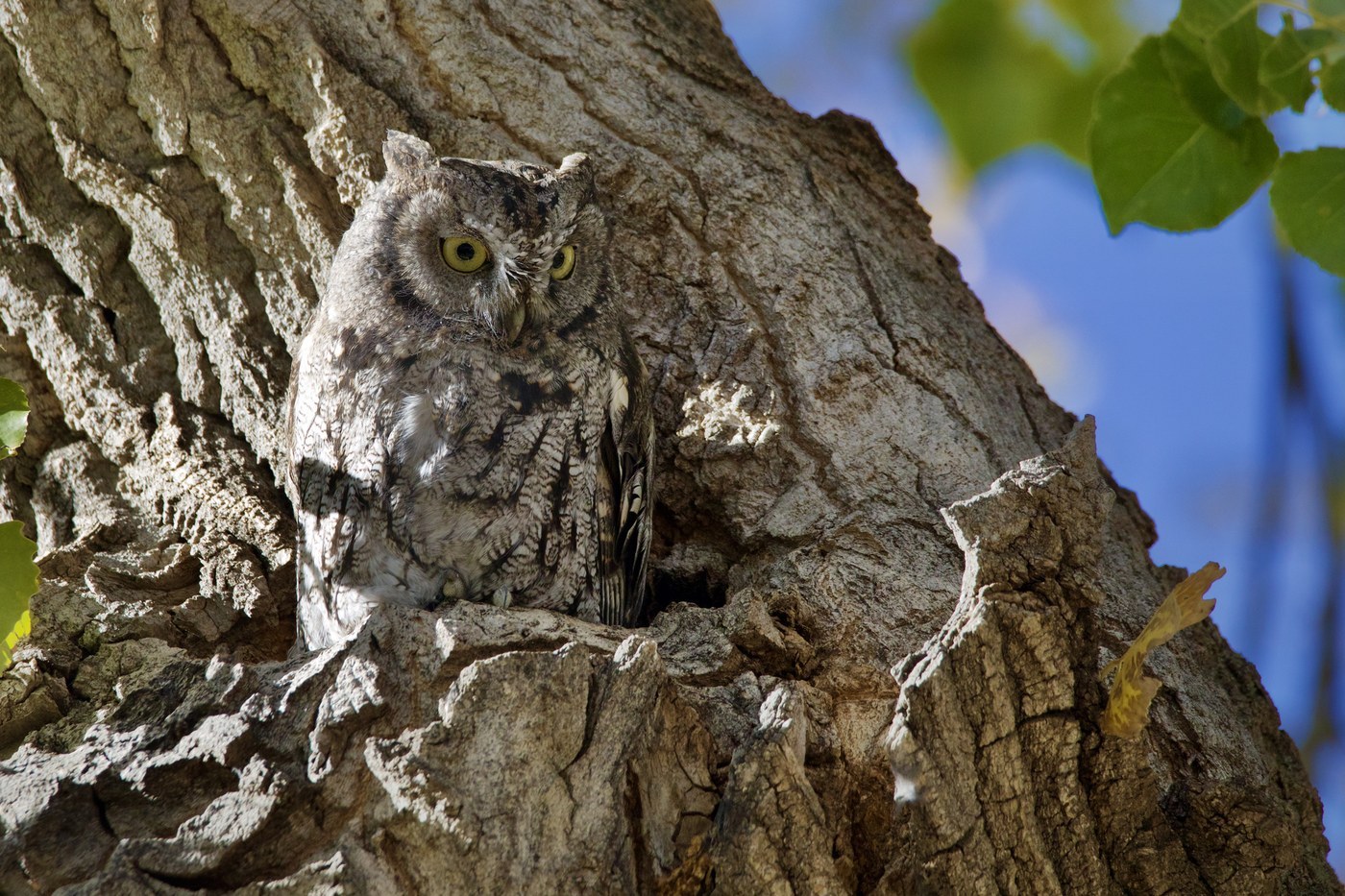
Western Screech-Owl
Small soft-fringed flight feathers; cryptic mottled/streaked body feathers; short ear tufts

White-faced Scops Owl
Small to medium flight feathers with a distinctive whitish facial disc and long ear-tuft plumes