
Feather & Bird Encyclopedia
Search and identify feathers by species — with feather type, plumage, colours, size, habitat, and how to tell them apart in the field.

Tropical Parula
A tiny blue-gray and yellow warbler of the far southern U.S. and Latin America, easily told from its northern cousin by its unbroken olive back patch and lack of white eye crescents.
songbird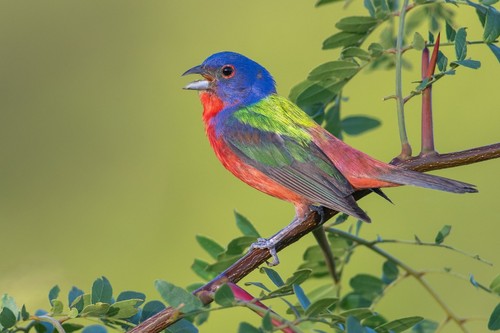

Painted Bunting
Often called the most colorful songbird in North America, the male Painted Bunting shows a blue head, red underparts, and green back all on the same bird, while females are a uniform bright green.
songbird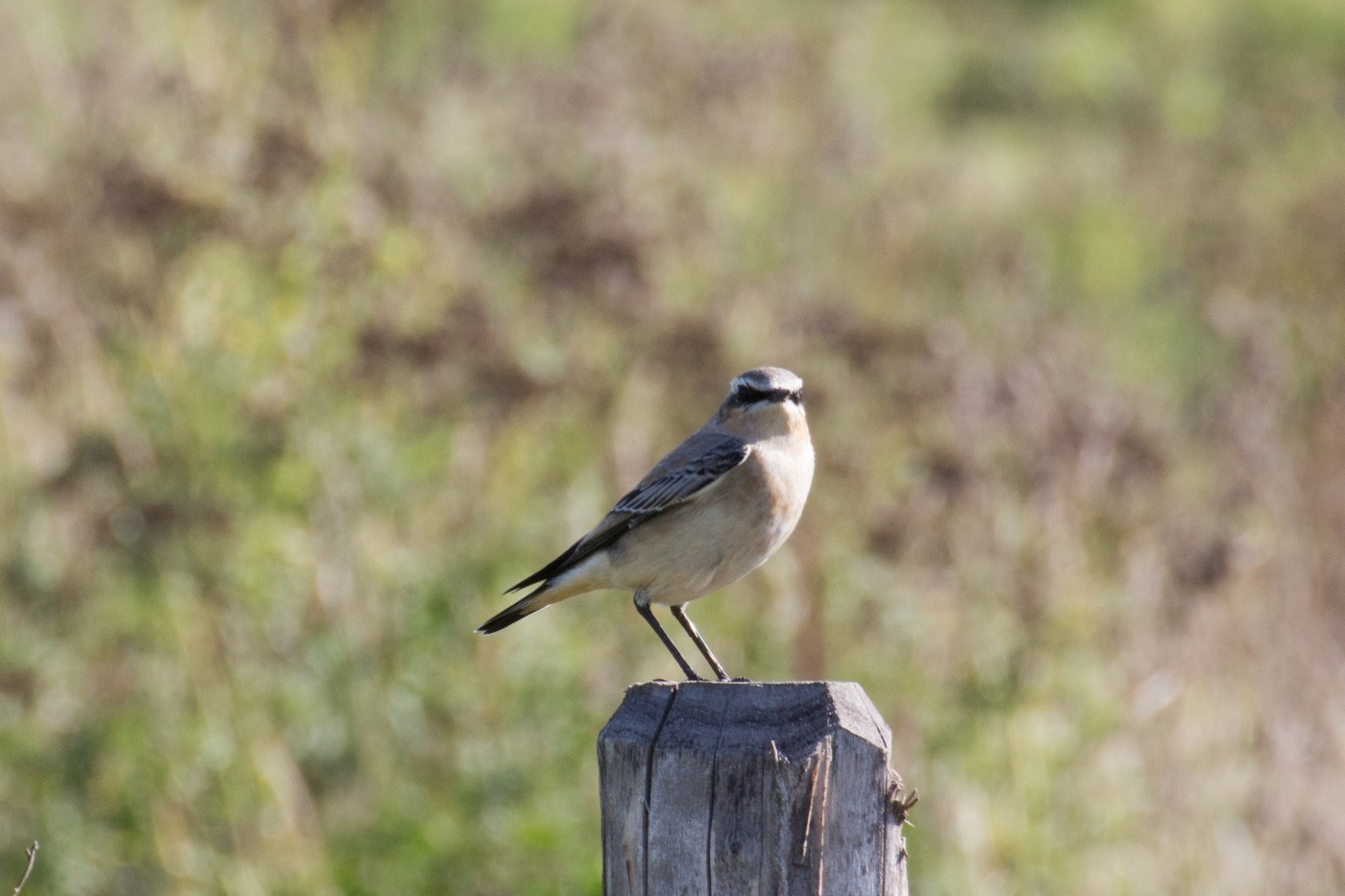
Northern Wheatear
The Northern Wheatear is an open-country songbird best known for its bold white rump and black-and-white tail pattern, flashed conspicuously in flight above blue-grey or buff-brown body plumage.
songbird
Marvelous Spatuletail
An extremely rare Peruvian hummingbird whose male carries just four tail feathers, two of them reduced to long bare wires tipped with glossy violet-blue paddles that cross during display.
hummingbird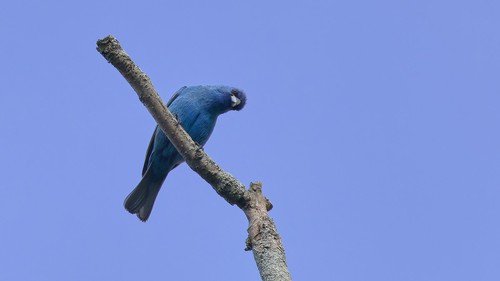

Indigo Bunting
A small eastern songbird whose breeding males appear an intense, uniform iridescent blue with no other markings, while females are entirely plain brown, making feathers of the two sexes look like different species.
songbird
Dwarf Cassowary
The smallest of the three cassowary species, this flightless New Guinea rainforest bird has coarse, hair-like black plumage and blue bare skin on the face and neck. It lacks the throat wattles of its larger relatives and has a low, modest casque.
other
King of Saxony Bird-of-paradise
The King of Saxony Bird-of-paradise is instantly recognizable for the male's two extraordinarily long head plumes, lined with small flag-like pennants of a pale, enamel-like blue. It lives in the montane forests of the New Guinea highlands.
songbird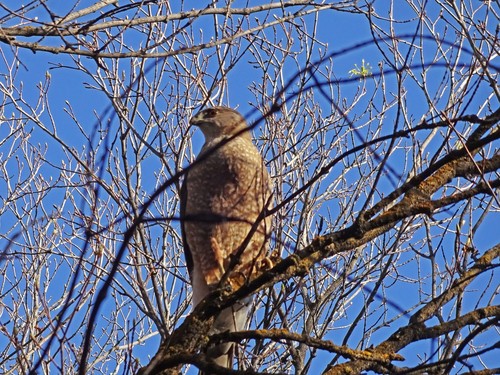

Cooper's Hawk
Cooper's Hawk is a woodland accipiter with short rounded wings and a long, broadly banded tail, adult plumage showing blue-grey upperparts and fine rufous barring below, well suited to fast pursuit through trees.
raptor
Wilson's Bird-of-paradise
Wilson's Bird-of-paradise is a small, intensely colorful species with a red back, yellow nape, an iridescent green breast shield, and a bare, patterned blue crown. It is restricted to a couple of small Indonesian islands where males display and clear small ground courts.
songbird

Crested Argus
A secretive forest pheasant renowned for the male's extraordinarily long tail feathers, among the longest of any bird, patterned with rows of pale eyespots. A tall, erectile crest and bare blue facial skin round out its distinctive appearance.
gamebird
Superb Bird-of-paradise
The Superb Bird-of-paradise appears almost entirely black at rest, but the male can erect an oval nape cape and a shimmering blue-green breast shield into a striking, wide silhouette during courtship display. It is found in the montane forests of New Guinea.
songbird
Northern Cassowary
A very large, flightless rainforest bird of New Guinea, covered in coarse, hair-like black plumage that contrasts with vividly colored blue-and-red bare skin on the head and neck. A single throat wattle and a tall bony casque distinguish it from its relatives.
other
Abyssinian Ground Hornbill
The Abyssinian Ground Hornbill is a large, mostly terrestrial hornbill of Sub-Saharan African savanna north of the equator, similar in shape to its southern counterpart but distinguished by its bare blue facial and throat skin. It walks in small groups across open country hunting for prey.
other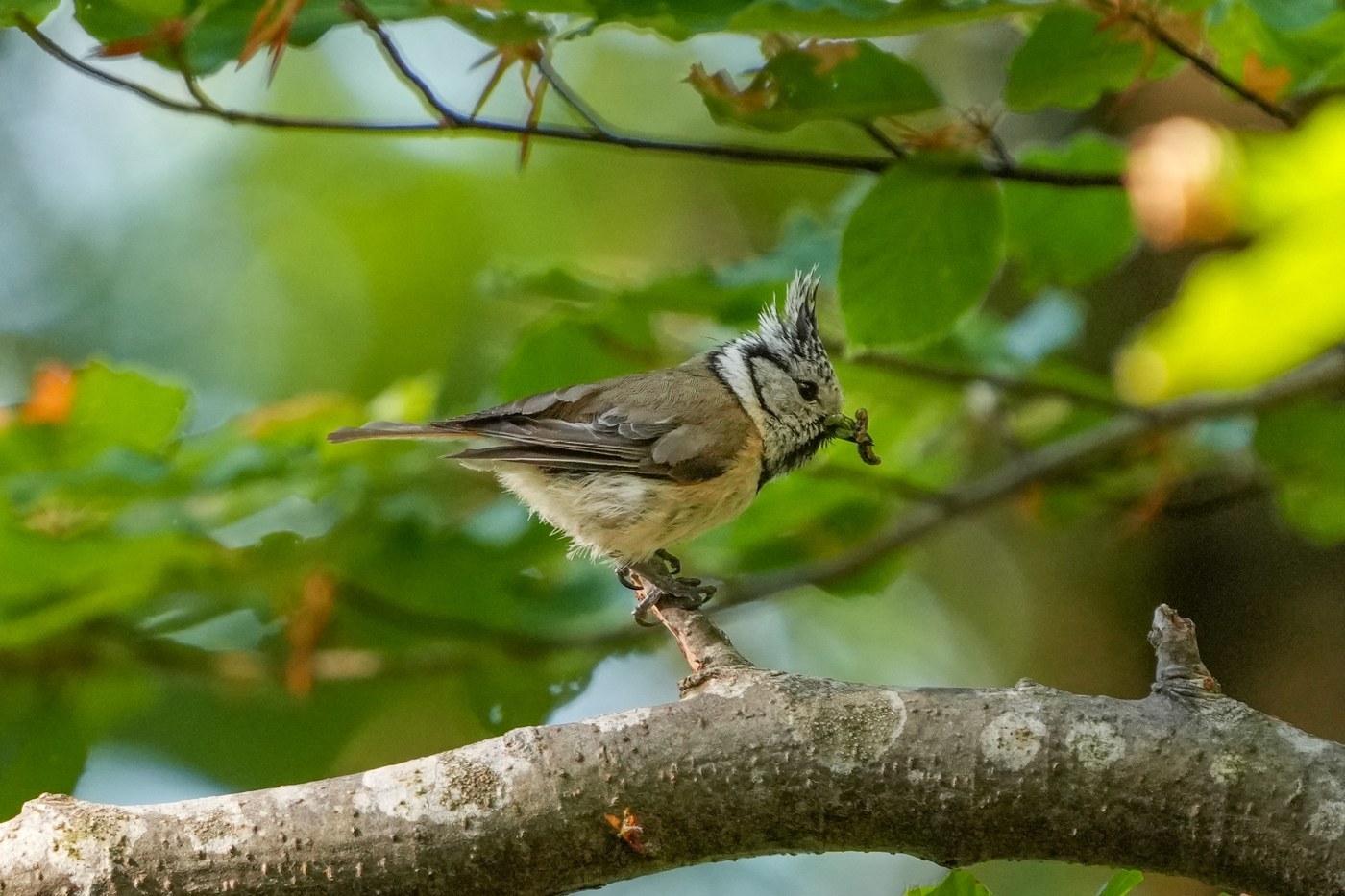
Crested Tit
The Crested Tit is a small European woodland bird easily recognized by its pointed, black-and-white speckled crest, a feature unique among the continent's tits.
songbird

Greater Scaup
A robust diving duck of open water, the Greater Scaup shows a glossy green-black head and finely vermiculated gray back that give it a clean, pale appearance from a distance.
waterfowl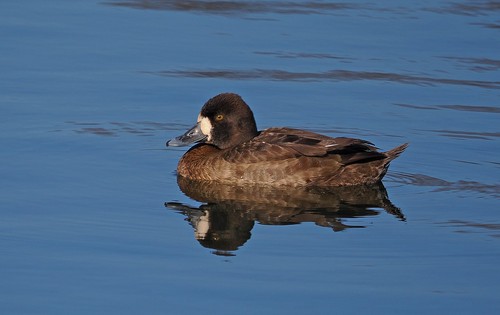

Lesser Scaup
The Lesser Scaup is a widespread diving duck with a peaked crown and subtle purple gloss on the male's head, most often found on inland lakes and reservoirs during migration and winter.
waterfowl