

King of Saxony Bird-of-paradise
Pteridophora alberti
The King of Saxony Bird-of-paradise is instantly recognizable for the male's two extraordinarily long head plumes, lined with small flag-like pennants of a pale, enamel-like blue. It lives in the montane forests of the New Guinea highlands.
- Feather type
- Elongated occipital head plumes, contour feathers
- Colours
- Brown-and-black body with a yellow underside and pale blue enamel-like head plumes
- Bird size
- Small, ~22 cm plus head plumes
Found a feather like this?
Identify any feather from a photo, free.
Overview
Overview
The King of Saxony Bird-of-paradise stands out even within its ornate family for a pair of head plumes far longer than the bird's own body, tipped along one edge with small rectangular flags. Aside from this feature, the body plumage is comparatively subdued, brown above and yellow below.
- Head plumes are proportionally among the longest feather ornaments of any bird
- Body plumage is relatively subdued compared to the head plumes
- Restricted to montane forest of the New Guinea highlands
Identifying the Feather
Feather Identification
The body is brownish-black above and bright yellow below, a relatively simple pattern compared to the male's head ornaments. The signature feathers are two enormously elongated occipital plumes, growing from just behind the eye, each lined along one edge with a row of small, flag-like blue-gray pennants that have a distinctive enamel-like sheen.
- Upperparts: brown to blackish
- Underparts: bright yellow
- Head plumes: two greatly elongated feathers with a row of small rectangular flags, pale blue-gray with a glossy, enamel-like appearance
- Shaft: the head plumes have a bare, wire-like shaft supporting the flag-like pennants
No other bird-of-paradise, or indeed few birds worldwide, show head plumes this elongated relative to body size, making them unmistakable if found.
Plumage & Molt
Plumage Notes
Adult males display the full brown, yellow, and elongated blue-flagged head plume combination described above, developed over several years. Females and immature males lack the head plumes entirely and show plain brownish plumage with barred underparts.
- Adult males: elongated head plumes plus brown-and-yellow body plumage
- Females and immatures: plain brown, barred plumage, no head plumes
- Head plume length and pennant number can increase with age
Habitat & Range
Habitat & Range
Found in montane rainforest of the central highlands of New Guinea, typically at higher elevations within cloud forest zones.
- Non-migratory resident of high-elevation montane forest
- Occupies forest edge and canopy gaps within cloud forest habitat
- Range is centered on the island's central highland cordillera
Behavior & Field Notes
Behavior & Field Notes
Males display from exposed perches, swinging their long head plumes forward and calling to attract females. Diet is mainly fruit supplemented with small animal prey.
- Voice: a buzzing, insect-like call, quite different from other birds-of-paradise
- Nesting: females build and tend nests without male involvement
- Field notes: the pair of extremely long, flag-tipped head plumes is unmistakable and found in no other highland bird-of-paradise
Frequently asked questions
What is the single clearest feather feature of this species?
Two enormously elongated head plumes lined with small, flag-like blue-gray pennants, far longer than the bird's own body.
What does the rest of the body look like?
Brownish upperparts and bright yellow underparts, a relatively simple pattern compared to the ornate head plumes.
Do females have head plumes too?
No, females lack the elongated head plumes entirely and show plain brown, barred plumage.
Where is this species found?
In montane rainforest of the central highlands of New Guinea, generally in cloud forest zones.
King of Saxony Bird-of-paradise guides
In-depth guides for identifying and understanding King of Saxony Bird-of-paradise.

Other feathers you may enjoy

Yellow-breasted Bunting
Contour and flight feathers, chestnut-and-yellow breeding pattern
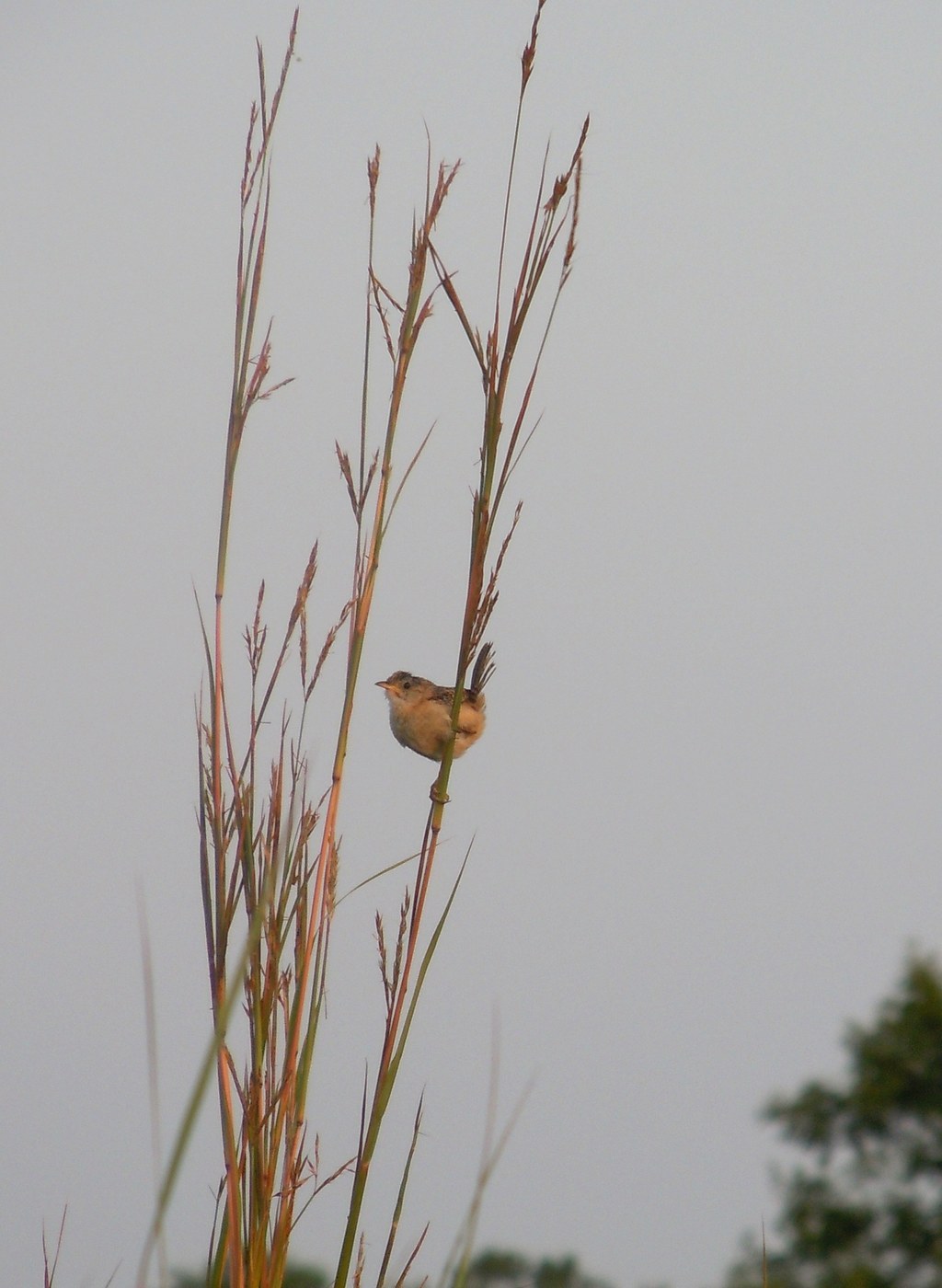
Sedge Wren
Tiny streaked crown and back feathers

Yellow-winged Cacique
Glossy black body feathers, yellow wing patch, shaggy crest

Yellow Warbler
Small contour and flight feathers
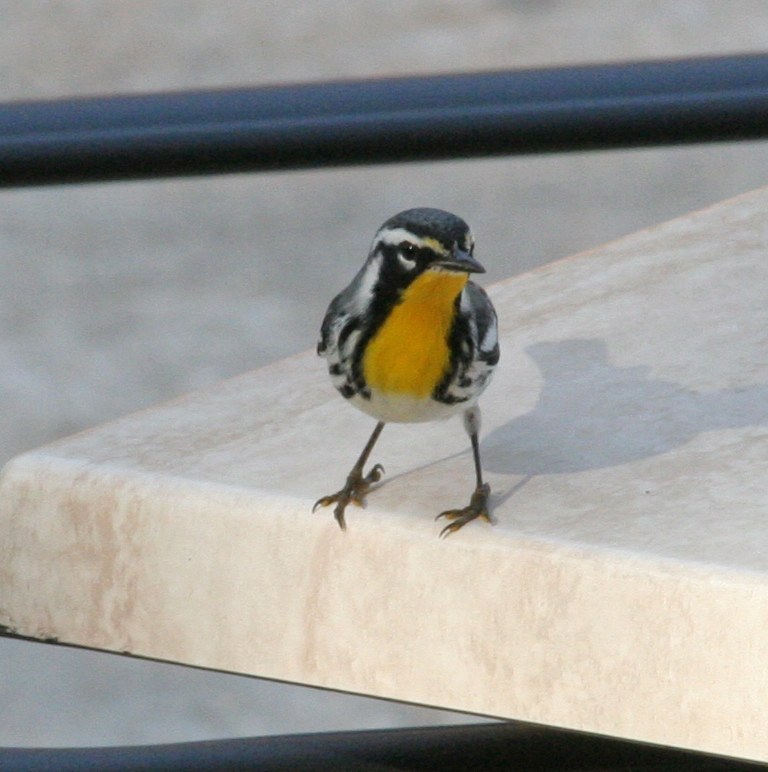
Yellow-throated Warbler
Small contour and flight feathers
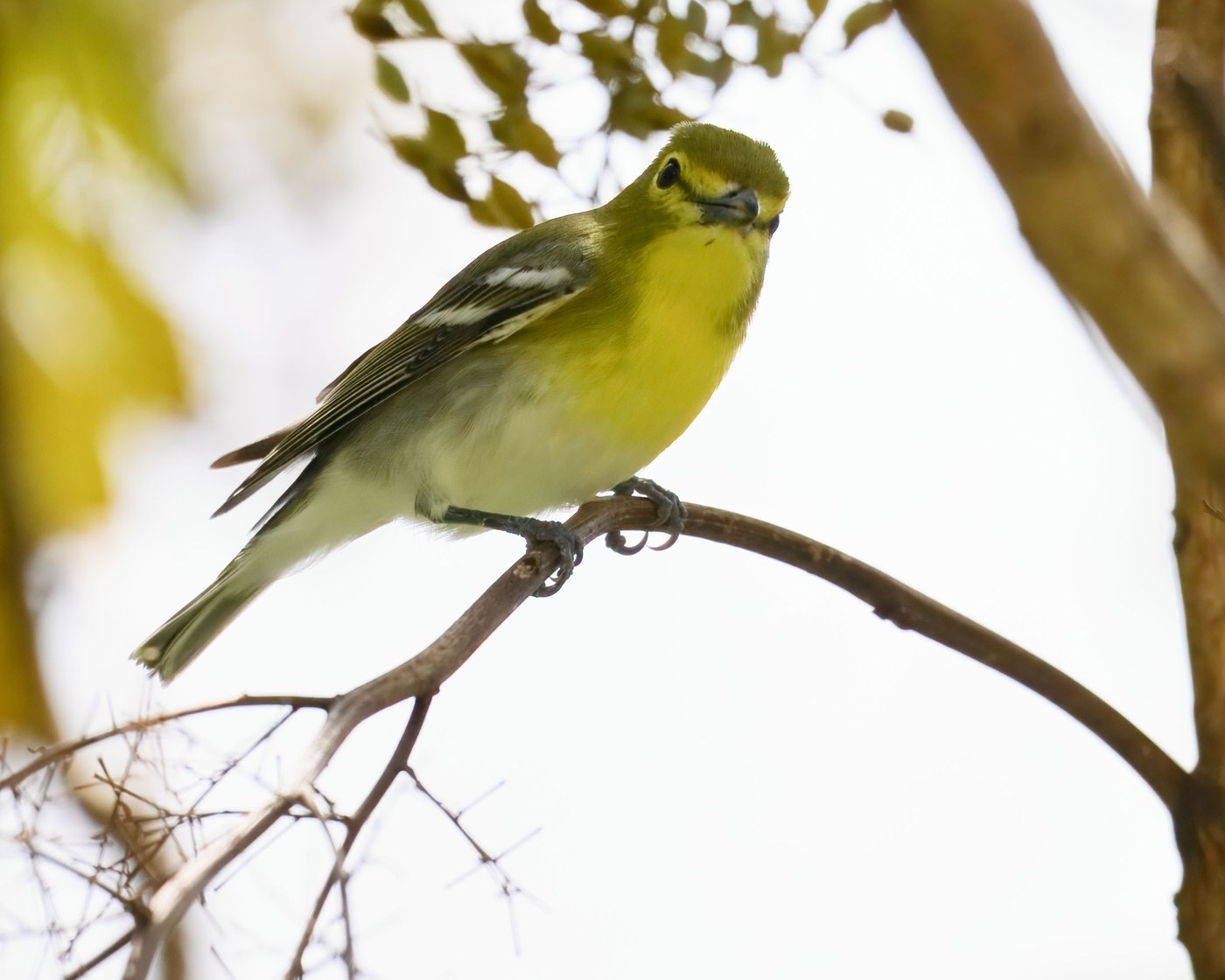
Yellow-throated Vireo
Bright yellow throat and spectacle feathers; olive-green back feathers; two white wing-bar feathers

Yellow-rumped Warbler
Small contour and flight feathers
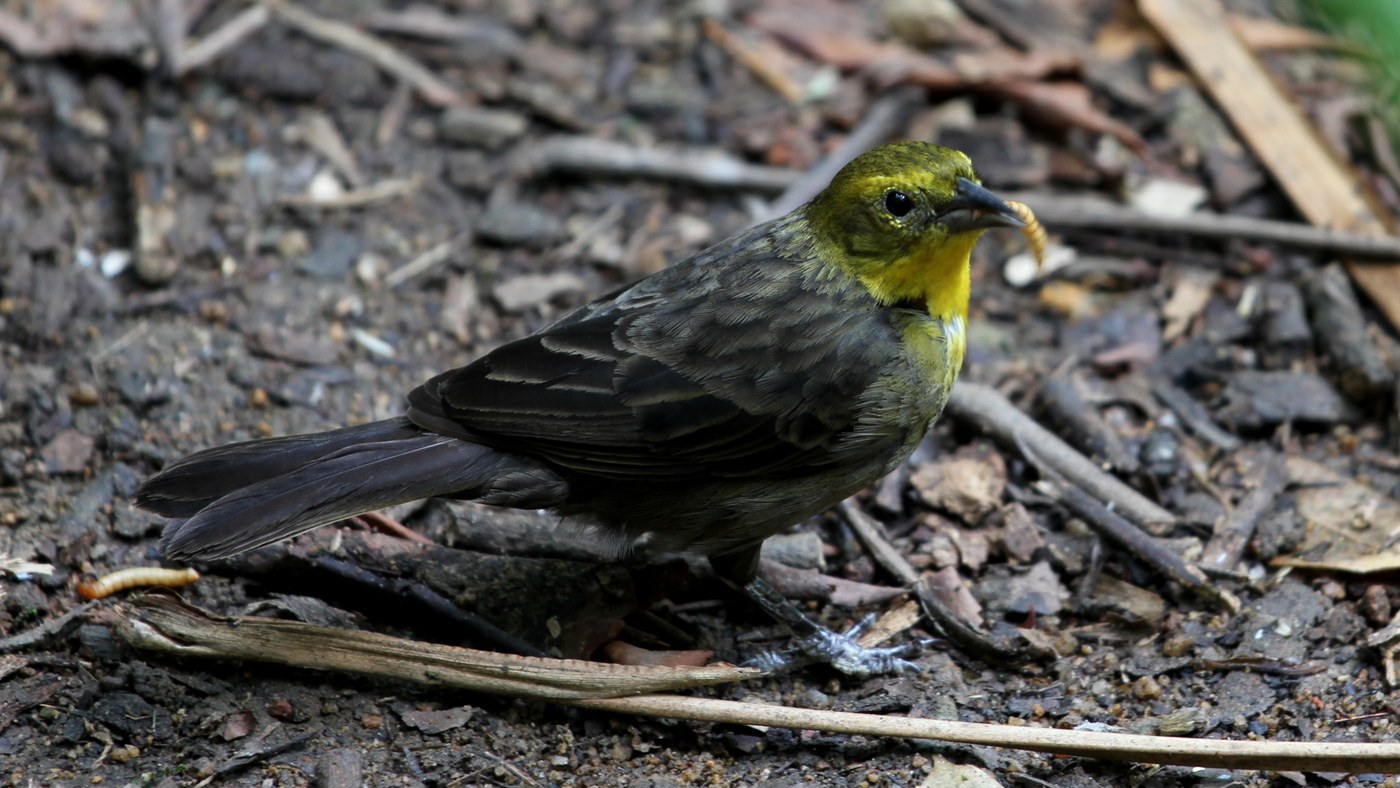
Yellow-hooded Blackbird
Contrasting hood and body feathers
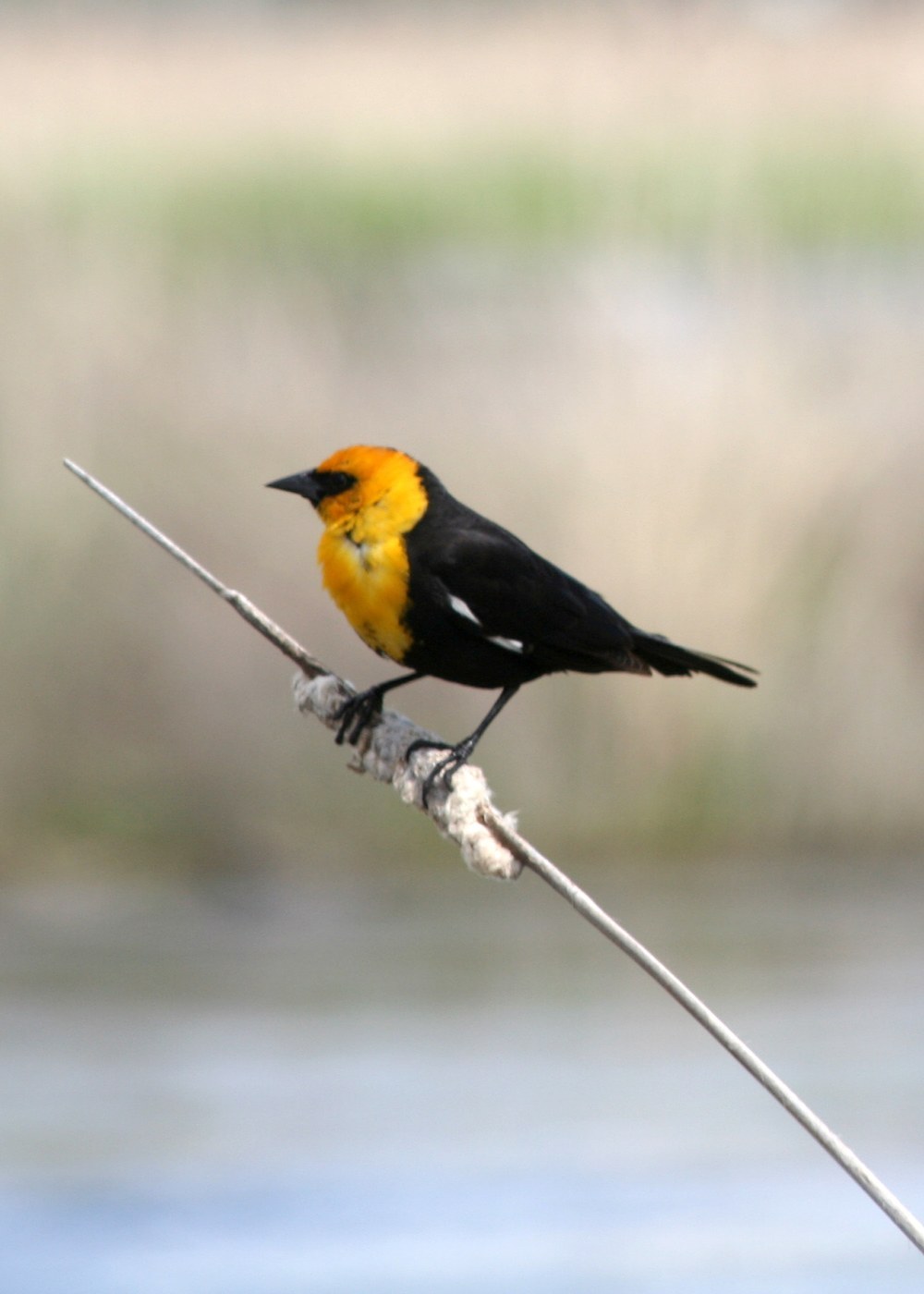
Yellow-headed Blackbird
Glossy black body plumage with a bright yellow head and breast

Yellow-eyed Junco
Contour and flight feathers

Yellow-fronted Canary
Small, smooth body plumage

Yellow-breasted Greenfinch
Compact, smooth body plumage