
Northern Wheatear
Oenanthe oenanthe
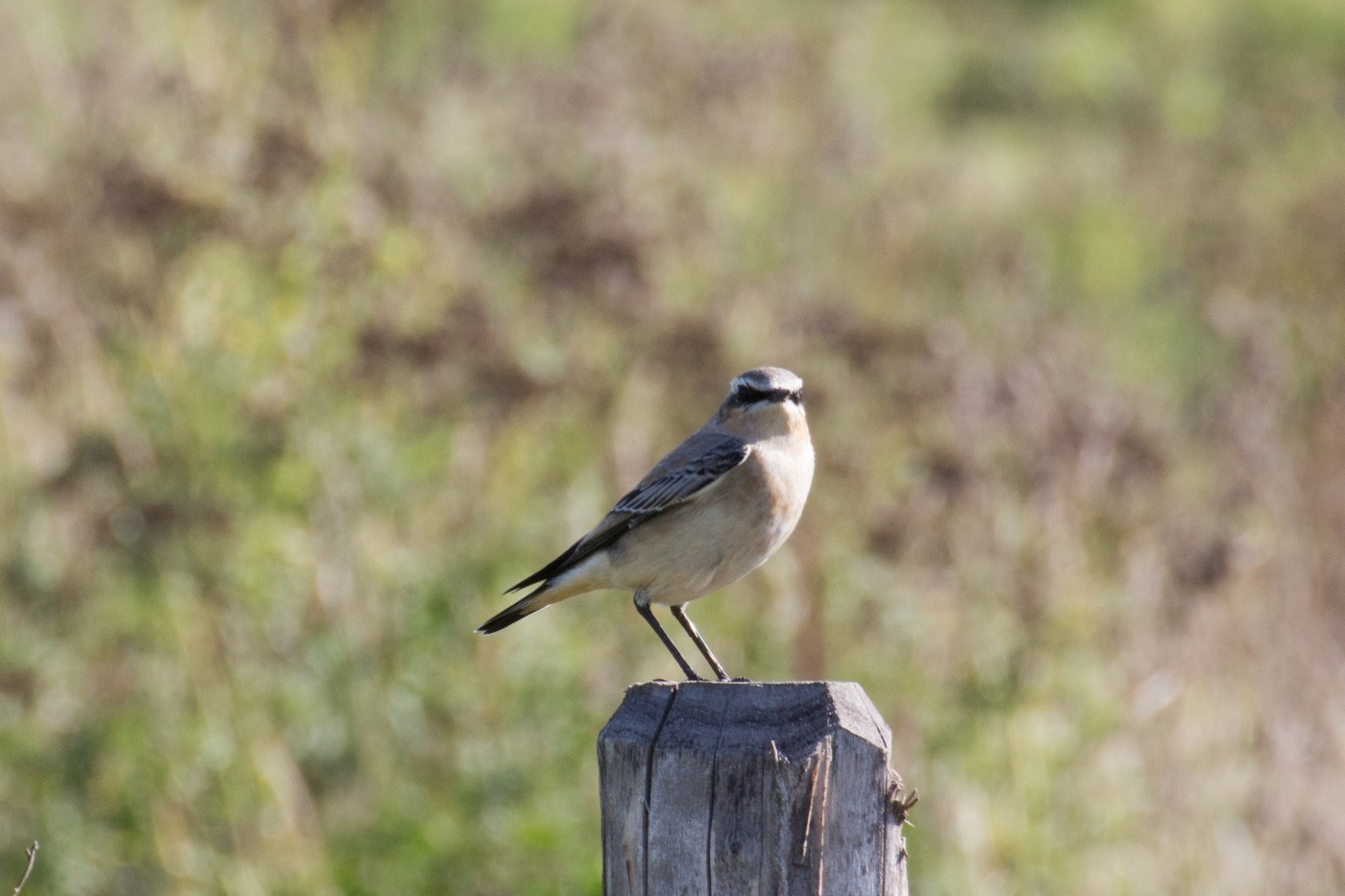
The Northern Wheatear is an open-country songbird best known for its bold white rump and black-and-white tail pattern, flashed conspicuously in flight above blue-grey or buff-brown body plumage.
- Feather type
- Distinctive white rump and black-and-white tail pattern (inverted T); long legs reflected in leg feathering
- Colours
- Blue-grey back, black mask (male), buff-orange breast wash, white rump, black-tipped white tail
- Bird size
- Small-medium, ~14.5-15.5 cm
Found a feather like this?
Identify any feather from a photo, free.
Overview
The Northern Wheatear is a long-distance migrant songbird of open, often barren ground, including moorland, coastal grassland, and rocky uplands.
Its most distinctive feature is the tail and rump pattern: a bold white rump with a black inverted-T mark on the tail tip, flashed as the bird flies low between perches.
Breeding males add a blue-grey back and black face mask, while females and juveniles are softer buff-brown, though all ages and sexes share the same tail pattern.
Identifying the Feather
Size & Shape
- Tail feathers show a highly distinctive pattern: white at the base with a black terminal band forming an inverted 'T' shape when the tail is spread, present in all ages and sexes.
- Legs are notably long for a small songbird, an adaptation for its ground-perching, upright stance.
Color & Pattern
- Male upperpart feathers: blue-grey back, black face mask, white eyebrow.
- Male underparts: buff-orange breast wash fading to whitish belly.
- Rump feathers: bright white in all birds, a key diagnostic feature.
- Female/juvenile feathers: buff-brown above, paler buff below, retaining the same white rump and black-tipped tail pattern.
Similar Species
- The white rump combined with the black inverted-T tail pattern is shared by other wheatear species but is essentially unique among common European open-country songbirds, reliably separating this species from pipits, larks, and chats found in similar habitat.
Plumage & Molt
Overall Plumage
Males: blue-grey back, black mask, buff-orange breast, white rump, black-tipped white tail. Females/juveniles: buff-brown above and below, same tail/rump pattern.
Sex & Age Differences
Males are more boldly patterned with a blue-grey back and black mask; females and juveniles are uniformly buff-brown. The tail and rump pattern is consistent across all ages and sexes.
Molt
A complete molt after breeding in late summer, with a partial molt in some individuals before the return migration in spring.
Habitat & Range
Habitat
Open ground with short vegetation, including moorland, coastal grassland, dunes, and rocky or stony terrain.
Range
Breeds across Europe, Asia, and parts of North America (Arctic populations); winters in sub-Saharan Africa, one of the longest migrations of any small songbird.
Movements
Fully migratory, present in breeding areas only from spring to early autumn.
Behavior & Field Notes
Behavior
Perches upright on rocks, fence posts, or the ground, bobbing and flicking its tail, and makes short flights low over the ground.
Diet
Feeds on ground-dwelling insects and other invertebrates.
Nesting
Nests in a hole or crevice among rocks, in a rabbit burrow, or under debris on open ground.
Voice
A hard, chacking call and a scratchy, warbling song often given from a low perch.
Field Notes
A white-based, black-tipped tail feather found on open moorland, coastal grassland, or rocky ground is diagnostic of Northern Wheatear regardless of the bird's age or sex.
Frequently asked questions
What is the single most diagnostic Wheatear feather feature?
The tail pattern - white at the base with a black terminal band forming an inverted T shape, present in both sexes and all ages.
Do female Wheatears show the same tail pattern as males?
Yes, the white rump and black-tipped tail pattern is consistent across sexes and ages, even though body color differs.
Where would I find a Northern Wheatear feather?
On open ground such as moorland, coastal grassland, dunes, or rocky terrain.
How far does the Northern Wheatear migrate?
It undertakes one of the longest migrations of any small songbird, with some populations traveling between the Arctic and sub-Saharan Africa.
Northern Wheatear guides
In-depth guides for identifying and understanding Northern Wheatear.
Other feathers you may enjoy

Yellow-breasted Bunting
Contour and flight feathers, chestnut-and-yellow breeding pattern
Sedge Wren
Tiny streaked crown and back feathers

Yellow-winged Cacique
Glossy black body feathers, yellow wing patch, shaggy crest

Yellow Warbler
Small contour and flight feathers
Yellow-throated Warbler
Small contour and flight feathers
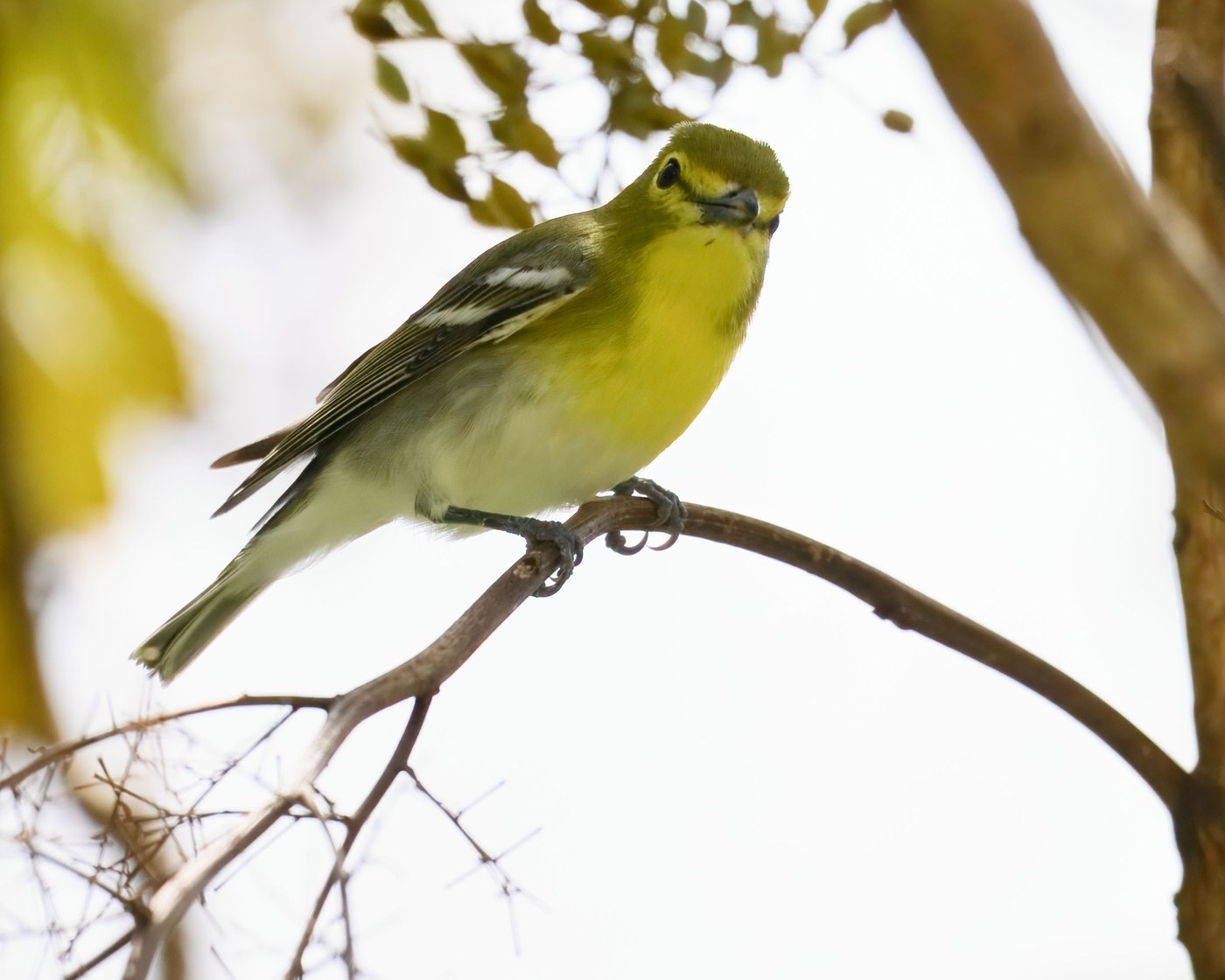
Yellow-throated Vireo
Bright yellow throat and spectacle feathers; olive-green back feathers; two white wing-bar feathers

Yellow-rumped Warbler
Small contour and flight feathers
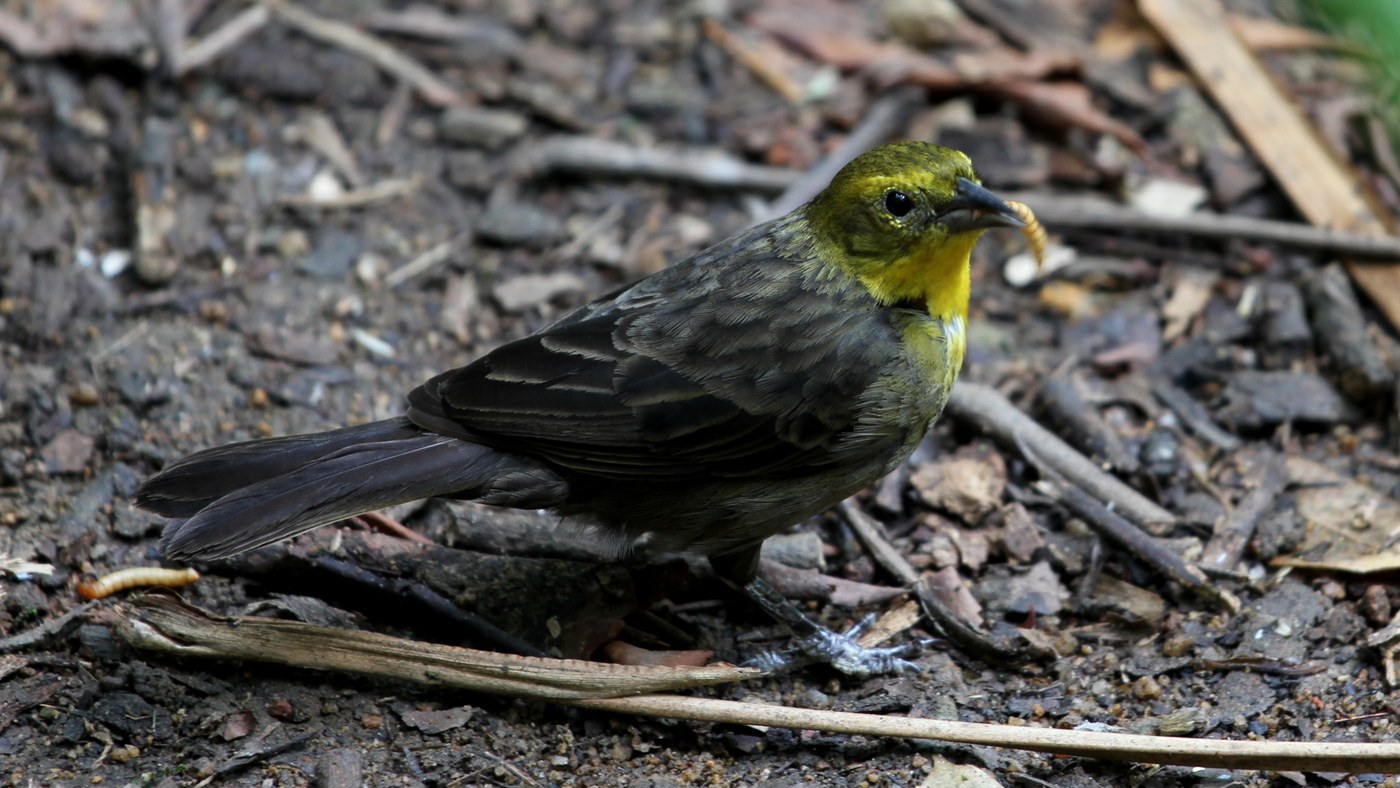
Yellow-hooded Blackbird
Contrasting hood and body feathers
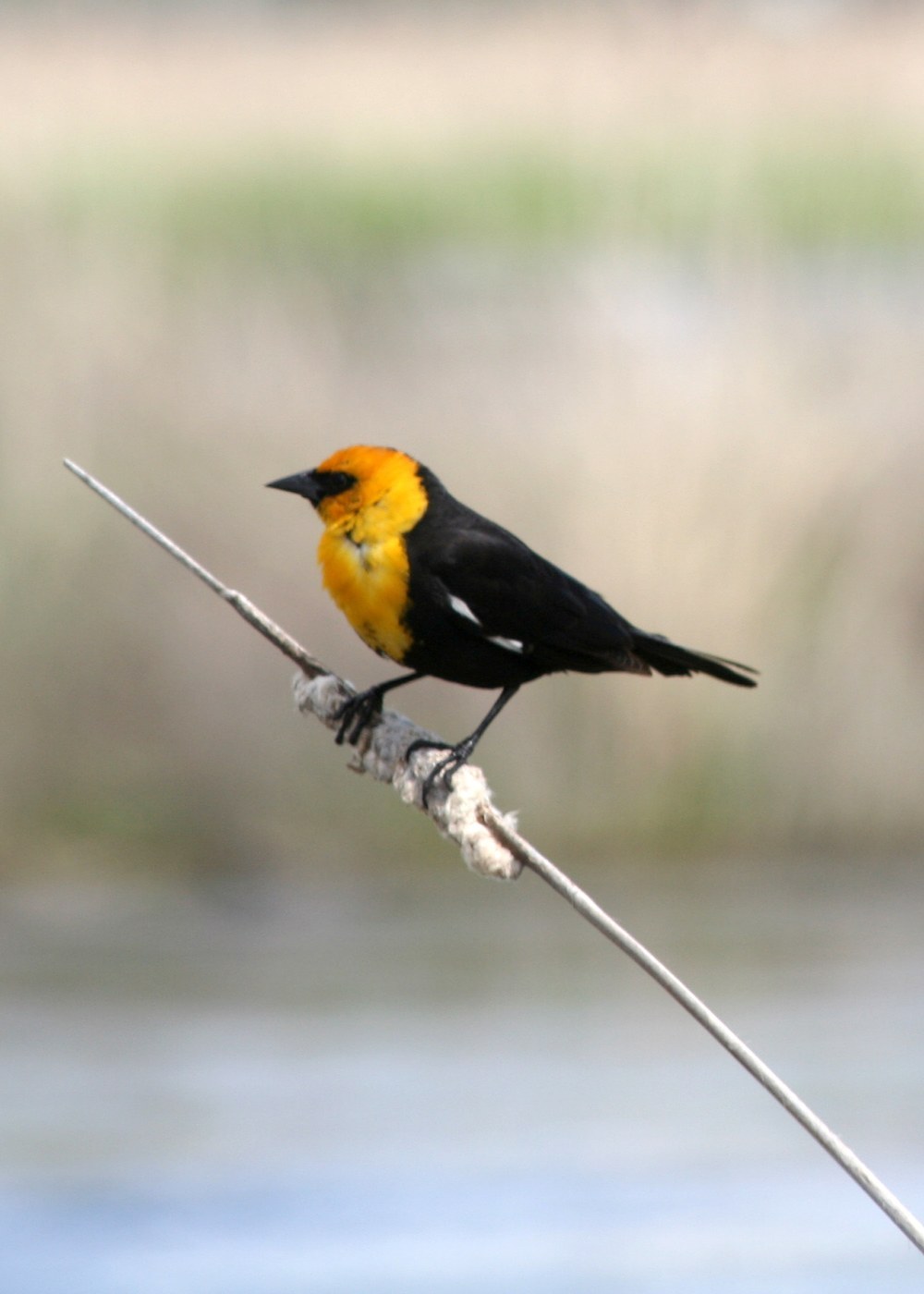
Yellow-headed Blackbird
Glossy black body plumage with a bright yellow head and breast

Yellow-eyed Junco
Contour and flight feathers

Yellow-fronted Canary
Small, smooth body plumage

Yellow-breasted Greenfinch
Compact, smooth body plumage