

Dwarf Cassowary
Casuarius bennetti
The smallest of the three cassowary species, this flightless New Guinea rainforest bird has coarse, hair-like black plumage and blue bare skin on the face and neck. It lacks the throat wattles of its larger relatives and has a low, modest casque.
- Feather type
- Coarse, hair-like double-shafted feathers lacking interlocking barbules; flightless
- Colours
- Glossy black body plumage with blue bare skin on the face and neck
- Bird size
- Large flightless bird, smallest cassowary species, ~1-1.2 m tall
Found a feather like this?
Identify any feather from a photo, free.
Overview
Overview
The Dwarf Cassowary is the smallest of the three cassowary species and inhabits montane rainforest of New Guinea, generally at higher elevations than its relatives. Like other cassowaries, it is covered in coarse, hair-like black plumage, with bare blue skin on the face and upper neck. Unlike the Northern and Southern Cassowary, it lacks throat wattles and has a comparatively low, small casque.
Identifying the Feather
Feather Identification
- Body feathers: Coarse and hair-like with double-shafted feathers lacking interlocking barbules, glossy black overall.
- Head and neck: Bare and colored blue, without the throat wattle(s) seen in the other two cassowary species.
- Casque: Low and small compared to the Northern and Southern Cassowary.
- Versus similar cassowaries: The Northern Cassowary has a taller casque and a single wattle; the Southern Cassowary has two wattles and a taller casque. The Dwarf Cassowary's small size and lack of wattles are the best distinguishing features.
Plumage & Molt
Plumage Notes
Sexes are similar in color, with females typically larger. Juveniles are striped brown and buff for camouflage, gradually molting to solid black plumage as they mature.
Habitat & Range
Habitat & Range
The Dwarf Cassowary is found in montane rainforest of New Guinea, generally at higher elevations than the other cassowary species. It is solitary and non-migratory.
Behavior & Field Notes
Behavior & Field Notes
Dwarf Cassowaries forage on the forest floor for fallen fruit, favoring higher-elevation forest than their relatives. They are solitary and elusive, rarely seen, and capable of delivering powerful kicks if threatened. Males incubate the eggs and care for the chicks. Vocalizations include low booming and rumbling notes.
Frequently asked questions
What is the smallest cassowary species?
The Dwarf Cassowary is the smallest of the three cassowary species.
How does the Dwarf Cassowary differ from other cassowaries?
It lacks the throat wattle(s) seen in the Northern and Southern Cassowary and has a comparatively low, small casque.
Where does the Dwarf Cassowary live?
It inhabits montane rainforest of New Guinea, generally at higher elevations than other cassowary species.
What do Dwarf Cassowaries eat?
They forage on the forest floor mainly for fallen fruit.
Dwarf Cassowary guides
In-depth guides for identifying and understanding Dwarf Cassowary.

Other feathers you may enjoy

Common Cuckoo
Flight and body feathers
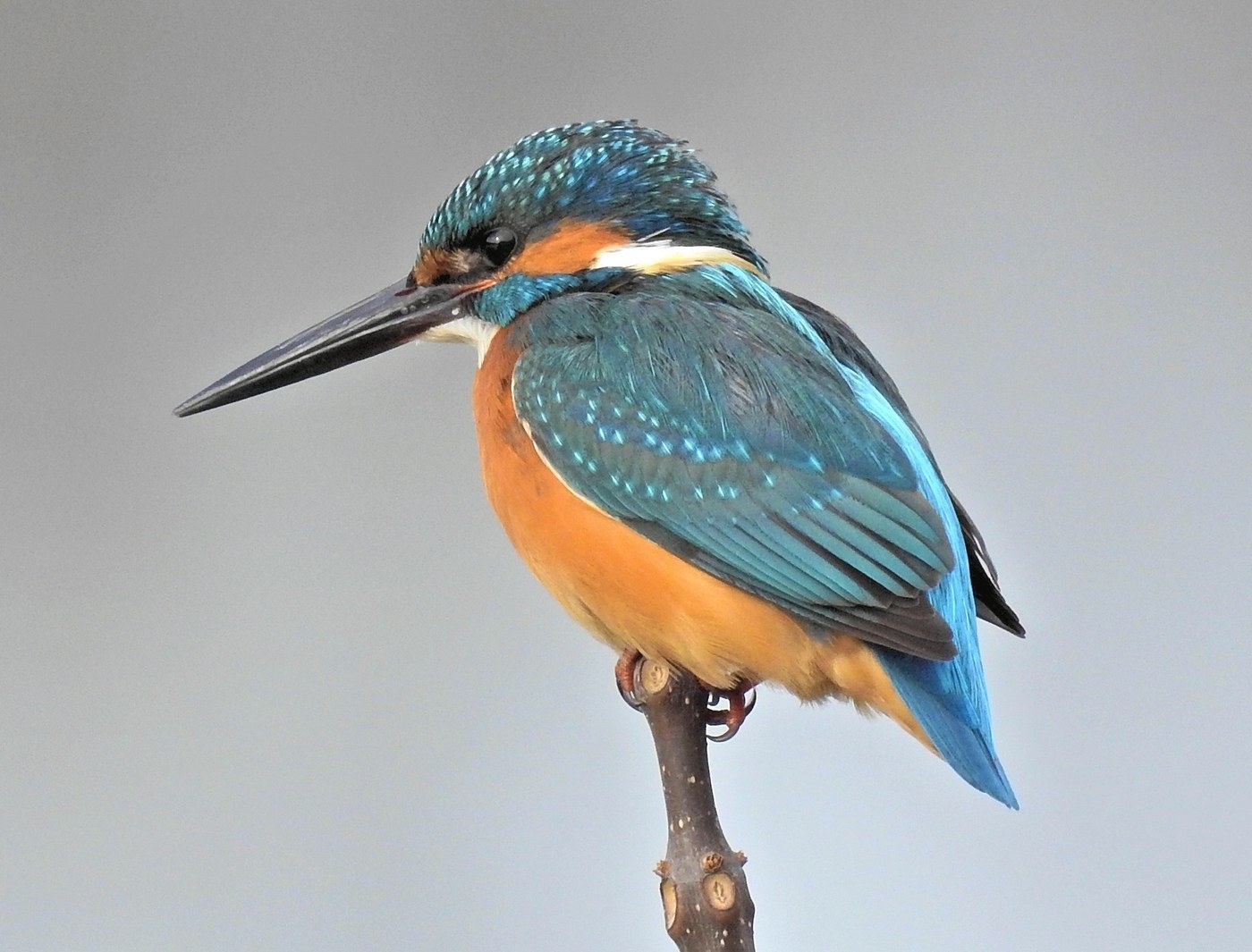
Common Kingfisher
Body (contour) and wing feathers
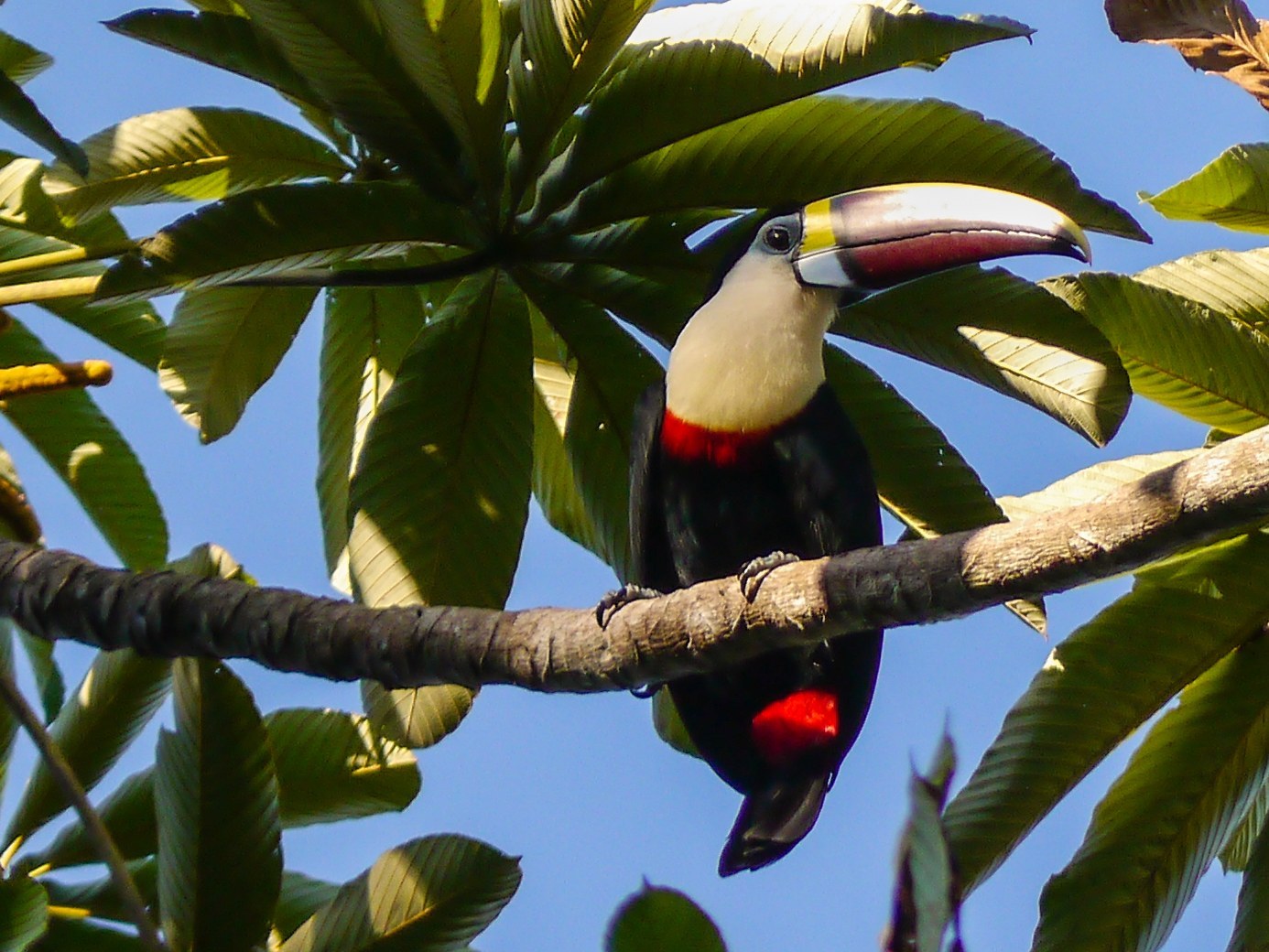
White-throated Toucan
Short rounded contour feathers, short broad wings
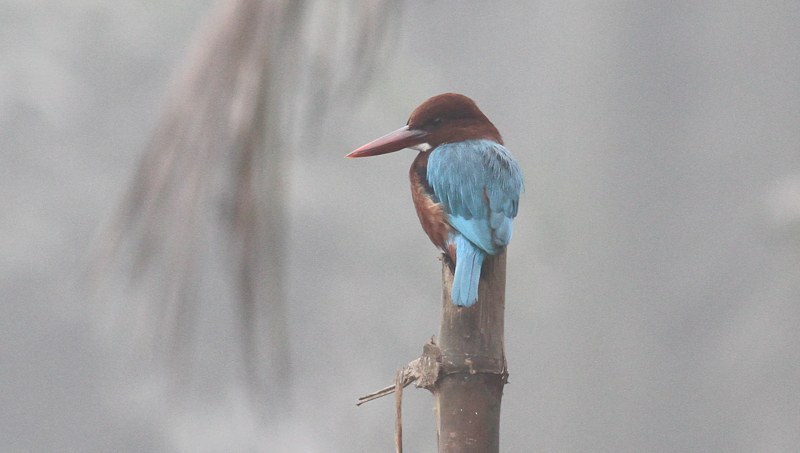
White-throated Kingfisher
Dense contour feathers; broad rounded wings

White-throated Bee-eater
Sleek, aerodynamic contour feathers; elongated central tail streamers
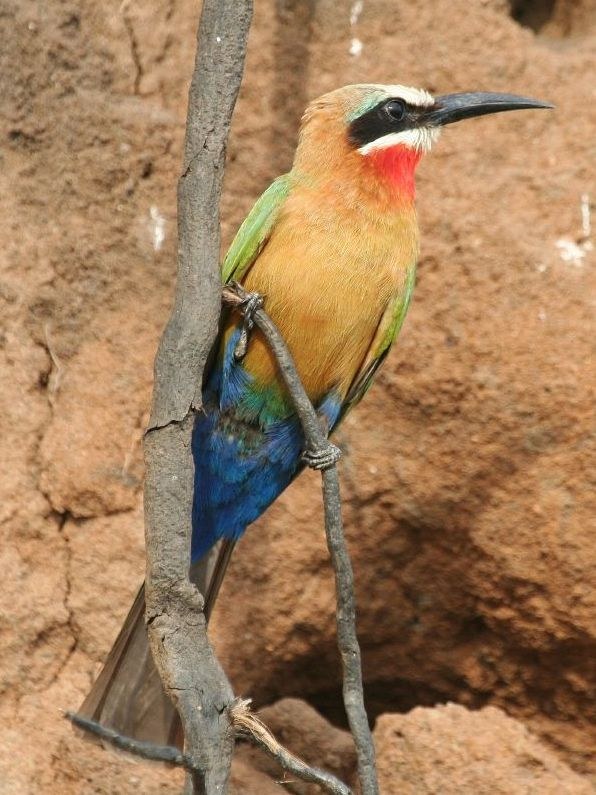
White-fronted Bee-eater
Sleek contour feathers; short tail with slight point

Southern Yellow-billed Hornbill
Slender contour feathers, moderate flight feathers
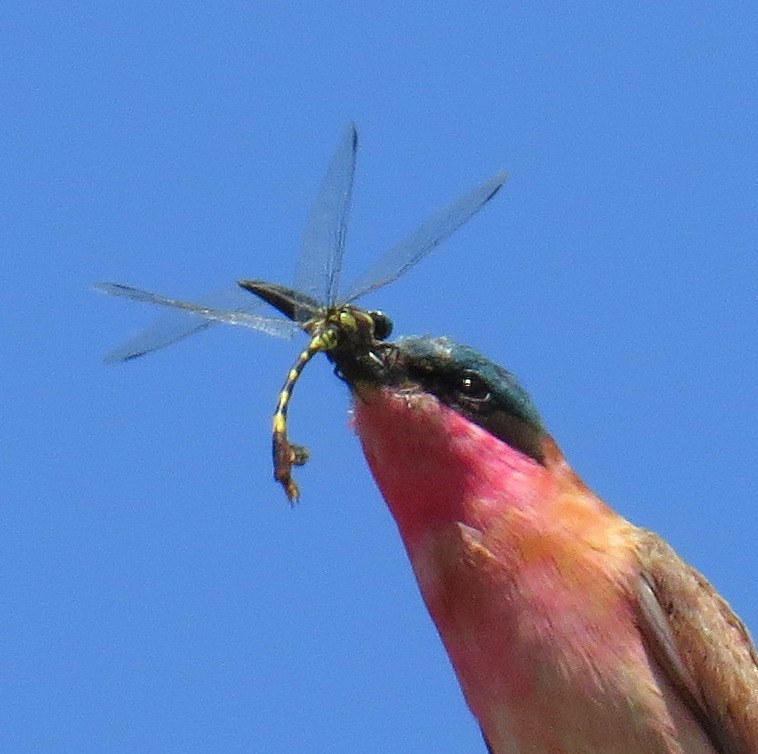
Southern Carmine Bee-eater
Sleek, pointed contour feathers; elongated central tail streamers
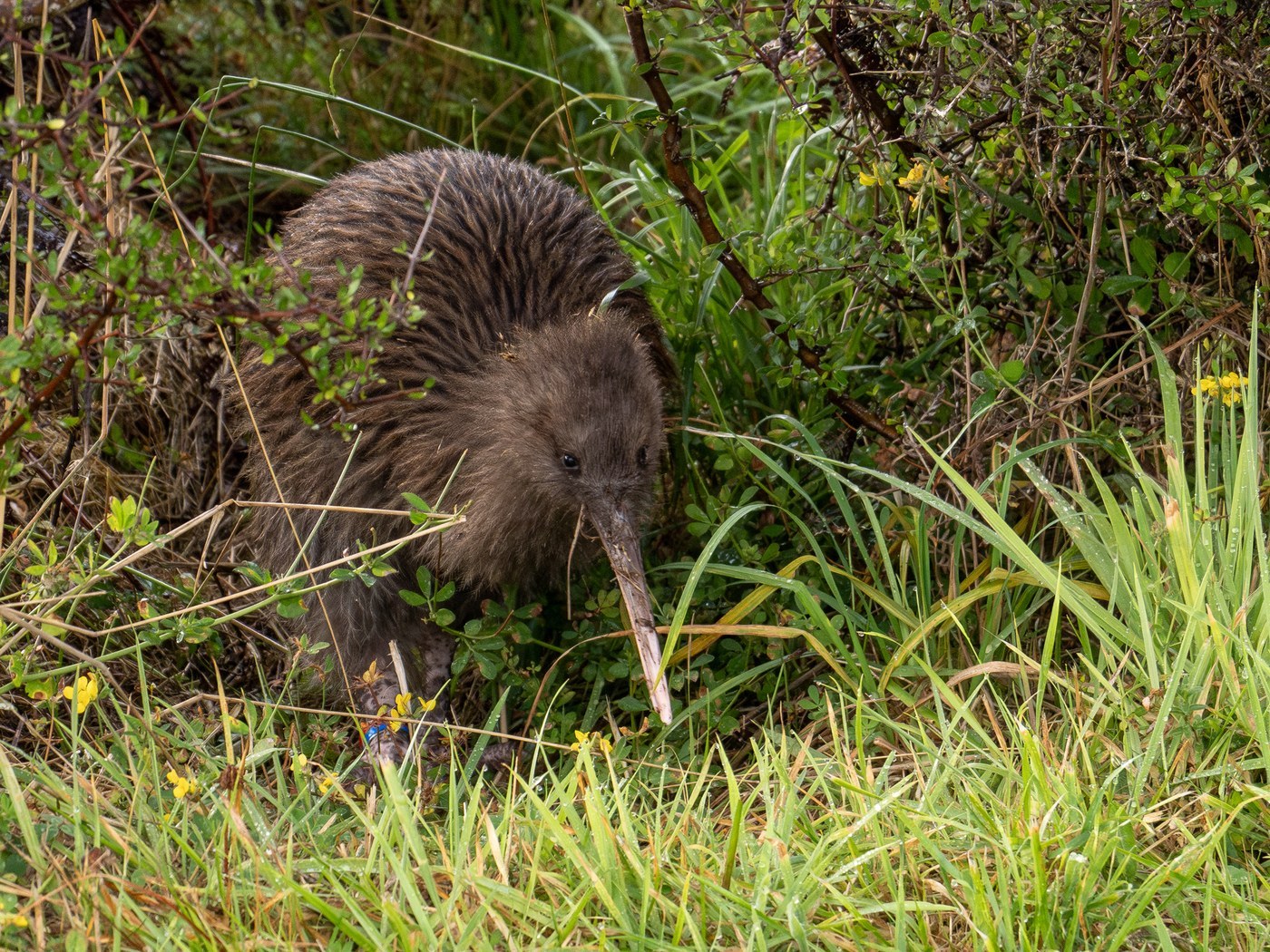
Southern Brown Kiwi
Shaggy, hair-like plumage with loose barbs lacking barbules; flightless, vestigial wings hidden beneath body feathers

Somali Ostrich
Loose, soft plumes lacking interlocking barbules

Wreathed Hornbill
Dense contour feathers, broad flight feathers

Woodland Kingfisher
Firm contour feathers; broad wing feathers