

Abyssinian Ground Hornbill
Bucorvus abyssinicus
The Abyssinian Ground Hornbill is a large, mostly terrestrial hornbill of Sub-Saharan African savanna north of the equator, similar in shape to its southern counterpart but distinguished by its bare blue facial and throat skin. It walks in small groups across open country hunting for prey.
- Feather type
- Coarse contour feathers, large flight feathers
- Colours
- Glossy black overall with white primary flight feathers
- Bird size
- Turkey-sized, ~90-100 cm
Found a feather like this?
Identify any feather from a photo, free.
Overview
Overview
The Abyssinian Ground Hornbill is the northern counterpart of the two African ground hornbill species, sharing the family's large size and ground-walking habits. Its plumage is dark and simple, so bare skin color and casque shape provide the main field identification tools alongside the shared black-and-white feather pattern.
- Large ground-dwelling hornbill of the African Sahel and adjacent savanna belts
- Plumage is uniformly black except for white primaries
- Distinguished from the southern species mainly by bare skin color and range
Identifying the Feather
Feather Identification
Body feathers are coarse and matte black, similar in texture to those of the Southern Ground Hornbill. The primary flight feathers are white, creating a visible flash in flight or on isolated wing feathers.
- Body: uniform black contour feathers
- Primaries: white, hidden at rest but conspicuous in flight
- Tail: black, without notable patterning
- Bare skin: blue facial and throat skin in females, with an added red patch on the male's throat
Black plumage with white primaries is shared with the Southern Ground Hornbill, so range and bare-skin color are the more reliable ways to separate the two where feathers alone are ambiguous.
Plumage & Molt
Plumage Notes
Sexes share the same black-and-white feather pattern, differing instead in bare skin: males show blue facial skin with a red throat patch, while females show blue skin without the red addition. Juveniles have duller plumage and paler, less developed bare skin.
- Sexes alike in feather plumage; bare skin color is the main sex difference
- Juveniles appear duller and browner before full maturity
- No distinct seasonal plumage variation
Habitat & Range
Habitat & Range
Occupies savanna, dry open woodland, and grassland across Sub-Saharan Africa north of the equator, from Senegal east to parts of the Horn of Africa.
- Non-migratory resident within a defended home range
- Favors open country with scattered trees for nesting and roosting
- Generally found at lower densities than in wetter, resource-rich habitats
Behavior & Field Notes
Behavior & Field Notes
This hornbill forages primarily on the ground in small family groups, taking a variety of small animal prey encountered while walking through grassland and open woodland.
- Voice: deep, booming calls similar to the Southern Ground Hornbill, often given in duet
- Nesting: large natural tree cavities, reused over multiple seasons
- Field notes: look for black plumage with white primaries and blue (not red) facial skin, within its more northerly Sahel-to-Horn-of-Africa range
Frequently asked questions
How do you identify this hornbill's feathers?
Coarse black body plumage with white primary flight feathers is the key combination, matching its ground hornbill relative.
How can you tell it apart from the Southern Ground Hornbill?
Bare facial and throat skin is blue rather than mostly red, and its range lies north of the equator across the Sahel and Horn of Africa.
Do males and females differ in plumage?
Feather plumage is alike between sexes; males add a small red patch to the otherwise blue throat skin.
What habitat suits this hornbill?
Open savanna, dry woodland, and grassland with scattered large trees for nesting.
Abyssinian Ground Hornbill guides
In-depth guides for identifying and understanding Abyssinian Ground Hornbill.

Other feathers you may enjoy

Common Cuckoo
Flight and body feathers
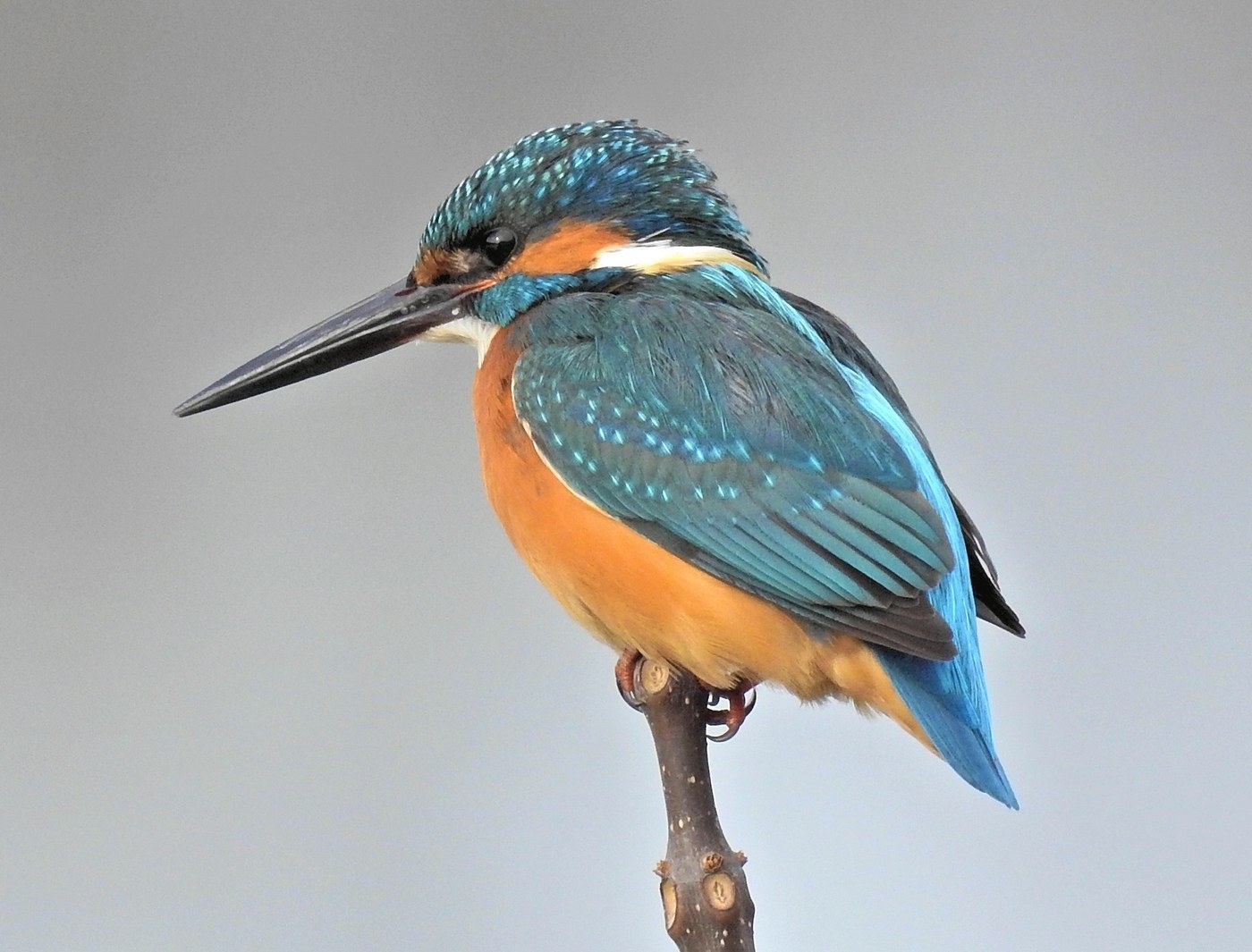
Common Kingfisher
Body (contour) and wing feathers
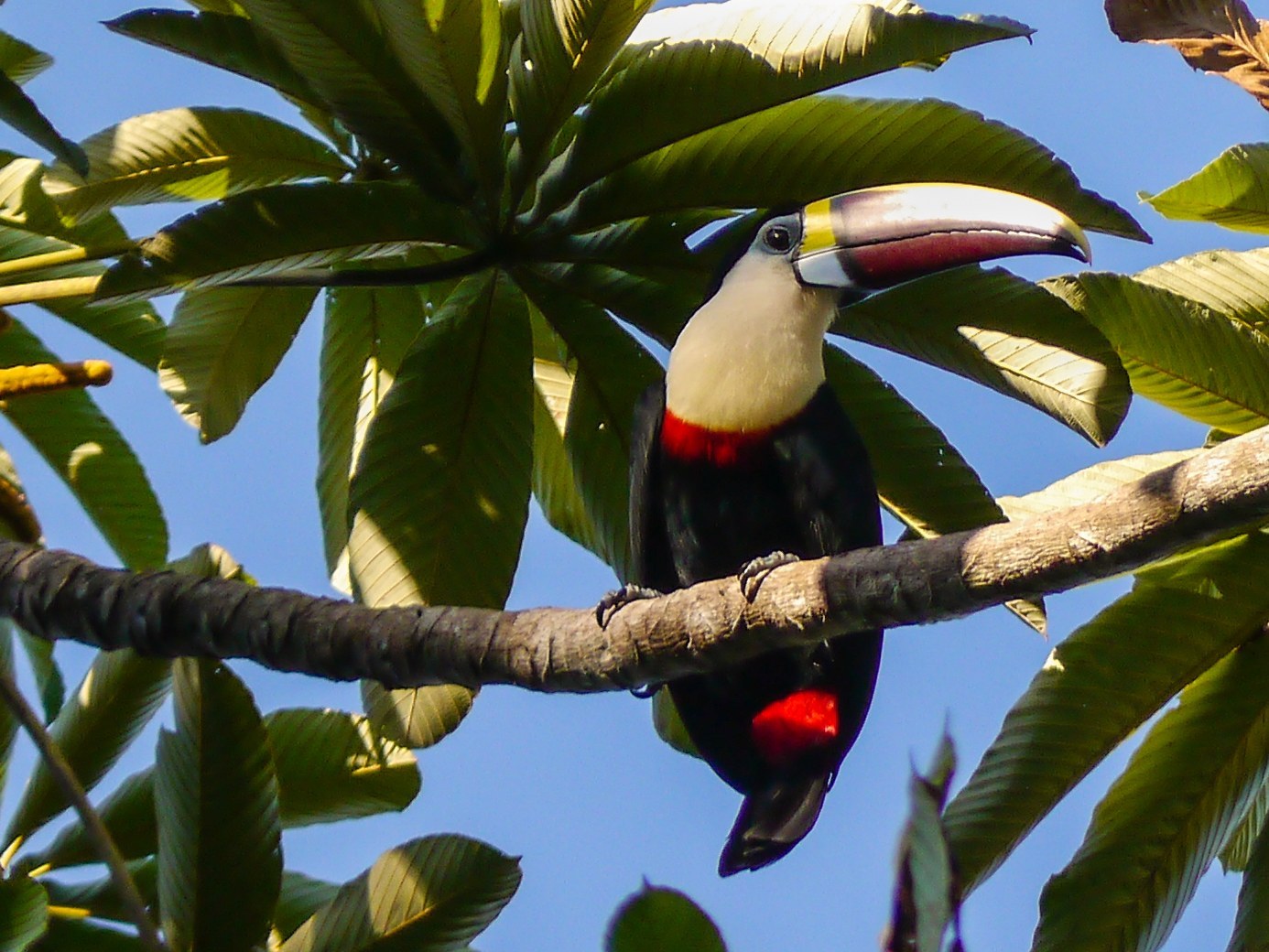
White-throated Toucan
Short rounded contour feathers, short broad wings
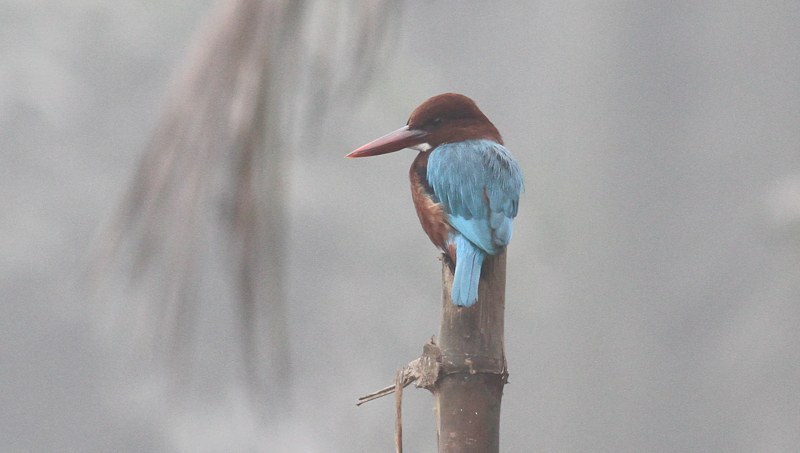
White-throated Kingfisher
Dense contour feathers; broad rounded wings

White-throated Bee-eater
Sleek, aerodynamic contour feathers; elongated central tail streamers
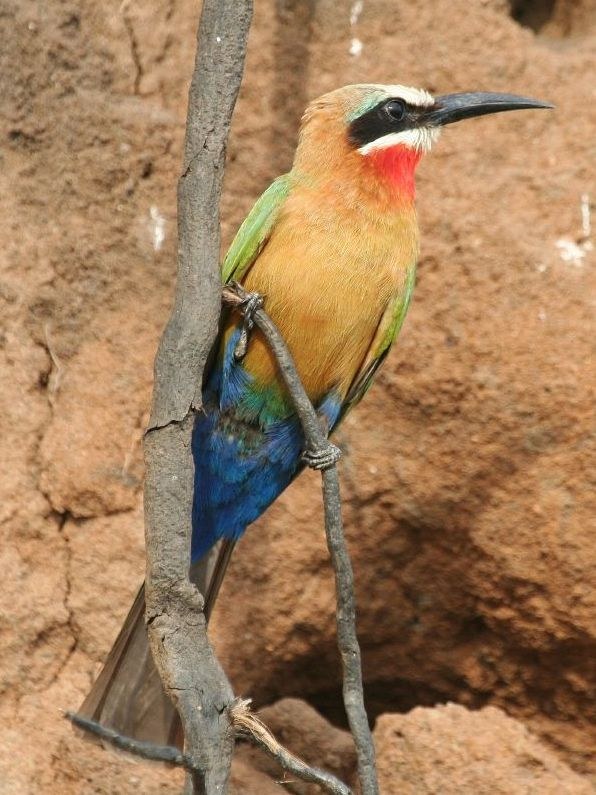
White-fronted Bee-eater
Sleek contour feathers; short tail with slight point

Southern Yellow-billed Hornbill
Slender contour feathers, moderate flight feathers
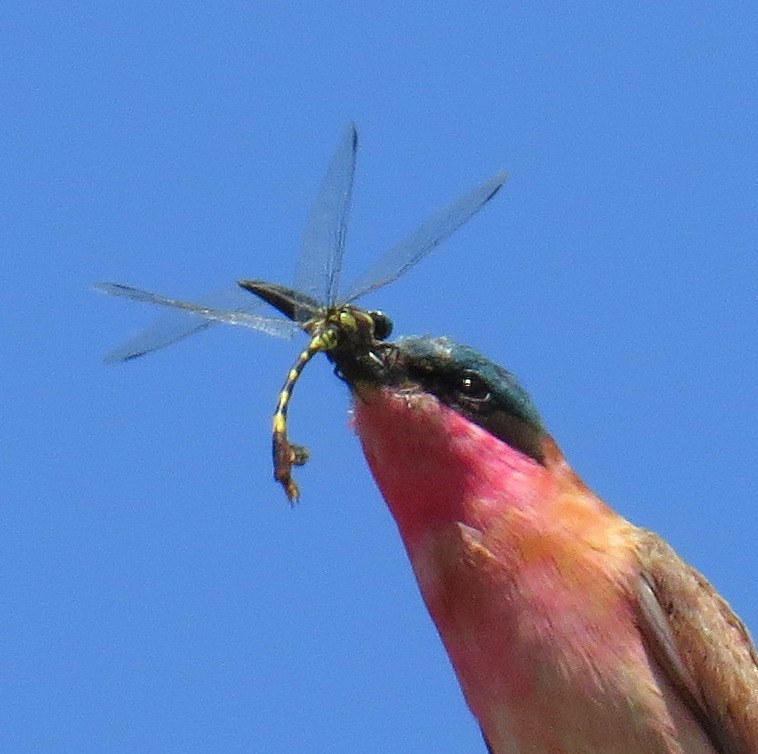
Southern Carmine Bee-eater
Sleek, pointed contour feathers; elongated central tail streamers
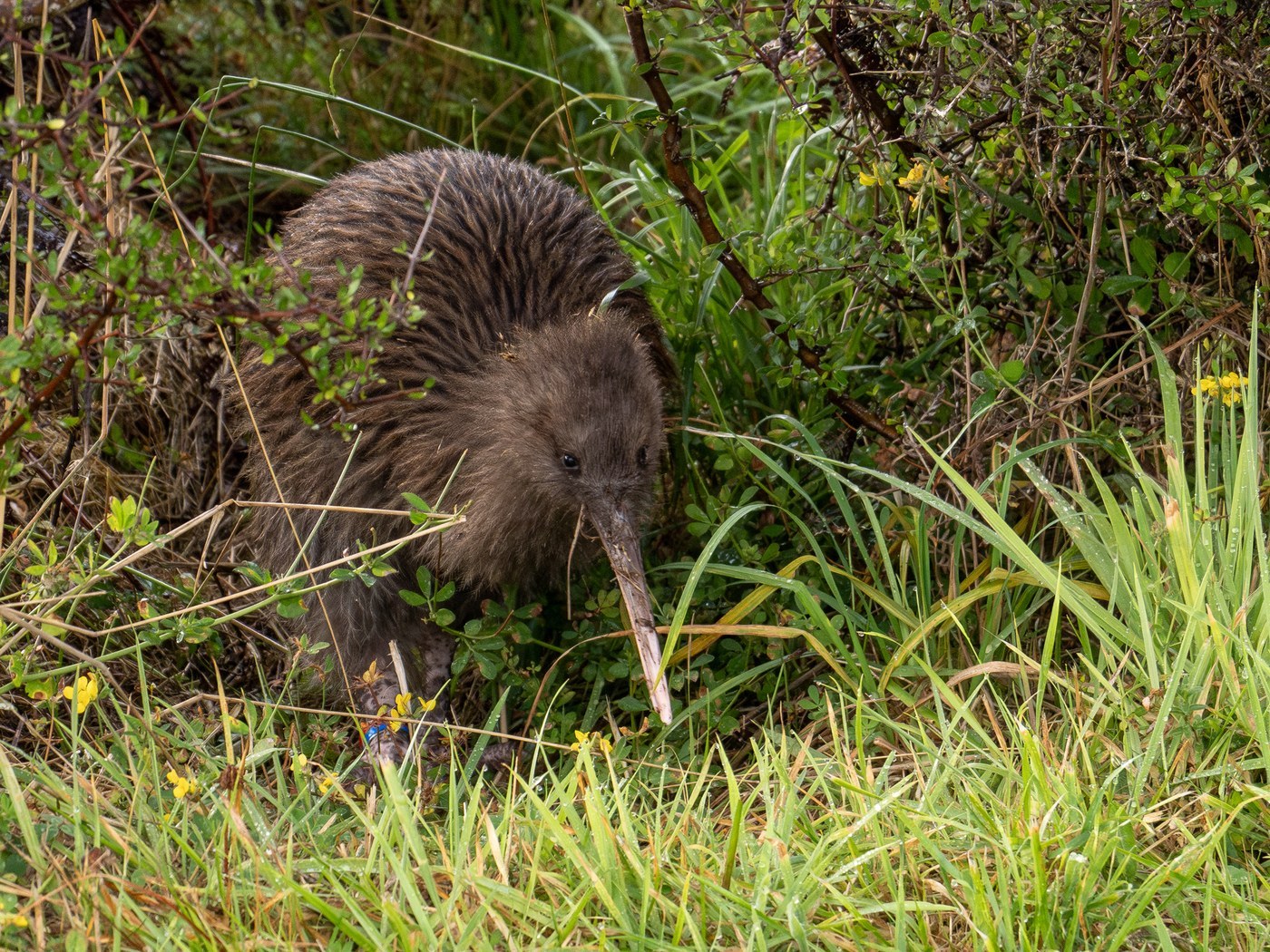
Southern Brown Kiwi
Shaggy, hair-like plumage with loose barbs lacking barbules; flightless, vestigial wings hidden beneath body feathers

Somali Ostrich
Loose, soft plumes lacking interlocking barbules

Wreathed Hornbill
Dense contour feathers, broad flight feathers

Woodland Kingfisher
Firm contour feathers; broad wing feathers