

Superb Bird-of-paradise
Lophorina superba
The Superb Bird-of-paradise appears almost entirely black at rest, but the male can erect an oval nape cape and a shimmering blue-green breast shield into a striking, wide silhouette during courtship display. It is found in the montane forests of New Guinea.
- Feather type
- Erectile cape and breast-shield feathers, iridescent contour feathers
- Colours
- Velvety black body with an iridescent blue-green breast shield and an erectile black cape
- Bird size
- Small, ~26 cm
Found a feather like this?
Identify any feather from a photo, free.
Overview
Overview
The Superb Bird-of-paradise is a montane forest species whose male plumage looks understated at rest but transforms dramatically during courtship display. The erectile cape and breast shield are the defining features that separate this species from otherwise similarly dark-plumaged forest birds.
- Appears mostly black until display feathers are erected
- Erectile nape cape can be raised into a broad, rounded silhouette
- Iridescent breast shield only shows full color in direct light or during display
Identifying the Feather
Feather Identification
At rest, the male appears almost entirely velvety black, with subtle blue-green iridescence visible only in good light. The nape carries an erectile cape of elongated black feathers, and the breast holds a shield of iridescent blue-green feathers that can be raised and spread.
- Body: velvety black, appearing plain in poor light
- Nape cape: elongated, erectile black feathers
- Breast shield: iridescent blue-green, only vividly visible when raised or in direct light
- Eye and gape: pale markings that add contrast against the black head
The erectile cape and breast shield, when raised, form a distinctive rounded silhouette not produced by any other similarly dark bird-of-paradise, making display photographs and feathers from this structure especially identifiable.
Plumage & Molt
Plumage Notes
Adult males show the full black plumage with iridescent cape and shield feathers described above, developed gradually over several years. Females and immature males are brown with fine barring on the underparts, lacking the erectile display feathers entirely.
- Adult males: black plumage with erectile cape and breast shield
- Females and immatures: brown, finely barred underparts
- Display feathers reach full size and iridescence only in mature males
Habitat & Range
Habitat & Range
Found in montane rainforest across New Guinea, generally favoring mid- to high-elevation forest over lowland habitat.
- Non-migratory resident of montane forest
- Occupies mid-story and understory layers of highland forest
- Present across a broad swath of the New Guinea highlands
Behavior & Field Notes
Behavior & Field Notes
Males display on the ground or on low perches, raising the nape cape and breast shield into a broad oval shape while moving in short hops to attract females. Diet is mainly fruit and small animal prey.
- Voice: a harsh, buzzing call given from display perches
- Nesting: females build and tend nests alone
- Field notes: look for the plain black body at rest to transform into a wide, rounded silhouette with an iridescent blue-green center during display
Frequently asked questions
Why can this species look plain in some views?
At rest, the male's black plumage looks understated; the erectile cape and iridescent breast shield only show their full effect when raised during display.
What does the male's display look like?
The nape cape and breast shield are raised into a broad, rounded shape with a shimmering blue-green center, quite different from the bird's resting silhouette.
How does the female differ from the male?
Females are brown with fine barring on the underparts and lack the black body, cape, and shield feathers of the adult male.
Where is this species found?
In montane rainforest across New Guinea, generally at mid to high elevations.
Superb Bird-of-paradise guides
In-depth guides for identifying and understanding Superb Bird-of-paradise.

Other feathers you may enjoy

Yellow-breasted Bunting
Contour and flight feathers, chestnut-and-yellow breeding pattern
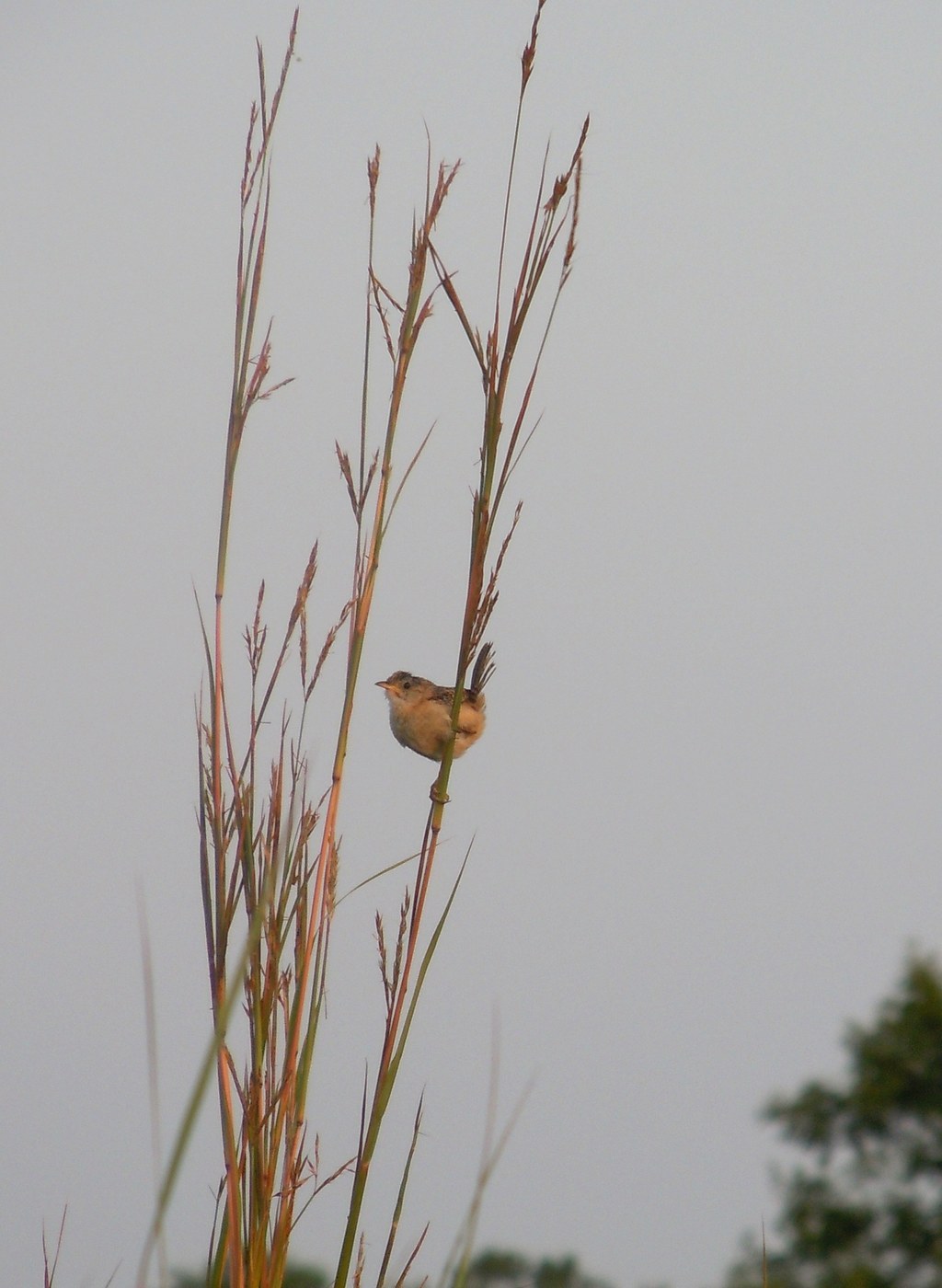
Sedge Wren
Tiny streaked crown and back feathers

Yellow-winged Cacique
Glossy black body feathers, yellow wing patch, shaggy crest

Yellow Warbler
Small contour and flight feathers
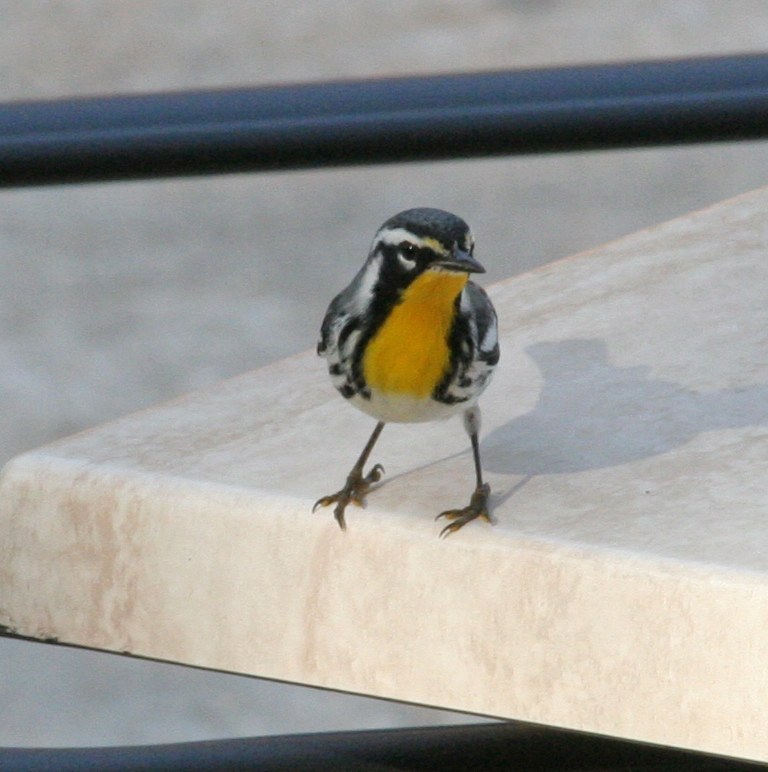
Yellow-throated Warbler
Small contour and flight feathers
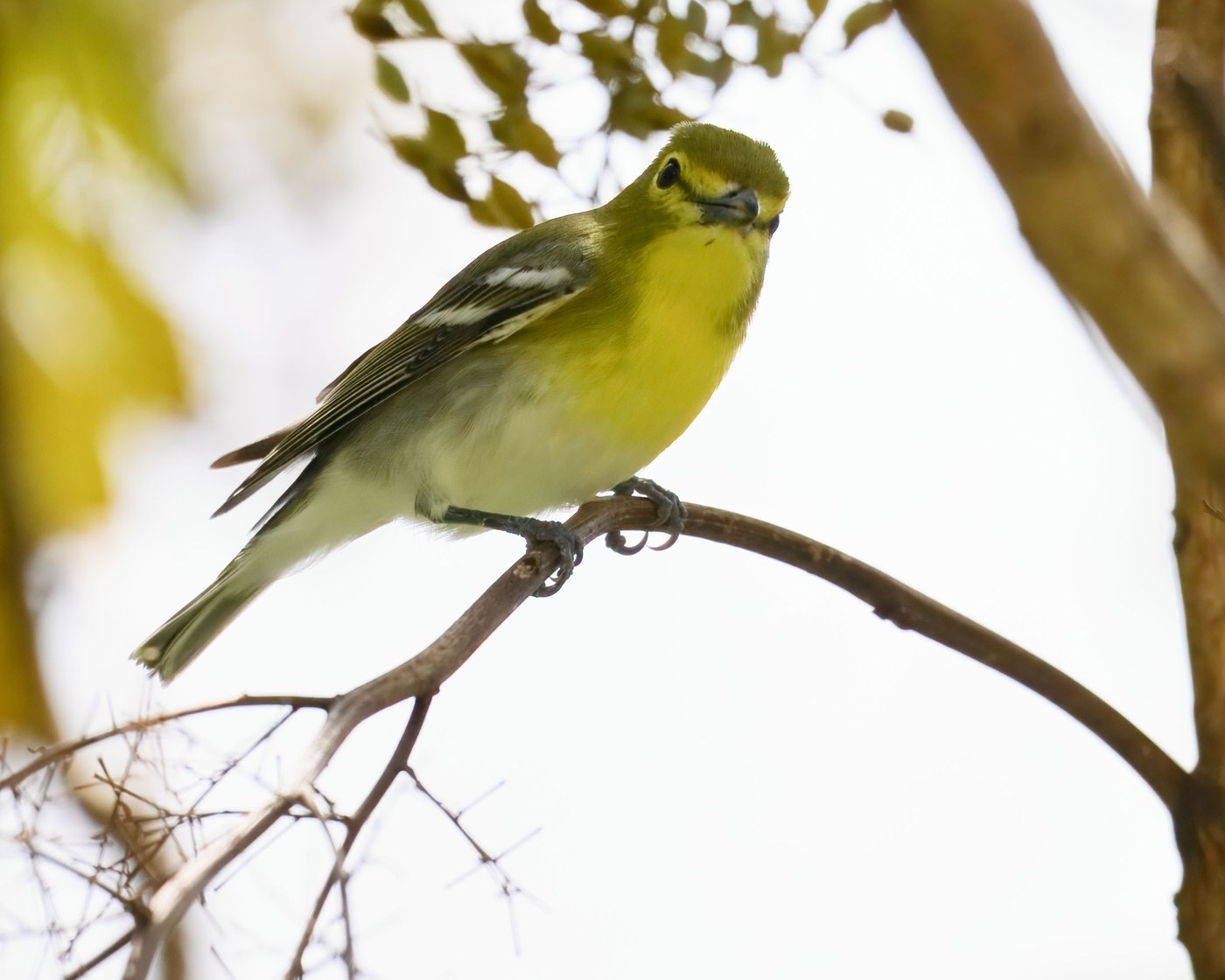
Yellow-throated Vireo
Bright yellow throat and spectacle feathers; olive-green back feathers; two white wing-bar feathers

Yellow-rumped Warbler
Small contour and flight feathers
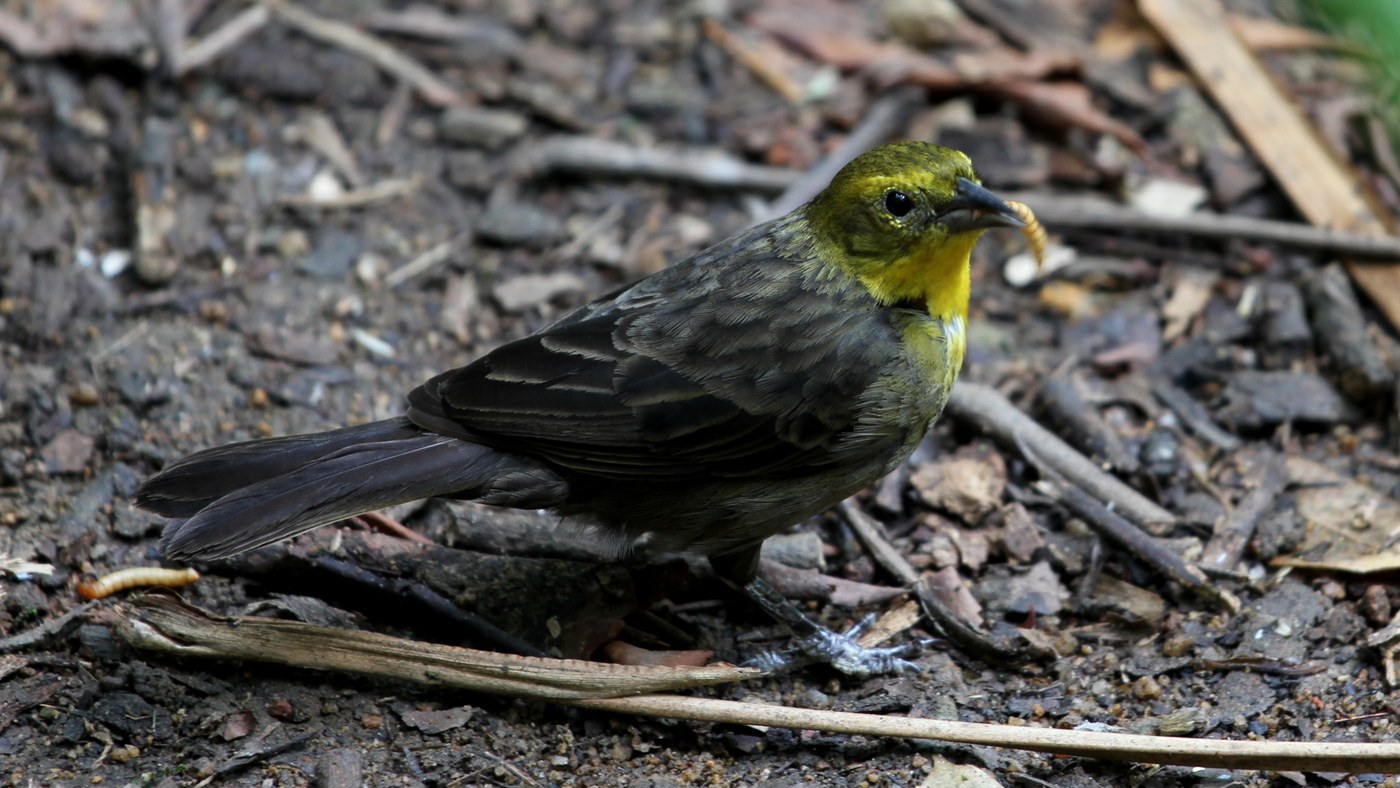
Yellow-hooded Blackbird
Contrasting hood and body feathers
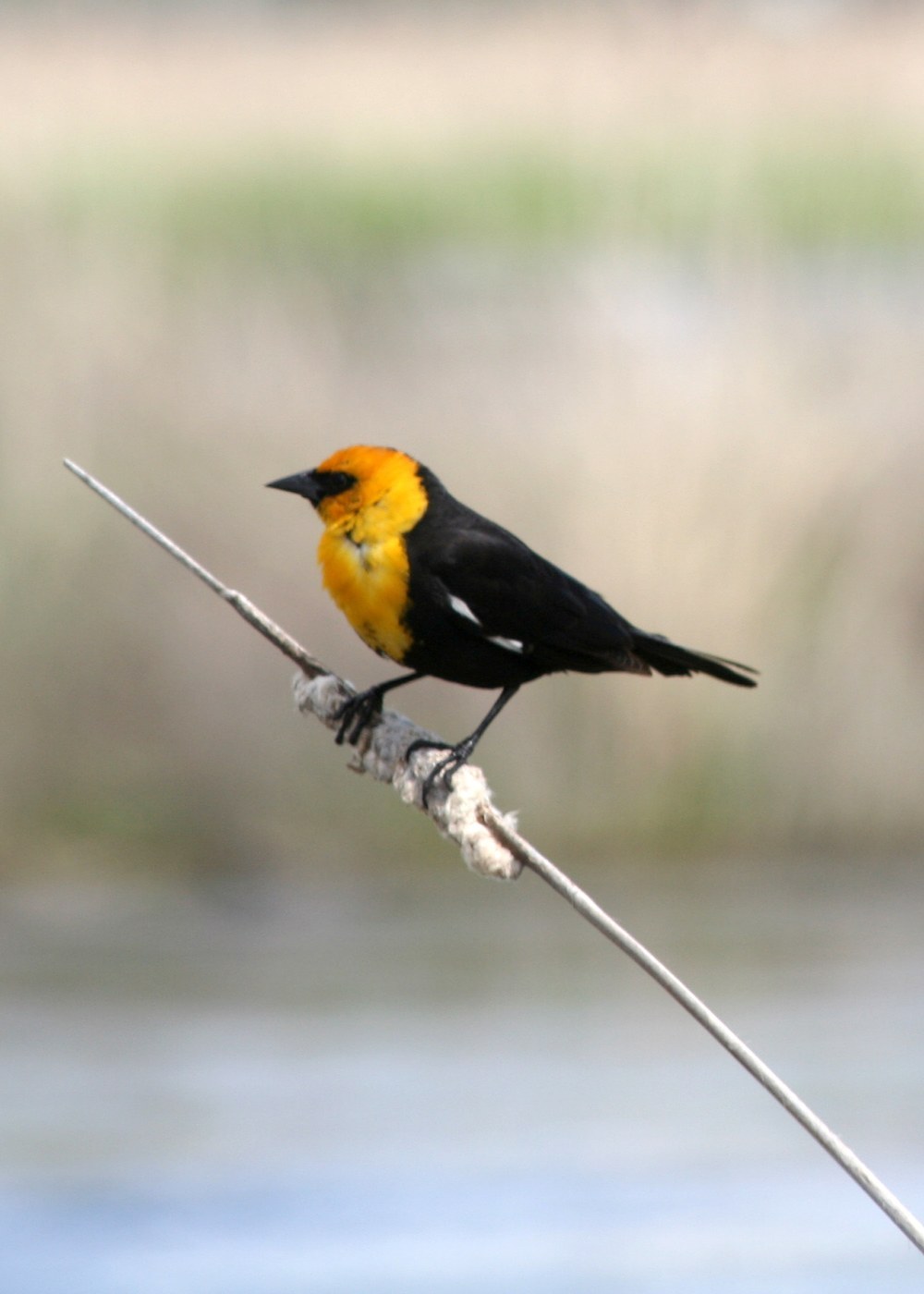
Yellow-headed Blackbird
Glossy black body plumage with a bright yellow head and breast

Yellow-eyed Junco
Contour and flight feathers

Yellow-fronted Canary
Small, smooth body plumage

Yellow-breasted Greenfinch
Compact, smooth body plumage