

White-rumped Falcon
Polihierax insignis
A tiny Southeast Asian falcon closely related to the African Pygmy Falcon, best recognized by its clean white rump patch flashing against darker grey or chestnut plumage.
- Feather type
- Tiny rounded flight feathers; short tail with a white rump patch; grey/chestnut body feathers
- Colours
- Grey head and back in males (chestnut in females); white rump; pale underparts
- Bird size
- Very small falcon, ~25 cm
Found a feather like this?
Identify any feather from a photo, free.
Overview
The White-rumped Falcon is a small, little-known raptor of dry deciduous forests in Southeast Asia, most closely related to the African Pygmy Falcon despite the geographic separation between the two species.
Its most useful field and feather mark is the contrasting white rump, visible in flight and present as a distinct patch of white feathers at the base of the tail, a feature not shared with most other small Asian falcons.
Because it favors open, dry forest with scattered large trees, feathers are typically found in such woodland rather than dense evergreen forest.
Identifying the Feather
Shape and size
- Flight feathers are small, in keeping with its diminutive body size, generally under 10-11 cm.
- Rump feathers are distinctly white and contrast sharply with darker surrounding feathers, a key diagnostic patch.
Color and pattern
- Male back and head feathers are grey; female back feathers are chestnut-rufous, mirroring the sexual difference seen in the African Pygmy Falcon.
- Underparts feathers are pale, whitish to buff, with little or no streaking.
- Shafts are pale on white rump feathers, darker on back and flight feathers.
Similar species
- The white rump patch separates it from most other small Southeast Asian falconets, which lack this feature; overall tiny size distinguishes it from larger regional falcons.
Plumage & Molt
Males show a grey head and back with a white rump and pale underparts; females replace grey with chestnut on the back, again similar to the pattern in the African Pygmy Falcon. Juveniles resemble females with some duller fringing that is lost after the first molt.
Habitat & Range
Restricted to dry deciduous forest and open woodland in parts of Southeast Asia, including Myanmar, Thailand, Laos, and Cambodia. It is a non-migratory resident and considered uncommon to rare in much of its range.
Behavior & Field Notes
Hunts insects and small vertebrates from perches in open woodland, often near clearings. Nests in tree cavities, sometimes old woodpecker or barbet holes. Calls are thin and high-pitched, typical of small falcons.
Field note: a small feather showing a clean white rump patch found in dry deciduous forest in mainland Southeast Asia is a strong candidate for this uncommon species.
Frequently asked questions
What is the single best identifying feature for this species' feathers?
The clean white rump patch, which contrasts sharply with the grey or chestnut back and is not shared by most co-occurring small falcons.
Is this bird related to any African species?
Yes, it is the closest relative of the African Pygmy Falcon, sharing the grey-male/chestnut-female back color pattern.
How common is this species?
It is uncommon to rare across its restricted dry deciduous forest range in Southeast Asia.
What habitat should I search for feathers in?
Dry deciduous forest and open woodland, rather than dense evergreen rainforest.
White-rumped Falcon guides
In-depth guides for identifying and understanding White-rumped Falcon.

Other feathers you may enjoy

Australian Hobby
Long, narrow pointed flight feathers; slender tail feathers

California Condor
Massive flight feathers; long broad primaries; large tail feathers

Brown Falcon
Broad, rounded flight feathers; variable-toned contour feathers
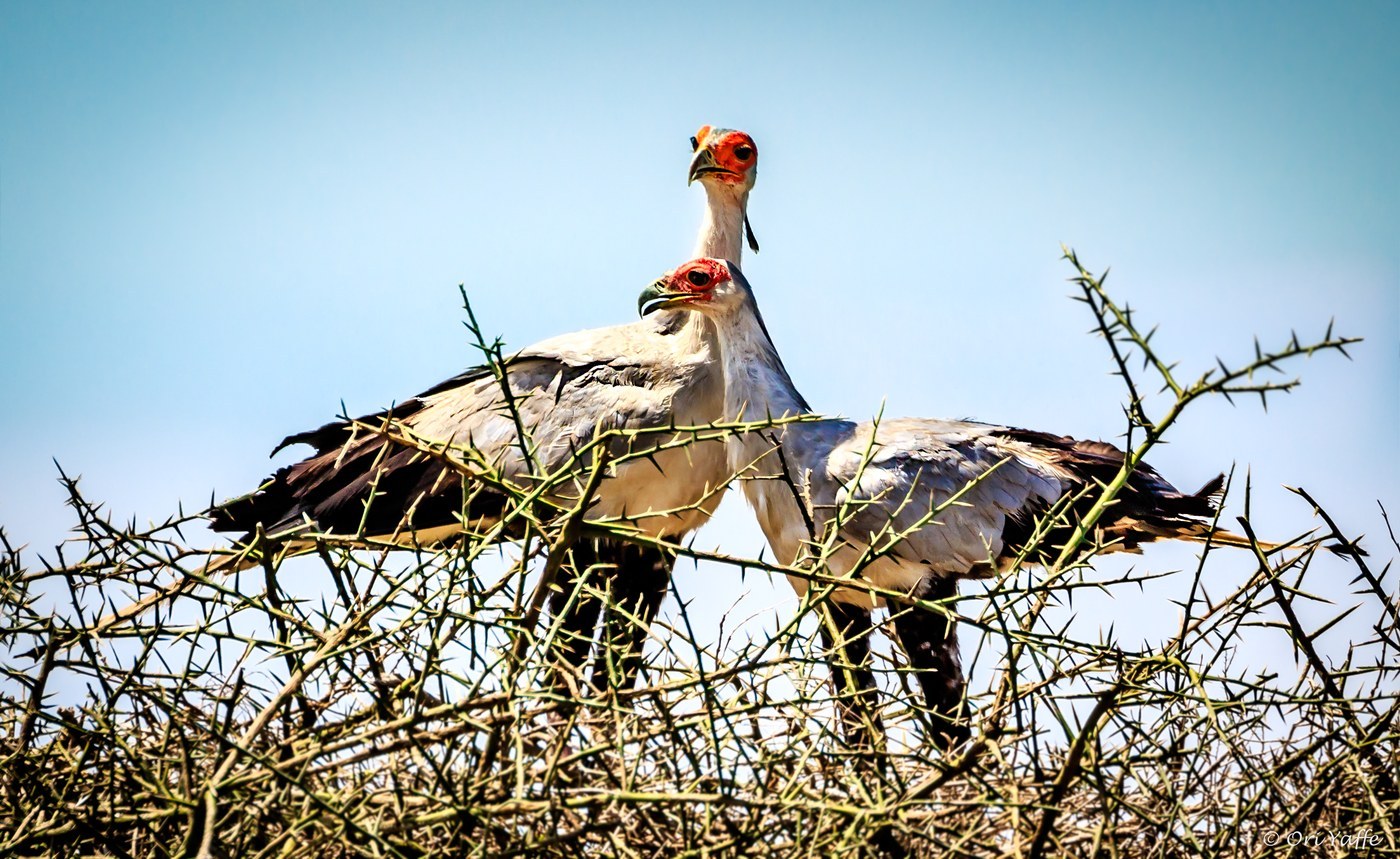
Secretarybird
Long crest feathers; broad flight feathers; elongated central tail feathers

Orange-breasted Falcon
Broad-based pointed flight feathers; bold breast and belly feathers
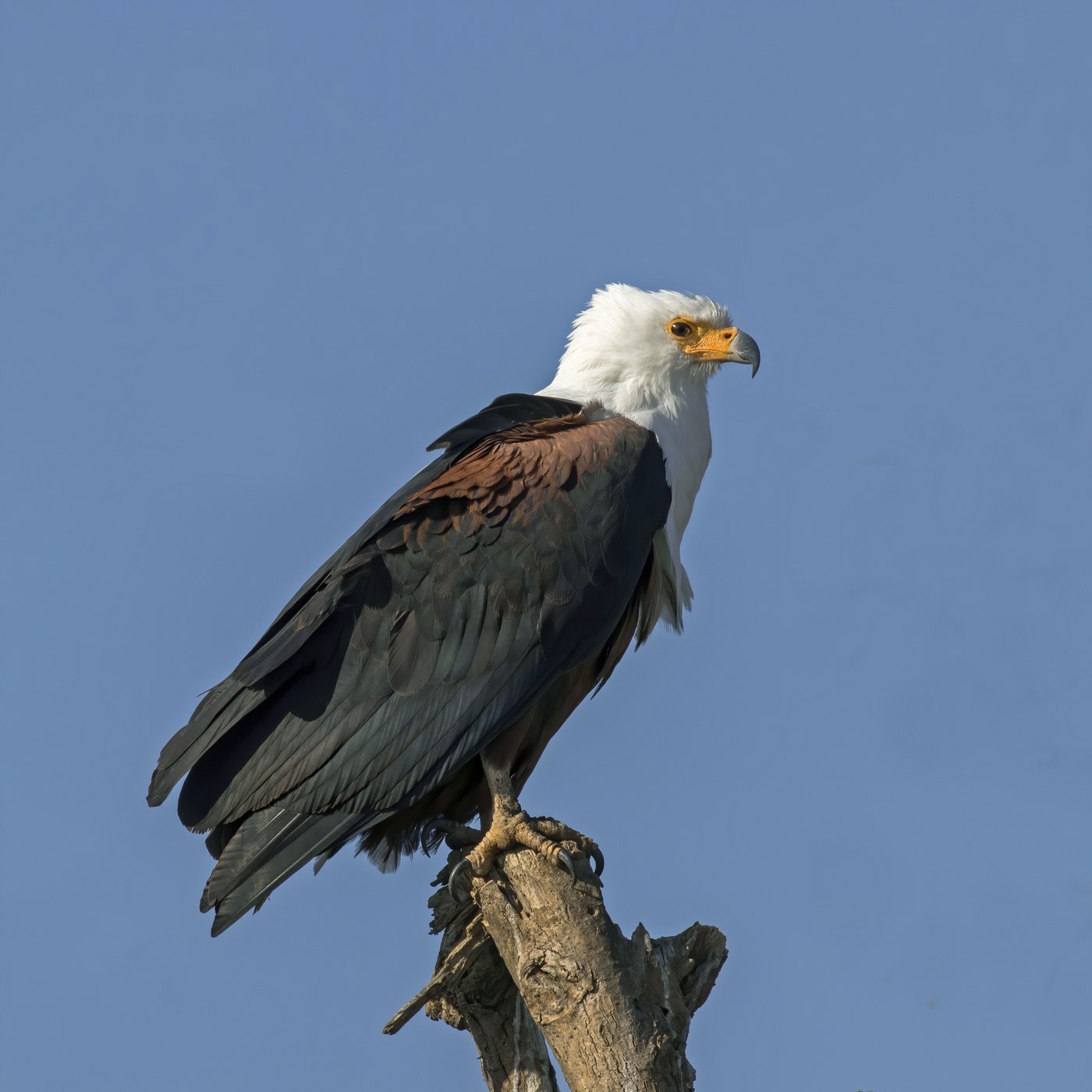
African Fish Eagle
Flight, tail, and body feathers

Amur Falcon
Slender pointed flight feathers; soft slate or orange-buff contour feathers
Red Kite
Flight (wing) and tail feathers
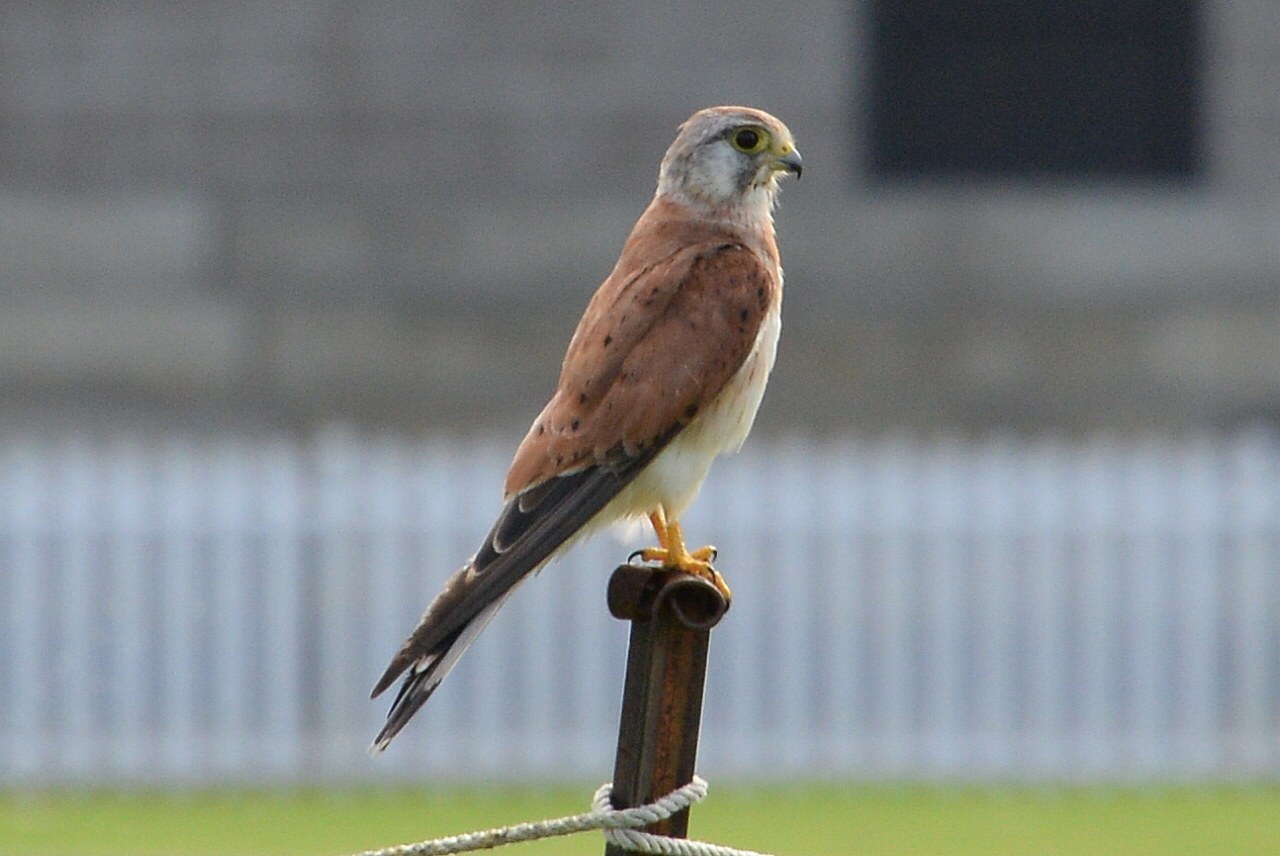
Nankeen Kestrel
Slim pointed flight feathers; lightly marked contour feathers

Andean Condor
Massive flight feathers; broad primaries and secondaries; sturdy tail feathers

Plumbeous Forest Falcon
Short rounded flight feathers; finely barred tail feathers

Sooty Falcon
Long pointed flight feathers; slim tail feathers