
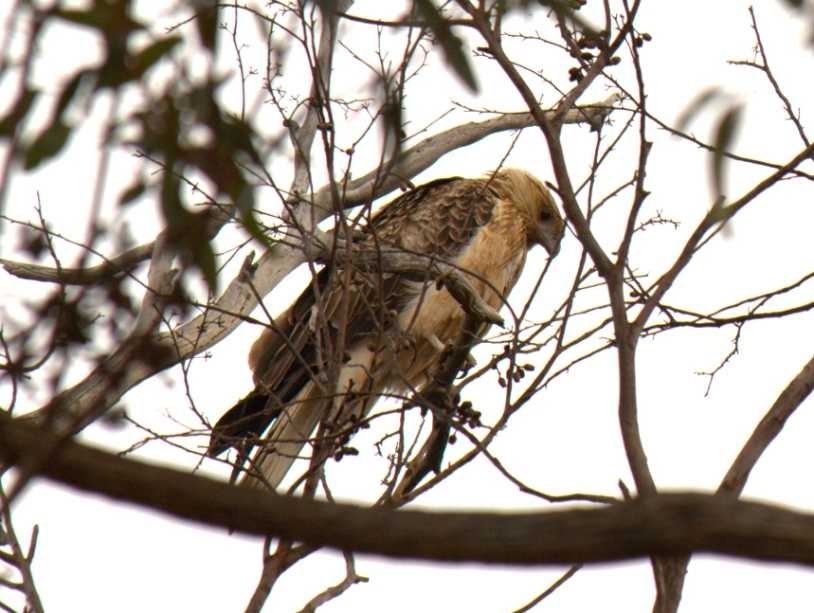
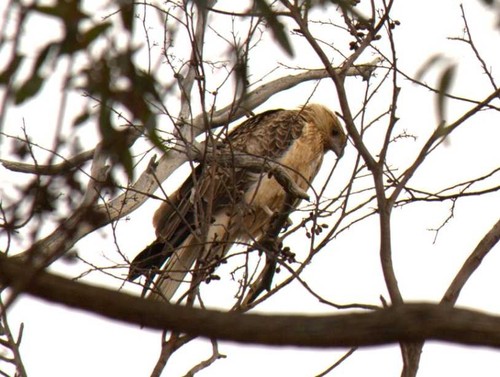
Whistling Kite
Haliastur sphenurus
A common, pale kite of Australia and New Guinea best known for its far-carrying whistled call, with buff-brown body feathers contrasting against darker flight feathers in flight.
- Feather type
- Long broad wings, rounded wedge-shaped tail
- Colours
- Pale buffy-brown overall with darker flight-feather tips
- Bird size
- Medium kite, ~50-60 cm
Found a feather like this?
Identify any feather from a photo, free.
Overview
The Whistling Kite is one of the most familiar raptors of Australia and New Guinea, found across open country, wetlands, and coastal areas. Its plaintive, descending whistled call is often heard well before the bird is seen soaring overhead on broad, evenly held wings.
Identifying the Feather
Body and covert feathers are pale buff-brown with fine darker streaking, contrasting with darker flight feathers, giving a two-toned pale-and-dark look to the underwing in flight. The tail is rounded and wedge-shaped rather than deeply forked, differing from many other kites. Overall feathers are less strongly patterned than those of many raptors, with a soft, evenly toned buff-brown appearance.
Plumage & Molt
Adults are pale buff-brown overall with a paler head and underparts and a somewhat darker back, and there is no pronounced difference between the sexes. Juveniles look broadly similar to adults but appear more mottled and less evenly toned. There is little seasonal plumage variation in this largely non-migratory species.
Habitat & Range
This kite occupies open woodland, wetlands, farmland, and coastal habitats across Australia and New Guinea. Rather than undertaking long-distance migration, it is partly nomadic or dispersive, moving in response to local food availability and water conditions.
Behavior & Field Notes
It is an opportunistic feeder, taking carrion, small vertebrates, and insects, often congregating near water, grass fires, or agricultural activity where prey is exposed. Flight is buoyant, with wingtips flexed upward while soaring, and its distinctive descending whistled call is a characteristic sound of the Australian countryside. Nests are stick platforms built in trees, often near water.
Frequently asked questions
What call is Whistling Kite named for?
A distinctive, far-carrying descending whistle, often heard before the bird is seen.
How can you recognize its feathers?
Pale buff-brown body and covert feathers contrasting with darker flight feathers, and a rounded, wedge-shaped rather than forked tail.
Is Whistling Kite migratory?
No, it is largely nomadic or dispersive, moving locally in response to food and water rather than undertaking long migrations.
What does Whistling Kite eat?
It is an opportunistic feeder on carrion, small vertebrates, and insects, often near water or disturbed ground.
Whistling Kite guides
In-depth guides for identifying and understanding Whistling Kite.
Other feathers you may enjoy

Australian Hobby
Long, narrow pointed flight feathers; slender tail feathers

California Condor
Massive flight feathers; long broad primaries; large tail feathers

Brown Falcon
Broad, rounded flight feathers; variable-toned contour feathers
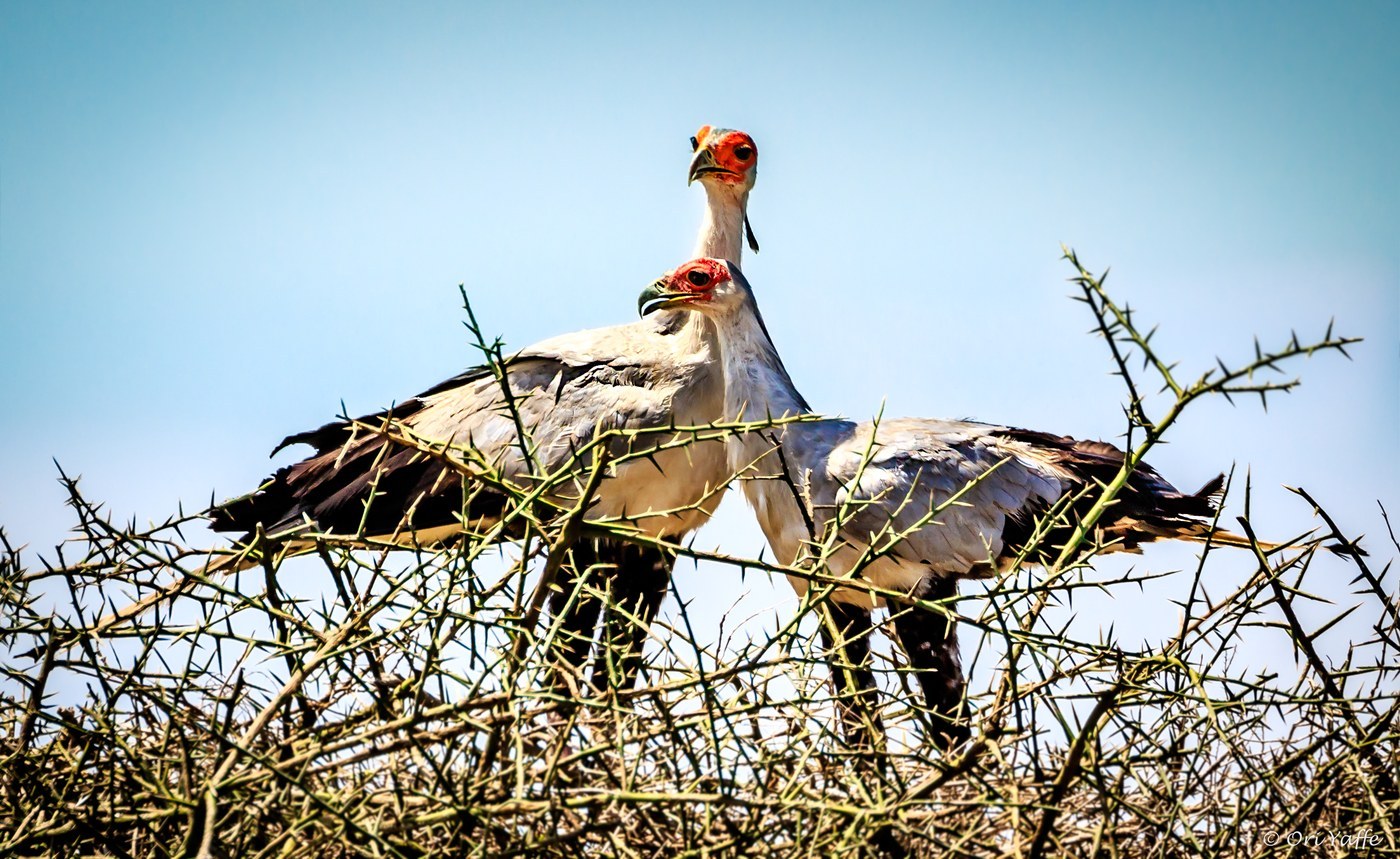
Secretarybird
Long crest feathers; broad flight feathers; elongated central tail feathers

Orange-breasted Falcon
Broad-based pointed flight feathers; bold breast and belly feathers
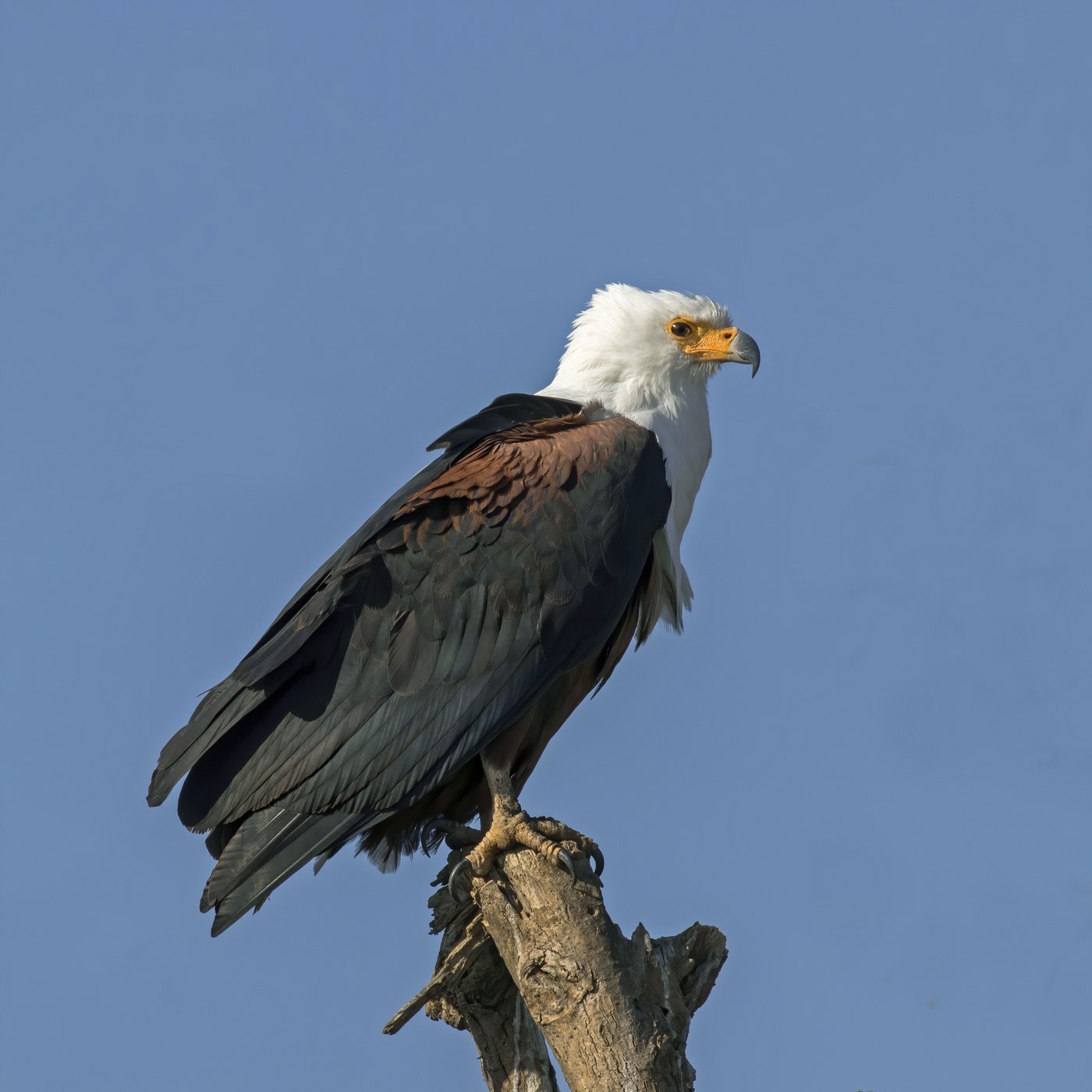
African Fish Eagle
Flight, tail, and body feathers

Amur Falcon
Slender pointed flight feathers; soft slate or orange-buff contour feathers
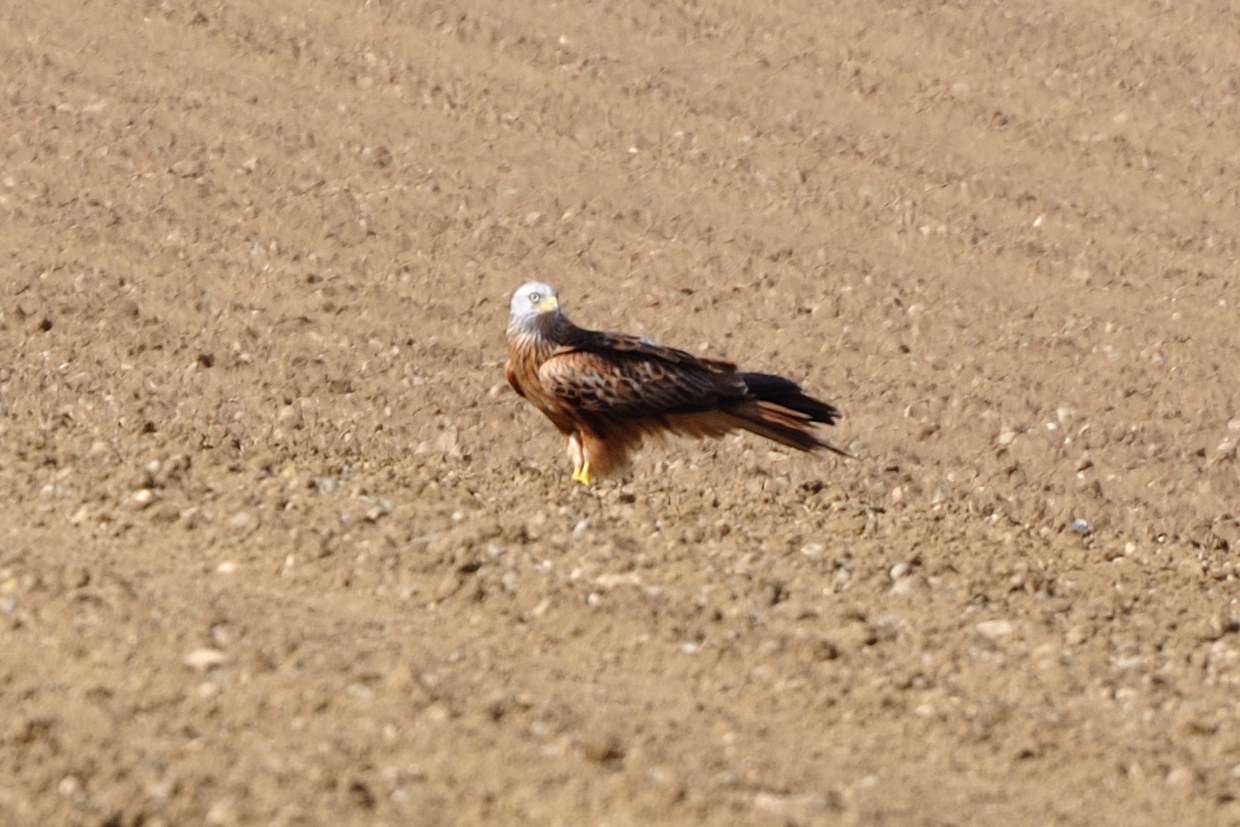
Red Kite
Flight (wing) and tail feathers
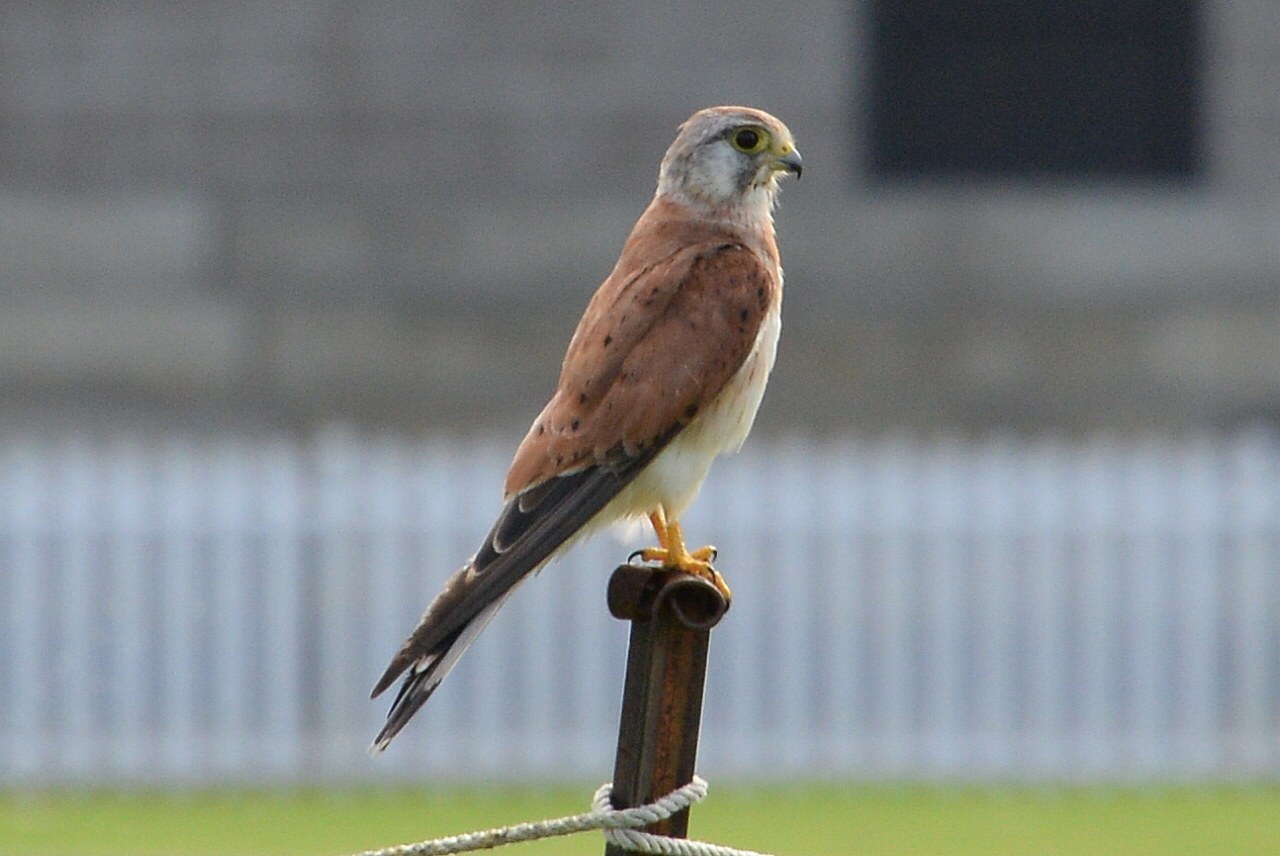
Nankeen Kestrel
Slim pointed flight feathers; lightly marked contour feathers

Andean Condor
Massive flight feathers; broad primaries and secondaries; sturdy tail feathers

Plumbeous Forest Falcon
Short rounded flight feathers; finely barred tail feathers

Sooty Falcon
Long pointed flight feathers; slim tail feathers