
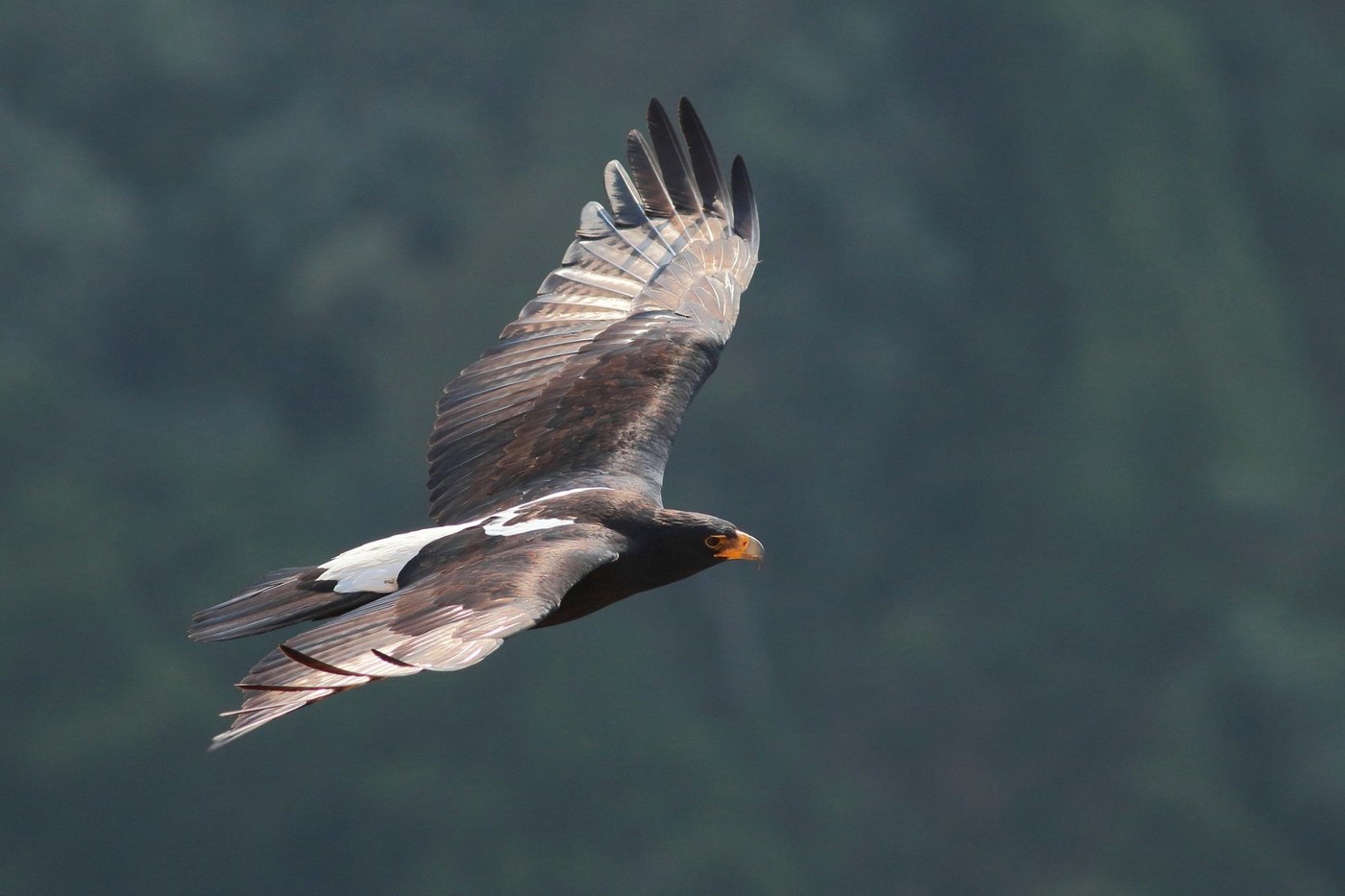
Verreaux's Eagle
Aquila verreauxii
Verreaux's Eagle, also called the Black Eagle, is a striking African mountain eagle almost entirely glossy black except for a white back patch and pale flight-feather 'windows.' Its long, broad wings and tail are shaped for soaring along cliffs and escarpments.
- Feather type
- Long broad fingered primaries; long broad tail; dense glossy contour feathers
- Colours
- Almost entirely glossy black body plumage with a bold white 'V' rump patch and pale windows near the primary bases
- Bird size
- Large eagle, ~78-96 cm, wingspan to 2.3 m
Found a feather like this?
Identify any feather from a photo, free.
Overview
Verreaux's Eagle
Verreaux's Eagle, often known as the Black Eagle, is one of Africa's most striking large raptors, closely tied to rocky, mountainous terrain and cliff faces where it nests and hunts. Its almost entirely black plumage, set against a bold white back patch, makes it one of the more visually distinctive eagles on the continent.
The species is a specialist hunter of hyraxes and other rock-dwelling prey, and its long, broad wings are built for slow, controlled soaring along cliff faces and ridgelines rather than fast open-country flight.
Identifying the Feather
Identifying Verreaux's Eagle Feathers
- Primaries: long, broad, and deeply fingered, black above; from below they show a translucent pale 'window' near the base contrasting with black tips and trailing edge.
- Secondaries: black, unbarred or only very faintly barred, contributing to the dark underwing.
- Tail feathers: black, broad, faintly barred at the base in some individuals, with a black terminal band.
- Body/covert feathers: glossy black; feathers from the lower back and rump are distinctively white, forming the bird's signature back patch.
- Compared to other African eagles, the near-total blackness combined with white back feathers is diagnostic; no other regional eagle shows this contrast.
Plumage & Molt
Plumage
Adults are almost entirely glossy black with a bold white 'V' or patch across the lower back and rump, and pale translucent windows at the base of the primaries visible in flight. Juveniles are quite different: pale golden-brown on the head and underparts with dark flight feathers, gradually darkening over several years to the full adult black plumage. Sexes are similar in plumage, with females larger. Molt is gradual and typically spans more than a year given the bird's large size.
Habitat & Range
Habitat & Range
Resident across mountainous, hilly, and rocky regions of sub-Saharan Africa, with an isolated population in the Arabian Peninsula. It favors cliffs, escarpments, gorges, and koppies where it can nest on ledges and hunt over adjacent slopes. Largely non-migratory, remaining on or near its breeding territory year-round.
Behavior & Field Notes
Behavior & Field Notes
Verreaux's Eagle is a specialist predator of rock hyraxes, using low, fast contour-hugging flights along cliff faces to surprise prey. Pairs build large stick nests on cliff ledges, reused and added to over many years. Vocalizations include a range of yelping and barking calls given mainly near the nest. A found feather that is glossy black with a translucent primary window, especially near rocky escarpments in Africa, points strongly to this species.
Frequently asked questions
What makes a Verreaux's Eagle feather easy to identify?
Its near-total glossy black coloration combined with the distinctive pale, translucent window near the base of the primaries and the white feathers from the back patch make it one of the more recognizable large eagle feathers in Africa.
Why is it also called the Black Eagle?
Its plumage is almost entirely black except for the white back patch, giving rise to the common alternate name Black Eagle used across much of its African range.
Do juveniles have black feathers too?
No, juveniles are pale golden-brown on the head and underparts with darker flight feathers, and only develop the full glossy black adult plumage after several years of maturation.
Where is this species typically found?
It is resident in mountainous, rocky, and cliff-lined terrain across sub-Saharan Africa and a small area of the Arabian Peninsula, rarely straying far from such habitat.
Verreaux's Eagle guides
In-depth guides for identifying and understanding Verreaux's Eagle.
Other feathers you may enjoy

Australian Hobby
Long, narrow pointed flight feathers; slender tail feathers

California Condor
Massive flight feathers; long broad primaries; large tail feathers

Brown Falcon
Broad, rounded flight feathers; variable-toned contour feathers
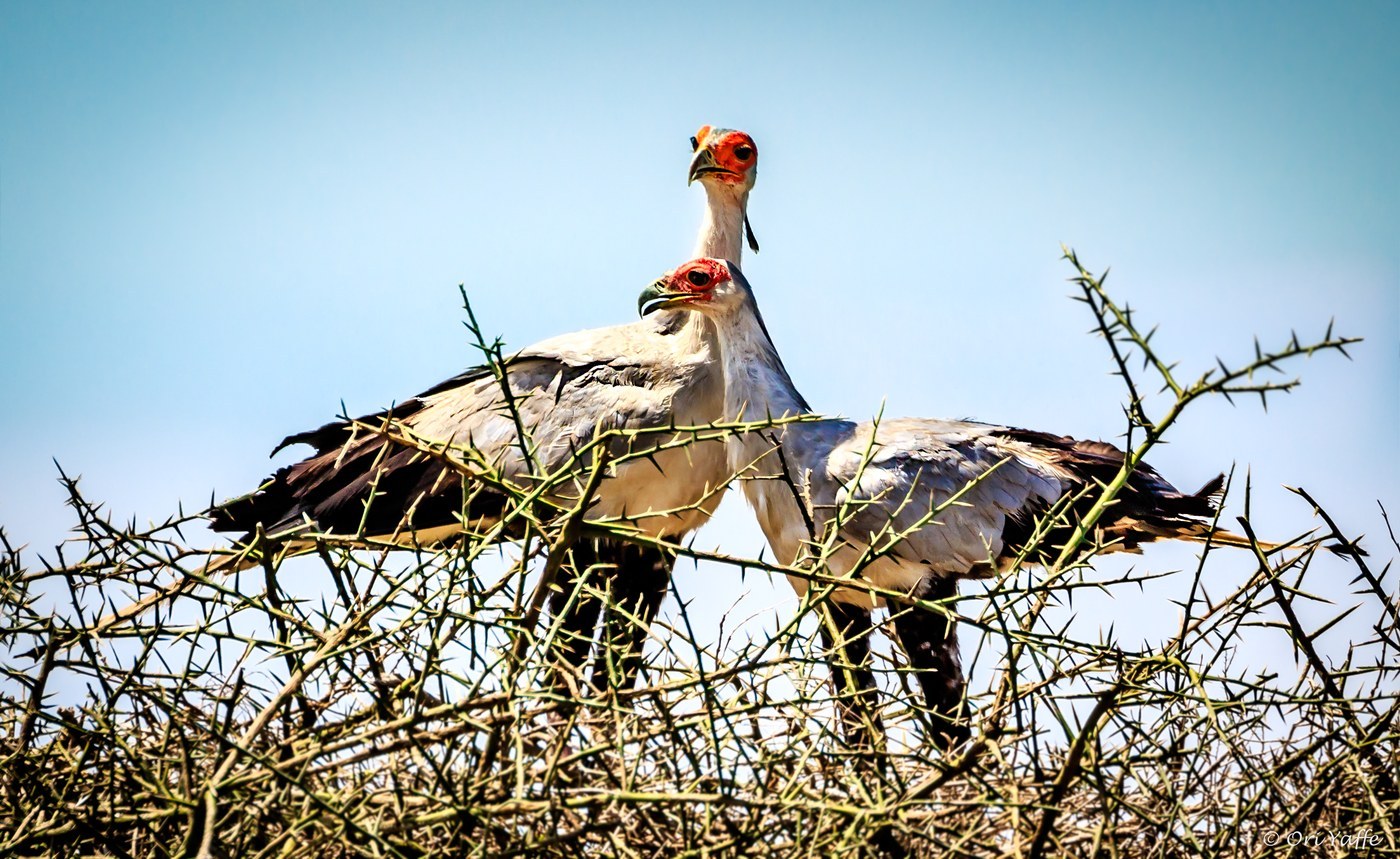
Secretarybird
Long crest feathers; broad flight feathers; elongated central tail feathers

Orange-breasted Falcon
Broad-based pointed flight feathers; bold breast and belly feathers
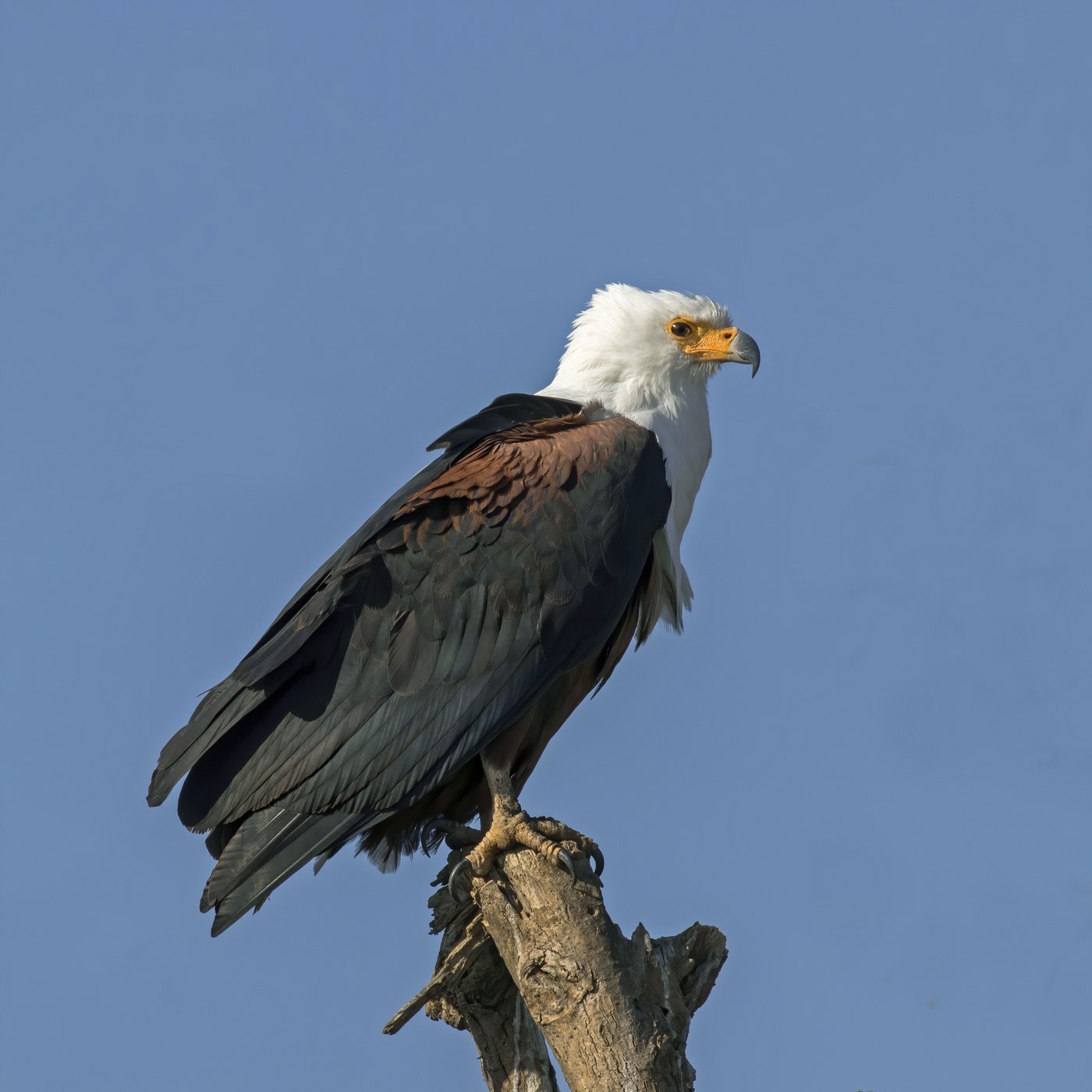
African Fish Eagle
Flight, tail, and body feathers

Amur Falcon
Slender pointed flight feathers; soft slate or orange-buff contour feathers
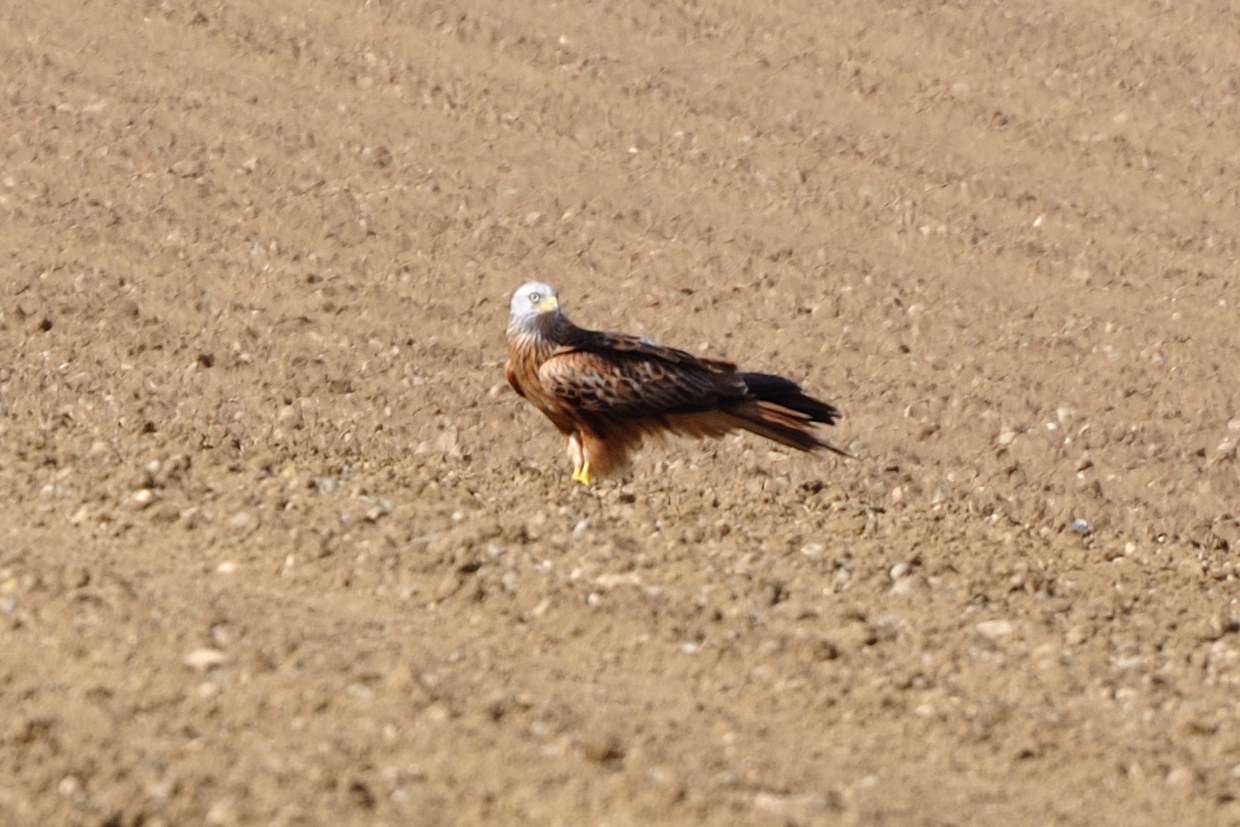
Red Kite
Flight (wing) and tail feathers
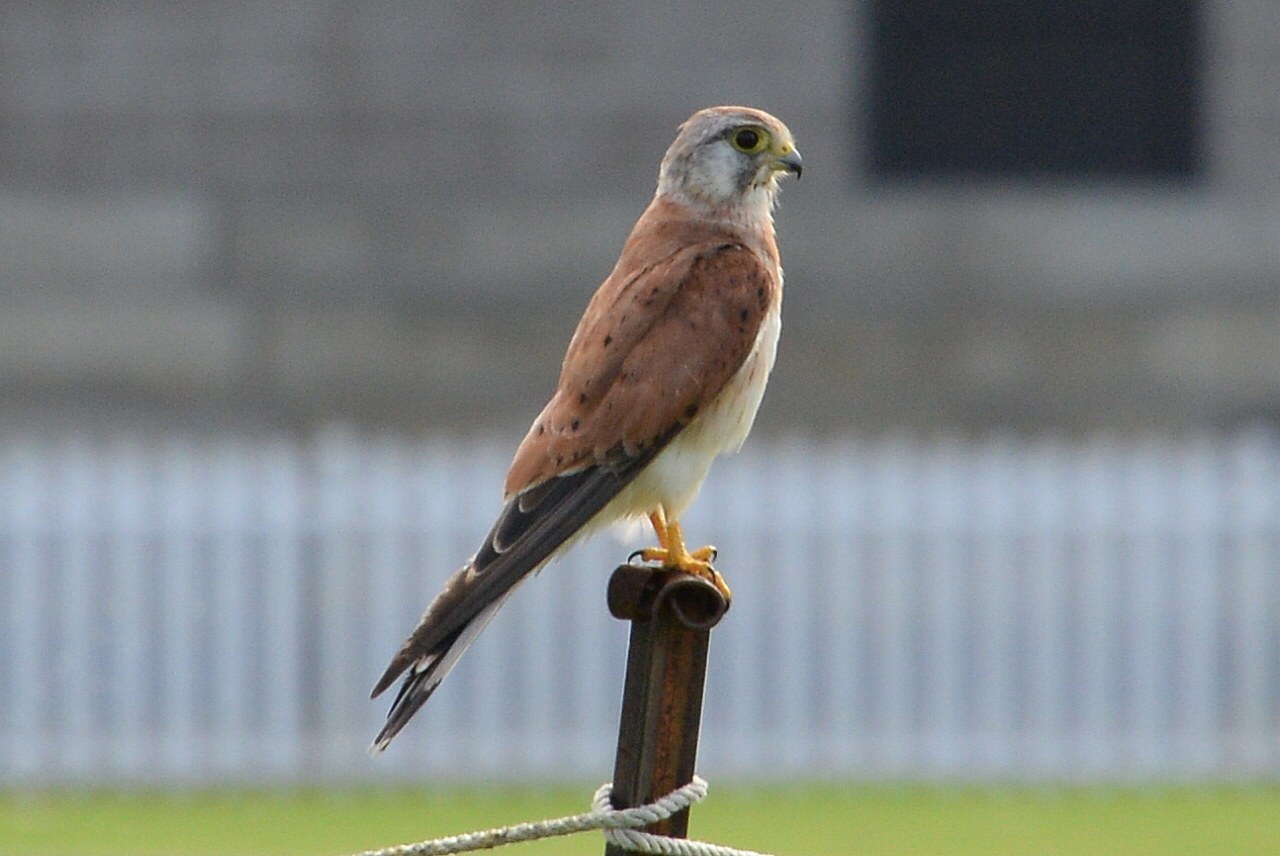
Nankeen Kestrel
Slim pointed flight feathers; lightly marked contour feathers

Andean Condor
Massive flight feathers; broad primaries and secondaries; sturdy tail feathers

Plumbeous Forest Falcon
Short rounded flight feathers; finely barred tail feathers

Sooty Falcon
Long pointed flight feathers; slim tail feathers