

Southern Ground Hornbill
Bucorvus leadbeateri
The Southern Ground Hornbill is a large, mostly terrestrial hornbill of southern African savanna, easily told by its black plumage, bare red facial skin, and heavy dark bill. It walks in small family groups across open grassland hunting for animal prey.
- Feather type
- Coarse contour feathers, large flight feathers
- Colours
- Glossy black overall with white primary flight feathers
- Bird size
- Turkey-sized, ~90-129 cm
Found a feather like this?
Identify any feather from a photo, free.
Overview
Overview
The Southern Ground Hornbill is one of the largest hornbill species and unusual within the family for spending most of its time walking on the ground rather than in trees. Its plumage is simple and dark, letting the bare colorful facial skin and heavy bill stand out as the primary field marks.
- Large, mostly ground-dwelling hornbill of open savanna
- Plumage is uniformly dark, contrasting with bright bare facial skin
- Lives in small cooperative family groups
Identifying the Feather
Feather Identification
Body feathers are coarse and glossy black, giving a somewhat matte, heavy appearance typical of large ground-dwelling birds. The most distinctive feather feature appears only in flight or on shed wing feathers: the primary flight feathers are white, forming a bright flash against the black body.
- Body: uniform black contour feathers, coarser than typical songbird feathers
- Primaries: white, visible mainly in flight or as isolated flight feathers
- Tail: black, unremarkable compared to the wing contrast
- Bare skin: red facial and throat skin (not feathered) is the strongest live-bird field mark
Black body feathers paired with white primaries distinguish this species' molted feathers from all-black birds of similar size.
Plumage & Molt
Plumage Notes
Both sexes share black plumage with white primaries, but differ in bare skin pattern: males show fully red facial and throat skin, while females typically show a patch of violet-blue skin on the throat. Juveniles have duller, more grayish bare skin and slightly browner-black plumage before maturing.
- Sexes are alike in feather plumage; differences are in bare skin color
- Juveniles show duller bare skin and a less glossy black body
- Molt is gradual with no separate breeding plumage
Habitat & Range
Habitat & Range
Found across savanna, grassland, and open woodland of southern and eastern Africa, generally avoiding dense forest.
- Non-migratory, resident within stable home-range territories
- Requires large tracts of open habitat with scattered trees for roosting and nesting
- Family groups defend and patrol extensive territories on foot
Behavior & Field Notes
Behavior & Field Notes
This hornbill forages mainly on the ground, walking in small cooperative groups while hunting for a range of small animal prey. Groups nest in large tree cavities, often reused across years.
- Voice: a deep, resonant booming call, often given at dawn and audible over long distances
- Nesting: large natural tree cavities, with cooperative breeding involving helper birds
- Field notes: look for black plumage with white primaries flashing in flight, paired with red bare facial skin and slow, deliberate ground-walking behavior
Frequently asked questions
How can you identify Southern Ground Hornbill feathers?
Coarse, glossy black body feathers combined with white primary flight feathers are the clearest identification features.
Do males and females look different?
Their plumage is alike, but males show fully red bare facial and throat skin while females typically show a violet-blue throat patch.
Why are the white feathers hard to see on a standing bird?
The white feathers are on the primaries, which are mostly hidden by the wing coverts until the bird flies or spreads its wings.
What habitat does this hornbill prefer?
Open savanna, grassland, and lightly wooded habitat across southern and eastern Africa, where it forages mostly on foot.
Southern Ground Hornbill guides
In-depth guides for identifying and understanding Southern Ground Hornbill.

Other feathers you may enjoy

Common Cuckoo
Flight and body feathers
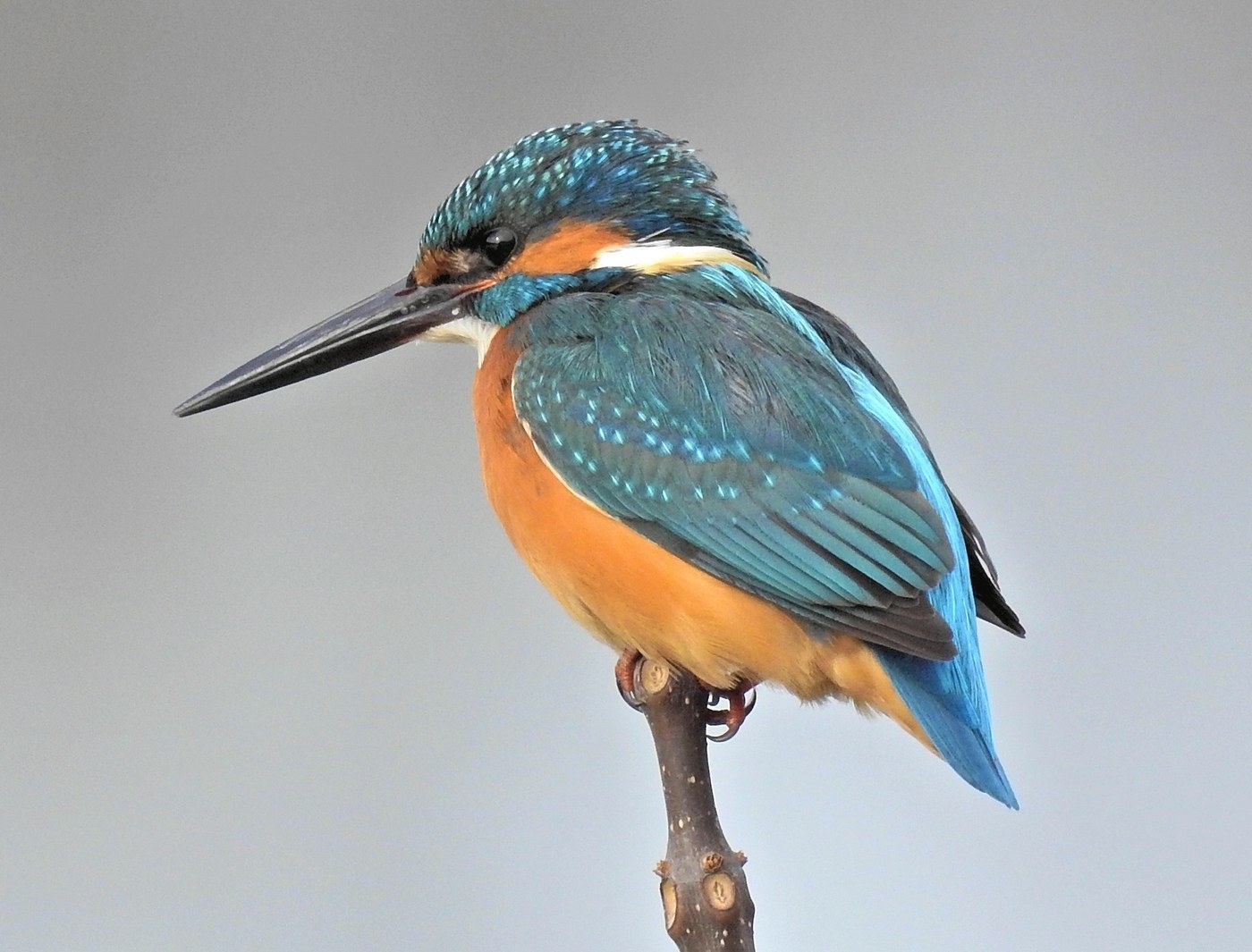
Common Kingfisher
Body (contour) and wing feathers
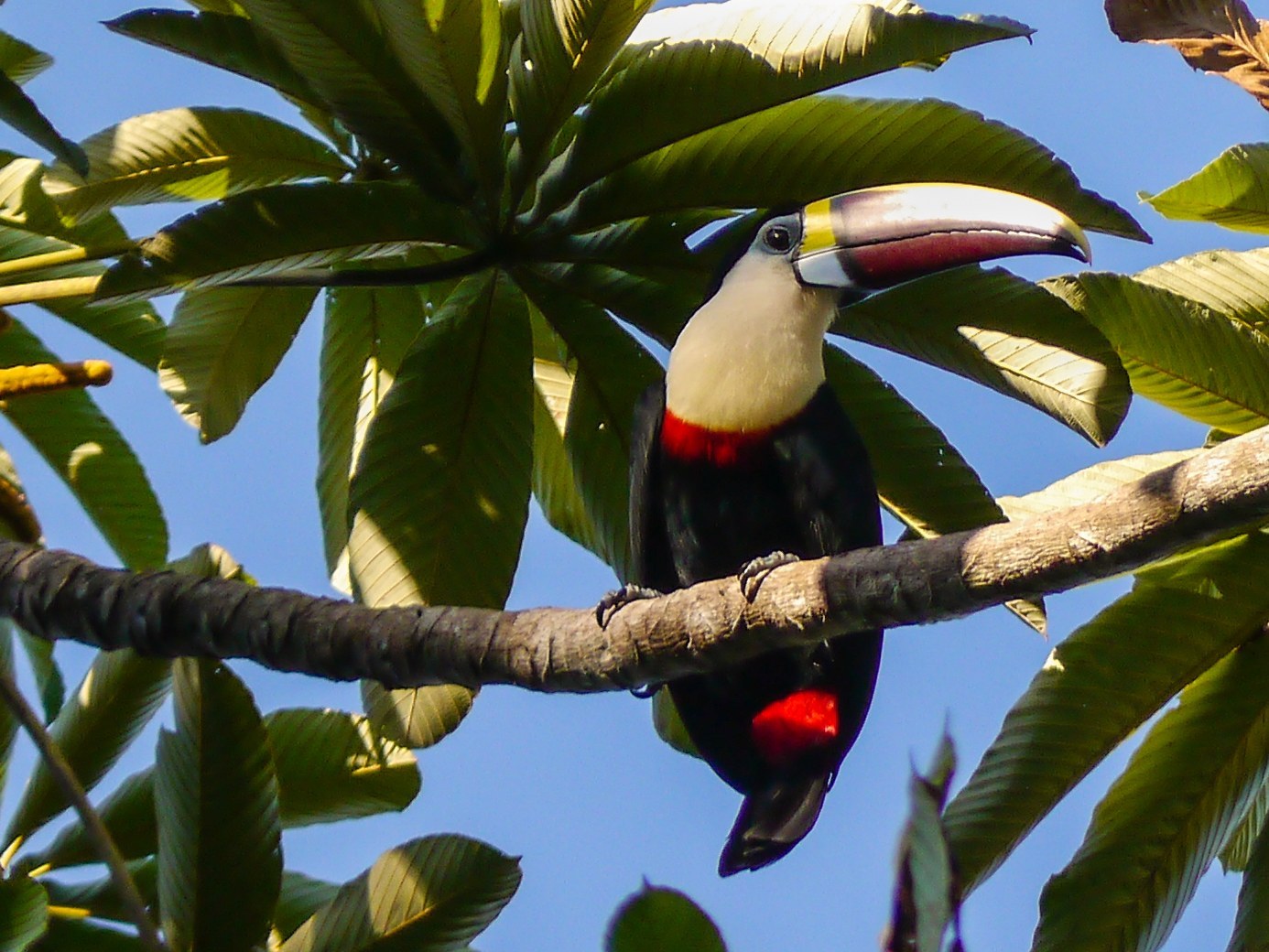
White-throated Toucan
Short rounded contour feathers, short broad wings
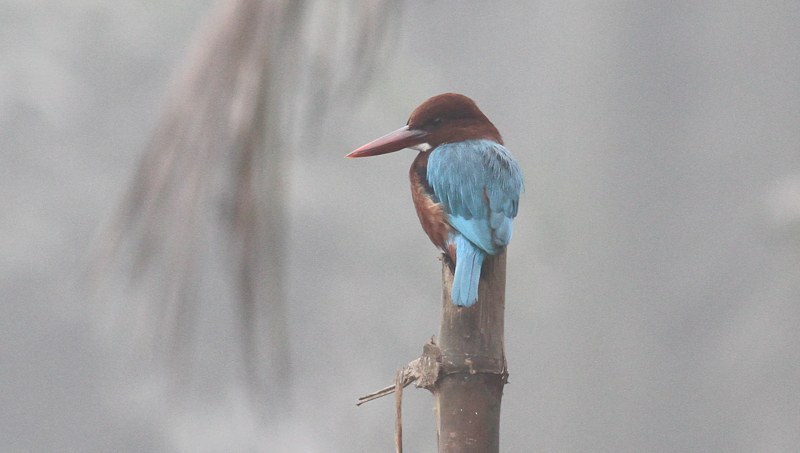
White-throated Kingfisher
Dense contour feathers; broad rounded wings

White-throated Bee-eater
Sleek, aerodynamic contour feathers; elongated central tail streamers
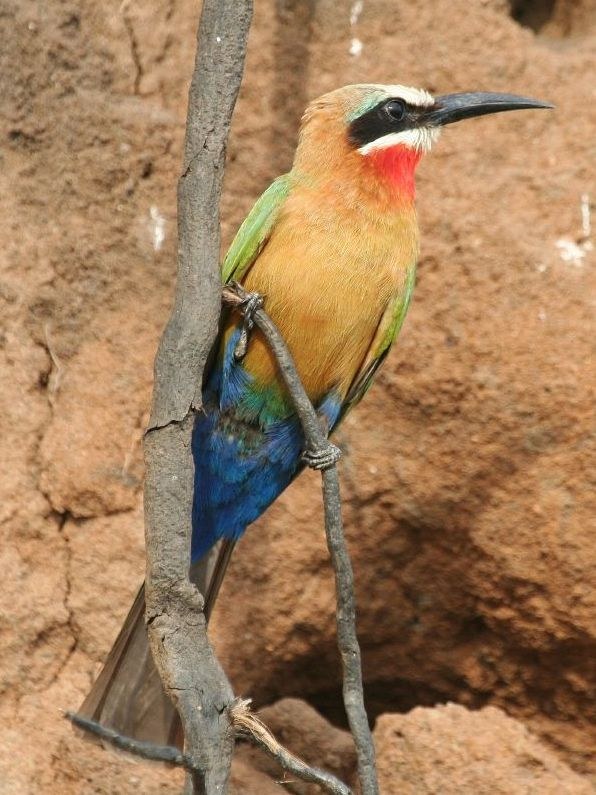
White-fronted Bee-eater
Sleek contour feathers; short tail with slight point

Southern Yellow-billed Hornbill
Slender contour feathers, moderate flight feathers
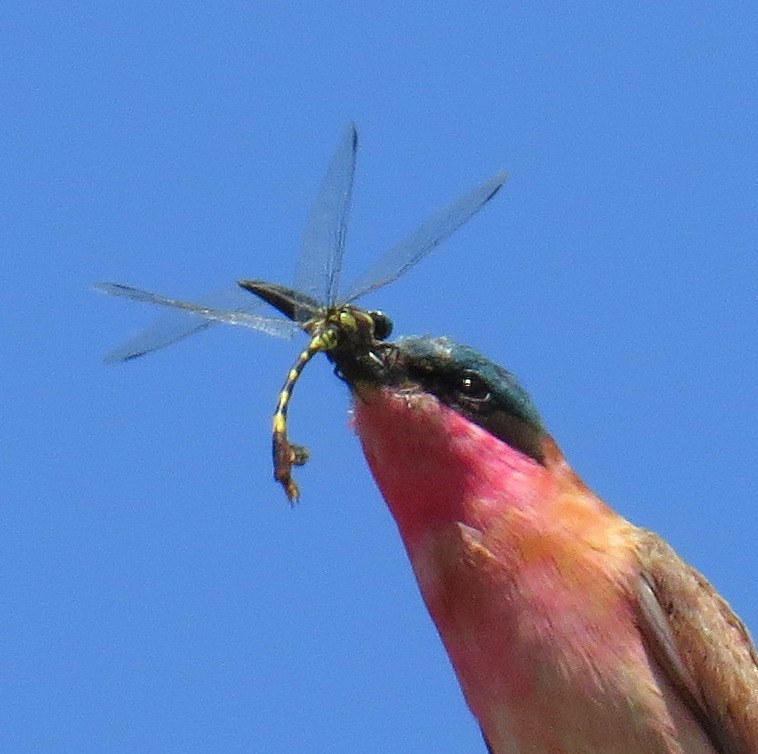
Southern Carmine Bee-eater
Sleek, pointed contour feathers; elongated central tail streamers
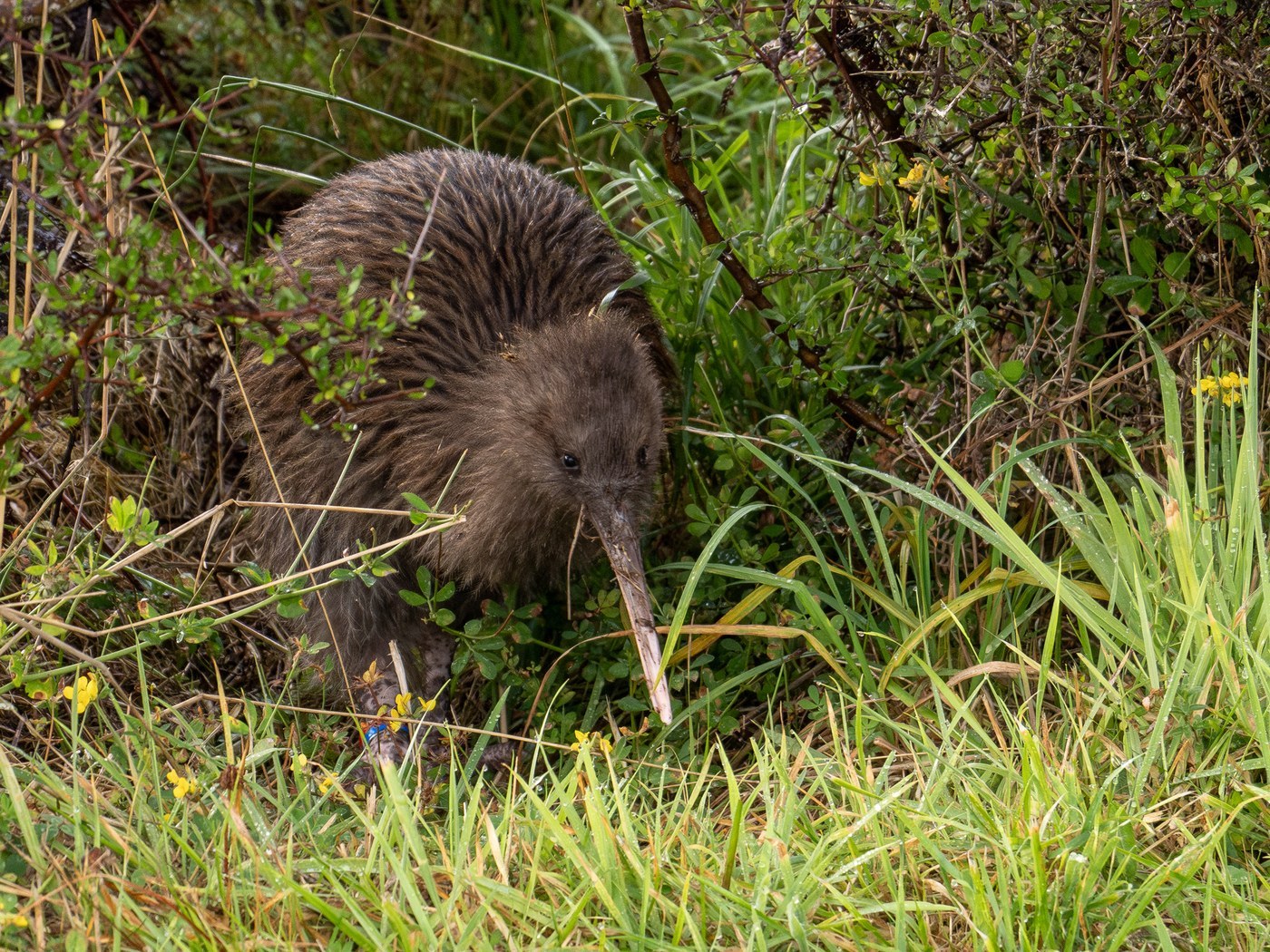
Southern Brown Kiwi
Shaggy, hair-like plumage with loose barbs lacking barbules; flightless, vestigial wings hidden beneath body feathers

Somali Ostrich
Loose, soft plumes lacking interlocking barbules

Wreathed Hornbill
Dense contour feathers, broad flight feathers

Woodland Kingfisher
Firm contour feathers; broad wing feathers