

Snail Kite
Rostrhamus sociabilis
A marsh-dwelling raptor with a thin, deeply curved bill for extracting apple snails, and feathers ranging from slaty gray in males to warm streaked brown in females and young birds.
- Feather type
- Broad rounded flight feathers; contrasting tail feathers; soft body feathers
- Colours
- Slate-gray male or streaky brown female/juvenile, with a whitish tail base and dark tail band
- Bird size
- Medium raptor, ~36-48 cm
Found a feather like this?
Identify any feather from a photo, free.
Overview
The Snail Kite is a wetland specialist found from Florida through Central America and much of South America, tied closely to freshwater marshes that support large populations of apple snails, its primary prey.
Adult males are almost entirely slate-gray, while females and immatures are heavily streaked brown, giving the species a striking difference in plumage between ages and sexes that is unusual among kites.
In all plumages, the tail shows a whitish base and a dark band near the tip, a useful marker even on an isolated tail feather.
Identifying the Feather
Shape and Size
Wings are broad and rounded rather than pointed, an adaptation for slow, low flight over marsh vegetation while scanning for snails. Tail feathers are moderate length with a squared tip.
Color and Pattern
- Adult male body and covert feathers: uniform slate-gray
- Adult female and juvenile body feathers: warm brown with heavy dark streaking, and a pale supercilium
- Tail feathers in all plumages: whitish or pale gray base with a dark subterminal band, unlike solidly colored kite tails
- Shafts: dark
Distinguishing from Similar Species
The pale-based, dark-banded tail feather is a strong clue distinguishing this species from other American kites, which typically have plain or all-dark tails. Female and juvenile body feathers, heavily streaked brown, can resemble a small buteo but the tail pattern and marsh habitat context help confirm identity.
Plumage & Molt
Adult males are almost uniformly slate-gray with a white tail base and terminal dark band; adult females and juveniles are dark brown above and heavily streaked buff-and-brown below, with a whitish face stripe. Immature males gradually molt into gray adult plumage over a couple of years.
Molt is tied to the wetland prey cycle rather than a strict calendar, often extending across much of the year in resident populations.
Habitat & Range
Restricted to freshwater marshes, shallow lakes, and wet prairies that support apple snails, including the Everglades of Florida, and extensive wetlands through Mexico, Central America, and South America to Argentina.
Many populations are largely resident but can be locally nomadic, shifting between wetlands as water levels and snail abundance change.
Behavior & Field Notes
Flies slowly and low over marsh vegetation, dropping down to pluck apple snails from the water's surface or shallow water, then carries them to a perch to extract the snail with its narrow, deeply hooked bill.
Nests in emergent marsh vegetation or low trees near water, sometimes in loose colonies. Calls include harsh, cackling notes.
A streaked brown or gray feather with a pale-and-dark banded tail feather, found at a marsh edge, points strongly to this species.
Frequently asked questions
Why do male and female feathers look so different?
Snail Kites show marked sexual dimorphism, with slate-gray adult males contrasting against heavily streaked brown females and juveniles, more pronounced than in most other kites.
What is the best single feather clue?
A tail feather with a pale or whitish base and a dark band near the tip is distinctive across all ages and sexes of this species.
Where in North America might I find this feather?
Freshwater marshes in central and southern Florida, including the Everglades region, are the main U.S. location.
Do juveniles look like adult females?
Juveniles closely resemble adult females, with brown streaked plumage, and only gradually differentiate as males molt toward gray with age.
Snail Kite guides
In-depth guides for identifying and understanding Snail Kite.

Other feathers you may enjoy

Australian Hobby
Long, narrow pointed flight feathers; slender tail feathers

California Condor
Massive flight feathers; long broad primaries; large tail feathers

Brown Falcon
Broad, rounded flight feathers; variable-toned contour feathers
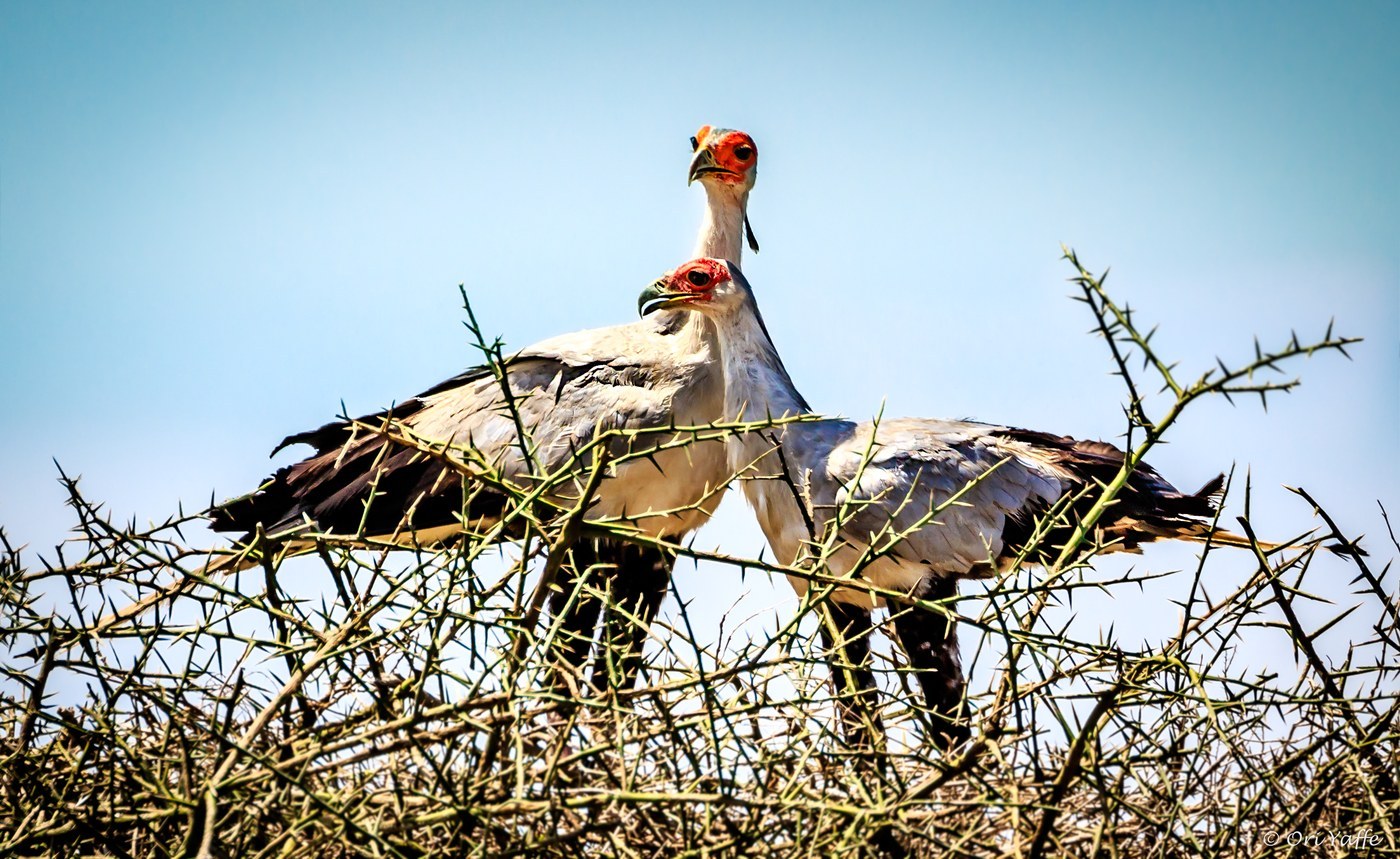
Secretarybird
Long crest feathers; broad flight feathers; elongated central tail feathers

Orange-breasted Falcon
Broad-based pointed flight feathers; bold breast and belly feathers
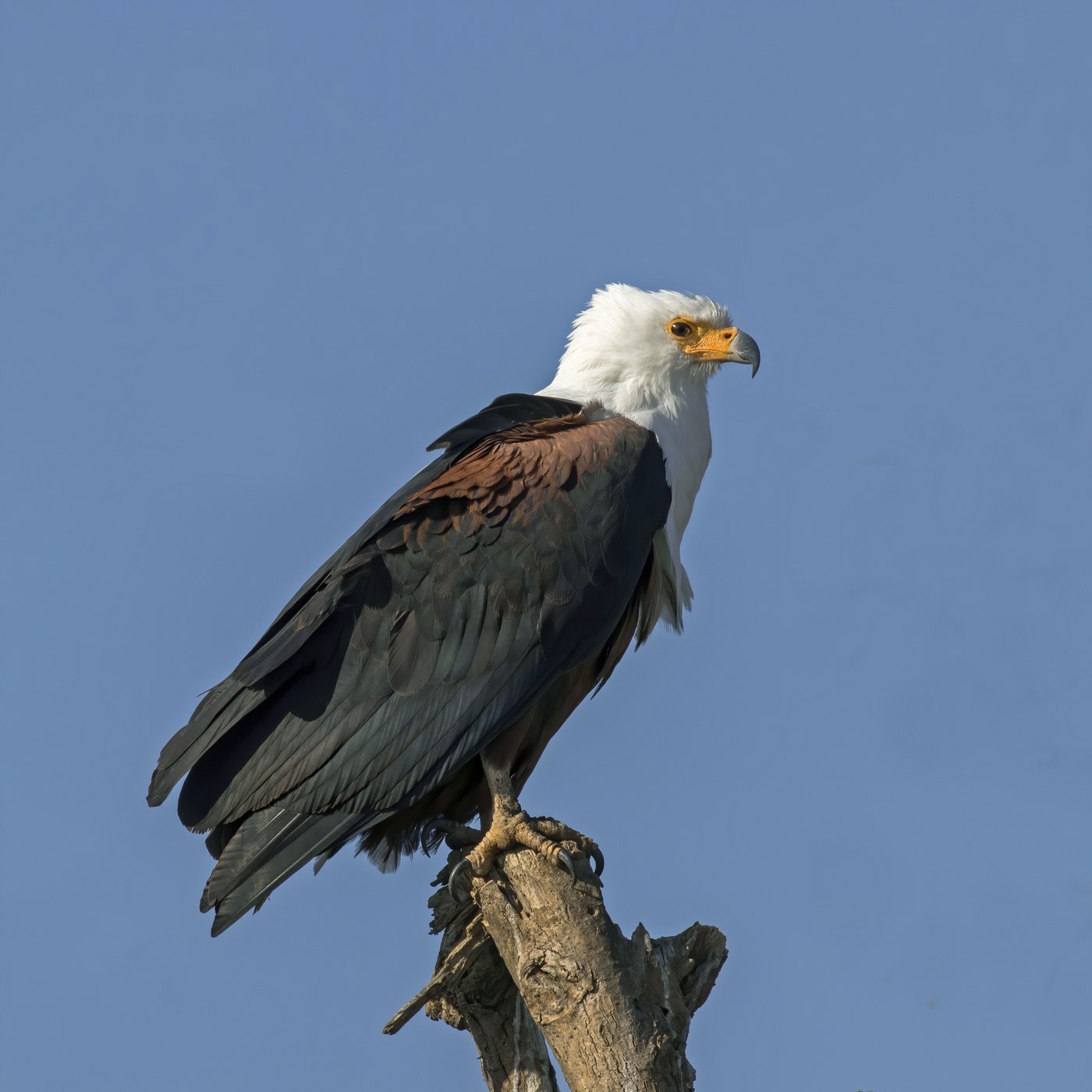
African Fish Eagle
Flight, tail, and body feathers

Amur Falcon
Slender pointed flight feathers; soft slate or orange-buff contour feathers
Red Kite
Flight (wing) and tail feathers
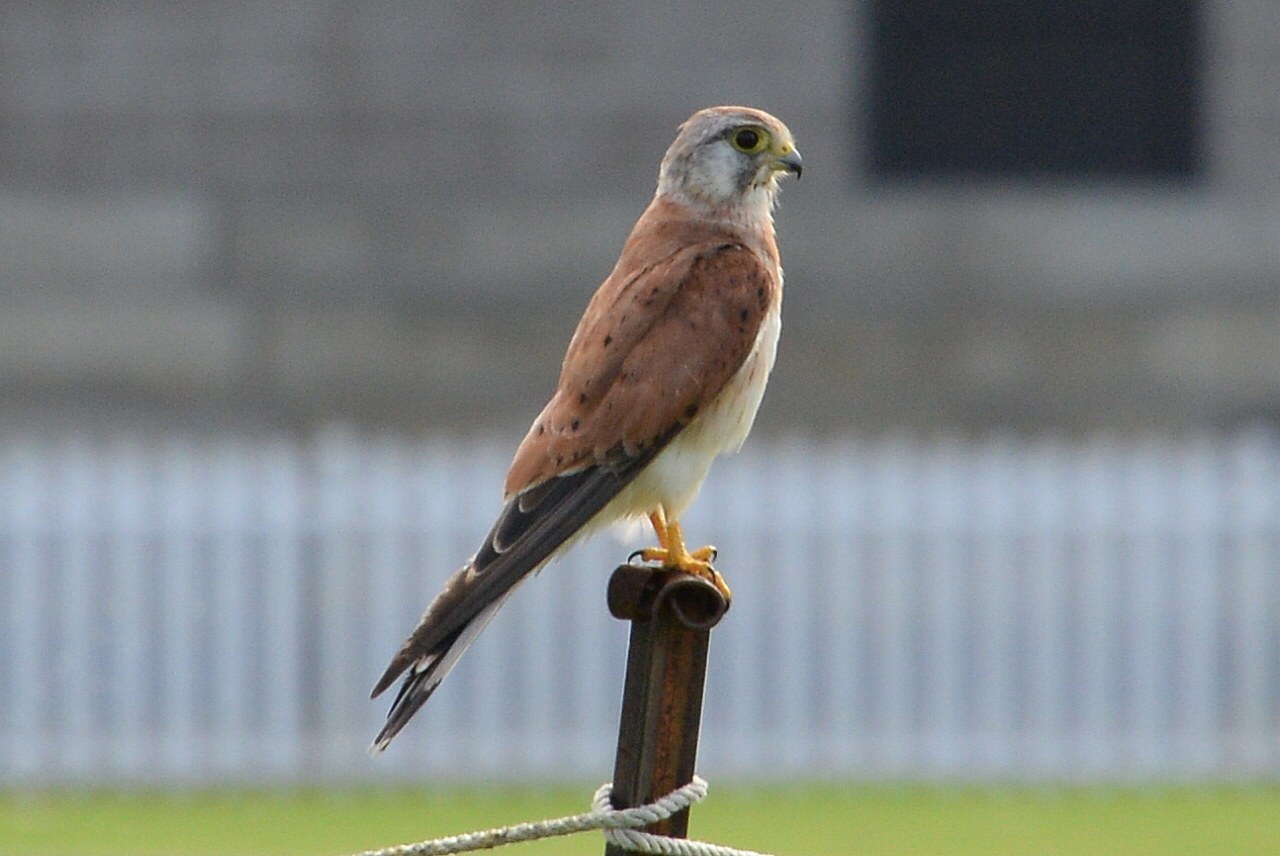
Nankeen Kestrel
Slim pointed flight feathers; lightly marked contour feathers

Andean Condor
Massive flight feathers; broad primaries and secondaries; sturdy tail feathers

Plumbeous Forest Falcon
Short rounded flight feathers; finely barred tail feathers

Sooty Falcon
Long pointed flight feathers; slim tail feathers