

Short-toed Snake Eagle
Circaetus gallicus
The Short-toed Snake Eagle is a pale-bellied Eurasian eagle with brown upperparts, a mottled brown breast, finely barred flight and tail feathers, and a large owl-like head adapted for scanning the ground for reptile prey.
- Feather type
- Long broad rounded wings; long barred tail; dense feathers on head and upper breast giving an owl-like look
- Colours
- Brown upperparts; pale whitish underparts often mottled brown on the breast; underwing and tail finely barred grey-brown
- Bird size
- Medium-large eagle, ~62-69 cm, wingspan around 1.7-1.9 m
Found a feather like this?
Identify any feather from a photo, free.
Overview
Short-toed Snake Eagle
The Short-toed Snake Eagle, sometimes simply called the Short-toed Eagle, is a mid-sized Eurasian raptor specialized in hunting reptiles over open, dry terrain. Its pale underparts and large, rounded head with forward-set eyes give it a somewhat owl-like appearance in flight, useful for spotting camouflaged prey on the ground below.
It breeds across southern Europe, parts of the Middle East, and Central Asia, migrating to sub-Saharan Africa outside the breeding season, and its feathers reflect a build suited to slow hovering flight over open ground.
Identifying the Feather
Identifying Short-toed Snake Eagle Feathers
- Primaries/secondaries: long and broad, dark brown above, pale below with narrow, evenly spaced grey-brown barring.
- Tail feathers: fairly long with three or four broad, evenly spaced dark bands on a pale grey-brown ground, useful for distinguishing this species from similarly sized buteos.
- Body feathers: breast and upper belly feathers are whitish with variable brown mottling or streaking, while the lower belly is often cleaner white.
- Head feathers: dense, rounded feathering around the face gives a distinctive large-headed, owl-like silhouette.
- Compared to buzzards (Buteo species) in its range, the barring is generally more evenly spaced and the underparts paler and less variably patterned.
Plumage & Molt
Plumage
Adults show brown upperparts, a pale head and breast often washed or mottled with brown, and whitish underparts with fine, even barring on the flight feathers and tail. There is individual variation in how heavily marked the breast is. Juveniles are similar to adults with subtly different tone and pattern intensity. Sexes look alike. Molt occurs gradually, often interrupted by the long migratory journey between Eurasian breeding grounds and African wintering areas.
Habitat & Range
Habitat & Range
Breeds across southern Europe, North Africa, the Middle East, and into Central Asia and parts of the Indian subcontinent, favoring open dry country, scrub, and woodland edge with abundant reptile prey. Most populations are long-distance migrants, wintering in sub-Saharan Africa, though some southern populations are resident.
Behavior & Field Notes
Behavior & Field Notes
This species specializes in hunting reptiles, often hovering conspicuously at height while scanning the ground before dropping onto prey. It builds a modest stick nest in a tree, usually raising a single chick. Its call is a series of clear, whistled notes given mainly near the breeding territory. A pale, evenly barred flight or tail feather found in open scrub or dry farmland within its range is consistent with this species, distinguishable from similarly sized hawks by the regular spacing of its tail bands.
Frequently asked questions
How can I tell a Short-toed Snake Eagle feather from a buzzard's feather?
Its tail feathers typically show fewer, more evenly and widely spaced dark bands, and the underparts feathers tend to be paler overall than many sympatric buzzards.
Why does this species have such a large, rounded head?
Its dense facial feathering gives it a somewhat owl-like head shape, thought to aid in scanning the ground closely for camouflaged reptile prey.
Is this species migratory?
Most populations migrate long distances between Eurasian breeding grounds and wintering areas in sub-Saharan Africa, though some southern populations remain resident year-round.
What habitat is this species associated with?
Open, dry country such as scrubland, open woodland edge, and farmland with abundant basking reptiles, across southern Europe, the Middle East, and parts of Asia.
Short-toed Snake Eagle guides
In-depth guides for identifying and understanding Short-toed Snake Eagle.

Other feathers you may enjoy

Australian Hobby
Long, narrow pointed flight feathers; slender tail feathers

California Condor
Massive flight feathers; long broad primaries; large tail feathers

Brown Falcon
Broad, rounded flight feathers; variable-toned contour feathers
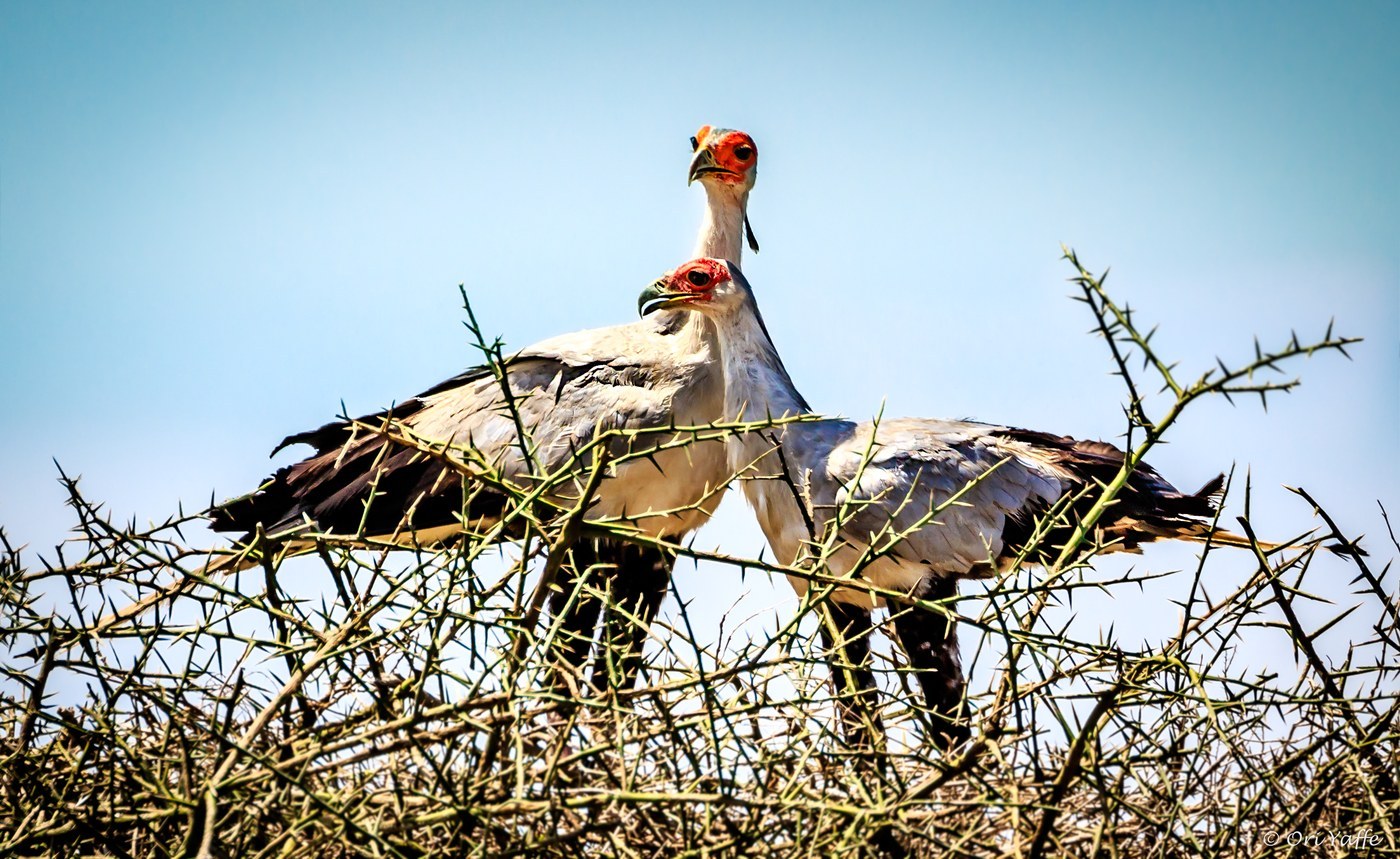
Secretarybird
Long crest feathers; broad flight feathers; elongated central tail feathers

Orange-breasted Falcon
Broad-based pointed flight feathers; bold breast and belly feathers
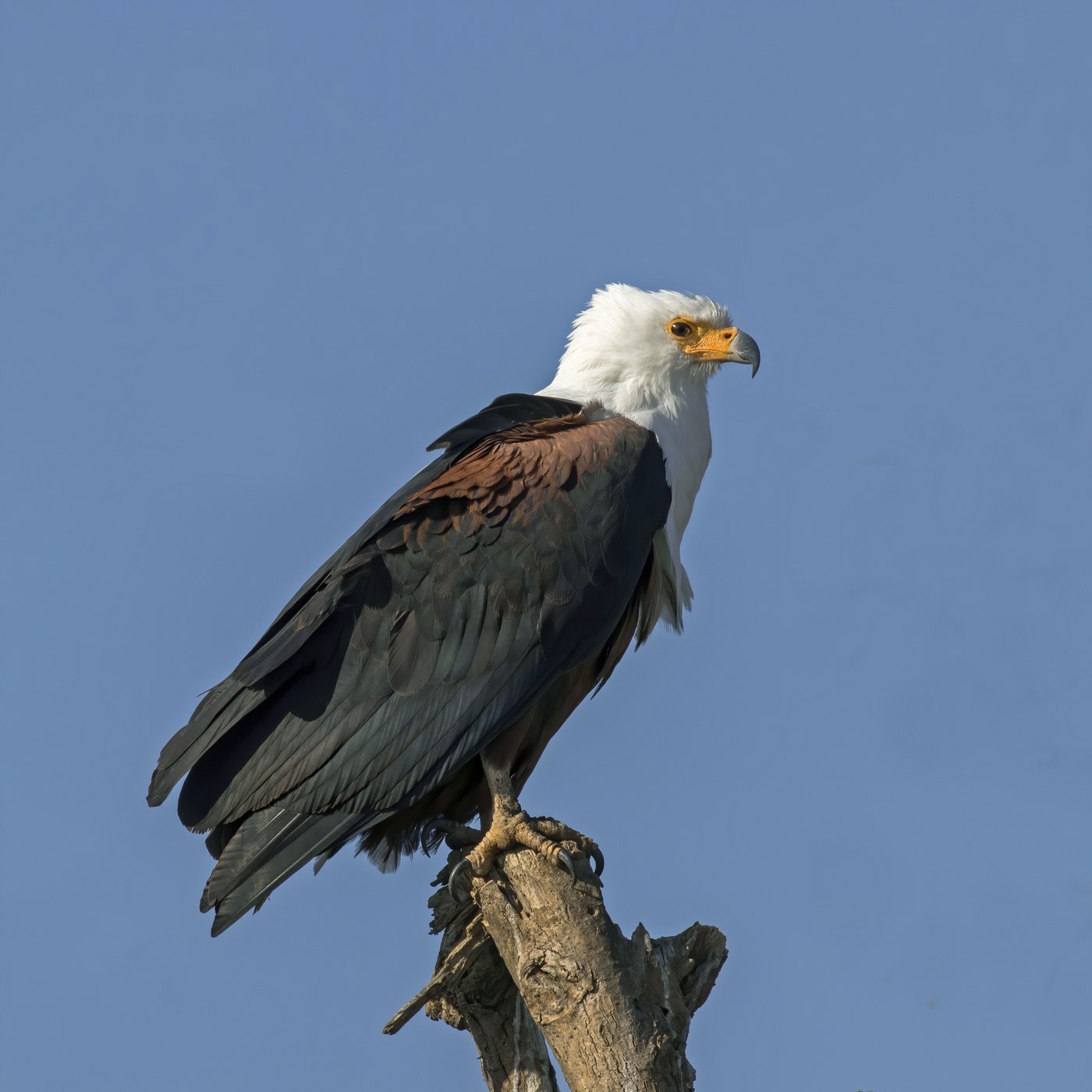
African Fish Eagle
Flight, tail, and body feathers

Amur Falcon
Slender pointed flight feathers; soft slate or orange-buff contour feathers
Red Kite
Flight (wing) and tail feathers
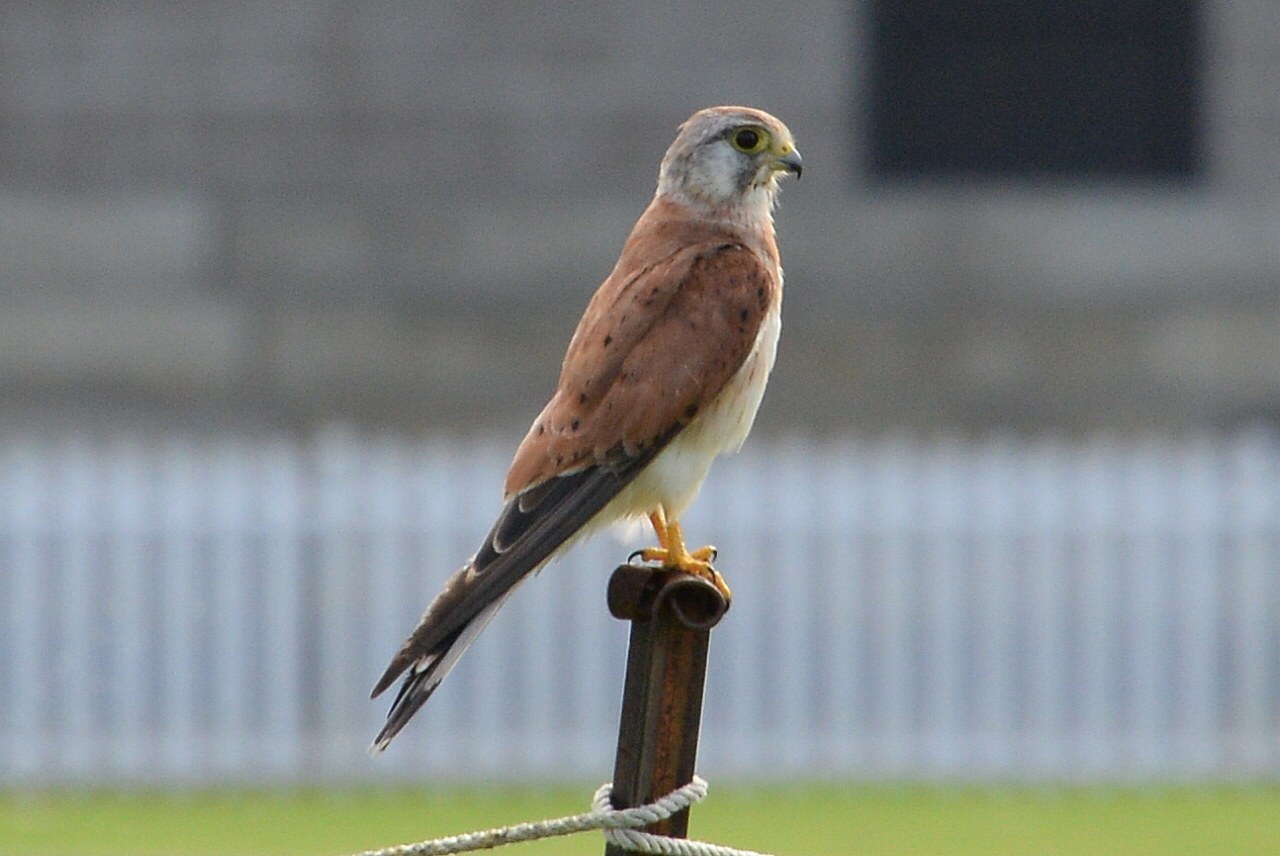
Nankeen Kestrel
Slim pointed flight feathers; lightly marked contour feathers

Andean Condor
Massive flight feathers; broad primaries and secondaries; sturdy tail feathers

Plumbeous Forest Falcon
Short rounded flight feathers; finely barred tail feathers

Sooty Falcon
Long pointed flight feathers; slim tail feathers