
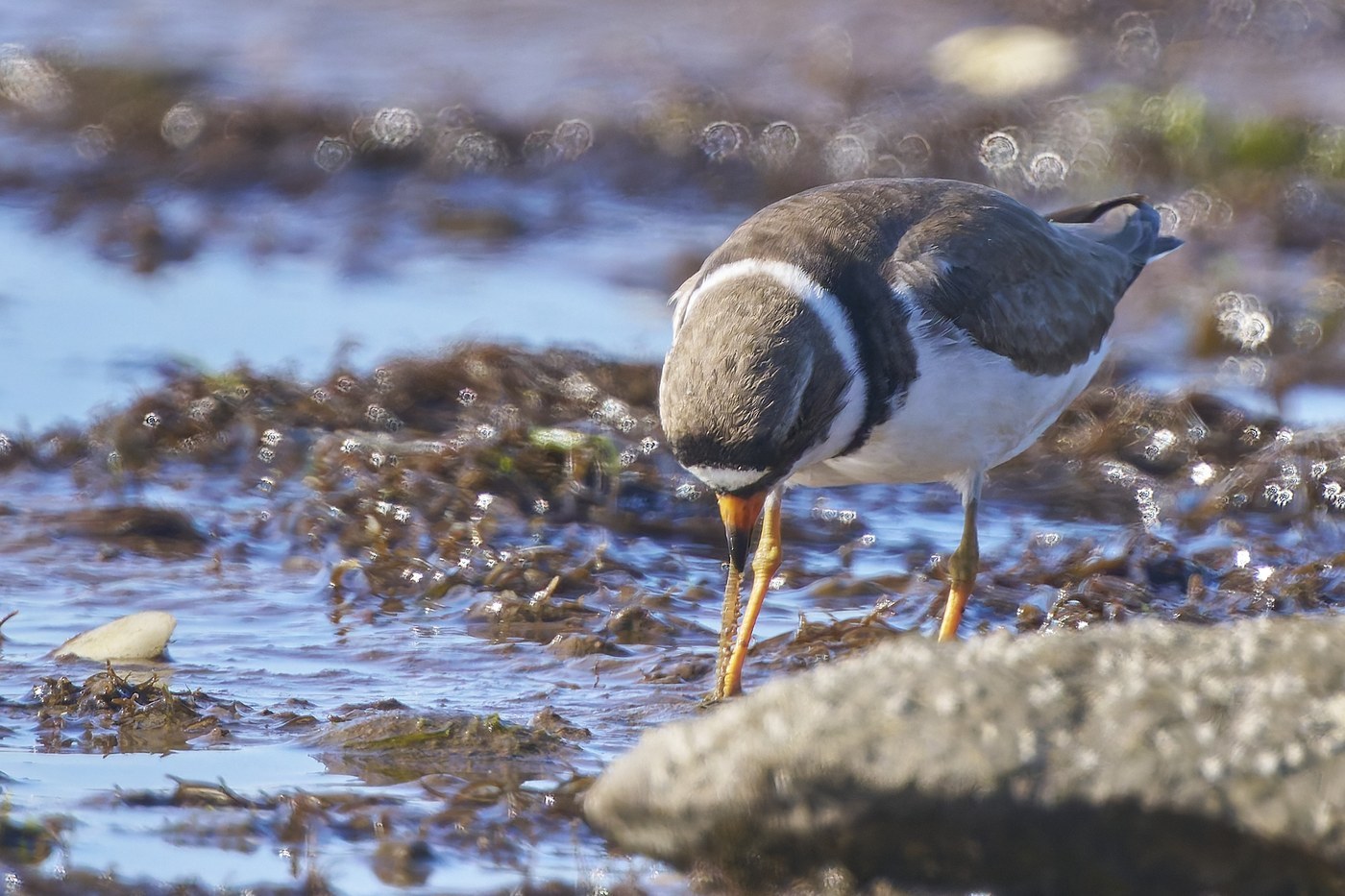
Semipalmated Plover
Charadrius semipalmatus
A small, compact North American plover with a single black breast band and orange-based bill, closely resembling the Old World Common Ringed Plover.
- Feather type
- Small, compact body feathers and moderately pointed flight feathers typical of ringed plovers
- Colours
- Brown upperparts, white underparts, and a single black breast band
- Bird size
- Small plover, ~17-19 cm
Found a feather like this?
Identify any feather from a photo, free.
Overview
The Semipalmated Plover is a small, energetic shorebird widespread across North American coastlines and mudflats during migration and winter, breeding on Arctic and subarctic tundra and gravel bars. Its common name refers to small webs of skin between its toes, a subtle structural feature not visible in feathers but reflected in its close taxonomic relationship to other ringed plovers.
In plumage it closely resembles the Common Ringed Plover of Eurasia, sharing a single black breast band, brown upperparts, and white underparts, and the two species can be very difficult to separate on feathers alone. Its overall proportions are slightly smaller and more compact than many of its relatives.
A single-banded, brown-and-white plover feather found along a North American shoreline or mudflat is very likely this species, especially outside the breeding range of similar Old World plovers.
Identifying the Feather
Shape and Size
Body feathers are small and compact, and flight feathers are short and rounded relative to larger shorebirds, consistent with a plover under 20 cm long.
Color and Pattern
- Upperparts are plain grayish-brown, unmarked aside from narrow pale feather fringes.
- Underparts are white, crossed by a single, complete black breast band.
- A dark mask crosses the face through the eye, bordered above by a white forehead patch.
- Flight feathers show a moderate white wing stripe.
Shaft and Vane
Shafts are pale on white underpart feathers and brownish on upperpart feathers, without strong contrast.
Distinguishing from Similar Species
This species is extremely similar to the Common Ringed Plover of Eurasia in feather appearance; the two are best distinguished by range, as Semipalmated Plover occurs in the Americas while Common Ringed Plover is found in Europe, Asia, and parts of Greenland. Compared to Killdeer, this species shows only a single breast band rather than two, and lacks the bright orange-buff rump.
Plumage & Molt
Adults show grayish-brown upperparts, white underparts with a single black breast band, and a dark facial mask bordered by a white forehead patch. Sexes are similar, with males sometimes showing a slightly bolder mask and band. Juveniles show a duller, sometimes incomplete breast band and less contrasting facial pattern. Molt occurs mainly after breeding, with a partial molt refreshing body feathers before spring migration.
Habitat & Range
The Semipalmated Plover breeds across Arctic and subarctic North America on tundra, gravel bars, and open ground, and migrates widely through the interior and along both coasts to winter from the southern United States through Central America and into South America. It is a long-distance migrant, occupying sandy and muddy shorelines, mudflats, and estuaries during migration and winter.
Behavior & Field Notes
This plover forages with a characteristic run-stop-peck technique on mudflats and sandy shorelines, taking small invertebrates from the surface or just below it. It is often found in loose flocks with other small shorebirds during migration and winter. Its call is a clear, whistled "chu-wee" note, useful for detecting the species even when feathers alone are ambiguous. Nests are simple scrapes on open gravel or tundra. For feather finders, a small brown-and-white feather with a single black breast band found along a North or South American shoreline is a good indicator of this species, particularly outside breeding season when many individuals migrate through temperate coastlines.
Frequently asked questions
How does this species differ from Common Ringed Plover in feathers?
The two are very difficult to separate by feather alone; range is the most reliable clue, since Semipalmated Plover occurs in the Americas and Common Ringed Plover in Europe, Asia, and Greenland.
How many breast bands does this species have?
One complete black breast band, distinguishing it from the double-banded Killdeer.
Where does the Semipalmated Plover breed?
On Arctic and subarctic tundra and gravel bars across northern North America.
What does its name refer to?
Small webs of skin between its toes, a structural feature reflected in its name but not visible in shed feathers.
Semipalmated Plover guides
In-depth guides for identifying and understanding Semipalmated Plover.

Other feathers you may enjoy
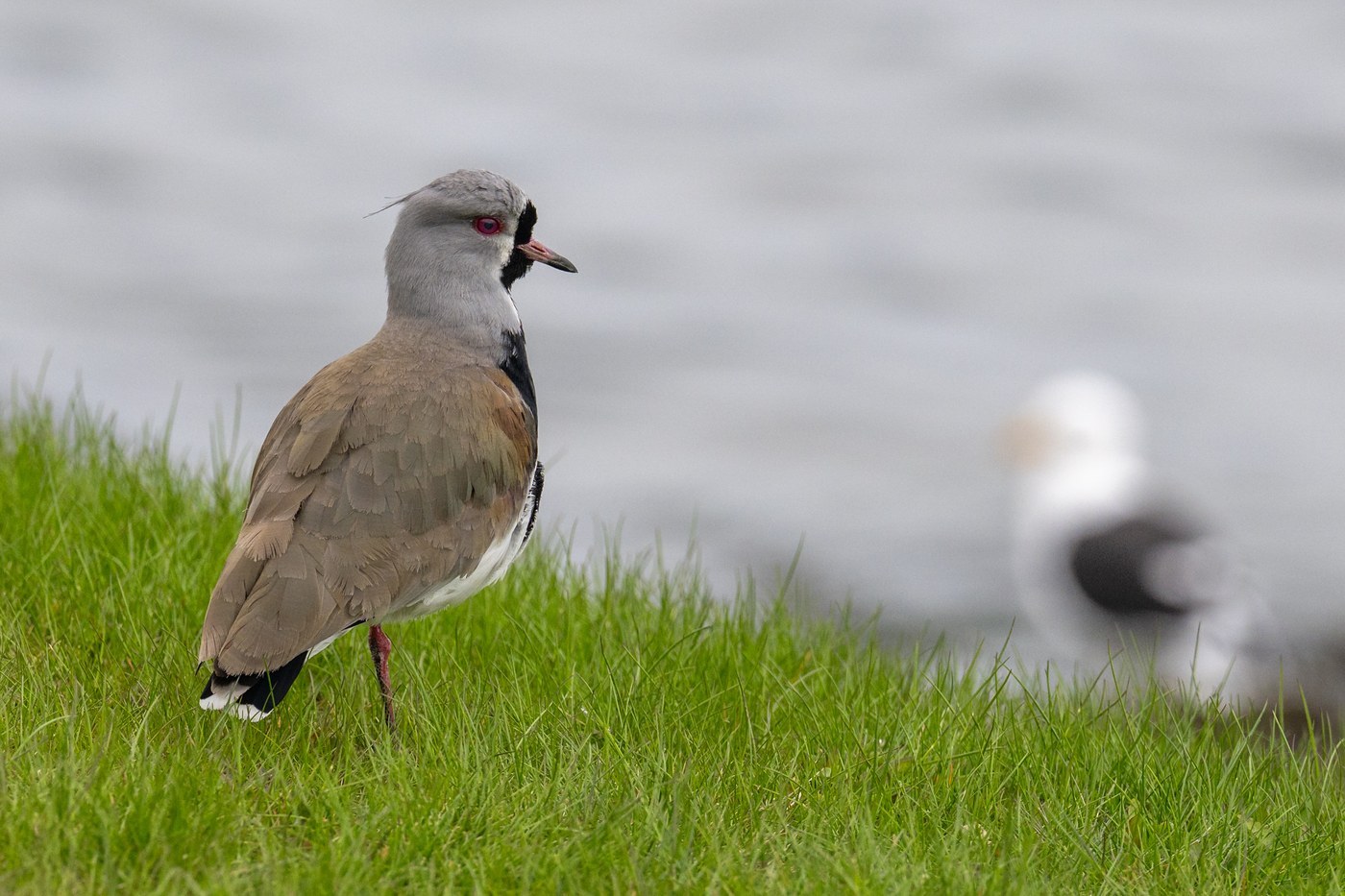
Southern Lapwing
Body, flight, and tail feathers

Jack Snipe
Body and flight feathers

Far Eastern Curlew
Body, flight, and tail feathers

Terek Sandpiper
Body and flight feathers

Wilson's Phalarope
Body and flight feathers

Long-billed Curlew
Body, flight, and tail feathers

Upland Sandpiper
Body, flight, and tail feathers

Red Phalarope
Body and flight feathers

Eurasian Dotterel
Body feathers
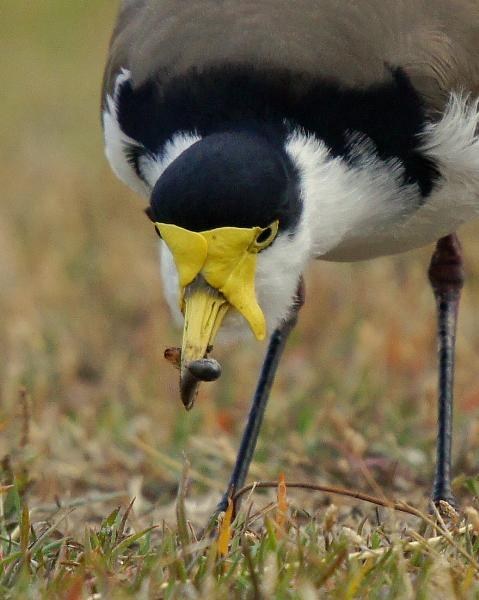
Masked Lapwing
Body, flight, and tail feathers
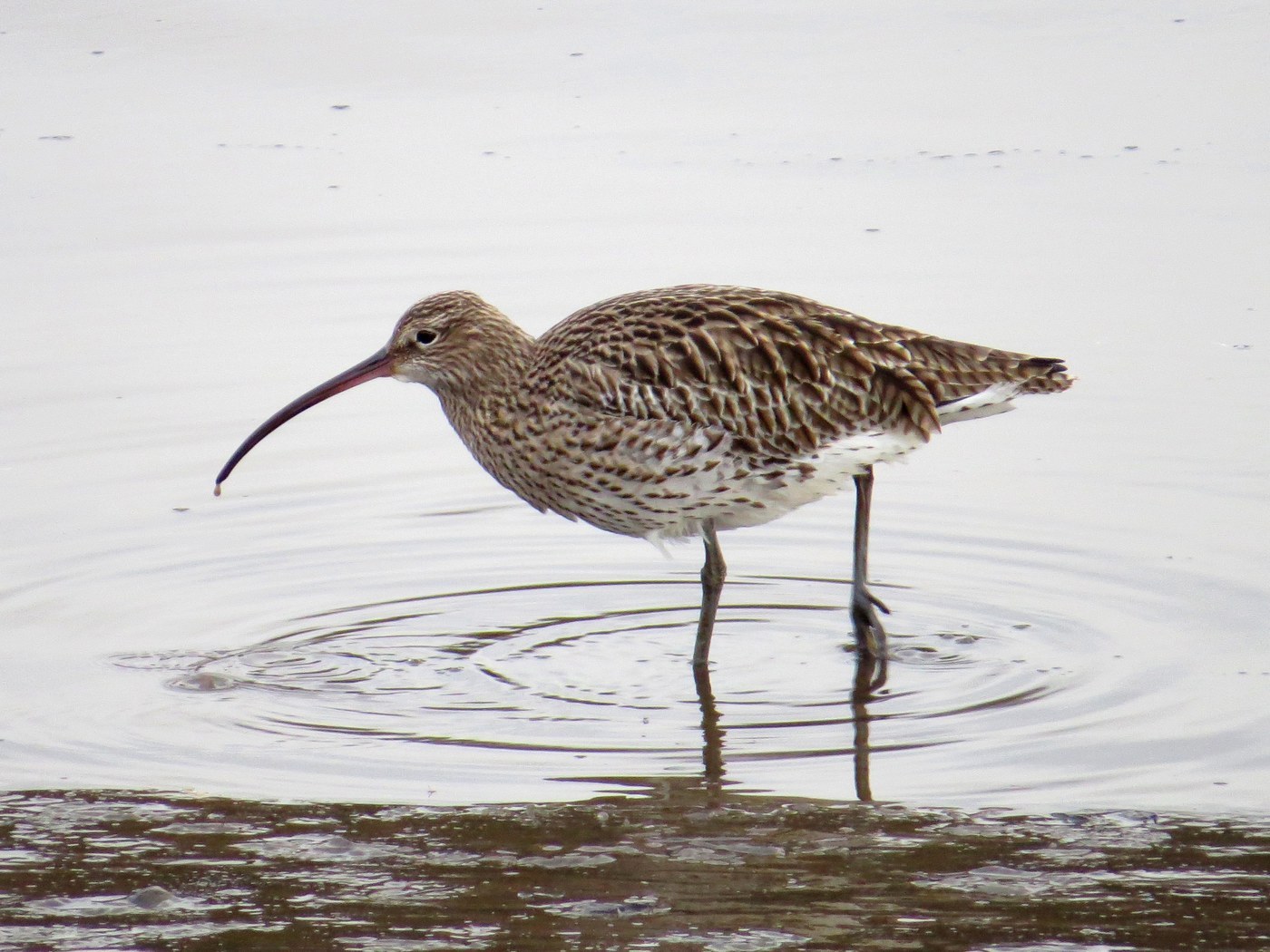
Eurasian Curlew
Body, flight, and tail feathers
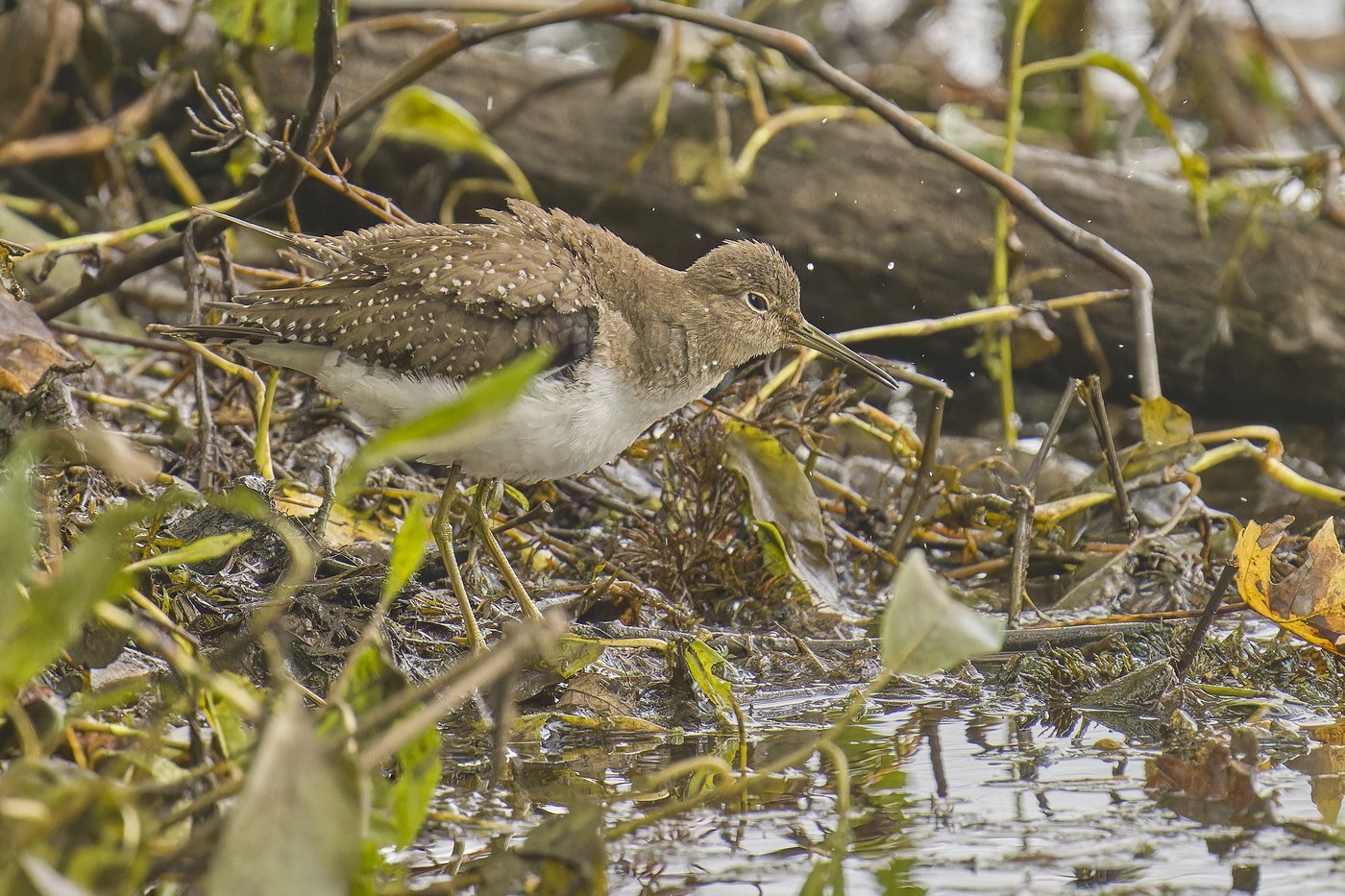
Solitary Sandpiper
Contour and flight feathers