

Rhinoceros Auklet
Cerorhinca monocerata
A dusky, medium-sized auk related to the puffins, named for the small horn-like projection that grows at the base of the bill in breeding adults.
- Feather type
- Contour, flight, and short tail feathers
- Colours
- Dark grayish-brown upperparts, dusky-pale underparts
- Bird size
- Medium, ~35-39 cm
Found a feather like this?
Identify any feather from a photo, free.
Overview
The Rhinoceros Auklet is a relative of the puffins with a more subdued, uniformly dusky plumage rather than the bold black-and-white pattern of its close relatives. Its distinguishing feature, a pale horn-like bill projection present only in breeding adults, is a bare-part feature rather than a feather trait, so plumage alone gives a more understated identification.
Identifying the Feather
- Body feathers are a fairly uniform dark grayish-brown above, with paler, dusky-gray to whitish underparts lacking sharp contrast
- Breeding adults show two thin whitish plume feathers extending back from the face, near the eye and the base of the bill, unique among the puffin relatives
- Flight feathers are broad and rounded, suited to whirring flight and wing-propelled diving
- Tail feathers are short and squared, consistent with the compact auk body form
- Overall feather tones are more muted and monochromatic than the crisp black-and-white auks, aiding identification of body feathers found separately
Plumage & Molt
- Breeding adults show dark grayish-brown upperparts, paler underparts, and two thin whitish facial plumes
- Non-breeding adults lose the facial plumes and the bill projection, appearing plainer overall
- Juveniles are duller and browner, lacking plumes and the bill horn
- Sexes are alike in plumage
- A complete molt after breeding renews body and flight feathers, including a flightless period at sea
Habitat & Range
Rhinoceros Auklets breed in burrows on forested or grassy islands and coastal slopes around the North Pacific, from California north through British Columbia and Alaska to Japan and Russia. Outside the breeding season they range over open and coastal North Pacific waters, generally remaining within the broader North Pacific basin.
Behavior & Field Notes
This auklet dives to pursue small schooling fish, carrying multiple prey items crosswise in the bill back to the burrow to provision its chick, often returning to the colony only after dark to avoid predators. It nests in long burrows dug into soil on forested or grassy slopes, sometimes sharing habitat with puffins. Its calls are low, growling or moaning notes given mainly at the nest burrow at night.
Frequently asked questions
What does a Rhinoceros Auklet feather look like?
Expect a fairly plain dark grayish-brown feather from the upperparts or a duskier pale one from the underparts, lacking the crisp black-and-white contrast of puffins and murres.
Where does the 'horn' in this bird's name come from?
Breeding adults grow a small, pale, horn-like projection at the base of the bill, a bare-part feature rather than a feather, which is shed after the breeding season.
Why do Rhinoceros Auklets nest at night?
Adults typically return to their burrows after dark to reduce the risk of predation by gulls and other aerial predators at the colony.
Rhinoceros Auklet guides
In-depth guides for identifying and understanding Rhinoceros Auklet.

Other feathers you may enjoy

Western Gull
Body, flight, and tail feathers
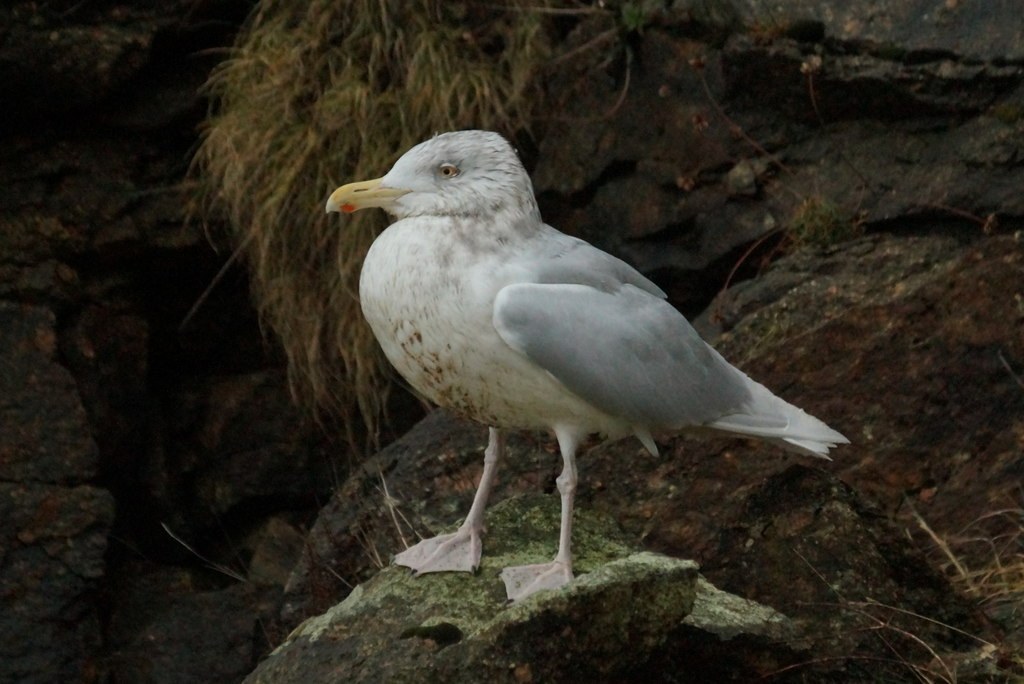
Glaucous Gull
Body, flight, and tail feathers

American Herring Gull
Body, flight, and tail feathers

Great Black-backed Gull
Body, flight, and tail feathers

Common Gull
Body, flight, and tail feathers
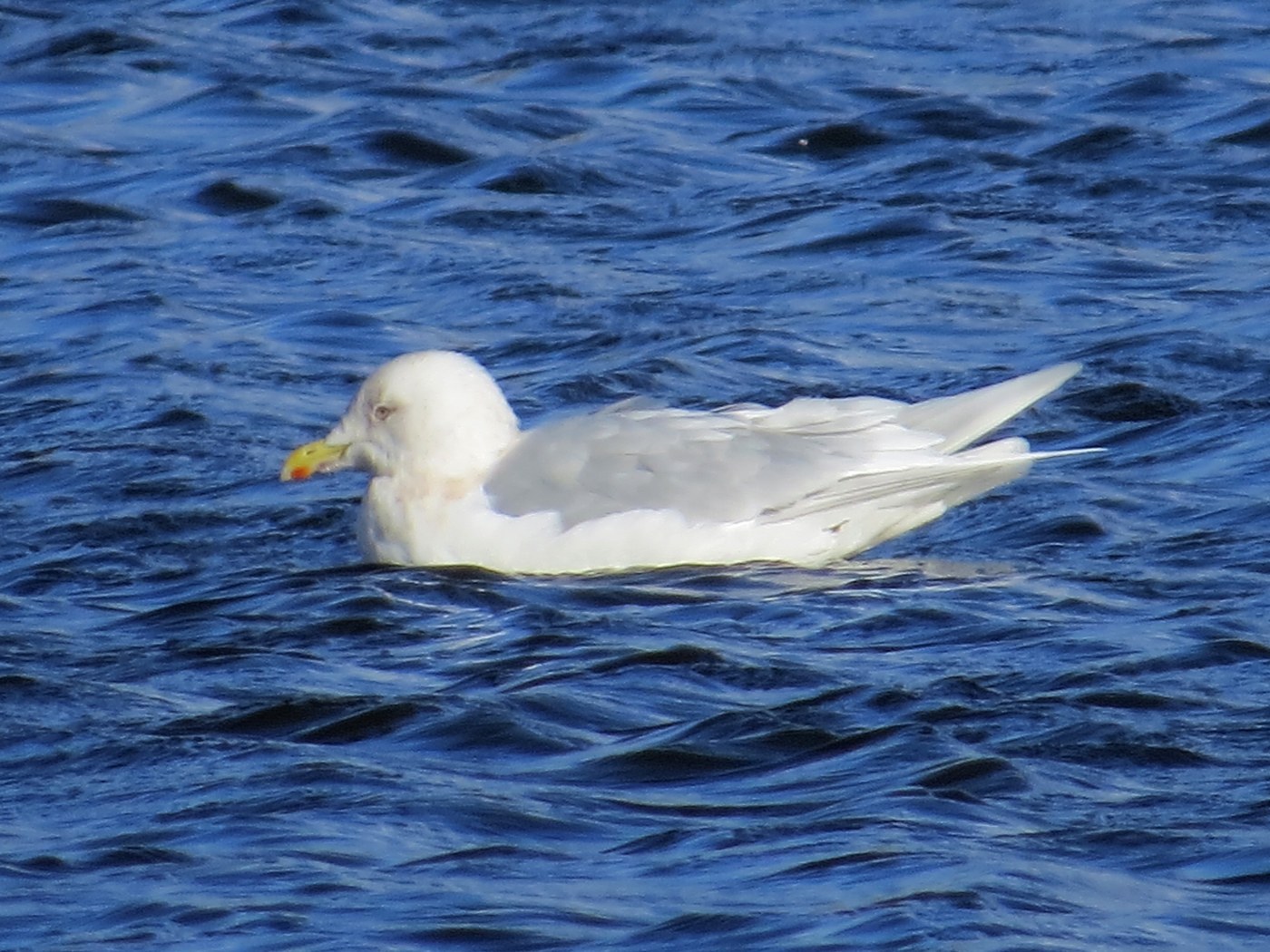
Iceland Gull
Body, flight, and tail feathers

Ring-billed Gull
Body, flight, and tail feathers

Glaucous-winged Gull
Body, flight, and tail feathers

Herring Gull
Body, flight, and tail feathers

Lesser Black-backed Gull
Body, flight, and tail feathers

California Gull
Body, flight, and tail feathers
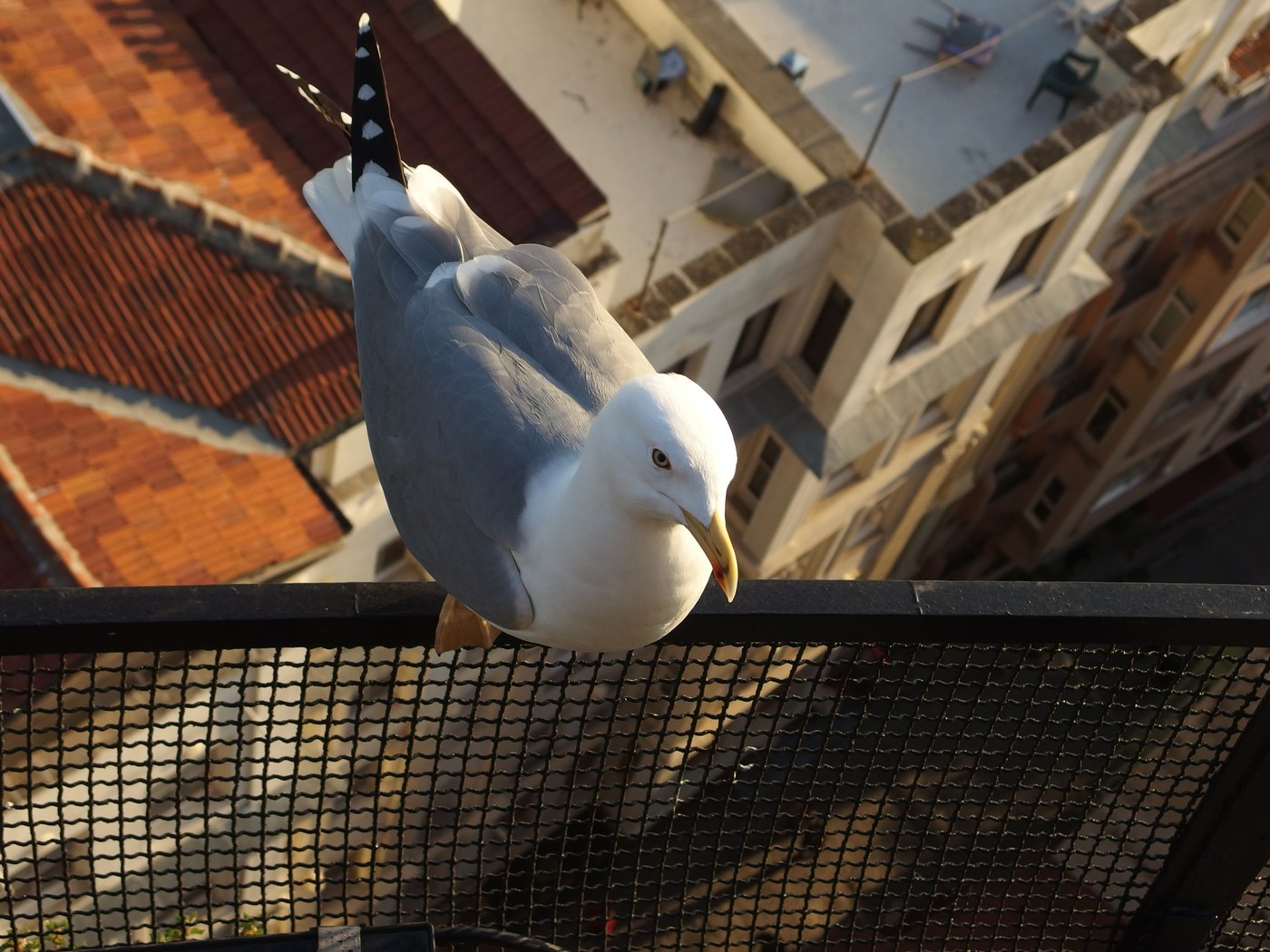
Yellow-legged Gull
Body, wing covert, and flight feathers