

Red-necked Falcon
Falco chicquera
A striking small falcon with a bright chestnut crown and nape contrasting against a slate-grey back, favoring open country dotted with palms across Africa and South Asia.
- Feather type
- Slim pointed flight feathers; barred tail; slate-grey back feathers
- Colours
- Slate-grey back with fine white barring; rich chestnut crown and nape feathers; white throat
- Bird size
- Small-to-medium falcon, ~30-36 cm
Found a feather like this?
Identify any feather from a photo, free.
Overview
The Red-necked Falcon is a fast, elegant hunter of open savanna and farmland across sub-Saharan Africa and the Indian subcontinent. Its most distinctive feature, the bright chestnut cap and hindneck, is echoed in its feathers, making shed crown and nape feathers instantly recognizable.
It often nests in old crow or other raptor stick nests in tall trees or palms, and prefers habitats with a mix of open ground for hunting and scattered perches.
Feathers from this species combine two strong color zones: warm rufous on the head and cool slate-grey barring on the back and flight feathers, a combination not shared by most other falcons in its range.
Identifying the Feather
Shape and size
- Primaries are narrow and pointed, 12-17 cm long, consistent with a fast-flying open-country falcon.
- Tail feathers are long relative to body size and evenly barred with dark and pale grey bands.
Color and pattern
- Crown and nape feathers are solid rich chestnut, unlike the streaked or barred crown feathers of most other falcons.
- Back and wing covert feathers are slate-grey with narrow whitish barring.
- Underparts feathers are white to pale grey with fine dark barring on the flanks; throat feathers are clean white.
- Shafts are dark on flight feathers, pale on the chestnut crown feathers.
Similar species
- The solid chestnut crown/nape feather is diagnostic; no other sympatric falcon shows this exact head color combined with slate-grey barred back feathers.
Plumage & Molt
Adults of both sexes are similar, with a chestnut crown and nape, slate-grey barred upperparts, white throat, and white underparts barred with grey on the flanks; females average slightly larger. Juveniles are duller and browner with less crisp barring and a less vivid chestnut cap, gradually acquiring adult coloration after the first molt.
Habitat & Range
Found in open and semi-open country including savanna, farmland, and riverine woodland edges across much of sub-Saharan Africa, with a separate population in India, Pakistan, and Sri Lanka. It is largely resident, though some populations may shift locally with seasonal food and water availability.
Behavior & Field Notes
Hunts small birds and large insects in fast, agile pursuit flights, often around palm groves and villages. Frequently nests in tall palms or in old stick nests built by crows or other raptors. Its call is a sharp, repeated chattering given especially near the nest.
Field note: look for shed feathers near tall palm or tree nest sites and along open field edges where it perches to hunt.
Frequently asked questions
What is the single best clue for identifying this species' feather?
A solid chestnut-colored crown or nape feather paired with slate-grey barred back feathers is unique to this species in most of its range.
Do juveniles have different feathers than adults?
Yes, juveniles are browner and less crisply barred, with a duller chestnut cap that sharpens after the first molt.
How big are the flight feathers?
Primaries typically measure 12-17 cm, reflecting a small-to-medium falcon build.
Is this species migratory?
Generally resident, with only local movements tied to food and water rather than long-distance migration.
Red-necked Falcon guides
In-depth guides for identifying and understanding Red-necked Falcon.

Other feathers you may enjoy

Australian Hobby
Long, narrow pointed flight feathers; slender tail feathers

California Condor
Massive flight feathers; long broad primaries; large tail feathers

Brown Falcon
Broad, rounded flight feathers; variable-toned contour feathers
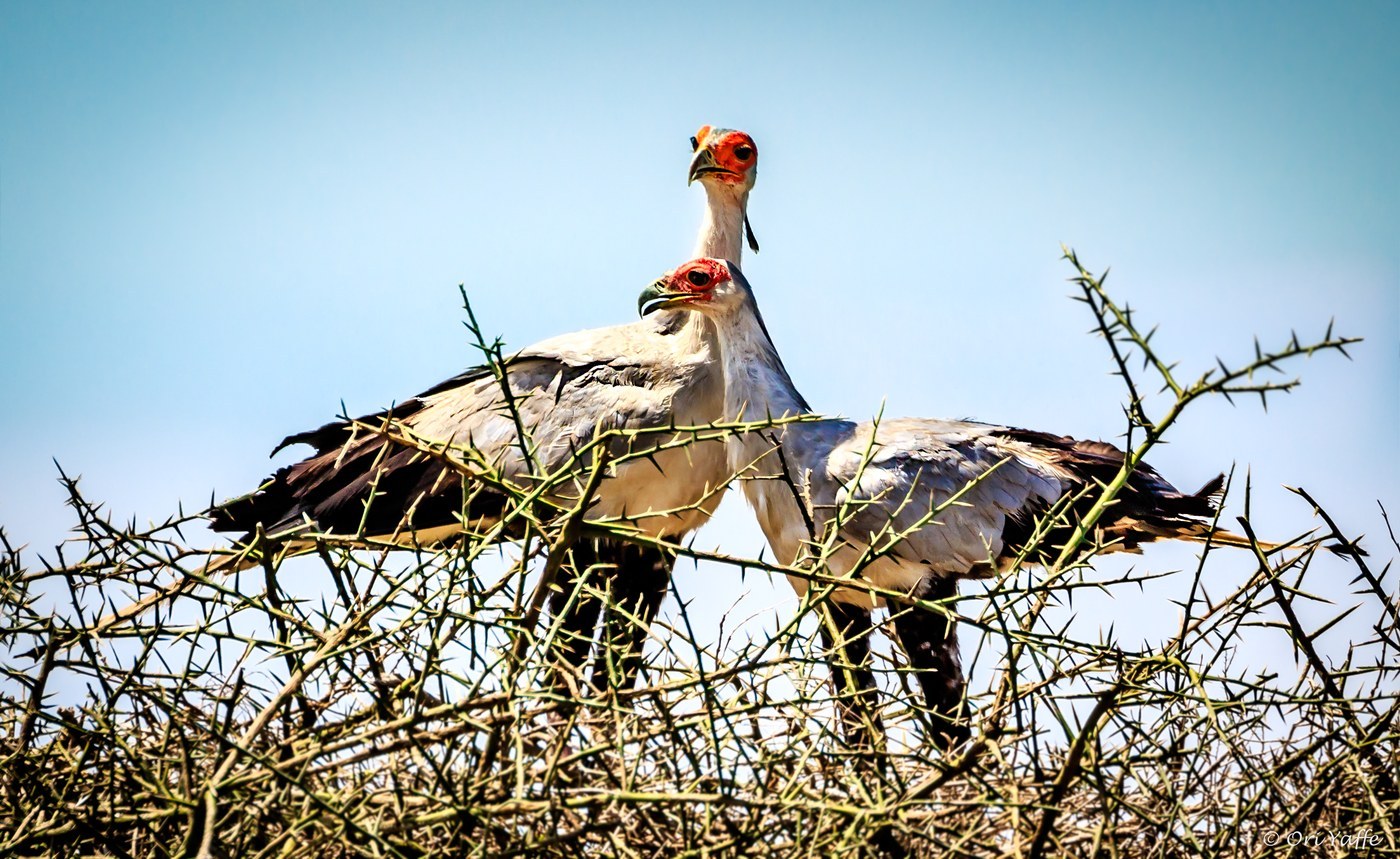
Secretarybird
Long crest feathers; broad flight feathers; elongated central tail feathers

Orange-breasted Falcon
Broad-based pointed flight feathers; bold breast and belly feathers
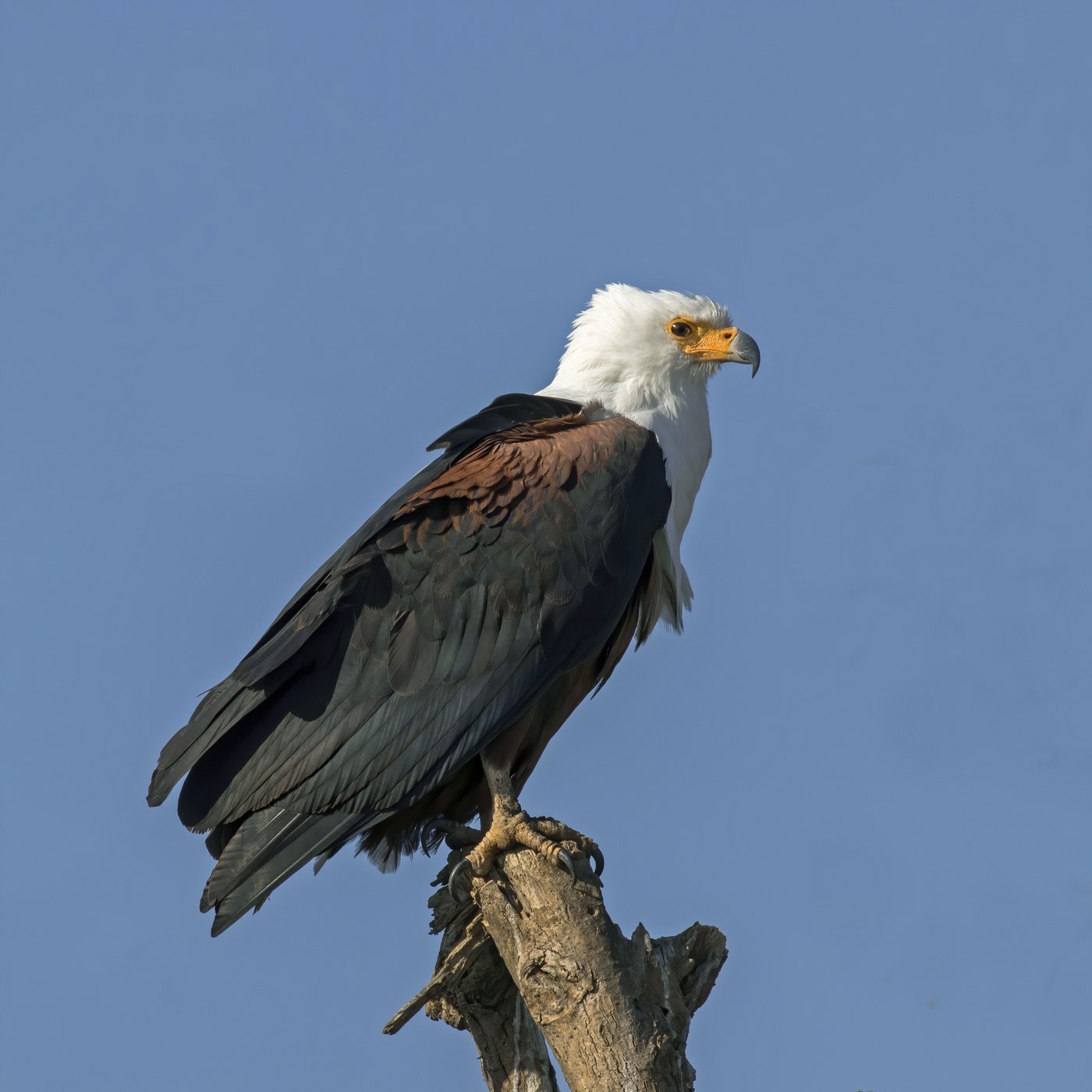
African Fish Eagle
Flight, tail, and body feathers

Amur Falcon
Slender pointed flight feathers; soft slate or orange-buff contour feathers
Red Kite
Flight (wing) and tail feathers
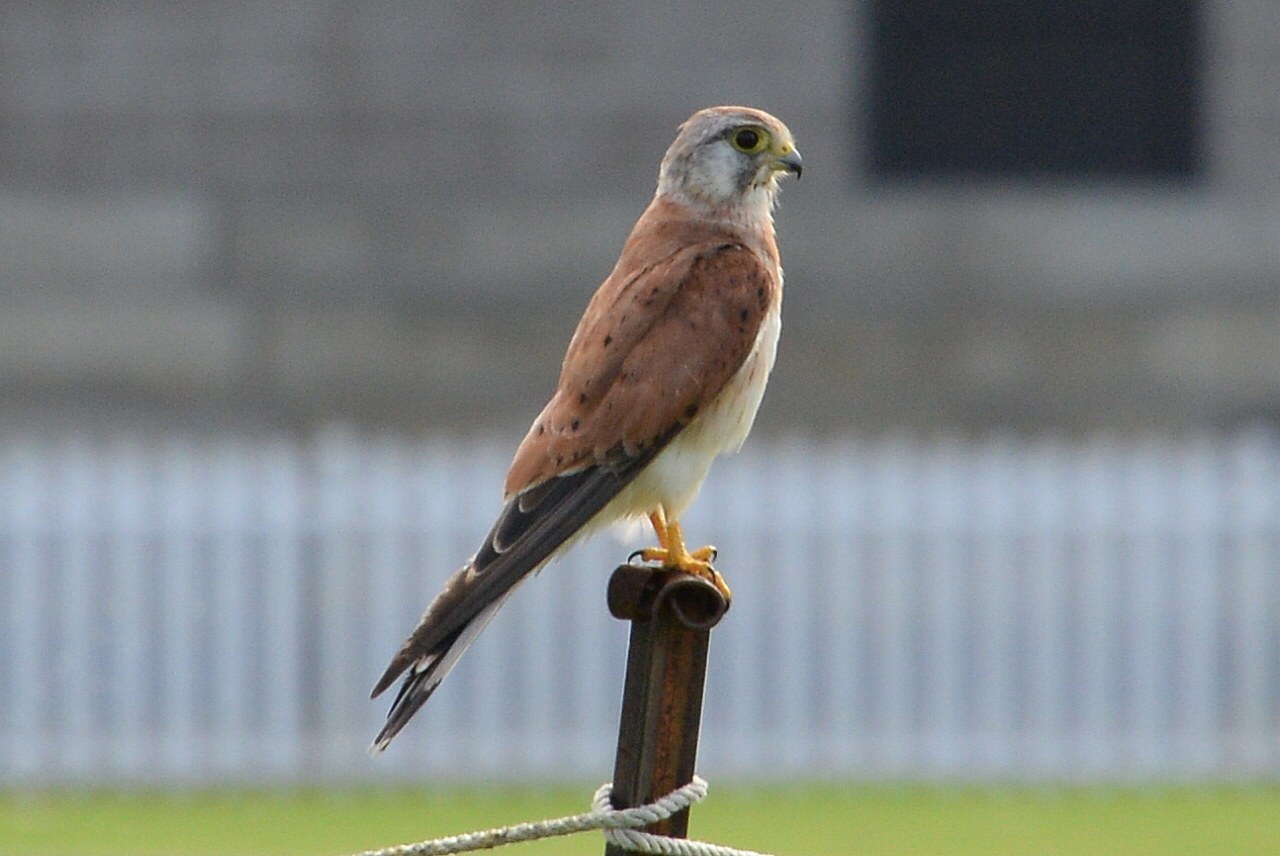
Nankeen Kestrel
Slim pointed flight feathers; lightly marked contour feathers

Andean Condor
Massive flight feathers; broad primaries and secondaries; sturdy tail feathers

Plumbeous Forest Falcon
Short rounded flight feathers; finely barred tail feathers

Sooty Falcon
Long pointed flight feathers; slim tail feathers