

Red-billed Hornbill
Tockus erythrorhynchus
A small African hornbill with a long red bill, spotted grey-brown upperparts, and white underparts, common in savanna and open woodland.
- Feather type
- Sleek contour feathers with strongly patterned flight feathers
- Colours
- Grey-brown upperparts with white spotting, white underparts, black flight feathers
- Bird size
- Small hornbill, ~35-42 cm
Found a feather like this?
Identify any feather from a photo, free.
Overview
Overview
The Red-billed Hornbill is a small hornbill species found across savanna and open woodland of sub-Saharan Africa, recognized by its long, curved red bill and boldly spotted upperparts. Its plumage combines white-spotted grey-brown feathers on the back and wings with clean white underparts.
Like other hornbills, this species has a distinctive undulating flight pattern and a habit of nesting in tree cavities, where the female seals herself in during incubation using mud and droppings.
Identifying the Feather
Feather Identification
- Upperpart feathers: grey-brown ground color densely spotted with white, especially on the wing coverts
- Underpart feathers: clean white, contrasting with the more patterned upperparts
- Flight feathers: black with white markings, creating a striped effect visible during flight
- Tail feathers: long, black and white barred, often held with a slight downward curve
- The combination of white-spotted upperparts and largely black-and-white patterned flight feathers is characteristic and separates this species from other similarly sized hornbills by pattern density and bill color
Plumage & Molt
Plumage Notes
Adults of both sexes show similar plumage, spotted grey-brown above and white below, with the bill providing the more obvious sex-related size difference, males typically larger-billed. Juveniles show duller, less crisp spotting until maturity.
Molt occurs gradually on an annual cycle, allowing the bird to maintain flight capability throughout the process.
Habitat & Range
Habitat & Range
Red-billed Hornbills are widespread across savanna, open woodland, and scrub habitats of sub-Saharan Africa. They favor areas with scattered trees suitable for nesting cavities.
The species is largely resident, with some local movement in response to food availability and seasonal conditions.
Behavior & Field Notes
Behavior & Field Notes
Red-billed Hornbills feed on insects and small invertebrates, often foraging on the ground in savanna habitats. Their flight is distinctively undulating, alternating bursts of flapping with short glides.
Nests are located in tree cavities, where the female seals the entrance with mud, droppings, and food remains, leaving only a narrow slit through which the male passes food during incubation. Their calls are a series of loud, piping notes, often given in duet between paired birds.
Frequently asked questions
What feather pattern identifies a Red-billed Hornbill?
White-spotted grey-brown upperparts combined with clean white underparts and black-and-white patterned flight feathers are the key identification features.
Why does a Red-billed Hornbill have a distinctive flight pattern?
Its flight alternates bursts of flapping with short glides, creating an undulating pattern typical of hornbills.
How do Red-billed Hornbills nest?
They nest in tree cavities, with the female sealing herself inside using mud and droppings, leaving a narrow slit for the male to pass food through.
Where are Red-billed Hornbills found?
They are widespread across savanna and open woodland habitats of sub-Saharan Africa.
Red-billed Hornbill guides
In-depth guides for identifying and understanding Red-billed Hornbill.

Other feathers you may enjoy

Common Cuckoo
Flight and body feathers
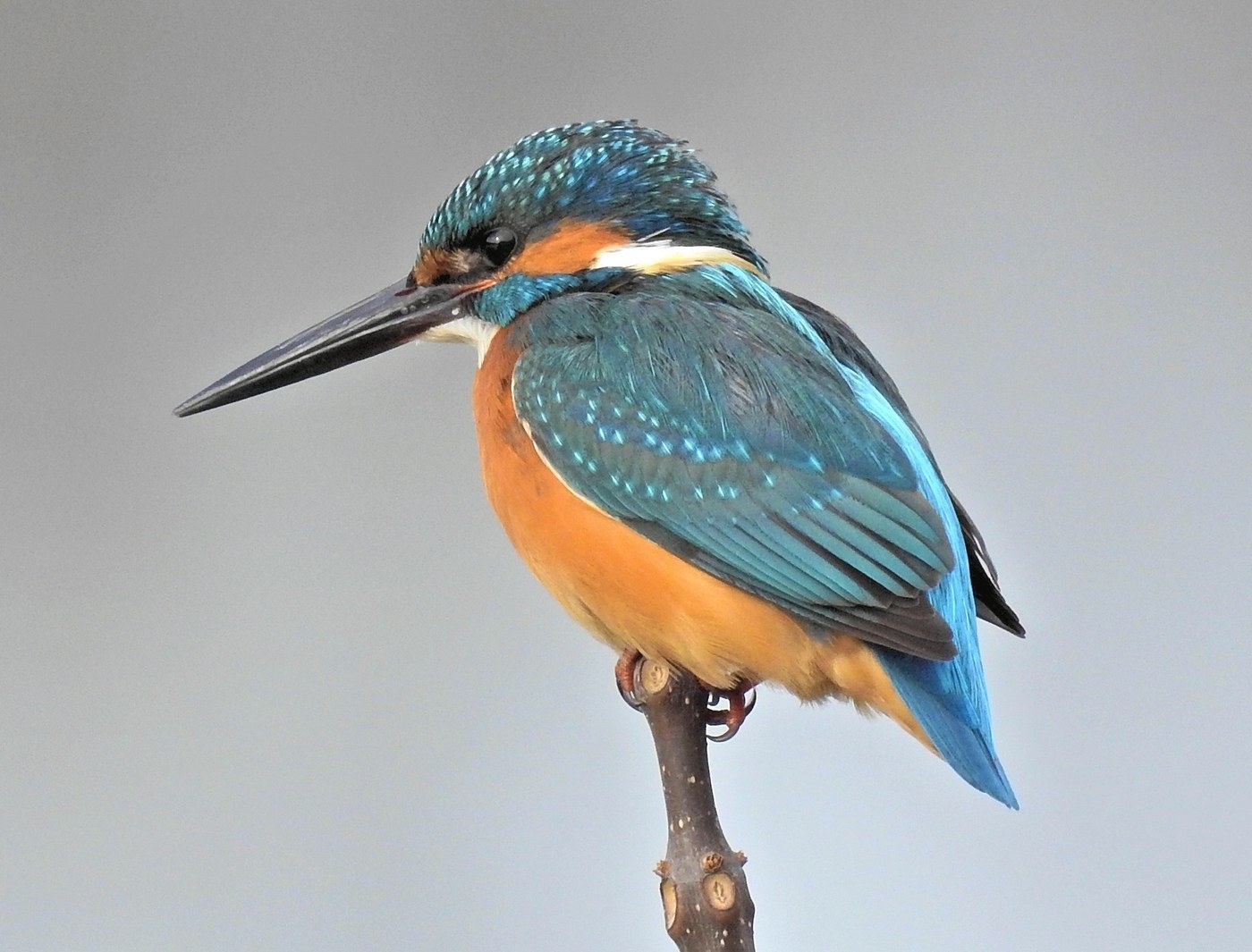
Common Kingfisher
Body (contour) and wing feathers
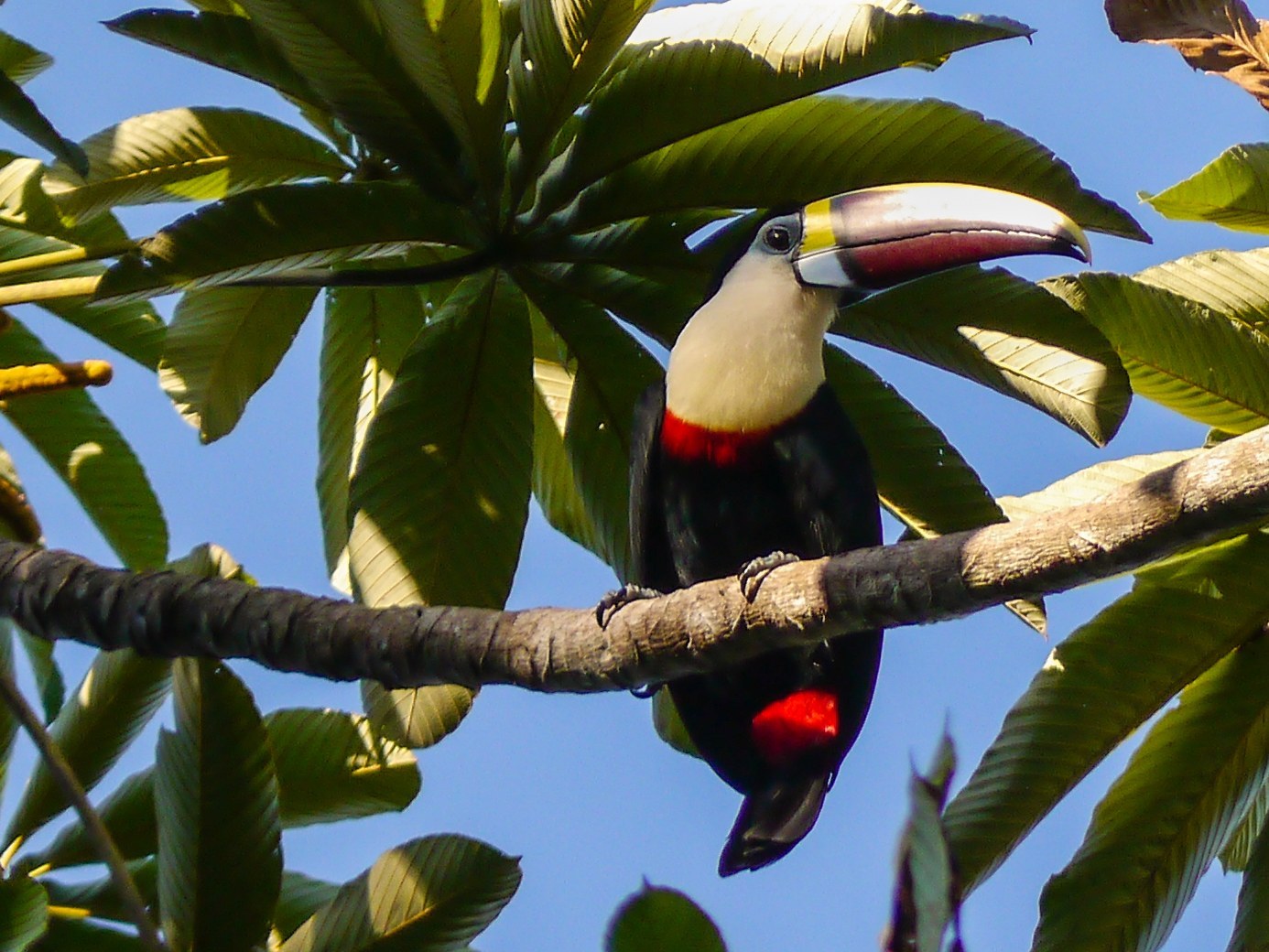
White-throated Toucan
Short rounded contour feathers, short broad wings
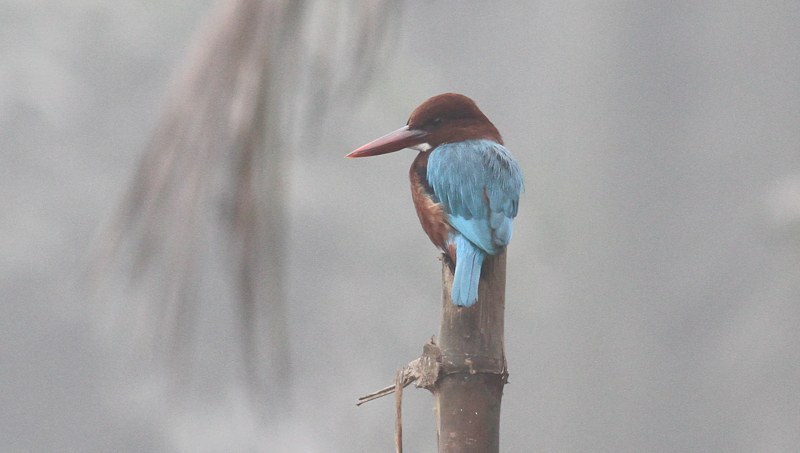
White-throated Kingfisher
Dense contour feathers; broad rounded wings

White-throated Bee-eater
Sleek, aerodynamic contour feathers; elongated central tail streamers
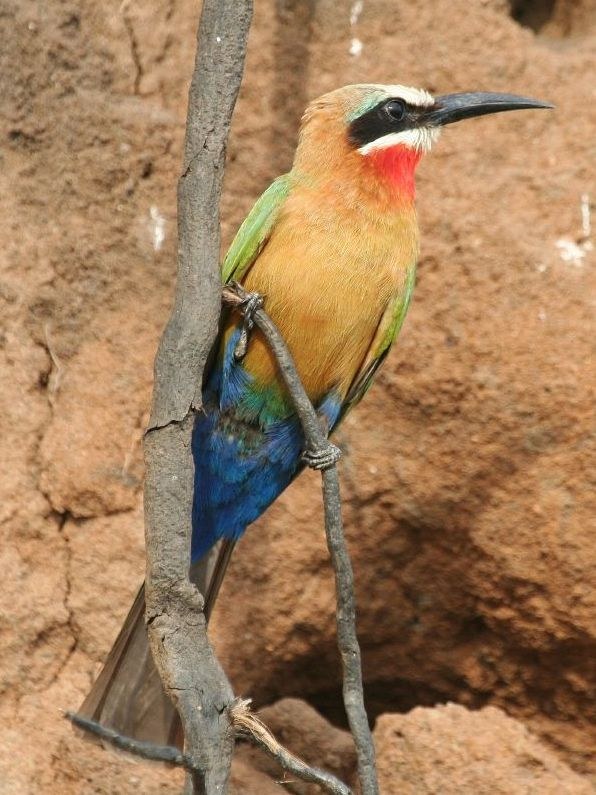
White-fronted Bee-eater
Sleek contour feathers; short tail with slight point

Southern Yellow-billed Hornbill
Slender contour feathers, moderate flight feathers
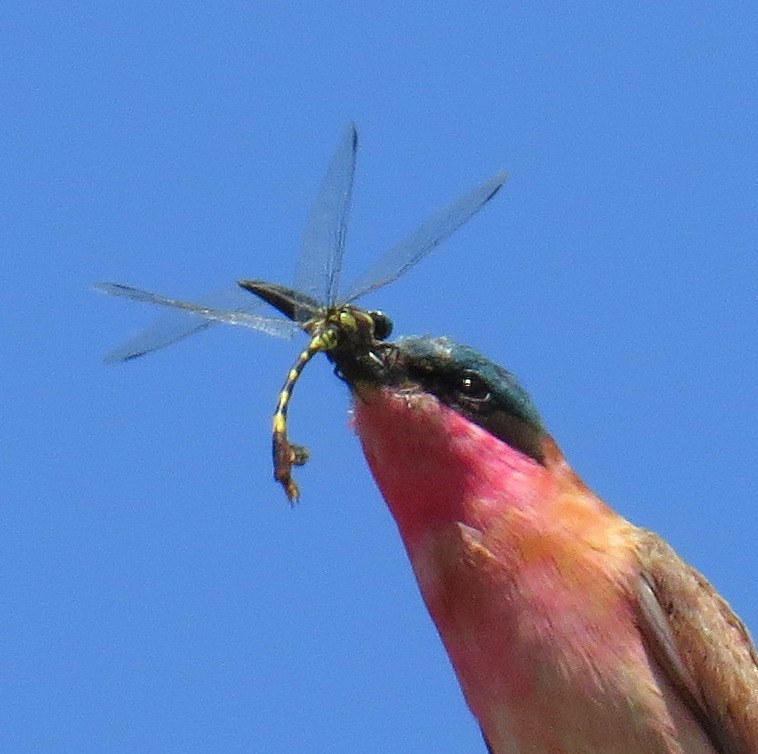
Southern Carmine Bee-eater
Sleek, pointed contour feathers; elongated central tail streamers
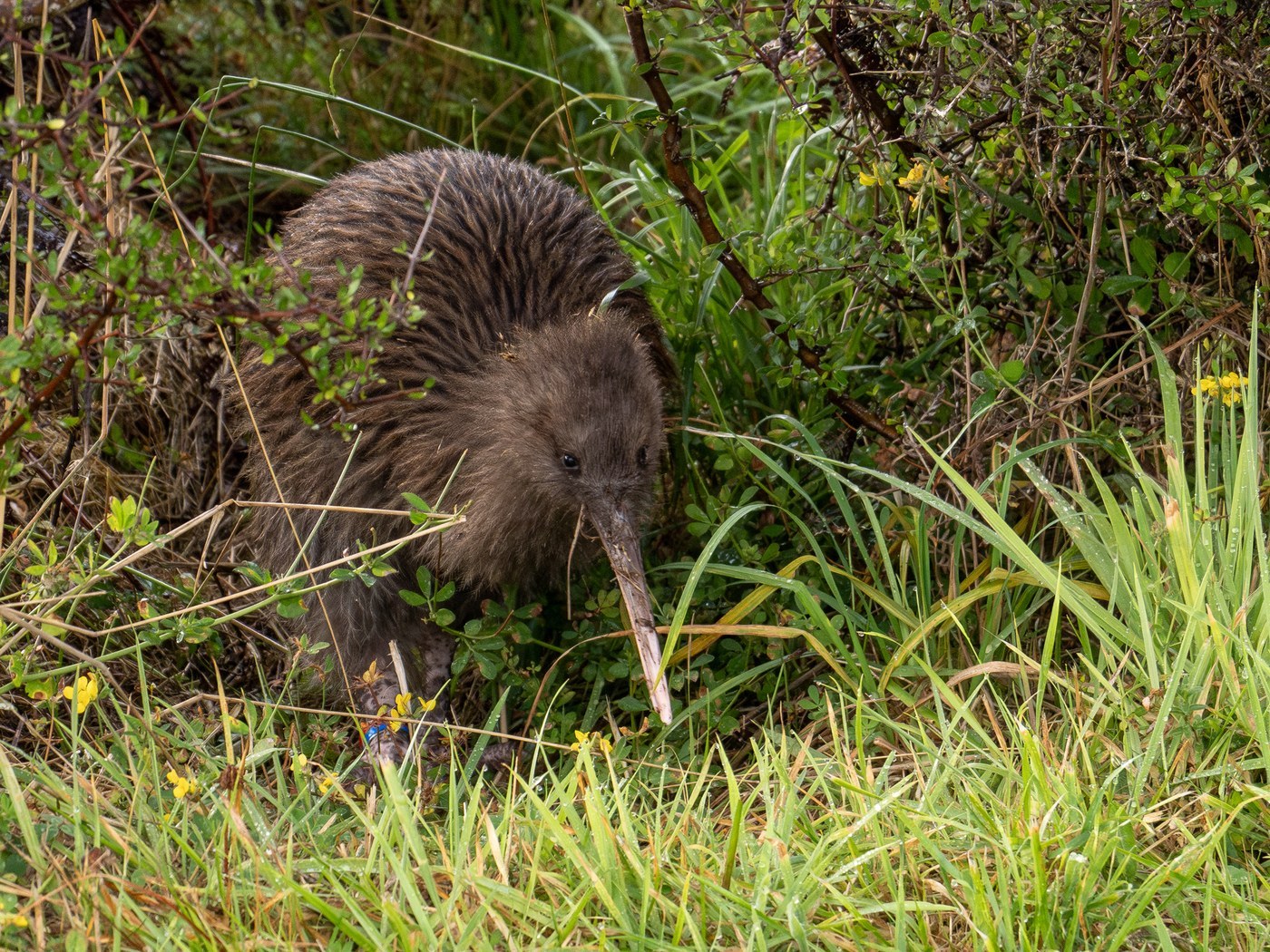
Southern Brown Kiwi
Shaggy, hair-like plumage with loose barbs lacking barbules; flightless, vestigial wings hidden beneath body feathers

Somali Ostrich
Loose, soft plumes lacking interlocking barbules

Wreathed Hornbill
Dense contour feathers, broad flight feathers

Woodland Kingfisher
Firm contour feathers; broad wing feathers