
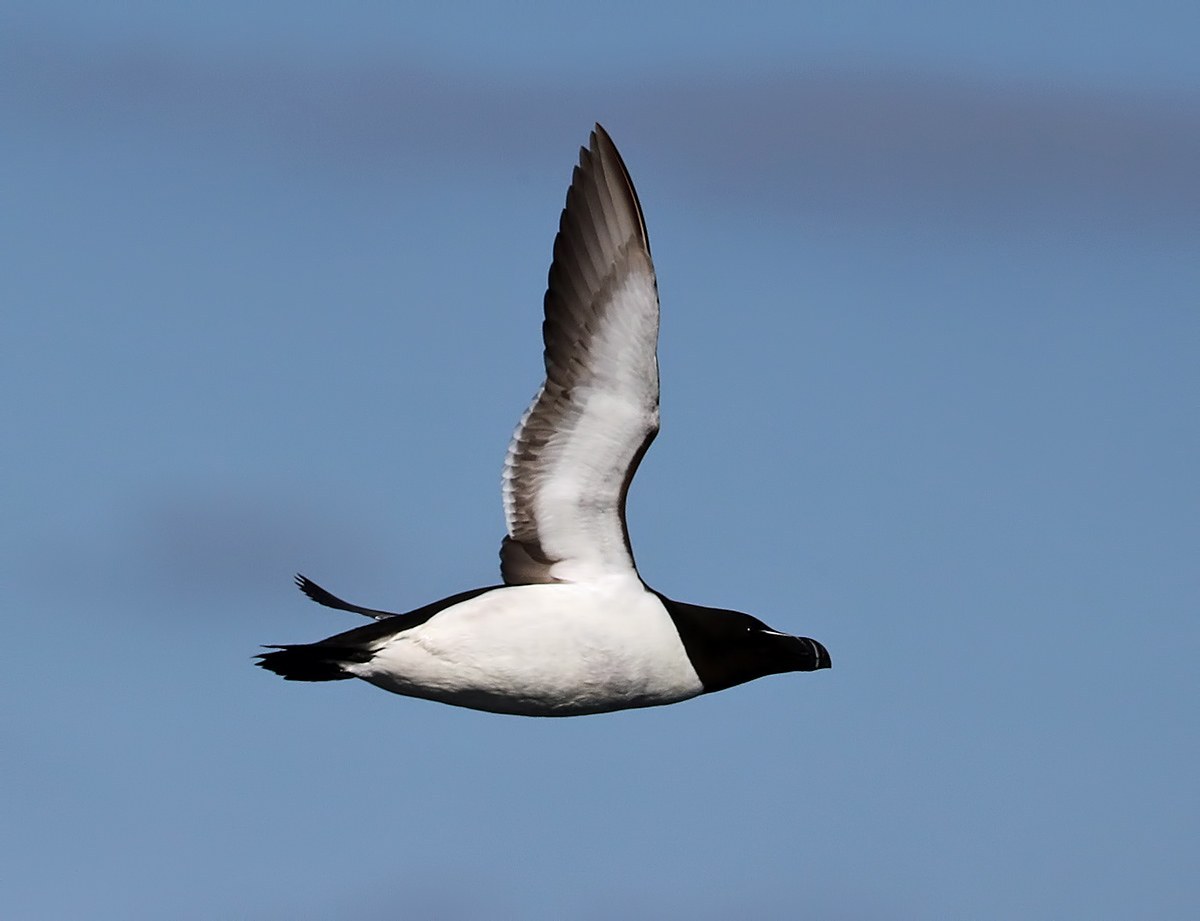
Razorbill
Alca torda
A sleek, glossy black-and-white auk named for its deep, laterally flattened bill marked with a bold white vertical line, closely related to the extinct Great Auk.
- Feather type
- Contour, flight, and pointed tail feathers
- Colours
- Glossy black upperparts, white underparts
- Bird size
- Medium, ~37-41 cm
Found a feather like this?
Identify any feather from a photo, free.
Overview
The Razorbill is a striking auk of the North Atlantic, recognized by its deep, blade-like bill and crisp black-and-white plumage. It is the closest living relative of the extinct Great Auk and shares that species' bold bill patterning in miniature.
Identifying the Feather
- Upperpart feathers are a deep, glossy black, richer and more lustrous than the browner tones of the murres
- Underparts are bright white with a clean, sharply defined border against the black upperparts
- Tail feathers are proportionately longer and more pointed than in the murres, giving the Razorbill a more wedge-tailed profile, sometimes held cocked upward
- A thin white line crosses the bill and another runs from the bill to the eye on the head, though these are bare-part and facial features rather than feather traits
- Flight feathers are narrow and pointed, supporting fast, direct flight typical of auks
Plumage & Molt
- Breeding adults show a glossy black head, neck, and upperparts with a white line from the bill to the eye, and clean white underparts
- Non-breeding adults show white extending onto the throat and lower face
- Juveniles resemble non-breeding adults with a smaller, less deep bill lacking the bold white bill line
- Sexes are alike in plumage
- A complete molt after breeding includes a flightless period as flight feathers are shed together
Habitat & Range
Razorbills breed on rocky sea cliffs, boulder fields, and offshore islands around the North Atlantic, from northeastern North America to Britain, Ireland, and Scandinavia, nesting in crevices and among boulders rather than on open ledges. Outside the breeding season they winter over open and coastal North Atlantic waters, sometimes reaching farther south along the coast than in summer.
Behavior & Field Notes
Razorbills dive from the surface to pursue small schooling fish underwater, propelled by their wings, and can carry several fish at once held crosswise in the bill. They nest in rock crevices or under boulders, offering the egg more protection from the elements and predators than the exposed ledges used by murres. Their calls are low, growling or grunting notes given at the breeding colony.
Frequently asked questions
How can I identify a Razorbill feather?
Look for a deep glossy black feather from the upperparts or a bright white one from the underparts, with a notably crisp, high-contrast border between the two zones compared with the browner-toned murres.
Why is the Razorbill's tail different from a murre's?
Its tail feathers are longer and more pointed, giving a wedge-shaped tail that is sometimes held cocked up, unlike the short, squared tail of the murres.
Is the Razorbill related to the extinct Great Auk?
Yes, it is the closest living relative of the Great Auk, sharing a similar bill shape and black-and-white pattern, though on a much smaller scale.
Razorbill guides
In-depth guides for identifying and understanding Razorbill.
Other feathers you may enjoy

Western Gull
Body, flight, and tail feathers
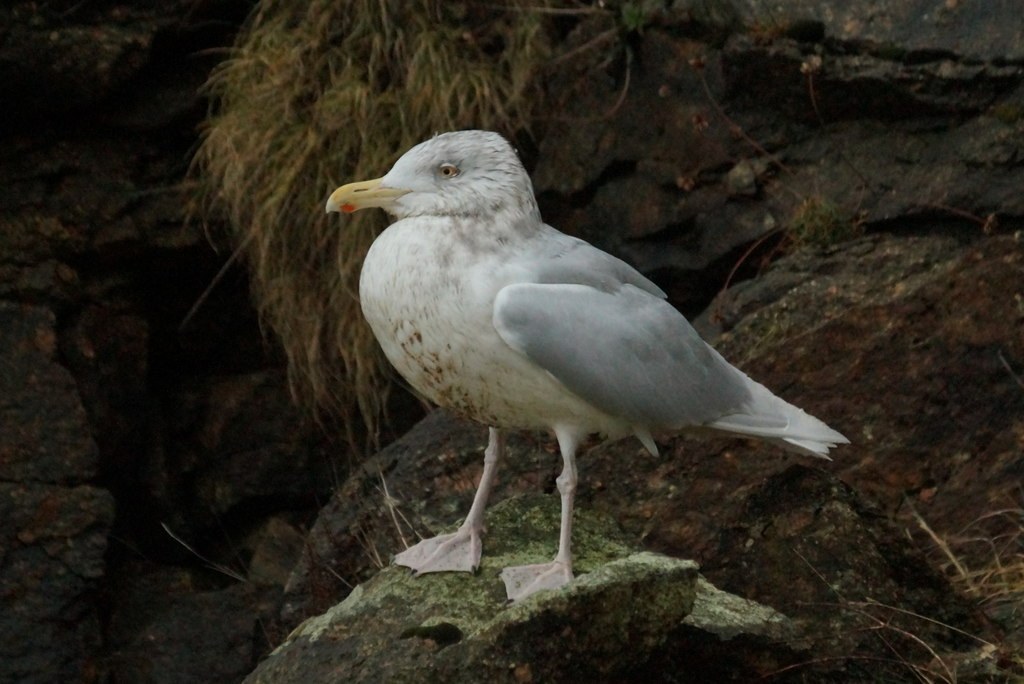
Glaucous Gull
Body, flight, and tail feathers

American Herring Gull
Body, flight, and tail feathers

Great Black-backed Gull
Body, flight, and tail feathers

Common Gull
Body, flight, and tail feathers
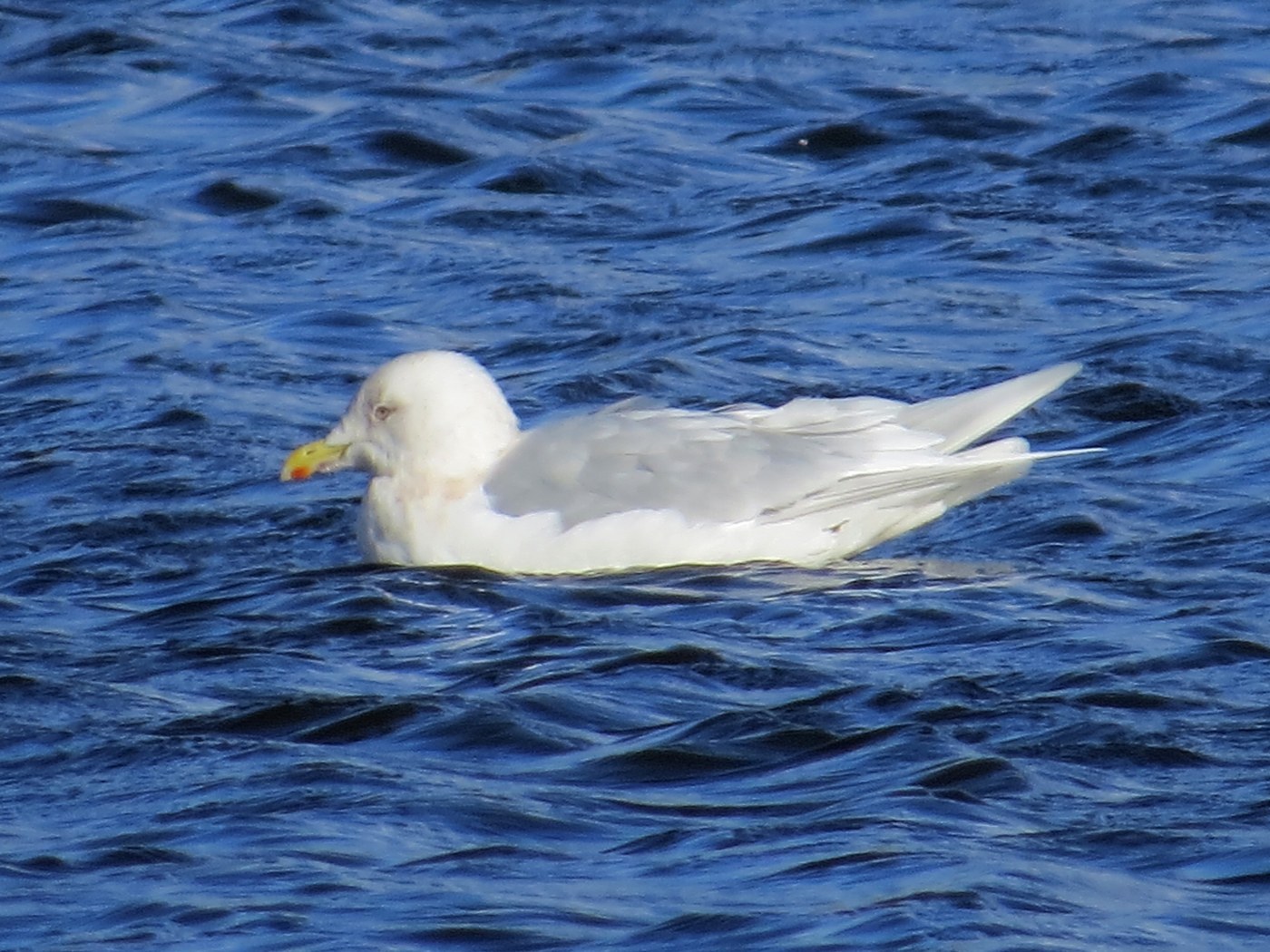
Iceland Gull
Body, flight, and tail feathers

Ring-billed Gull
Body, flight, and tail feathers

Glaucous-winged Gull
Body, flight, and tail feathers

Herring Gull
Body, flight, and tail feathers

Lesser Black-backed Gull
Body, flight, and tail feathers

California Gull
Body, flight, and tail feathers
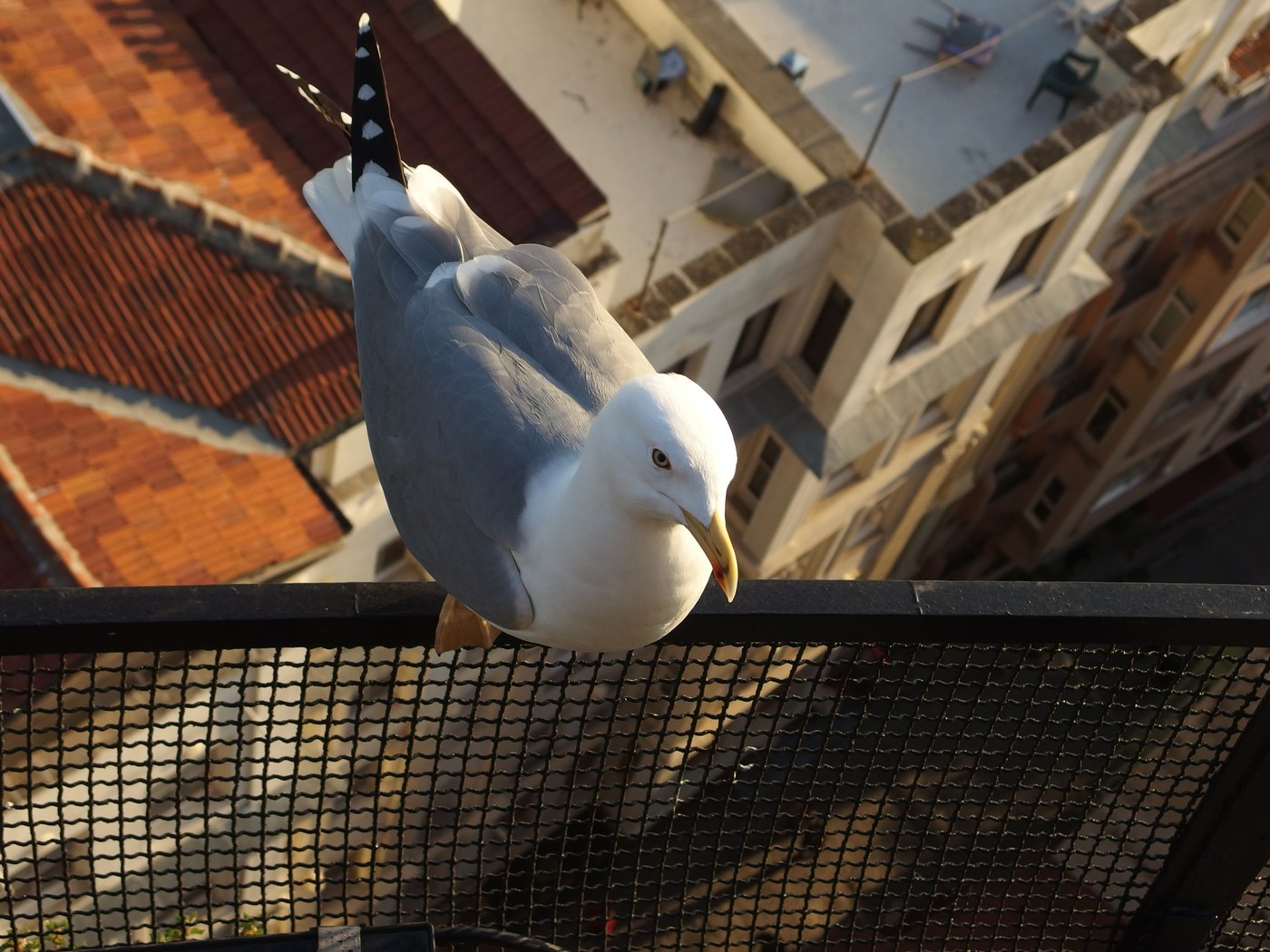
Yellow-legged Gull
Body, wing covert, and flight feathers