

Pigeon Guillemot
Cepphus columba
The North Pacific counterpart of the Black Guillemot, similarly sooty black with a white wing patch, but with the patch typically crossed by a dark wedge or bar.
- Feather type
- Contour, flight, and tail feathers
- Colours
- Sooty black overall with a white wing patch crossed by a dark bar
- Bird size
- Small, ~30-37 cm
Found a feather like this?
Identify any feather from a photo, free.
Overview
The Pigeon Guillemot occupies rocky Pacific coastlines much as the Black Guillemot does in the Atlantic, sharing a similar overall black plumage and bright red legs. The two species are readily told apart by the pattern of the white wing patch, which in this species is interrupted by a dark bar or wedge.
Identifying the Feather
- Breeding-plumage body feathers are sooty black overall, closely matching the Black Guillemot's pattern
- The white patch on the upperwing coverts is typically crossed by a dark brownish-black bar or wedge, distinguishing shed wing feathers from the unbroken white patch of the Black Guillemot
- Non-breeding plumage becomes largely white with dark barring on the back, similar to the seasonal change seen in the Black Guillemot
- Flight feathers are broad and rounded, suited to short flights between rocky perches and nearshore water
- Tail feathers are short and squared, typical of the smaller auks
Plumage & Molt
- Breeding adults are almost entirely sooty black except for the white wing patch interrupted by a dark bar
- Non-breeding adults become largely white below and on the head, with dark barring and mottling across the back, retaining the marked wing patch
- Juveniles resemble winter adults but with more diffuse markings
- Sexes are alike in plumage
- A complete molt after breeding produces the barred winter plumage, followed by a return molt before the next breeding season
Habitat & Range
Pigeon Guillemots inhabit rocky shorelines, sea cliffs, and inshore waters along the North Pacific coast, from California north through Alaska and west into the Russian Far East, nesting in rock crevices, burrows, or under debris near the shoreline. They generally remain in nearshore waters relatively close to their breeding areas rather than ranging far offshore.
Behavior & Field Notes
This guillemot dives in shallow coastal waters to take small fish and invertebrates from the seafloor and among rocks, similar in habit to its Atlantic relative. It nests singly or in small loose groups in crevices or burrows along the shoreline, laying one or two eggs. Its call is a high, thin whistling note given around nesting areas.
Frequently asked questions
How do I tell a Pigeon Guillemot feather from a Black Guillemot feather?
The key difference is in the wing patch: Pigeon Guillemot's white wing patch is crossed by a dark bar or wedge, while the Black Guillemot's white patch is unbroken; the two species also occupy different oceans, Pacific versus Atlantic.
What color are Pigeon Guillemot legs and feet?
Like its Atlantic relative, it has bright red legs and feet, contrasting sharply with its black body plumage.
Does the Pigeon Guillemot's plumage change in winter?
Yes, non-breeding birds become largely white with dark barring on the back, a marked change from the nearly all-black breeding plumage.
Pigeon Guillemot guides
In-depth guides for identifying and understanding Pigeon Guillemot.

Other feathers you may enjoy

Western Gull
Body, flight, and tail feathers
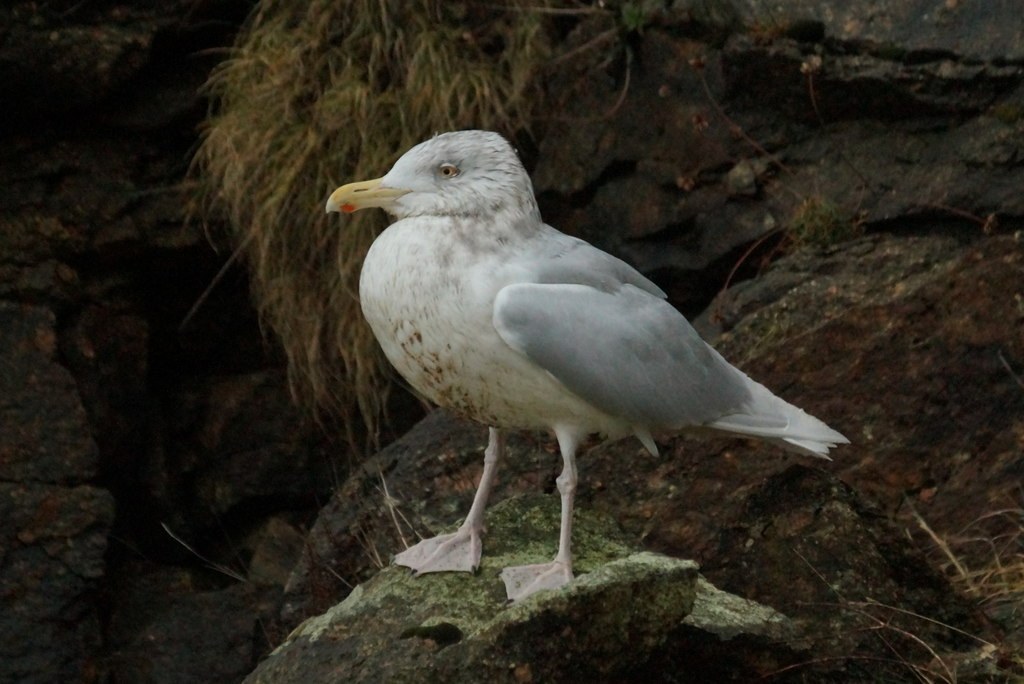
Glaucous Gull
Body, flight, and tail feathers

American Herring Gull
Body, flight, and tail feathers

Great Black-backed Gull
Body, flight, and tail feathers

Common Gull
Body, flight, and tail feathers
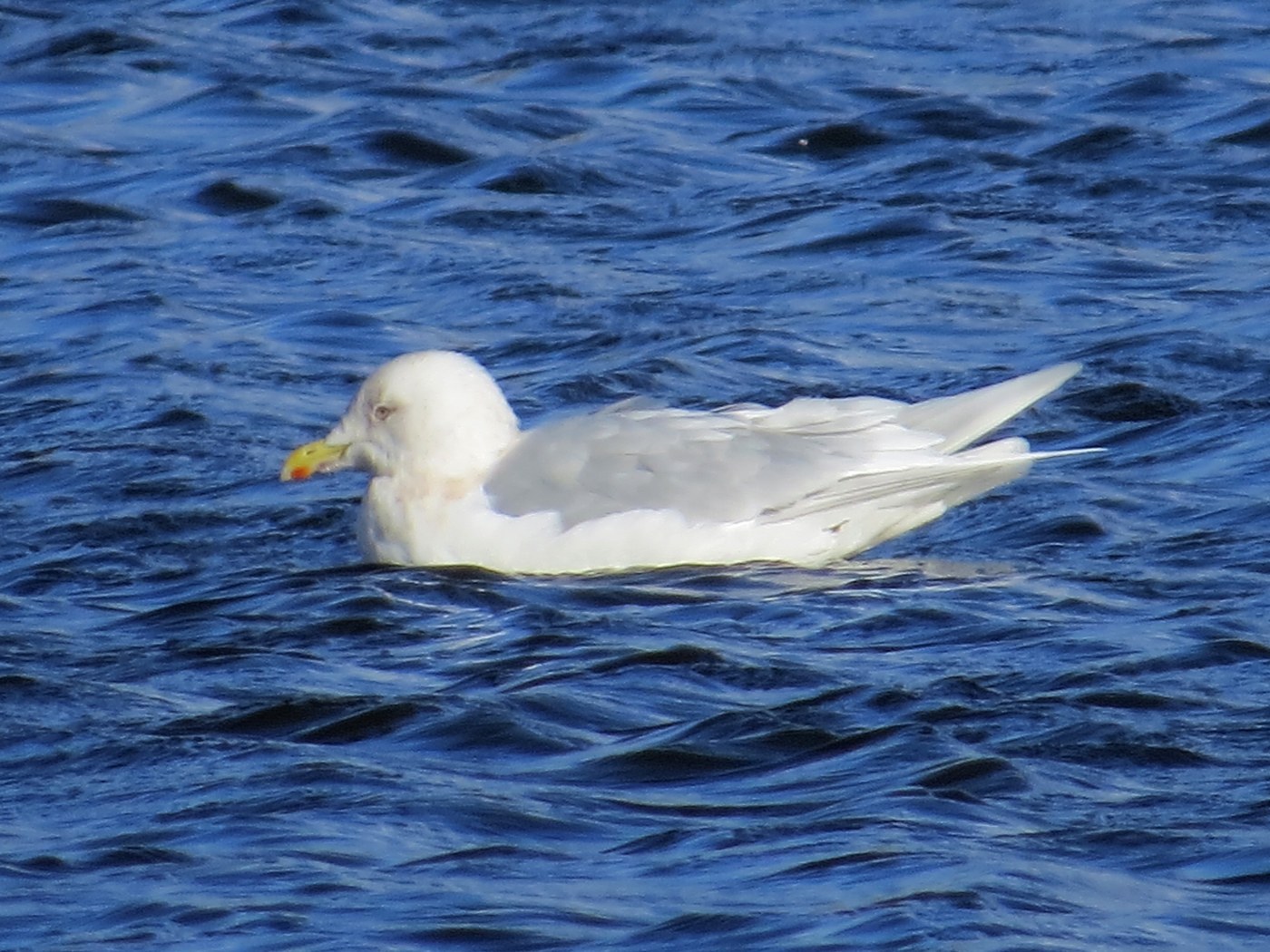
Iceland Gull
Body, flight, and tail feathers

Ring-billed Gull
Body, flight, and tail feathers

Glaucous-winged Gull
Body, flight, and tail feathers

Herring Gull
Body, flight, and tail feathers

Lesser Black-backed Gull
Body, flight, and tail feathers

California Gull
Body, flight, and tail feathers
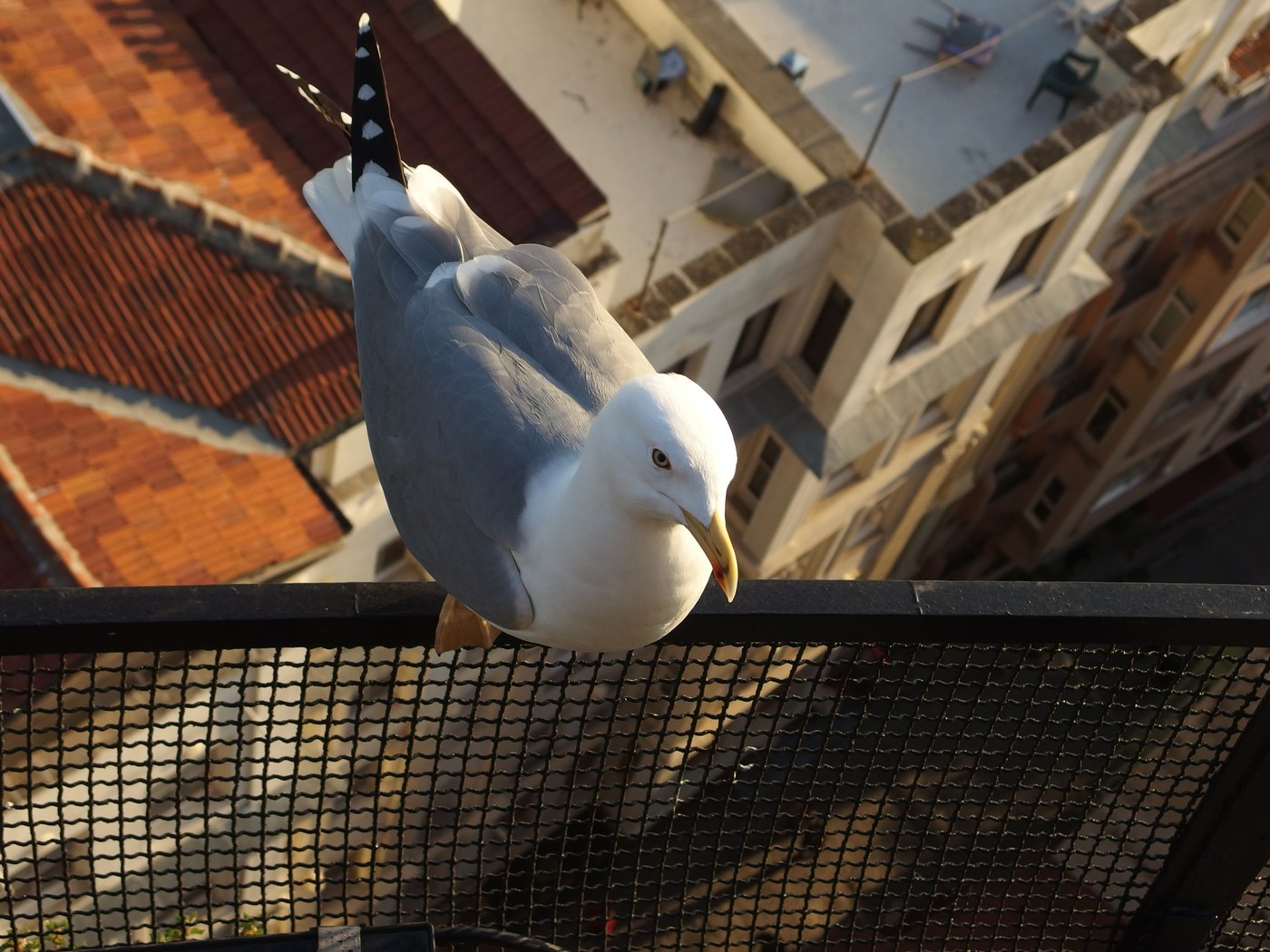
Yellow-legged Gull
Body, wing covert, and flight feathers